Tag: Success Rates

  • The Impact of Lifestyle: Intrauterine Insemination vs Intracervical Insemination

    The Impact of Lifestyle: Intrauterine Insemination vs Intracervical Insemination

    When it comes to fertility treatments, two commonly used methods are intrauterine insemination (IUI) and intracervical insemination (ICI). While both methods involve placing sperm directly into the uterus or cervix, there are some key differences between the two, including their impact on lifestyle. In this blog post, we will explore the impact of lifestyle on these two procedures and how it can affect your chances of success.

    What is Intrauterine Insemination (IUI)?

    Intrauterine insemination (IUI) is a fertility treatment that involves placing washed and concentrated sperm directly into the uterus, bypassing the cervix. This procedure is usually done around the time of ovulation and is often combined with fertility drugs to stimulate egg production. IUI is a relatively simple and non-invasive procedure that can be done in a doctor’s office without the need for anesthesia.

    What is Intracervical Insemination (ICI)?

    Intracervical insemination (ICI) is another fertility treatment that involves placing sperm into the cervix using a catheter. Unlike IUI, ICI does not involve washing or concentrating the sperm, and the procedure can be done at home without the need for medical supervision. Some people prefer ICI because it is less invasive and more affordable compared to IUI.

    The Impact of Lifestyle on IUI and ICI

    1. Preparation and Timing

    For IUI, preparation involves monitoring ovulation and taking fertility drugs to stimulate egg production. This can be a time-consuming process that requires frequent visits to the doctor’s office. On the other hand, ICI can be done at home without the need for fertility drugs or monitoring. This can be more convenient for those with busy schedules or those who prefer a more natural approach to fertility treatments.
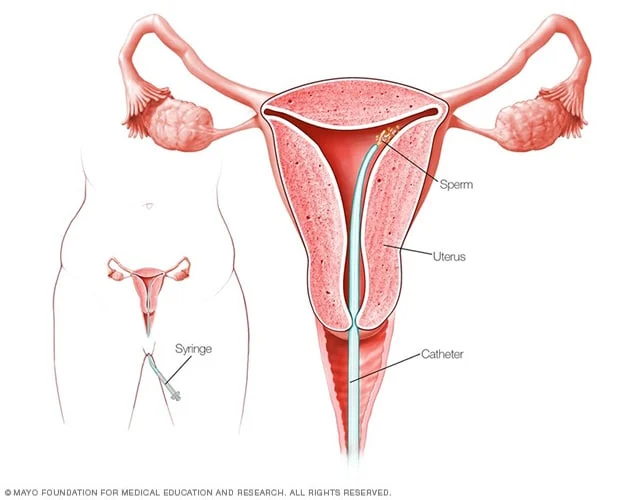
    diagram illustrating intrauterine insemination (IUI) procedure with uterus, sperm, and catheter labeled

    The Impact of Lifestyle: Intrauterine Insemination vs Intracervical Insemination

    2. Cost

    Due to the need for fertility drugs and medical supervision, IUI can be more expensive compared to ICI. This can be a deciding factor for those on a tight budget or those without insurance coverage for fertility treatments. ICI, on the other hand, is more affordable as it can be done at home without the need for medical intervention.

    3. Emotional and Psychological Impact

    Undergoing fertility treatments can be emotionally and psychologically taxing, and this can be further amplified by the need for frequent visits to the doctor’s office for IUI. On the other hand, ICI can be done in the comfort of one’s home, which may be less stressful for some individuals.

    4. Partner Involvement

    In IUI, the partner’s sperm is washed and inserted into the uterus, making them an active participant in the fertility treatment. However, with ICI, the partner’s involvement is limited to providing the sperm sample. This may be a factor for some couples in deciding which method to choose.

    5. Success Rates

    The success rates of IUI and ICI vary, and lifestyle factors can play a role in the outcome of the procedures. For instance, a healthy lifestyle with a balanced diet and regular exercise can improve the chances of success for both IUI and ICI. However, for IUI, factors such as age, ovulation, and sperm quality can also affect the success rates.

    In summary, the impact of lifestyle on IUI and ICI can be significant. While IUI may require more preparation, medical supervision, and financial investment, it can also have higher success rates. On the other hand, ICI may be more convenient and affordable but may have lower success rates. Ultimately, the decision between these two methods should be based on individual circumstances and preferences.

    In conclusion, when it comes to fertility treatments, there is no one-size-fits-all solution. Both IUI and ICI have their advantages and disadvantages, and the impact of lifestyle can play a role in the success of these procedures. It is crucial to consult with a fertility specialist and consider all factors before making a decision. With the right approach and lifestyle choices, both IUI and ICI can help individuals and couples achieve their dream of starting a family.
  • Intrauterine Insemination vs Intracervical Insemination: A Patient’s Guide

    Intrauterine Insemination vs Intracervical Insemination: A Patient’s Guide

    When it comes to fertility treatments, there are many options available for couples struggling to conceive. Two commonly used methods are intrauterine insemination (IUI) and intracervical insemination (ICI). While both procedures involve the placement of sperm into the female reproductive tract, there are some key differences between the two. In this blog post, we will provide a comprehensive guide for patients to understand the differences between intrauterine insemination and intracervical insemination, including the process, success rates, and potential risks.

    What is Intrauterine Insemination (IUI)?

    Intrauterine insemination, also known as artificial insemination, is a fertility treatment that involves placing sperm directly into the uterus. The process is typically done around the time of ovulation to increase the chances of fertilization.

    The IUI process starts with the collection and preparation of sperm. The sperm is washed and concentrated to remove any unnecessary fluids. The sperm is then placed into a catheter, a thin tube-like instrument, which is inserted through the cervix and into the uterus. This process is typically painless and does not require anesthesia.

    What is Intracervical Insemination (ICI)?

    Intracervical insemination, also known as cervical insemination, is another method of artificial insemination. Similar to IUI, the process involves placing sperm into the female reproductive tract. However, unlike IUI, the sperm is placed at the opening of the cervix, rather than directly into the uterus.

    The ICI process starts with the collection and preparation of sperm, similar to IUI. The sperm is then placed into a syringe and inserted into the cervix, either by a healthcare professional or self-administered at home. This method is also painless and does not require anesthesia.

    Success Rates of IUI and ICI

    The success rates of IUI and ICI vary depending on various factors, such as age, fertility issues, and the quality of the sperm. Generally, IUI has a higher success rate compared to ICI. According to the American Pregnancy Association, the success rate for IUI ranges from 10-20% per cycle, while the success rate for ICI is around 10%.

    Factors that can affect the success rates of both procedures include the woman’s age, ovulation timing, and the quality of the sperm. For example, the chances of success are higher for women under 35 years old and those with normal ovulation. It is essential to discuss these factors with a fertility specialist to determine the best course of treatment.

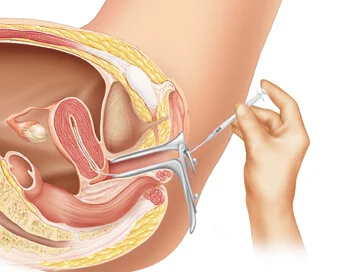
    illustration of intrauterine insemination procedure with a hand holding a speculum and syringe near the uterus

    Intrauterine Insemination vs Intracervical Insemination: A Patient's Guide

    Risks and Side Effects of IUI and ICI

    Both IUI and ICI are generally safe procedures with minimal risks. However, as with any medical procedure, there are potential side effects that patients should be aware of.

    The main risk associated with IUI and ICI is the potential for infection. This risk is low but can increase if the patient has a history of pelvic inflammatory disease or other reproductive tract infections. To reduce this risk, it is essential to follow the recommended hygiene practices and adhere to any medication prescribed by the healthcare provider.

    Another potential side effect of IUI and ICI is discomfort or cramping during or after the procedure. This is usually mild and can be managed with over-the-counter pain medication.

    In rare cases, there may be an allergic reaction to the sperm or the catheter used in the IUI procedure. If you experience severe pain, swelling, or difficulty breathing, seek medical attention immediately.

    Which Procedure is Right for You?

    The decision between IUI and ICI ultimately depends on various factors, including the patient’s age, fertility issues, and personal preferences. IUI is generally recommended for women with ovulation issues or infertility caused by cervical mucus problems. On the other hand, ICI may be a better option for women with unexplained infertility or those who prefer to perform the procedure at home.

    It is crucial to discuss your options with a fertility specialist to determine the best course of treatment for your specific situation. They will be able to evaluate your medical history and provide personalized recommendations.

    In conclusion, both IUI and ICI are effective fertility treatments that can help couples achieve their dream of starting a family. While there are some key differences between the two procedures, the ultimate goal is the same: to increase the chances of fertilization and pregnancy. By understanding the process, success rates, and potential risks, patients can make an informed decision with their healthcare provider to determine which procedure is right for them.
    Summary:

    Intrauterine insemination (IUI) and intracervical insemination (ICI) are two commonly used methods of artificial insemination for fertility treatments. IUI involves placing sperm directly into the uterus, while ICI involves placing sperm at the opening of the cervix. IUI has a higher success rate compared to ICI, and both procedures have minimal risks and side effects. The choice between the two procedures depends on various factors, and it is essential to discuss options with a fertility specialist for personalized recommendations.

  • The Debate Continues: Intrauterine Insemination vs Intracervical Insemination

    The Debate Continues: Intrauterine Insemination vs Intracervical Insemination

    When it comes to fertility treatments, there are several options available for couples who are struggling to conceive. Two commonly used methods are intrauterine insemination (IUI) and intracervical insemination (ICI). Both these procedures involve placing sperm directly into the woman’s reproductive tract, but they differ in the location where the sperm is deposited. While IUI has been the preferred method for many years, ICI has gained popularity in recent years. This has sparked a debate among couples and fertility specialists about which method is more effective. In this blog post, we will explore the key differences between IUI and ICI and discuss the ongoing debate surrounding their effectiveness.

    What is Intrauterine Insemination (IUI)?

    Intrauterine insemination, also known as artificial insemination, is a fertility treatment where washed and prepared sperm is placed directly into the uterus using a thin, flexible catheter. This procedure is usually performed around the time of ovulation to increase the chances of fertilization. It is a relatively simple and non-invasive procedure that can be done in a doctor’s office.

    What is Intracervical Insemination (ICI)?

    Intracervical insemination is a fertility treatment where washed and prepared sperm is placed near the cervix using a syringe or a cervical cap. This method is also known as a home insemination as it can be done at home with the help of a fertility kit. The sperm is deposited into the cervix, and it is then left to swim through the cervical mucus to reach the fallopian tubes for fertilization. ICI is a less invasive and more affordable option compared to IUI.

    Key Differences between IUI and ICI

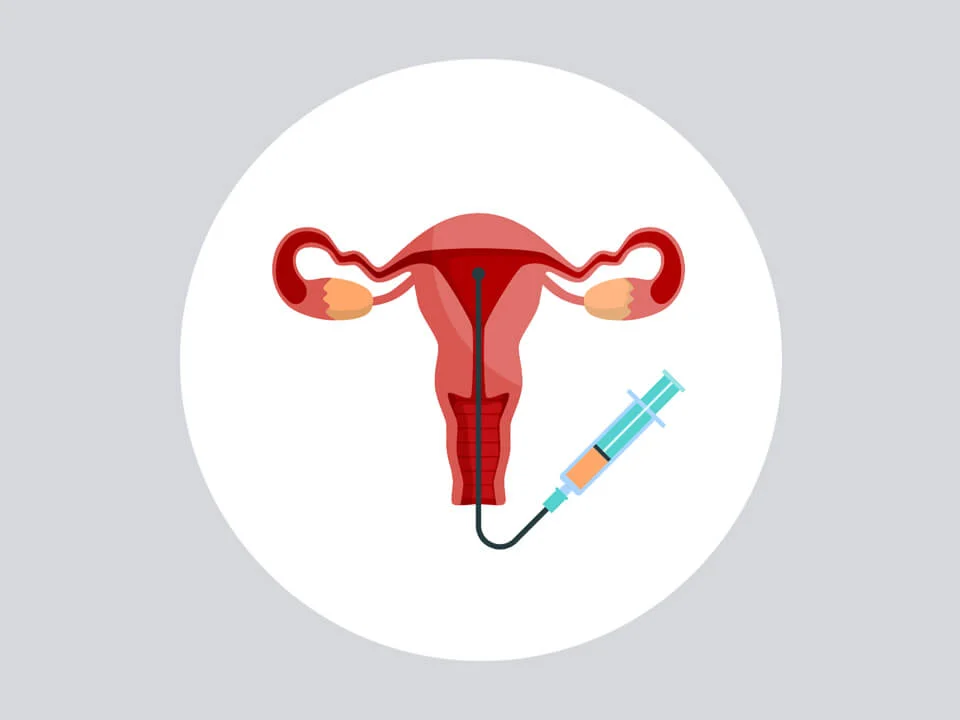
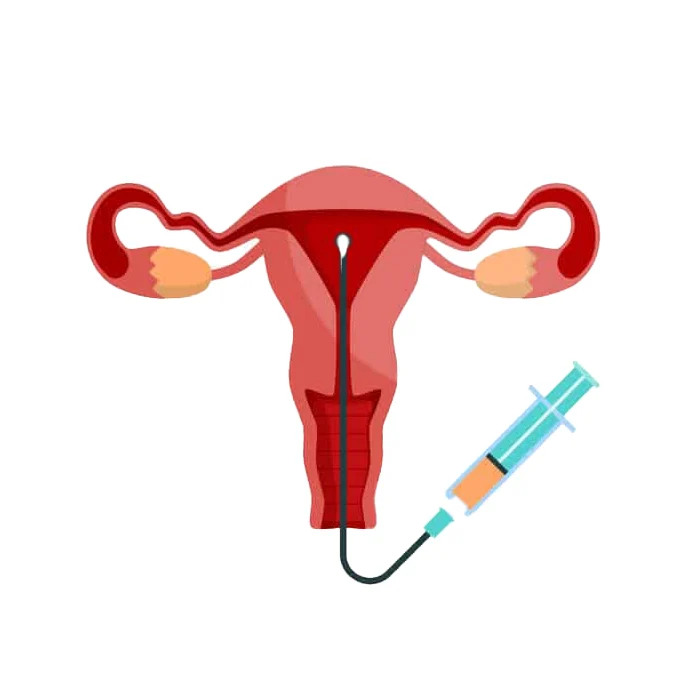
    illustration of a uterus with a syringe for intrauterine insemination (IUI) procedure

    The Debate Continues: Intrauterine Insemination vs Intracervical Insemination

    The main difference between IUI and ICI is the location where the sperm is placed. In IUI, the sperm is directly deposited into the uterus, while in ICI, it is placed near the cervix. This difference has led to varying success rates for both procedures. Another key difference is the preparation of the sperm. In IUI, the sperm is washed and prepared in a lab, while in ICI, the sperm is usually prepared at home using a fertility kit.

    Success Rates

    One of the key factors that contribute to the ongoing debate about IUI vs ICI is the success rates of both procedures. According to the American Pregnancy Association, the success rates for IUI range from 10% to 20% per cycle, depending on various factors such as age, fertility issues, and the number of previous attempts. On the other hand, the success rates for ICI are lower, with a range of 5% to 15% per cycle. However, some studies have shown that the success rates for ICI can be just as high as IUI, especially when done with the right timing and preparation.

    Advantages and Disadvantages

    Both IUI and ICI have their own advantages and disadvantages. IUI is a more controlled and monitored procedure that is done in a clinical setting, which can give couples a sense of reassurance and comfort. It also has a higher success rate compared to ICI. However, IUI can be more expensive and may require multiple cycles for success. On the other hand, ICI is a less invasive and more affordable option that can be done at home. It also gives couples more privacy and control over the process. However, the success rates for ICI may not be as high as IUI, and there is a risk of contamination if not done correctly.

    The Ongoing Debate

    The ongoing debate between IUI and ICI revolves around the success rates and the cost-effectiveness of both procedures. While IUI has been the traditional and more widely used method, ICI has gained popularity in recent years due to its lower cost and convenience. Some fertility specialists argue that ICI can be just as effective as IUI, especially when done correctly and with the right timing. On the other hand, some believe that IUI is a more reliable and monitored method that can yield higher success rates. Ultimately, the debate continues as couples and fertility specialists weigh the pros and cons of each procedure and determine which one is best suited for their needs.

    In conclusion, both IUI and ICI are commonly used fertility treatments that involve placing sperm directly into the reproductive tract. While IUI has been the preferred method for many years, ICI has gained popularity in recent years due to its lower cost and convenience. The ongoing debate about which method is more effective and cost-efficient continues to spark discussions among couples and fertility specialists. Ultimately, the choice between IUI and ICI depends on various factors, including individual fertility issues and personal preferences. Couples should consult with their doctor and carefully consider their options before deciding on the best method for them.

  • Intrauterine Insemination vs Intracervical Insemination: A Look at the Process

    Intrauterine Insemination vs Intracervical Insemination: A Look at the Process

    When it comes to assisted reproductive techniques, Intrauterine Insemination (IUI) and Intracervical Insemination (ICI) are two common methods that are often used. These techniques involve placing sperm into a woman’s reproductive tract in order to increase the chances of fertilization and conception. While they may seem similar, there are some key differences between IUI and ICI that are important to understand. In this blog post, we will take a closer look at the process of each technique, including how they are performed, their success rates, and potential risks and benefits.

    Intrauterine Insemination (IUI)

    IUI is a fertility treatment that involves placing washed and concentrated sperm directly into the uterus using a thin catheter. This method is often used for couples who have difficulty conceiving due to male factor infertility, unexplained infertility, or cervical issues. It can also be used for same-sex couples or single women who are using donor sperm.

    The process of IUI typically involves the following steps:

    1. Ovulation Induction: Before undergoing IUI, the woman may be prescribed medication to stimulate ovulation. This is to ensure that there are mature eggs available for fertilization.

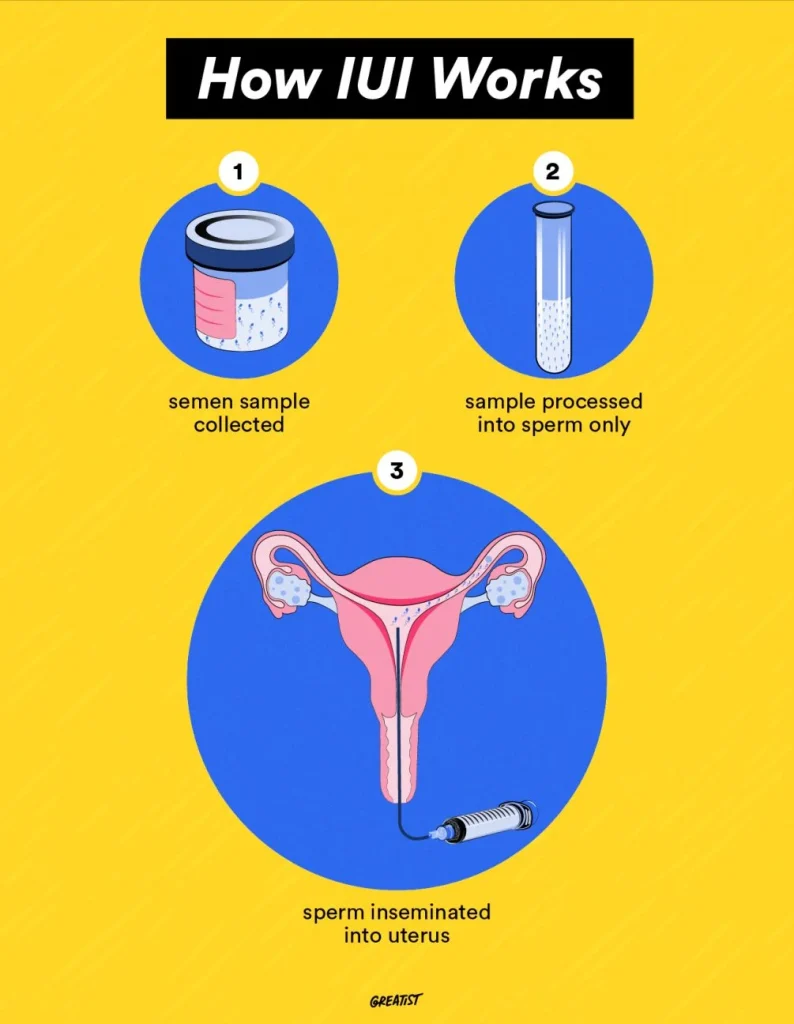
    2. Sperm Collection and Preparation: The male partner or donor provides a semen sample, which is then washed and concentrated in a lab. This process removes any dead or slow-moving sperm and increases the concentration of healthy, motile sperm.

    3. Insemination: Once the sperm is prepared, a thin catheter is inserted through the cervix and into the uterus. The sperm is then injected into the uterus, bypassing the cervix and increasing the chances of fertilization.

    4. Post-Insemination: After the procedure, the woman may be advised to lie down for a short period of time to increase the chances of sperm reaching the egg. She may also be prescribed medication to support the development of the embryo.

    Intracervical Insemination (ICI)

    Intracervical insemination, also known as artificial insemination, is a fertility treatment that involves placing washed and concentrated sperm into the cervix, rather than the uterus. This method is usually recommended for couples with mild male factor infertility, unexplained infertility, or those using donor sperm.

    illustration explaining the steps of intrauterine insemination (IUI) process on a bright yellow background

    Intrauterine Insemination vs Intracervical Insemination: A Look at the Process

    The process of ICI typically involves the following steps:

    1. Sperm Collection and Preparation: Similar to IUI, the male partner or donor provides a semen sample, which is then washed and concentrated in a lab.

    2. Insemination: The prepared sperm is then inserted into the cervix using a syringe, bypassing the vagina and increasing the chances of fertilization.

    3. Post-Insemination: As with IUI, the woman may be advised to lie down for a short period of time after the procedure.

    Key Differences between IUI and ICI

    The main difference between IUI and ICI is the location where the sperm is placed. In IUI, the sperm is inserted directly into the uterus, while in ICI, it is placed into the cervix. This difference can impact the success rates of each technique. IUI has a higher success rate compared to ICI, as it allows the sperm to bypass the cervix and reach the egg more easily. However, ICI is a less invasive and less expensive option, making it a more accessible choice for some couples.

    Success Rates

    The success rates of IUI and ICI can vary greatly depending on a number of factors, including the cause of infertility, the age of the woman, and the quality of the sperm. On average, IUI has a success rate of 10-20%, while ICI has a success rate of 5-15%. It is important to note that these success rates can also be influenced by the use of ovulation-inducing medication and the number of cycles a couple undergoes.

    Risks and Benefits

    Both IUI and ICI are generally considered safe procedures with minimal risks. The most common risk is multiple pregnancies, which can occur if more than one egg is fertilized. This risk can be reduced by closely monitoring the woman’s ovulation and controlling the number of eggs produced. Other possible risks include infection and discomfort during the procedure.

    The main benefit of IUI and ICI is that they are non-invasive and have a lower cost compared to other fertility treatments such as in vitro fertilization (IVF). They also have a lower risk of complications and can be performed in a doctor’s office rather than a hospital, making them more convenient for couples.

    In summary, IUI and ICI are two commonly used assisted reproductive techniques that involve placing sperm into a woman’s reproductive tract. While they may seem similar, there are some important differences between the two methods. IUI involves placing sperm directly into the uterus, while ICI involves placing it into the cervix. IUI has a higher success rate, but ICI is a less invasive and less expensive option. Ultimately, the best technique for each couple will depend on their individual needs and circumstances.

  • The Importance of Preparation: Intrauterine Insemination vs Intracervical Insemination

    Summary:

    Illustration of a uterus with a syringe, representing intrauterine insemination (IUI) procedure.

    The Importance of Preparation: Intrauterine Insemination vs Intracervical Insemination

    Preparation is a crucial aspect of any medical procedure, especially when it comes to assisted reproductive technology (ART). Intrauterine insemination (IUI) and intracervical insemination (ICI) are two common forms of ART that can help couples or individuals to conceive. While both procedures have a similar goal, they differ in terms of preparation, success rates, and cost. In this blog post, we will explore the importance of preparation in IUI and ICI, and how it can impact the success of these procedures.

  • The Role of Medications: Intrauterine Insemination vs Intracervical Insemination

    Title: The Role of Medications: Intrauterine Insemination vs Intracervical Insemination

    Intrauterine insemination (IUI) and intracervical insemination (ICI) are two of the most common fertility treatments used to help couples conceive. These procedures involve inserting sperm directly into the woman’s uterus or cervix, respectively, in order to increase the chances of fertilization. However, the success of these procedures can be greatly influenced by the use of medications. In this blog post, we will discuss the role of medications in IUI and ICI, and how they can improve the success rates of these procedures.

    The Role of Medications in Intrauterine Insemination (IUI)

    IUI is a fertility treatment where sperm is inserted directly into the woman’s uterus during the time of ovulation. This procedure is often combined with fertility medications to stimulate the ovaries and increase the number of mature eggs produced. The most commonly used medication in IUI is clomiphene citrate (Clomid), which is an oral medication that helps to stimulate ovulation.

    Clomid works by blocking the effects of estrogen in the body, which leads to an increase in follicle-stimulating hormone (FSH) and luteinizing hormone (LH). These hormones are responsible for the growth and development of follicles in the ovaries. By stimulating the ovaries to produce more eggs, Clomid increases the chances of a successful fertilization during IUI.

    Other medications that may be used in conjunction with Clomid in IUI include gonadotropins, which are injectable hormones that also stimulate the ovaries to produce multiple eggs. These medications are often used in cases where Clomid alone is not effective in stimulating ovulation.

    The Role of Medications in Intracervical Insemination (ICI)

    ICI is a less invasive fertility treatment compared to IUI, as it involves placing sperm into the cervix rather than the uterus. This procedure is often used for couples who have unexplained infertility or for women with cervical issues that make it difficult for sperm to reach the uterus. While ICI does not require the use of fertility medications, they can still play a role in improving the success rates of this procedure.

    One medication that is commonly used in ICI is a cervical mucus enhancer. This type of medication helps to improve the quality and quantity of cervical mucus, which is essential for sperm to survive and swim towards the egg. Without enough cervical mucus, the sperm may not be able to reach the egg, leading to a lower chance of fertilization.

    Another medication that may be used in ICI is a sperm wash solution. This solution helps to separate healthy and motile sperm from other components of the semen, such as dead sperm and debris. By using a sperm wash, the chances of fertilization are increased as only the healthiest sperm are used for insemination.

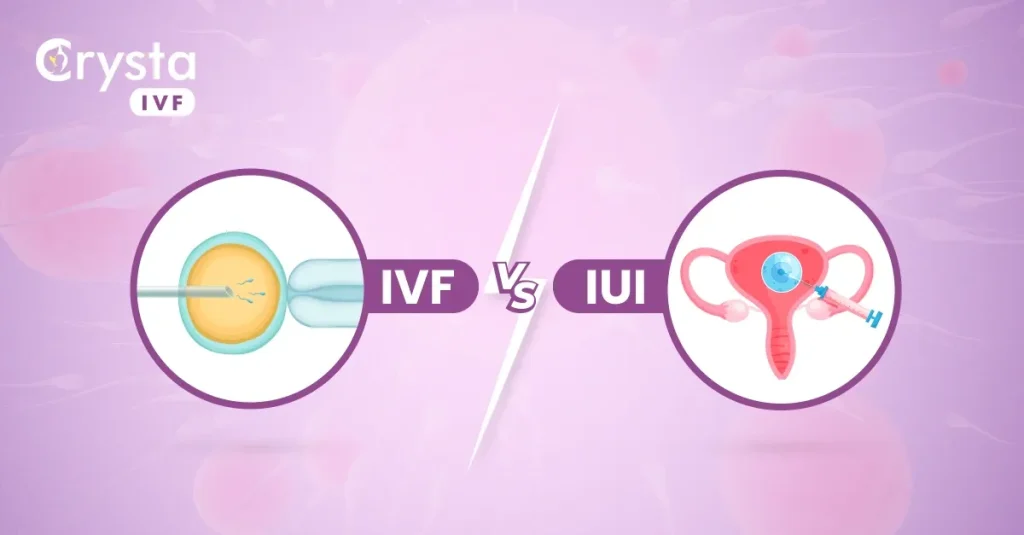
    Comparison of IVF and IUI procedures with illustrations of each method.

    The Role of Medications: Intrauterine Insemination vs Intracervical Insemination

    Which Medications Are Right for You?

    The type of medication used in IUI or ICI will depend on various factors, including the cause of infertility, the woman’s age, and overall health. It is important to consult with a fertility specialist to determine the best course of treatment and medication for your individual situation.

    In some cases, a combination of medications may be recommended to increase the chances of a successful pregnancy. For example, a woman may be prescribed Clomid to stimulate ovulation, while also using a cervical mucus enhancer during an ICI procedure. Your doctor will work with you to create a personalized treatment plan that is tailored to your needs.

    Other Factors Affecting the Success of IUI and ICI

    While medications play a significant role in the success of IUI and ICI, there are other factors that can also impact the outcomes of these procedures. These include:

    – Age: As a woman gets older, her fertility declines, making it more difficult to conceive. This is why it is important to seek fertility treatment as soon as possible if you are struggling to get pregnant.

    – Sperm Quality: The quality of sperm used in IUI and ICI is crucial for fertilization to occur. If a man has low sperm count or poor sperm motility, it can decrease the chances of a successful pregnancy.

    – Underlying Health Conditions: Certain medical conditions such as endometriosis or polycystic ovary syndrome (PCOS) can affect fertility. Treating these conditions can improve the success rates of IUI and ICI.

    Summarizing the Role of Medications in IUI and ICI

    Intrauterine insemination (IUI) and intracervical insemination (ICI) are two common fertility treatments that involve inserting sperm directly into the woman’s uterus or cervix, respectively. These procedures can be greatly enhanced by the use of medications, which can stimulate ovulation, improve cervical mucus quality, and increase the chances of fertilization. Working with a fertility specialist to determine the right medication and treatment plan for your individual needs is crucial for a successful pregnancy.

  • Intrauterine Insemination vs Intracervical Insemination: A Doctor’s Perspective

    Blog Post Title: Intrauterine Insemination vs Intracervical Insemination: A Doctor’s Perspective

    Summary:

    Intrauterine insemination (IUI) and intracervical insemination (ICI) are two commonly used assisted reproductive techniques for couples struggling with fertility. Both procedures involve placing washed and prepared sperm directly into the woman’s reproductive tract, bypassing any potential barriers that may prevent pregnancy.

    As a doctor specializing in reproductive medicine, I have seen many couples come to me with questions about the differences between IUI and ICI. In this blog post, I will provide a comprehensive comparison of these two procedures from a medical perspective.

    IUI, also known as artificial insemination, involves placing sperm directly into the woman’s uterus through a catheter. This procedure is often recommended for couples with male factor infertility, where the male partner has a low sperm count or issues with sperm motility. The sperm used for IUI is washed and prepared in a lab, removing any impurities and increasing the chances of successful fertilization.

    On the other hand, ICI involves placing sperm into the woman’s cervix using a syringe or soft catheter. This method is often used for couples with unexplained infertility or mild male factor infertility. Unlike IUI, the sperm used for ICI is not washed or prepared, making it a less invasive and less expensive option.

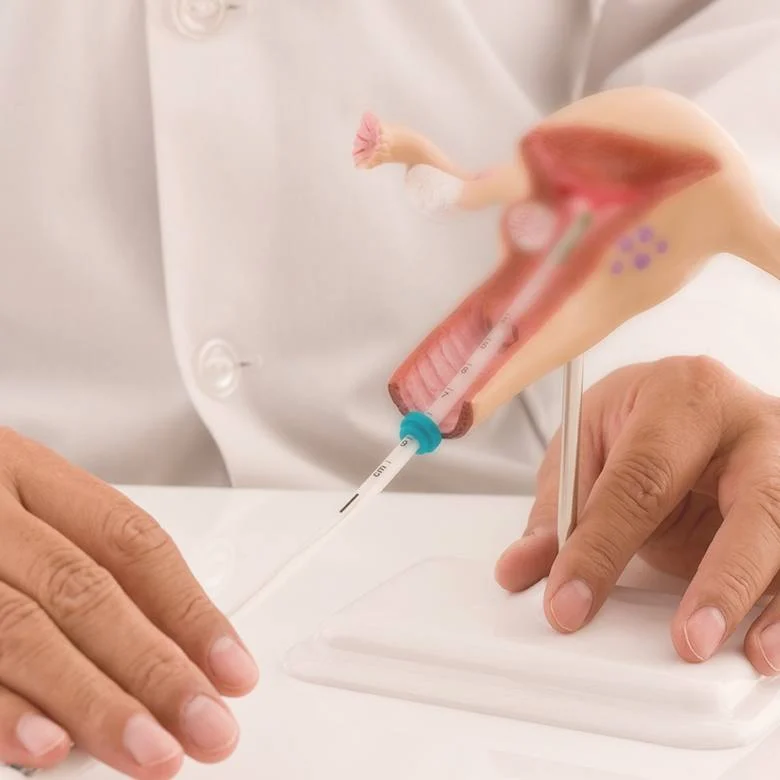
    model of the female reproductive system with a hand demonstrating intrauterine insemination technique

    Intrauterine Insemination vs Intracervical Insemination: A Doctor's Perspective

    One of the main differences between IUI and ICI is the timing of the procedure. IUI is typically done around the time of ovulation, which is determined through ovulation predictor kits or ultrasound monitoring. This ensures that the sperm is present in the uterus when the egg is released, increasing the chances of fertilization. In contrast, ICI can be done at any time during the woman’s menstrual cycle.

    Another significant difference between the two procedures is the success rates. IUI has a higher success rate compared to ICI, with a pregnancy rate of 10-20% per cycle. This is because the sperm is placed directly into the uterus, which is a more favorable environment for fertilization. However, this success rate can vary depending on factors such as the age of the woman, the cause of infertility, and the quality of the sperm used.

    In comparison, the success rate for ICI is lower, ranging from 5-10% per cycle. This is because the sperm has to travel a longer distance to reach the egg, and there is a higher chance of the sperm being exposed to acidic vaginal secretions. However, for couples with mild fertility issues, ICI may still be a viable option.

    When it comes to safety, both IUI and ICI are generally considered safe procedures. However, there is a slightly higher risk of infection with IUI due to the insertion of a catheter into the uterus. It is essential to choose a reputable and experienced fertility clinic to minimize the risk of complications.

    Cost is also a significant factor to consider when deciding between IUI and ICI. IUI is a more expensive procedure, as it involves washing and preparing the sperm in a lab. The cost of ICI, on the other hand, is lower as it does not require any laboratory preparation.

    Lastly, one of the most significant differences between IUI and ICI is the level of medical assistance required. IUI is a more complex procedure and must be performed by a doctor in a clinical setting. ICI, on the other hand, can be done at home with the use of a sperm donor or partner’s semen sample. However, it is still recommended to seek medical advice and guidance when considering ICI to ensure proper technique and timing.

    In conclusion, both IUI and ICI are effective assisted reproductive techniques that can help couples achieve their dream of having a child. The decision between the two procedures ultimately depends on the couple’s specific fertility issues, financial considerations, and personal preferences. Consulting with a fertility specialist is crucial in determining the best option for each individual case.

  • Intrauterine Insemination vs Intracervical Insemination: Understanding the Risks

    Intrauterine Insemination vs Intracervical Insemination: Understanding the Risks

    When it comes to fertility treatments, there are a variety of options available to couples struggling to conceive. Intrauterine insemination (IUI) and intracervical insemination (ICI) are two commonly used methods that involve placing sperm directly into the uterus or cervix, respectively. While these procedures may seem similar, there are important differences to consider, particularly when it comes to the risks involved. In this blog post, we will explore the risks associated with IUI and ICI, helping you to better understand which option may be right for you.

    Understanding Intrauterine Insemination (IUI)

    IUI involves placing washed and concentrated sperm directly into the uterus using a catheter. This procedure is typically performed around the time of ovulation to increase the chances of fertilization. IUI is often recommended for couples who have been trying to conceive for at least a year, or for those who have certain fertility issues such as low sperm count or cervical mucus problems.

    One of the main risks associated with IUI is the potential for multiple pregnancies. Since the procedure involves placing a higher concentration of sperm into the uterus, there is a higher chance of multiple eggs being fertilized. This can result in a higher risk of complications during pregnancy, such as preterm labor or low birth weight. It is important for couples undergoing IUI to discuss this risk with their doctor and consider the potential impact on their family planning.

    Another potential risk of IUI is the risk of infection. Since the procedure involves inserting a catheter into the uterus, there is a small chance of introducing bacteria into the reproductive system. This risk is minimized by ensuring the sperm is properly washed and sterilized before the procedure, as well as taking precautions to prevent any contamination during the procedure. However, it is still important to be aware of this potential risk and to report any symptoms of infection to your doctor immediately.

    Understanding Intracervical Insemination (ICI)

    ICI, also known as artificial insemination, involves placing sperm into the cervix using a syringe or soft catheter. This procedure is often recommended for couples who have unexplained infertility or for same-sex couples using a sperm donor. Unlike IUI, ICI does not require the sperm to be washed and concentrated, making it a more cost-effective option for some couples.

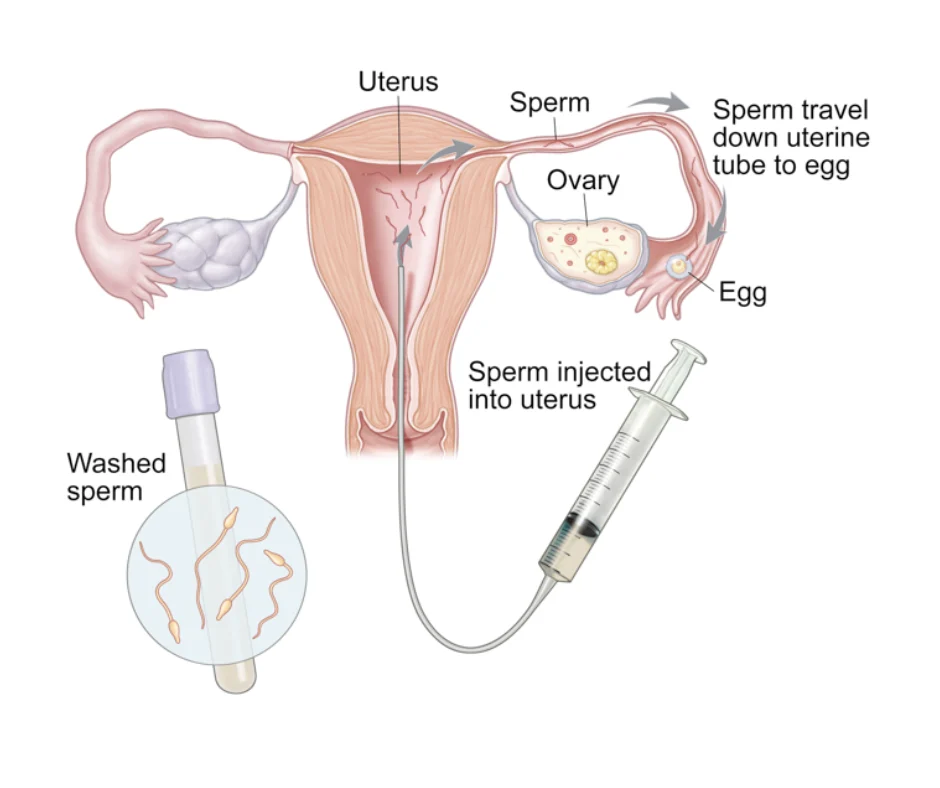
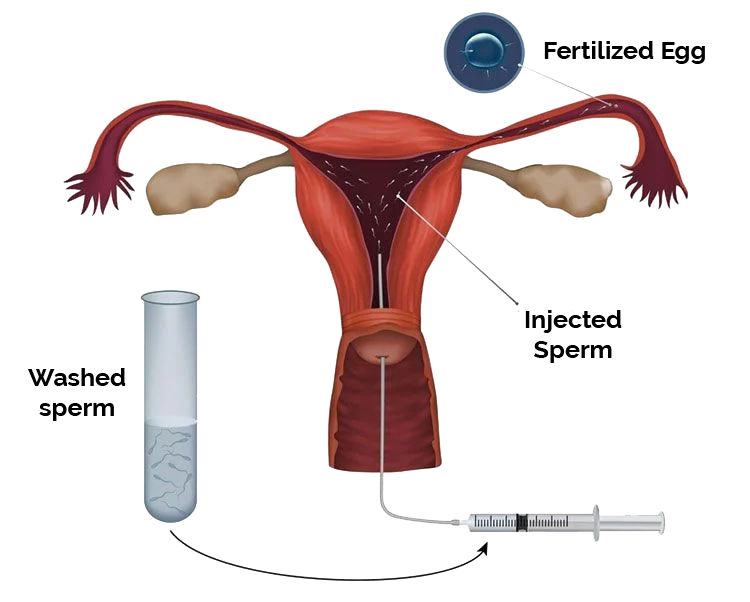
    diagram illustrating intrauterine insemination process, showing sperm injection into the uterus and egg fertilization pathway

    Intrauterine Insemination vs Intracervical Insemination: Understanding the Risks

    One of the main risks associated with ICI is the potential for sperm to be introduced into the vaginal canal. This can increase the risk of infection, particularly if the sperm is not properly screened and sterilized. It is important for couples considering ICI to thoroughly research their sperm donor and ensure that all necessary precautions are taken to minimize the risk of infection.

    Another potential risk of ICI is the lower success rates compared to IUI. Since the sperm is not placed directly into the uterus, there is a lower chance of fertilization occurring. This may require multiple attempts at the procedure, which can be emotionally and financially taxing for couples. It is important to discuss the potential success rates with your doctor and understand the potential impact on your fertility journey.

    Which Option is Right for You?

    When considering the risks of IUI and ICI, it is important to also consider your individual fertility needs and goals. While IUI may have a higher risk of multiple pregnancies, it also has a higher success rate compared to ICI. Additionally, some couples may feel more comfortable with the idea of placing sperm directly into the uterus rather than the cervix. On the other hand, ICI may be a more affordable and accessible option for some couples.

    It is also important to note that both IUI and ICI carry a small risk of side effects, such as cramping and spotting, that are common with any medical procedure. However, these risks are usually mild and temporary.

    In conclusion, both IUI and ICI are viable options for couples struggling with fertility. While there are risks associated with each procedure, it is important to discuss these risks with your doctor and make an informed decision based on your individual circumstances. By understanding the potential risks and benefits of each option, you can make the best decision for your fertility journey.

    Summary:

    Intrauterine insemination (IUI) and intracervical insemination (ICI) are two fertility treatments that involve placing sperm directly into the uterus or cervix, respectively. While these procedures may seem similar, there are important differences to consider, particularly when it comes to the risks involved. IUI may have a higher risk of multiple pregnancies and infection, while ICI may have lower success rates and a risk of sperm entering the vaginal canal. It is important to discuss these risks with your doctor and make an informed decision based on your individual fertility needs.

  • The Success Rates: Intrauterine Insemination vs Intracervical Insemination

    Blog Post:

    When it comes to assisted reproductive techniques, intrauterine insemination (IUI) and intracervical insemination (ICI) are two commonly used methods. Both procedures involve the insertion of sperm into the woman’s reproductive tract, but they differ in the location of the sperm placement. In this blog post, we will explore the success rates of IUI and ICI and how they compare to each other.

    Intrauterine Insemination (IUI):

    IUI is a fertility treatment where washed and concentrated sperm is directly injected into the uterus through a thin catheter. This procedure is typically performed around the time of ovulation, which is when the egg is released from the ovary and is most likely to be fertilized. IUI can be performed using the woman’s natural cycle or can be combined with ovulation induction medications to increase the chances of success.

    Success Rates:

    The success rates of IUI can vary depending on various factors such as the age of the woman, the quality of sperm, and any underlying fertility issues. On average, the success rate of IUI in achieving pregnancy is around 10-20% per cycle. However, this rate can increase up to 60% when combined with ovulation induction medications.

    Benefits of IUI:

    IUI has several benefits, including being a less invasive and less expensive procedure compared to other assisted reproductive techniques such as in vitro fertilization (IVF). It also allows for the use of a partner’s sperm or donor sperm and can be an excellent option for couples with unexplained infertility or mild male factor infertility.

    Intracervical Insemination (ICI):

    Intracervical insemination, also known as artificial insemination, is a procedure that involves inserting washed and concentrated sperm into the cervix using a syringe. Unlike IUI, ICI does not require a catheter and is typically done at home by the couple. The procedure can be performed at the time of ovulation or using an ovulation predictor kit.

    Illustration of intrauterine insemination (IUI) procedure with syringe and catheter in the uterus.

    The Success Rates: Intrauterine Insemination vs Intracervical Insemination

    Success Rates:

    The success rates of ICI are slightly lower than IUI, with an average success rate of 10-15% per cycle. This is because the sperm has to travel a longer distance to reach the egg, increasing the likelihood of it not fertilizing the egg. However, like IUI, the success rates can increase when combined with ovulation induction medications.

    Benefits of ICI:

    The main advantage of ICI is its convenience and low cost. Since it can be done at home, couples can save on the cost of multiple visits to a fertility clinic. It also allows for the use of a partner’s sperm, giving couples more control over the process.

    Factors Affecting Success Rates:

    Both IUI and ICI have similar success rates, but there are certain factors that can affect the chances of success in either procedure. These include the age of the woman, the quality of sperm, and any underlying fertility issues. It is essential to consult with a fertility specialist to determine the best course of treatment based on individual circumstances.

    In Conclusion:

    Intrauterine insemination and intracervical insemination are two widely used assisted reproductive techniques with similar success rates. While IUI may have a slightly higher success rate, ICI offers convenience and affordability. Ultimately, the success of either procedure depends on individual factors, and consulting with a fertility specialist is crucial in determining the best treatment option.

    Summary:

    Intrauterine insemination (IUI) and intracervical insemination (ICI) are two common assisted reproductive techniques that involve placing sperm into the woman’s reproductive tract. IUI is performed by a fertility specialist and has a success rate of 10-20% per cycle, while ICI can be done at home and has a success rate of 10-15% per cycle. Factors affecting success rates include the age of the woman, quality of sperm, and underlying fertility issues. Both procedures have their advantages and consulting with a fertility specialist is essential in determining the best treatment option.

  • Breaking Down the Costs: Intrauterine Insemination vs Intracervical Insemination

    Summary:

    When it comes to fertility treatments, there are various options available to those struggling to conceive. Intrauterine insemination (IUI) and intracervical insemination (ICI) are two commonly used procedures that can help individuals or couples achieve pregnancy. However, these procedures come with their own set of costs, and it is important to understand the differences between them in order to make an informed decision.

    Intrauterine insemination, also known as artificial insemination, involves placing sperm directly into the uterus during ovulation. This procedure is typically performed in a medical setting, using a catheter to deliver the sperm. On the other hand, intracervical insemination involves placing sperm at the entrance of the cervix, allowing them to naturally travel through the cervix and into the uterus. This procedure can be done at home with the use of a special syringe or cup.

    The cost breakdown for these two procedures can vary depending on factors such as location, clinic, and individual needs. However, there are some general costs to consider when comparing IUI and ICI.

    1. Medical costs: As IUI is typically performed in a medical setting, it involves additional costs such as doctor’s fees, lab tests, and ultrasound monitoring. These costs can range from $500 to $4,000 per cycle, depending on the individual’s insurance coverage and the number of cycles needed. On the other hand, ICI can be done at home, eliminating the need for medical fees. However, there may still be some medical costs involved, such as sperm analysis or ovulation tracking.

    diagram of the female reproductive system with an IUI syringe and test tube for artificial insemination

    Breaking Down the Costs: Intrauterine Insemination vs Intracervical Insemination

    2. Sperm costs: The success of IUI and ICI largely depends on the quality of sperm used. In IUI, the sperm is typically obtained from a sperm bank, which can add an additional cost of $300 to $600 per vial. The number of vials required per cycle can vary, depending on the individual’s fertility needs. In comparison, ICI allows for the use of fresh or frozen sperm from a known donor, which can significantly reduce costs. However, it is important to note that using fresh sperm may increase the risk of sexually transmitted infections.

    3. Medication costs: In order to stimulate ovulation, some individuals may require medication such as clomiphene or gonadotropins. These medications can add an additional cost of $50 to $250 per cycle for IUI. In contrast, ICI does not usually require medication, unless there are underlying fertility issues.

    4. Additional costs: There may be other costs associated with fertility treatments, such as counseling or support services. These costs can vary depending on the individual’s needs and preferences.

    When comparing the costs of IUI and ICI, it is important to consider the success rates of each procedure. Studies have shown that IUI has a higher success rate than ICI, with an average success rate of 10-20% per cycle. However, this success rate can vary depending on factors such as age and fertility issues.

    In conclusion, both IUI and ICI can be effective fertility treatments, but the costs involved can vary significantly. While IUI may have a higher success rate, it also comes with higher medical and sperm costs. On the other hand, ICI may be a more cost-effective option, but it may not be suitable for everyone. It is important to consult with a fertility specialist to determine the best treatment option based on individual needs and financial capabilities.