Intrauterine Insemination vs Intracervical Insemination: A Look at the Process
When it comes to assisted reproductive techniques, Intrauterine Insemination (IUI) and Intracervical Insemination (ICI) are two common methods that are often used. These techniques involve placing sperm into a woman’s reproductive tract in order to increase the chances of fertilization and conception. While they may seem similar, there are some key differences between IUI and ICI that are important to understand. In this blog post, we will take a closer look at the process of each technique, including how they are performed, their success rates, and potential risks and benefits.
Intrauterine Insemination (IUI)
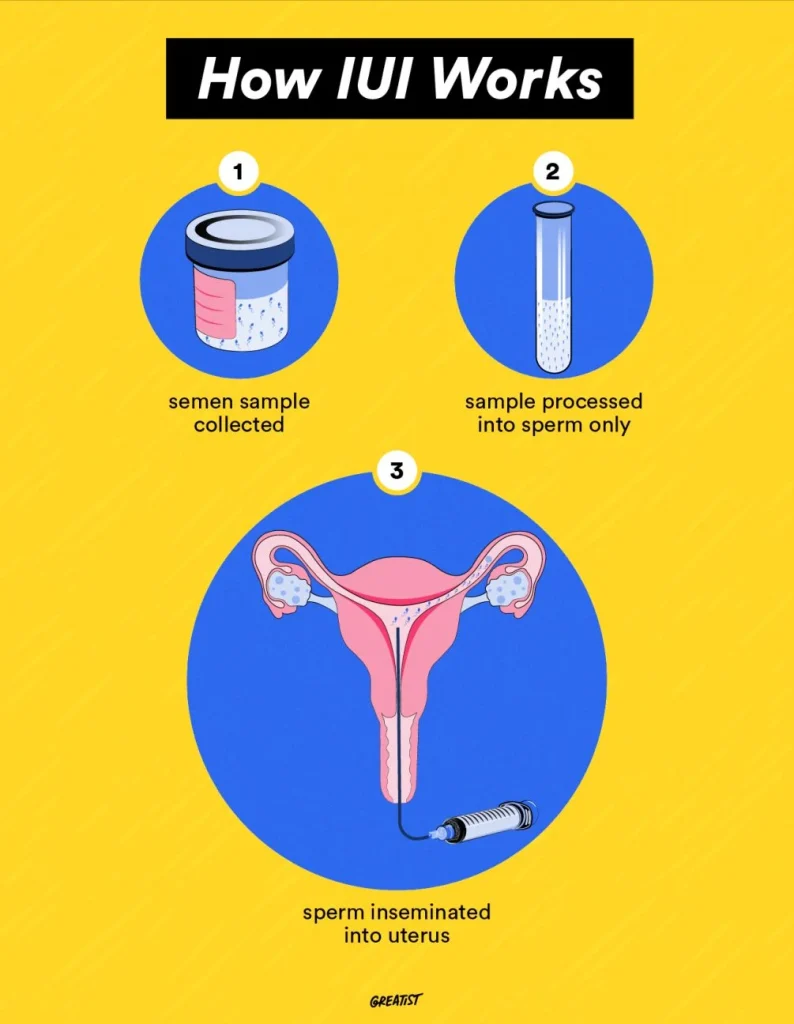
IUI is a fertility treatment that involves placing washed and concentrated sperm directly into the uterus using a thin catheter. This method is often used for couples who have difficulty conceiving due to male factor infertility, unexplained infertility, or cervical issues. It can also be used for same-sex couples or single women who are using donor sperm.
The process of IUI typically involves the following steps:
1. Ovulation Induction: Before undergoing IUI, the woman may be prescribed medication to stimulate ovulation. This is to ensure that there are mature eggs available for fertilization.
2. Sperm Collection and Preparation: The male partner or donor provides a semen sample, which is then washed and concentrated in a lab. This process removes any dead or slow-moving sperm and increases the concentration of healthy, motile sperm.
3. Insemination: Once the sperm is prepared, a thin catheter is inserted through the cervix and into the uterus. The sperm is then injected into the uterus, bypassing the cervix and increasing the chances of fertilization.
4. Post-Insemination: After the procedure, the woman may be advised to lie down for a short period of time to increase the chances of sperm reaching the egg. She may also be prescribed medication to support the development of the embryo.
Intracervical Insemination (ICI)
Intracervical insemination, also known as artificial insemination, is a fertility treatment that involves placing washed and concentrated sperm into the cervix, rather than the uterus. This method is usually recommended for couples with mild male factor infertility, unexplained infertility, or those using donor sperm.
Intrauterine Insemination vs Intracervical Insemination: A Look at the Process
The process of ICI typically involves the following steps:
1. Sperm Collection and Preparation: Similar to IUI, the male partner or donor provides a semen sample, which is then washed and concentrated in a lab.
2. Insemination: The prepared sperm is then inserted into the cervix using a syringe, bypassing the vagina and increasing the chances of fertilization.
3. Post-Insemination: As with IUI, the woman may be advised to lie down for a short period of time after the procedure.
Key Differences between IUI and ICI
The main difference between IUI and ICI is the location where the sperm is placed. In IUI, the sperm is inserted directly into the uterus, while in ICI, it is placed into the cervix. This difference can impact the success rates of each technique. IUI has a higher success rate compared to ICI, as it allows the sperm to bypass the cervix and reach the egg more easily. However, ICI is a less invasive and less expensive option, making it a more accessible choice for some couples.
Success Rates
The success rates of IUI and ICI can vary greatly depending on a number of factors, including the cause of infertility, the age of the woman, and the quality of the sperm. On average, IUI has a success rate of 10-20%, while ICI has a success rate of 5-15%. It is important to note that these success rates can also be influenced by the use of ovulation-inducing medication and the number of cycles a couple undergoes.
Risks and Benefits
Both IUI and ICI are generally considered safe procedures with minimal risks. The most common risk is multiple pregnancies, which can occur if more than one egg is fertilized. This risk can be reduced by closely monitoring the woman’s ovulation and controlling the number of eggs produced. Other possible risks include infection and discomfort during the procedure.
The main benefit of IUI and ICI is that they are non-invasive and have a lower cost compared to other fertility treatments such as in vitro fertilization (IVF). They also have a lower risk of complications and can be performed in a doctor’s office rather than a hospital, making them more convenient for couples.
In summary, IUI and ICI are two commonly used assisted reproductive techniques that involve placing sperm into a woman’s reproductive tract. While they may seem similar, there are some important differences between the two methods. IUI involves placing sperm directly into the uterus, while ICI involves placing it into the cervix. IUI has a higher success rate, but ICI is a less invasive and less expensive option. Ultimately, the best technique for each couple will depend on their individual needs and circumstances.