The Debate Continues: Intrauterine Insemination vs Intracervical Insemination
When it comes to fertility treatments, there are several options available for couples who are struggling to conceive. Two commonly used methods are intrauterine insemination (IUI) and intracervical insemination (ICI). Both these procedures involve placing sperm directly into the woman’s reproductive tract, but they differ in the location where the sperm is deposited. While IUI has been the preferred method for many years, ICI has gained popularity in recent years. This has sparked a debate among couples and fertility specialists about which method is more effective. In this blog post, we will explore the key differences between IUI and ICI and discuss the ongoing debate surrounding their effectiveness.
What is Intrauterine Insemination (IUI)?
Intrauterine insemination, also known as artificial insemination, is a fertility treatment where washed and prepared sperm is placed directly into the uterus using a thin, flexible catheter. This procedure is usually performed around the time of ovulation to increase the chances of fertilization. It is a relatively simple and non-invasive procedure that can be done in a doctor’s office.
What is Intracervical Insemination (ICI)?
Intracervical insemination is a fertility treatment where washed and prepared sperm is placed near the cervix using a syringe or a cervical cap. This method is also known as a home insemination as it can be done at home with the help of a fertility kit. The sperm is deposited into the cervix, and it is then left to swim through the cervical mucus to reach the fallopian tubes for fertilization. ICI is a less invasive and more affordable option compared to IUI.
Key Differences between IUI and ICI
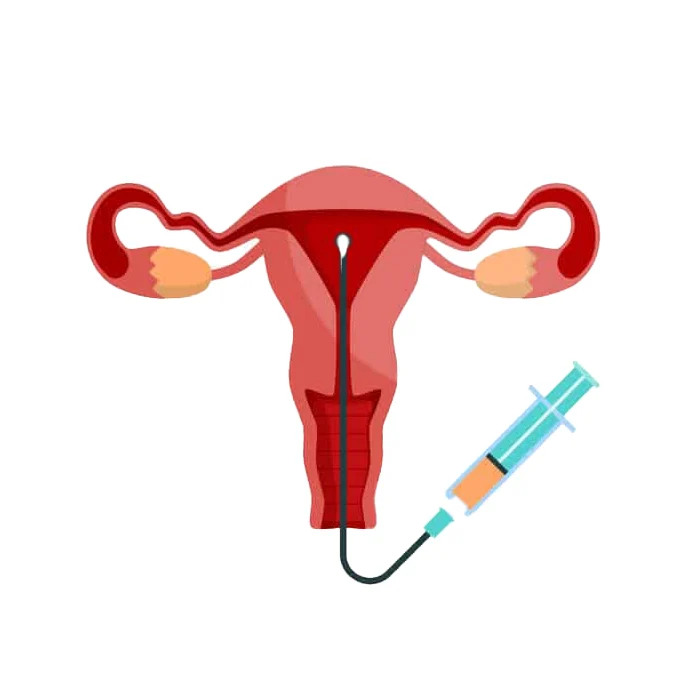
The Debate Continues: Intrauterine Insemination vs Intracervical Insemination
The main difference between IUI and ICI is the location where the sperm is placed. In IUI, the sperm is directly deposited into the uterus, while in ICI, it is placed near the cervix. This difference has led to varying success rates for both procedures. Another key difference is the preparation of the sperm. In IUI, the sperm is washed and prepared in a lab, while in ICI, the sperm is usually prepared at home using a fertility kit.
Success Rates
One of the key factors that contribute to the ongoing debate about IUI vs ICI is the success rates of both procedures. According to the American Pregnancy Association, the success rates for IUI range from 10% to 20% per cycle, depending on various factors such as age, fertility issues, and the number of previous attempts. On the other hand, the success rates for ICI are lower, with a range of 5% to 15% per cycle. However, some studies have shown that the success rates for ICI can be just as high as IUI, especially when done with the right timing and preparation.
Advantages and Disadvantages
Both IUI and ICI have their own advantages and disadvantages. IUI is a more controlled and monitored procedure that is done in a clinical setting, which can give couples a sense of reassurance and comfort. It also has a higher success rate compared to ICI. However, IUI can be more expensive and may require multiple cycles for success. On the other hand, ICI is a less invasive and more affordable option that can be done at home. It also gives couples more privacy and control over the process. However, the success rates for ICI may not be as high as IUI, and there is a risk of contamination if not done correctly.
The Ongoing Debate
The ongoing debate between IUI and ICI revolves around the success rates and the cost-effectiveness of both procedures. While IUI has been the traditional and more widely used method, ICI has gained popularity in recent years due to its lower cost and convenience. Some fertility specialists argue that ICI can be just as effective as IUI, especially when done correctly and with the right timing. On the other hand, some believe that IUI is a more reliable and monitored method that can yield higher success rates. Ultimately, the debate continues as couples and fertility specialists weigh the pros and cons of each procedure and determine which one is best suited for their needs.
In conclusion, both IUI and ICI are commonly used fertility treatments that involve placing sperm directly into the reproductive tract. While IUI has been the preferred method for many years, ICI has gained popularity in recent years due to its lower cost and convenience. The ongoing debate about which method is more effective and cost-efficient continues to spark discussions among couples and fertility specialists. Ultimately, the choice between IUI and ICI depends on various factors, including individual fertility issues and personal preferences. Couples should consult with their doctor and carefully consider their options before deciding on the best method for them.