Title: The Role of Medications: Intrauterine Insemination vs Intracervical Insemination
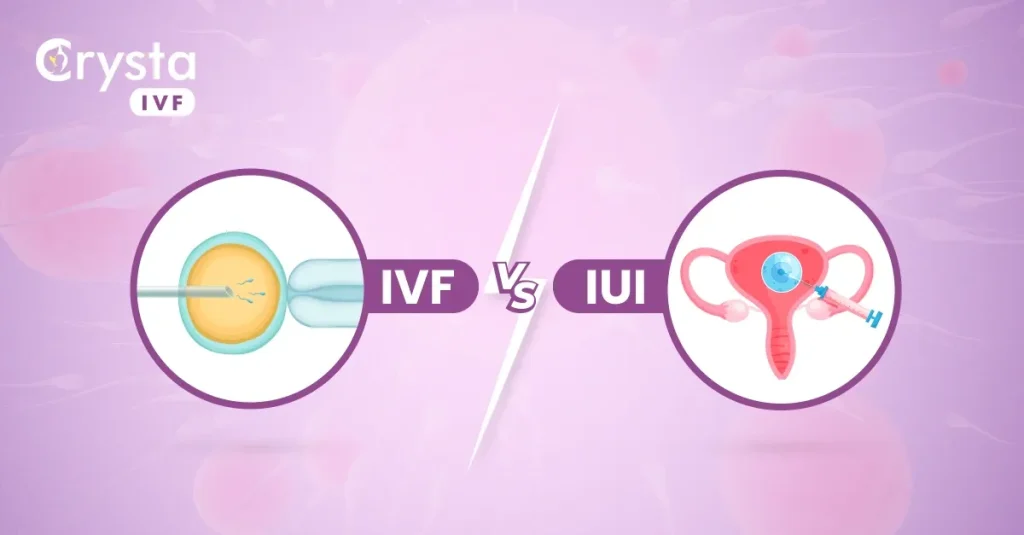
Intrauterine insemination (IUI) and intracervical insemination (ICI) are two of the most common fertility treatments used to help couples conceive. These procedures involve inserting sperm directly into the woman’s uterus or cervix, respectively, in order to increase the chances of fertilization. However, the success of these procedures can be greatly influenced by the use of medications. In this blog post, we will discuss the role of medications in IUI and ICI, and how they can improve the success rates of these procedures.
The Role of Medications in Intrauterine Insemination (IUI)
IUI is a fertility treatment where sperm is inserted directly into the woman’s uterus during the time of ovulation. This procedure is often combined with fertility medications to stimulate the ovaries and increase the number of mature eggs produced. The most commonly used medication in IUI is clomiphene citrate (Clomid), which is an oral medication that helps to stimulate ovulation.
Clomid works by blocking the effects of estrogen in the body, which leads to an increase in follicle-stimulating hormone (FSH) and luteinizing hormone (LH). These hormones are responsible for the growth and development of follicles in the ovaries. By stimulating the ovaries to produce more eggs, Clomid increases the chances of a successful fertilization during IUI.
Other medications that may be used in conjunction with Clomid in IUI include gonadotropins, which are injectable hormones that also stimulate the ovaries to produce multiple eggs. These medications are often used in cases where Clomid alone is not effective in stimulating ovulation.
The Role of Medications in Intracervical Insemination (ICI)
ICI is a less invasive fertility treatment compared to IUI, as it involves placing sperm into the cervix rather than the uterus. This procedure is often used for couples who have unexplained infertility or for women with cervical issues that make it difficult for sperm to reach the uterus. While ICI does not require the use of fertility medications, they can still play a role in improving the success rates of this procedure.
One medication that is commonly used in ICI is a cervical mucus enhancer. This type of medication helps to improve the quality and quantity of cervical mucus, which is essential for sperm to survive and swim towards the egg. Without enough cervical mucus, the sperm may not be able to reach the egg, leading to a lower chance of fertilization.
Another medication that may be used in ICI is a sperm wash solution. This solution helps to separate healthy and motile sperm from other components of the semen, such as dead sperm and debris. By using a sperm wash, the chances of fertilization are increased as only the healthiest sperm are used for insemination.
The Role of Medications: Intrauterine Insemination vs Intracervical Insemination
Which Medications Are Right for You?
The type of medication used in IUI or ICI will depend on various factors, including the cause of infertility, the woman’s age, and overall health. It is important to consult with a fertility specialist to determine the best course of treatment and medication for your individual situation.
In some cases, a combination of medications may be recommended to increase the chances of a successful pregnancy. For example, a woman may be prescribed Clomid to stimulate ovulation, while also using a cervical mucus enhancer during an ICI procedure. Your doctor will work with you to create a personalized treatment plan that is tailored to your needs.
Other Factors Affecting the Success of IUI and ICI
While medications play a significant role in the success of IUI and ICI, there are other factors that can also impact the outcomes of these procedures. These include:
– Age: As a woman gets older, her fertility declines, making it more difficult to conceive. This is why it is important to seek fertility treatment as soon as possible if you are struggling to get pregnant.
– Sperm Quality: The quality of sperm used in IUI and ICI is crucial for fertilization to occur. If a man has low sperm count or poor sperm motility, it can decrease the chances of a successful pregnancy.
– Underlying Health Conditions: Certain medical conditions such as endometriosis or polycystic ovary syndrome (PCOS) can affect fertility. Treating these conditions can improve the success rates of IUI and ICI.
Summarizing the Role of Medications in IUI and ICI
Intrauterine insemination (IUI) and intracervical insemination (ICI) are two common fertility treatments that involve inserting sperm directly into the woman’s uterus or cervix, respectively. These procedures can be greatly enhanced by the use of medications, which can stimulate ovulation, improve cervical mucus quality, and increase the chances of fertilization. Working with a fertility specialist to determine the right medication and treatment plan for your individual needs is crucial for a successful pregnancy.