Blog Post:
When it comes to assisted reproductive techniques, intrauterine insemination (IUI) and intracervical insemination (ICI) are two commonly used methods. Both procedures involve the insertion of sperm into the woman’s reproductive tract, but they differ in the location of the sperm placement. In this blog post, we will explore the success rates of IUI and ICI and how they compare to each other.
Intrauterine Insemination (IUI):
IUI is a fertility treatment where washed and concentrated sperm is directly injected into the uterus through a thin catheter. This procedure is typically performed around the time of ovulation, which is when the egg is released from the ovary and is most likely to be fertilized. IUI can be performed using the woman’s natural cycle or can be combined with ovulation induction medications to increase the chances of success.
Success Rates:
The success rates of IUI can vary depending on various factors such as the age of the woman, the quality of sperm, and any underlying fertility issues. On average, the success rate of IUI in achieving pregnancy is around 10-20% per cycle. However, this rate can increase up to 60% when combined with ovulation induction medications.
Benefits of IUI:
IUI has several benefits, including being a less invasive and less expensive procedure compared to other assisted reproductive techniques such as in vitro fertilization (IVF). It also allows for the use of a partner’s sperm or donor sperm and can be an excellent option for couples with unexplained infertility or mild male factor infertility.
Intracervical Insemination (ICI):
Intracervical insemination, also known as artificial insemination, is a procedure that involves inserting washed and concentrated sperm into the cervix using a syringe. Unlike IUI, ICI does not require a catheter and is typically done at home by the couple. The procedure can be performed at the time of ovulation or using an ovulation predictor kit.
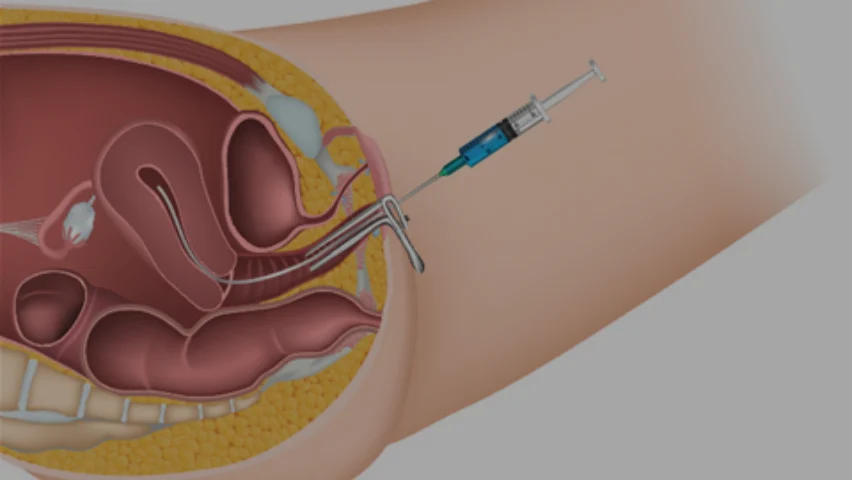
The Success Rates: Intrauterine Insemination vs Intracervical Insemination
Success Rates:
The success rates of ICI are slightly lower than IUI, with an average success rate of 10-15% per cycle. This is because the sperm has to travel a longer distance to reach the egg, increasing the likelihood of it not fertilizing the egg. However, like IUI, the success rates can increase when combined with ovulation induction medications.
Benefits of ICI:
The main advantage of ICI is its convenience and low cost. Since it can be done at home, couples can save on the cost of multiple visits to a fertility clinic. It also allows for the use of a partner’s sperm, giving couples more control over the process.
Factors Affecting Success Rates:
Both IUI and ICI have similar success rates, but there are certain factors that can affect the chances of success in either procedure. These include the age of the woman, the quality of sperm, and any underlying fertility issues. It is essential to consult with a fertility specialist to determine the best course of treatment based on individual circumstances.
In Conclusion:
Intrauterine insemination and intracervical insemination are two widely used assisted reproductive techniques with similar success rates. While IUI may have a slightly higher success rate, ICI offers convenience and affordability. Ultimately, the success of either procedure depends on individual factors, and consulting with a fertility specialist is crucial in determining the best treatment option.
Summary:
Intrauterine insemination (IUI) and intracervical insemination (ICI) are two common assisted reproductive techniques that involve placing sperm into the woman’s reproductive tract. IUI is performed by a fertility specialist and has a success rate of 10-20% per cycle, while ICI can be done at home and has a success rate of 10-15% per cycle. Factors affecting success rates include the age of the woman, quality of sperm, and underlying fertility issues. Both procedures have their advantages and consulting with a fertility specialist is essential in determining the best treatment option.