Intrauterine Insemination vs Intracervical Insemination: A Patient’s Guide
When it comes to fertility treatments, there are many options available for couples struggling to conceive. Two commonly used methods are intrauterine insemination (IUI) and intracervical insemination (ICI). While both procedures involve the placement of sperm into the female reproductive tract, there are some key differences between the two. In this blog post, we will provide a comprehensive guide for patients to understand the differences between intrauterine insemination and intracervical insemination, including the process, success rates, and potential risks.
What is Intrauterine Insemination (IUI)?
Intrauterine insemination, also known as artificial insemination, is a fertility treatment that involves placing sperm directly into the uterus. The process is typically done around the time of ovulation to increase the chances of fertilization.
The IUI process starts with the collection and preparation of sperm. The sperm is washed and concentrated to remove any unnecessary fluids. The sperm is then placed into a catheter, a thin tube-like instrument, which is inserted through the cervix and into the uterus. This process is typically painless and does not require anesthesia.
What is Intracervical Insemination (ICI)?
Intracervical insemination, also known as cervical insemination, is another method of artificial insemination. Similar to IUI, the process involves placing sperm into the female reproductive tract. However, unlike IUI, the sperm is placed at the opening of the cervix, rather than directly into the uterus.
The ICI process starts with the collection and preparation of sperm, similar to IUI. The sperm is then placed into a syringe and inserted into the cervix, either by a healthcare professional or self-administered at home. This method is also painless and does not require anesthesia.
Success Rates of IUI and ICI
The success rates of IUI and ICI vary depending on various factors, such as age, fertility issues, and the quality of the sperm. Generally, IUI has a higher success rate compared to ICI. According to the American Pregnancy Association, the success rate for IUI ranges from 10-20% per cycle, while the success rate for ICI is around 10%.
Factors that can affect the success rates of both procedures include the woman’s age, ovulation timing, and the quality of the sperm. For example, the chances of success are higher for women under 35 years old and those with normal ovulation. It is essential to discuss these factors with a fertility specialist to determine the best course of treatment.
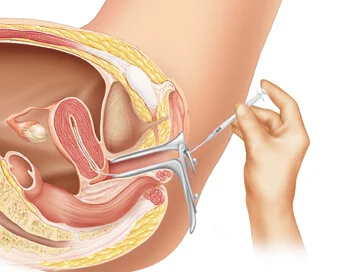
Intrauterine Insemination vs Intracervical Insemination: A Patient's Guide
Risks and Side Effects of IUI and ICI
Both IUI and ICI are generally safe procedures with minimal risks. However, as with any medical procedure, there are potential side effects that patients should be aware of.
The main risk associated with IUI and ICI is the potential for infection. This risk is low but can increase if the patient has a history of pelvic inflammatory disease or other reproductive tract infections. To reduce this risk, it is essential to follow the recommended hygiene practices and adhere to any medication prescribed by the healthcare provider.
Another potential side effect of IUI and ICI is discomfort or cramping during or after the procedure. This is usually mild and can be managed with over-the-counter pain medication.
In rare cases, there may be an allergic reaction to the sperm or the catheter used in the IUI procedure. If you experience severe pain, swelling, or difficulty breathing, seek medical attention immediately.
Which Procedure is Right for You?
The decision between IUI and ICI ultimately depends on various factors, including the patient’s age, fertility issues, and personal preferences. IUI is generally recommended for women with ovulation issues or infertility caused by cervical mucus problems. On the other hand, ICI may be a better option for women with unexplained infertility or those who prefer to perform the procedure at home.
It is crucial to discuss your options with a fertility specialist to determine the best course of treatment for your specific situation. They will be able to evaluate your medical history and provide personalized recommendations.
In conclusion, both IUI and ICI are effective fertility treatments that can help couples achieve their dream of starting a family. While there are some key differences between the two procedures, the ultimate goal is the same: to increase the chances of fertilization and pregnancy. By understanding the process, success rates, and potential risks, patients can make an informed decision with their healthcare provider to determine which procedure is right for them.
Summary:
Intrauterine insemination (IUI) and intracervical insemination (ICI) are two commonly used methods of artificial insemination for fertility treatments. IUI involves placing sperm directly into the uterus, while ICI involves placing sperm at the opening of the cervix. IUI has a higher success rate compared to ICI, and both procedures have minimal risks and side effects. The choice between the two procedures depends on various factors, and it is essential to discuss options with a fertility specialist for personalized recommendations.