Intrauterine Insemination vs Intracervical Insemination: Understanding the Risks
When it comes to fertility treatments, there are a variety of options available to couples struggling to conceive. Intrauterine insemination (IUI) and intracervical insemination (ICI) are two commonly used methods that involve placing sperm directly into the uterus or cervix, respectively. While these procedures may seem similar, there are important differences to consider, particularly when it comes to the risks involved. In this blog post, we will explore the risks associated with IUI and ICI, helping you to better understand which option may be right for you.
Understanding Intrauterine Insemination (IUI)
IUI involves placing washed and concentrated sperm directly into the uterus using a catheter. This procedure is typically performed around the time of ovulation to increase the chances of fertilization. IUI is often recommended for couples who have been trying to conceive for at least a year, or for those who have certain fertility issues such as low sperm count or cervical mucus problems.
One of the main risks associated with IUI is the potential for multiple pregnancies. Since the procedure involves placing a higher concentration of sperm into the uterus, there is a higher chance of multiple eggs being fertilized. This can result in a higher risk of complications during pregnancy, such as preterm labor or low birth weight. It is important for couples undergoing IUI to discuss this risk with their doctor and consider the potential impact on their family planning.
Another potential risk of IUI is the risk of infection. Since the procedure involves inserting a catheter into the uterus, there is a small chance of introducing bacteria into the reproductive system. This risk is minimized by ensuring the sperm is properly washed and sterilized before the procedure, as well as taking precautions to prevent any contamination during the procedure. However, it is still important to be aware of this potential risk and to report any symptoms of infection to your doctor immediately.
Understanding Intracervical Insemination (ICI)
ICI, also known as artificial insemination, involves placing sperm into the cervix using a syringe or soft catheter. This procedure is often recommended for couples who have unexplained infertility or for same-sex couples using a sperm donor. Unlike IUI, ICI does not require the sperm to be washed and concentrated, making it a more cost-effective option for some couples.
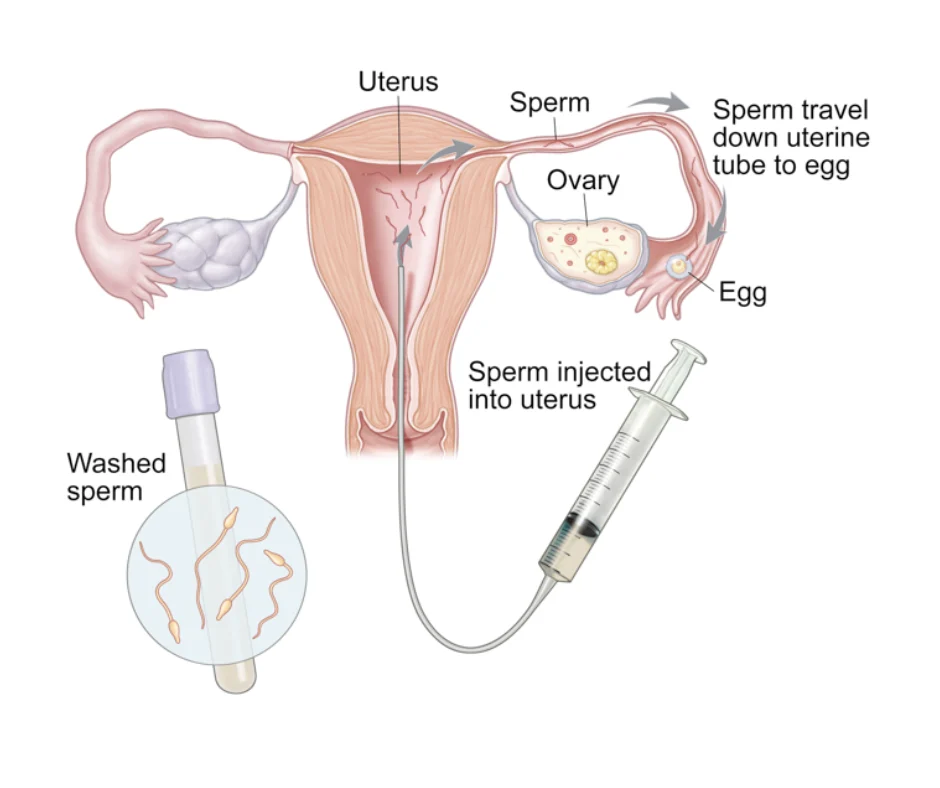
Intrauterine Insemination vs Intracervical Insemination: Understanding the Risks
One of the main risks associated with ICI is the potential for sperm to be introduced into the vaginal canal. This can increase the risk of infection, particularly if the sperm is not properly screened and sterilized. It is important for couples considering ICI to thoroughly research their sperm donor and ensure that all necessary precautions are taken to minimize the risk of infection.
Another potential risk of ICI is the lower success rates compared to IUI. Since the sperm is not placed directly into the uterus, there is a lower chance of fertilization occurring. This may require multiple attempts at the procedure, which can be emotionally and financially taxing for couples. It is important to discuss the potential success rates with your doctor and understand the potential impact on your fertility journey.
Which Option is Right for You?
When considering the risks of IUI and ICI, it is important to also consider your individual fertility needs and goals. While IUI may have a higher risk of multiple pregnancies, it also has a higher success rate compared to ICI. Additionally, some couples may feel more comfortable with the idea of placing sperm directly into the uterus rather than the cervix. On the other hand, ICI may be a more affordable and accessible option for some couples.
It is also important to note that both IUI and ICI carry a small risk of side effects, such as cramping and spotting, that are common with any medical procedure. However, these risks are usually mild and temporary.
In conclusion, both IUI and ICI are viable options for couples struggling with fertility. While there are risks associated with each procedure, it is important to discuss these risks with your doctor and make an informed decision based on your individual circumstances. By understanding the potential risks and benefits of each option, you can make the best decision for your fertility journey.
Summary:
Intrauterine insemination (IUI) and intracervical insemination (ICI) are two fertility treatments that involve placing sperm directly into the uterus or cervix, respectively. While these procedures may seem similar, there are important differences to consider, particularly when it comes to the risks involved. IUI may have a higher risk of multiple pregnancies and infection, while ICI may have lower success rates and a risk of sperm entering the vaginal canal. It is important to discuss these risks with your doctor and make an informed decision based on your individual fertility needs.