Intrauterine Insemination vs Timed Intercourse: The Importance of Monitoring and Timing for Success
When it comes to trying to conceive, there are various methods available for couples struggling to get pregnant. Two commonly used methods are intrauterine insemination (IUI) and timed intercourse. Both of these methods involve the use of fertility treatments, but they differ in the way they are performed. In this blog post, we will dive into the differences between IUI and timed intercourse and explore the crucial role that monitoring and timing play in the success of these methods.
What is Intrauterine Insemination (IUI)?
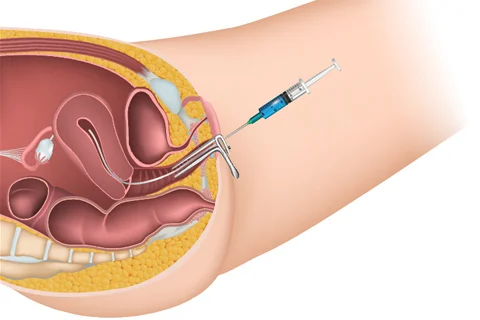
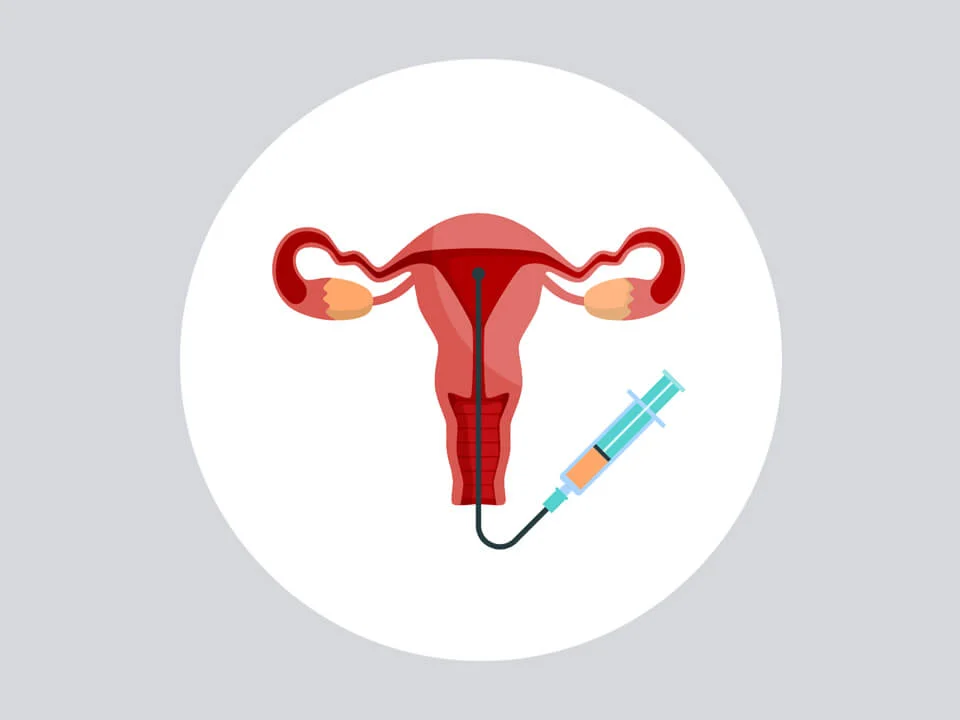
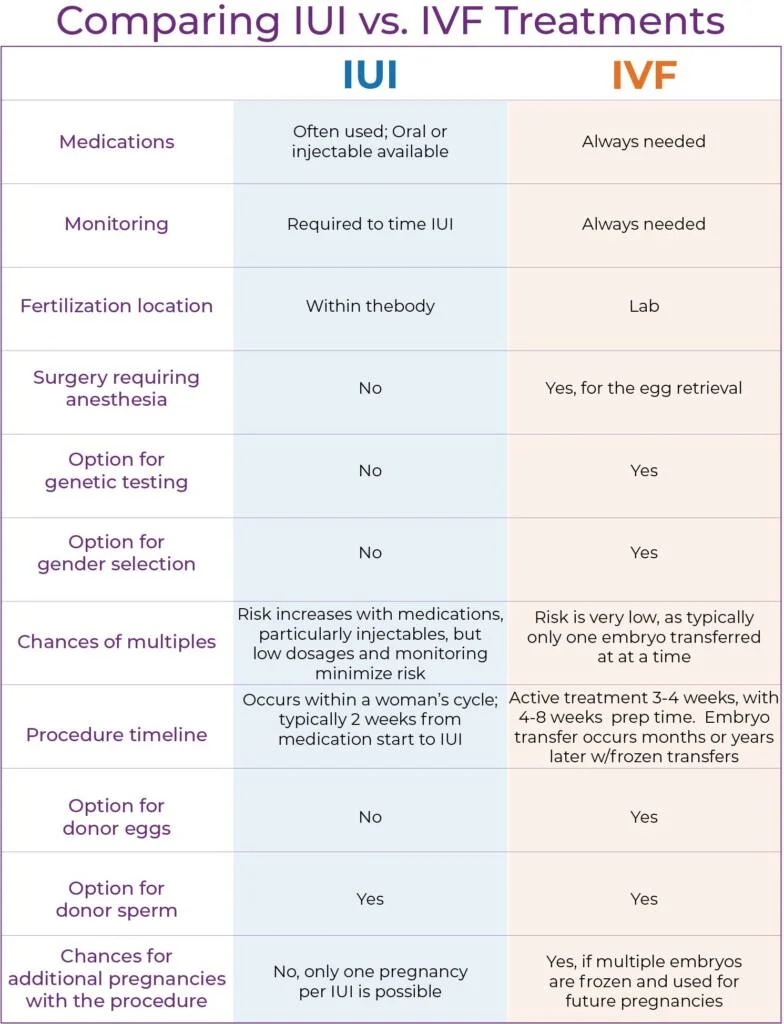
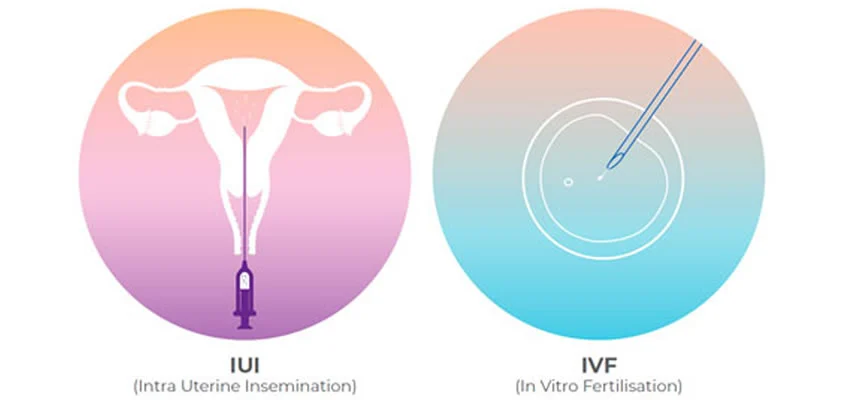
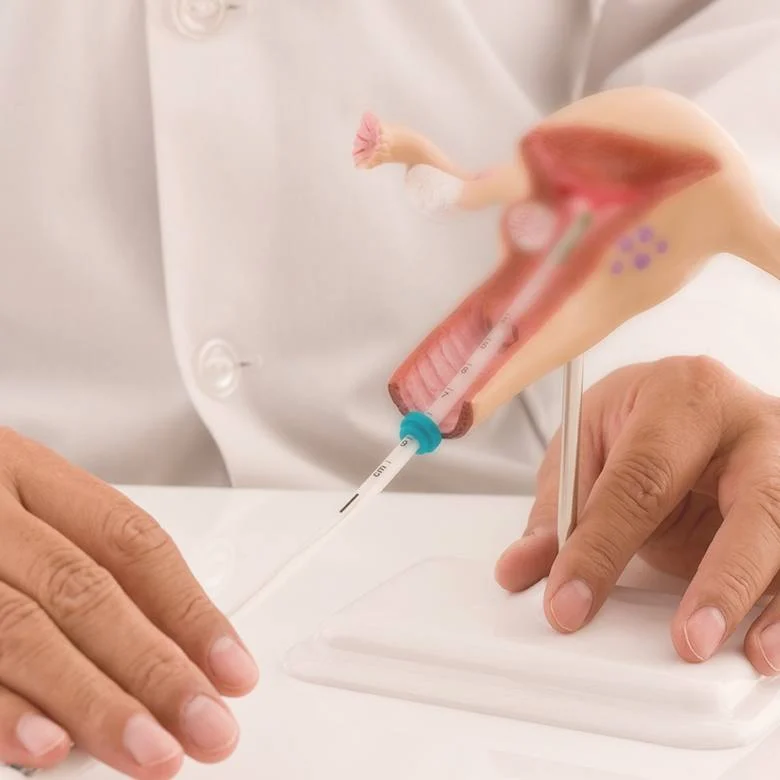
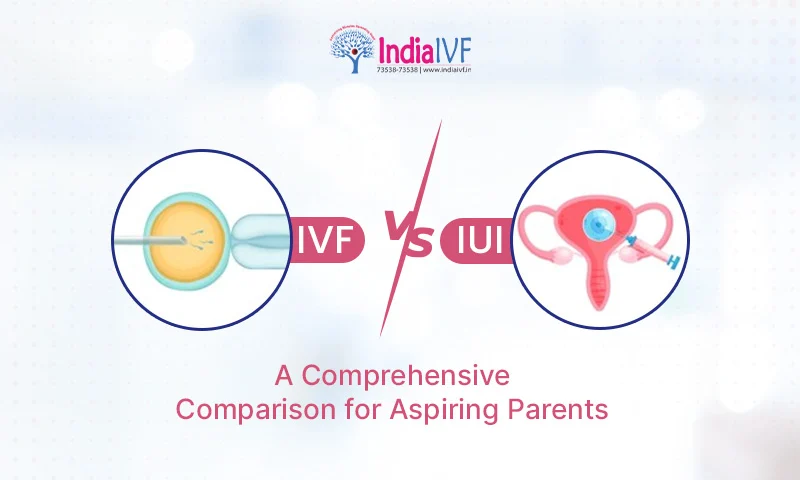
Intrauterine insemination, also known as artificial insemination, is a fertility treatment that involves placing washed and concentrated sperm directly into the woman’s uterus. This procedure is usually performed around the time of ovulation to increase the chances of fertilization. IUI can be done with either a partner’s sperm or a donor’s sperm.
What is Timed Intercourse?
Timed intercourse, on the other hand, is a method where couples are advised to have sex during the woman’s most fertile days. This is usually determined by tracking ovulation through methods such as ovulation predictor kits, basal body temperature charting, and cervical mucus monitoring. The goal of timed intercourse is to have sperm available in the reproductive tract at the time of ovulation to increase the chances of fertilization.
The Importance of Monitoring
Regardless of which method a couple chooses, monitoring plays a crucial role in determining the success of the treatment. Monitoring involves tracking ovulation and the growth of follicles (the structures in the ovaries that contain eggs). This can be done through blood tests and ultrasound scans.
For IUI, monitoring is essential to determine the optimal time for the procedure. Ovulation can be triggered using medication to ensure that the insemination is done at the most fertile time. Monitoring also helps to ensure that the woman does not have multiple eggs released, which could result in a high-risk pregnancy.
In the case of timed intercourse, monitoring is equally important. By tracking ovulation, couples can time intercourse correctly to increase the chances of fertilization. Additionally, monitoring can help identify any potential issues that may be affecting a woman’s ovulation, such as hormonal imbalances or irregular cycles.
The Role of Timing
Intrauterine Insemination vs Timed Intercourse: The Importance of Monitoring and Timing for Success
Timing is crucial in both IUI and timed intercourse. In IUI, the timing of the procedure is crucial to ensure that the sperm is in the reproductive tract at the time of ovulation. If the timing is off, the sperm may not be able to reach the egg, resulting in a failed insemination.
Similarly, in timed intercourse, timing is essential to ensure that the sperm is present in the reproductive tract when the egg is released. If the timing is off, the sperm may not be able to reach the egg, decreasing the chances of fertilization.
Factors Affecting Timing and Success
Many factors can affect the timing and success of both IUI and timed intercourse. These include:
1. Ovulation disorders: Women with ovulation disorders may have difficulty predicting when they will ovulate, making it challenging to time intercourse or IUI correctly.
2. Age: As women age, their ovarian reserve (the number of eggs in the ovaries) decreases, making it more challenging to predict ovulation accurately.
3. Sperm quality: Poor sperm quality can affect the success of both IUI and timed intercourse. In IUI, the sperm is washed and concentrated, so the quality is less critical. However, in timed intercourse, the sperm must be able to reach and fertilize the egg on its own.
4. Underlying health conditions: Certain health conditions, such as polycystic ovary syndrome (PCOS) and endometriosis, can affect ovulation and decrease the chances of success for both IUI and timed intercourse.
5. Lifestyle factors: Factors such as smoking, excessive alcohol consumption, and obesity can also impact a couple’s ability to conceive. These factors can affect ovulation and sperm quality, making it harder to time intercourse or IUI correctly.
In conclusion, IUI and timed intercourse are two commonly used methods for couples trying to conceive. Both methods rely on monitoring and timing to increase the chances of success. It is crucial for couples to work closely with their fertility specialist to determine the best approach for their specific situation and to ensure that they are monitoring and timing correctly.
SEO Metadata: