Navigating Your Options: Intrauterine Insemination vs Timed Intercourse for Fertility Treatment
For many couples struggling with infertility, finding the right fertility treatment can be a daunting and overwhelming task. With so many options available, it can be difficult to know which one is the best for your specific situation. In this blog post, we will be exploring two common fertility treatments – intrauterine insemination (IUI) and timed intercourse – and providing information to help you make an informed decision.
What is Intrauterine Insemination (IUI)?
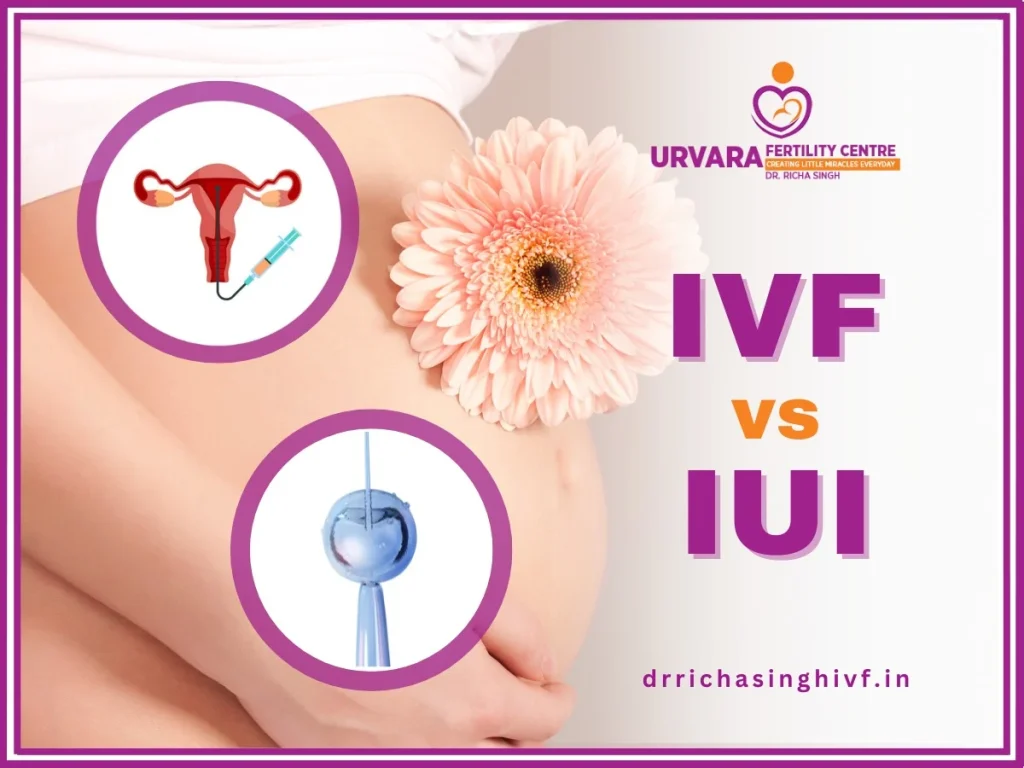
Intrauterine insemination (IUI) is a fertility treatment that involves placing sperm directly into a woman’s uterus during ovulation. This procedure is typically used for couples with unexplained infertility, mild male factor infertility, or cervical issues. IUI can also be used for couples using donor sperm or for same-sex couples.
The process of IUI involves the following steps:
1. Ovarian Stimulation – Before the procedure, the woman may be given fertility medications to stimulate the growth and release of multiple eggs.
2. Sperm Collection and Preparation – The male partner’s semen sample will be collected and processed in the lab to separate the highly motile and healthy sperm from the semen.
3. Insemination – The concentrated sperm is then placed directly into the woman’s uterus using a thin catheter.
4. Post-Procedure – After the procedure, the woman may be advised to rest for a short period of time before resuming normal activities.
What is Timed Intercourse?
Timed intercourse, also known as timed intercourse cycle, is a fertility treatment that involves tracking a woman’s ovulation and having timed sexual intercourse to increase the chances of conception. This method is typically used for couples with unexplained infertility, mild male factor infertility, and hormonal imbalances.
The process of timed intercourse involves the following steps:
Navigating Your Options: Intrauterine Insemination vs Timed Intercourse for Fertility Treatment
1. Tracking Ovulation – The woman will track her ovulation using methods like basal body temperature charting, ovulation predictor kits, or ultrasound monitoring.
2. Timing Intercourse – Once ovulation is detected, the couple will have timed sexual intercourse during the woman’s fertile window.
3. Post-Intercourse – After intercourse, the woman may be advised to remain lying down for a short period of time to allow the sperm to travel to the fallopian tubes.
Benefits and Drawbacks of IUI and Timed Intercourse
Both IUI and timed intercourse have their own set of benefits and drawbacks. One of the main benefits of IUI is that it delivers sperm directly into the uterus, increasing the chances of fertilization. It can also be a less invasive and less expensive option compared to other fertility treatments. However, the success rates of IUI can vary and it may not be effective for certain types of infertility.
On the other hand, timed intercourse can be a more natural and affordable option for couples. It also allows for more intimate and spontaneous conception. However, the success rates of timed intercourse may also vary and it may not be suitable for couples with more complex fertility issues.
Which One is Right for You?
When deciding between IUI and timed intercourse, it is important to consider your specific situation, medical history, and any underlying fertility issues. It is also crucial to consult with a fertility specialist who can provide personalized recommendations based on your individual needs.
In general, IUI may be more suitable for couples with ovulation issues or mild male factor infertility, while timed intercourse may be recommended for those with unexplained infertility or hormonal imbalances.
In some cases, your fertility specialist may also recommend a combination of both IUI and timed intercourse to increase the chances of conception.
Summary:
– Intrauterine insemination (IUI) is a fertility treatment that involves placing sperm directly into a woman’s uterus during ovulation.
– Timed intercourse involves tracking a woman’s ovulation and having timed sexual intercourse to increase the chances of conception.
– IUI may be more suitable for couples with ovulation issues or mild male factor infertility, while timed intercourse may be recommended for those with unexplained infertility or hormonal imbalances.
– It is important to consult with a fertility specialist to determine the best treatment option for your specific situation.