Blog Post:
Intrauterine insemination (IUI) and timed intercourse (TI) are two common fertility treatments used by couples struggling to conceive. Both methods aim to increase the chances of fertilization by ensuring that sperm is present in the uterus during ovulation. However, there are some key differences between the two procedures, including the potential risks and side effects. In this blog post, we will explore the differences between IUI and TI and discuss the potential risks and side effects associated with each.
What is Intrauterine Insemination (IUI)?
IUI is a fertility treatment that involves placing washed and concentrated sperm directly into the uterus using a thin catheter. This procedure is typically performed around the time of ovulation, which is determined through tracking ovulation with ultrasound or ovulation predictor kits.
What is Timed Intercourse (TI)?
TI, also known as “natural cycle timed intercourse,” involves having timed sexual intercourse during the woman’s fertile window. This is typically determined by tracking ovulation with ultrasound or ovulation predictor kits.
Differences between IUI and TI:
1. Medical Intervention: The most significant difference between IUI and TI is the level of medical intervention. IUI involves a medical procedure where the sperm is placed directly into the uterus, while TI relies on natural conception through timed intercourse.
2. Timing: IUI must be performed around the time of ovulation, which is determined through ultrasounds and ovulation predictor kits. On the other hand, TI involves timed intercourse during the fertile window, which may vary from month to month.
3. Sperm Preparation: For IUI, sperm is washed and concentrated before being placed into the uterus, increasing the chances of fertilization. In TI, sperm is not prepared and relies solely on natural conception.
Potential Risks and Side Effects of IUI:
1. Multiple Pregnancies: One of the most significant risks of IUI is the potential for multiple pregnancies. Since multiple eggs may be released during ovulation, there is a higher chance of conceiving twins or triplets with IUI.
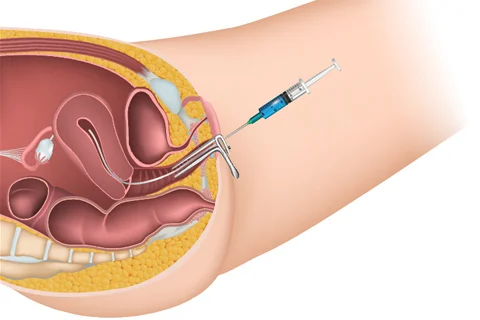
Intrauterine Insemination vs Timed Intercourse: Understanding the Potential Risks and Side Effects
2. Infection: As with any medical procedure, there is a risk of infection with IUI. The use of a catheter to place the sperm into the uterus can introduce bacteria into the reproductive tract, leading to infection.
3. Ovarian Hyperstimulation Syndrome (OHSS): OHSS is a rare but potentially severe side effect of IUI. It occurs when the body produces too many eggs in response to fertility medications, leading to enlarged ovaries and fluid buildup in the abdomen.
4. Cramping and Spotting: Some women may experience mild cramping or spotting after IUI, which is a common side effect of the procedure. However, if these symptoms are severe or persistent, it is essential to consult a doctor.
Potential Risks and Side Effects of TI:
1. Lower Success Rates: Since TI relies on natural conception, the chances of getting pregnant are lower compared to IUI. This is because the sperm must travel through the cervix, uterus, and fallopian tubes to reach the egg, which can be challenging for some sperm.
2. Stress and Pressure: The pressure to have timed intercourse during the fertile window can add stress to the already emotional journey of trying to conceive. This may lead to feelings of disappointment if conception does not occur.
3. Ovulation Disorders: While TI is a less invasive option compared to IUI, it may not be suitable for women with ovulation disorders. If a woman is not ovulating regularly, timed intercourse may not be effective in achieving pregnancy.
4. Sexual Dysfunction: For some couples, the pressure of timed intercourse may lead to sexual dysfunction, making it challenging to engage in sexual intercourse during the fertile window.
Summary:
In summary, both IUI and TI are fertility treatments that aim to increase the chances of conception by ensuring sperm is present in the uterus during ovulation. However, there are some key differences between the two procedures, including the level of medical intervention and the potential risks and side effects.
IUI involves a medical procedure where sperm is placed directly into the uterus, increasing the chances of fertilization. However, it also carries a higher risk of multiple pregnancies, infection, and OHSS. On the other hand, TI relies on natural conception through timed sexual intercourse, but it may not be suitable for women with ovulation disorders and can add stress and pressure to the process.
Ultimately, the choice between IUI and TI depends on individual circumstances and should be discussed with a doctor. Both treatments have the potential to help couples achieve their dream of having a child, but it is essential to understand the potential risks and side effects before making a decision.