Blog Post: IUI or Timed Intercourse: Which Method Gives You Better Control Over Conception?
For couples struggling with infertility, the journey to starting a family can be filled with many uncertainties and challenges. One of the biggest decisions they face is which fertility treatment method to choose. Intrauterine insemination (IUI) and timed intercourse are two common options, and both have their own benefits and drawbacks. But which method gives you better control over conception? Let’s take a closer look at these two methods to help you make an informed decision.
IUI, also known as artificial insemination, involves placing sperm inside a woman’s uterus to increase the chances of fertilization. This procedure is often recommended for couples with unexplained infertility, mild male factor infertility, or cervical factor infertility. The process begins with the female partner taking fertility drugs to stimulate the ovaries and produce more eggs. Then, a semen sample is collected from the male partner and washed to remove any impurities. The washed sperm is then inserted into the uterus using a thin catheter, which is done during the woman’s ovulation period.
On the other hand, timed intercourse is a more traditional method of trying to conceive, where couples have sex during the woman’s fertile window. This typically involves tracking ovulation using methods such as basal body temperature charting, ovulation predictor kits, or monitoring cervical mucus changes. Once the woman’s body signals that ovulation is about to occur, the couple engages in intercourse to increase the chances of fertilization.
So, which method gives you better control over conception? It ultimately depends on the individual couple’s situation and preferences. Let’s explore the pros and cons of each method to help you decide.
IUI Pros:
1. Increased Sperm Count: By washing the sperm before insemination, the concentration of healthy sperm is increased, giving it a better chance of reaching the egg.
2. Controlled Timing: With IUI, the timing of insemination is controlled and precise, increasing the chances of successful fertilization.
3. Overcoming Male Infertility Issues: IUI can be a suitable option for couples with mild male factor infertility, as the sperm is placed directly into the uterus, bypassing any potential barriers.
4. Less Invasive: Compared to other fertility treatments such as IVF, IUI is a less invasive option and can be done in the doctor’s office without the need for anesthesia.
IUI Cons:
1. Lower Success Rates: The success rates of IUI are lower than other fertility treatments, with a success rate of around 10-20% per cycle.
2. Multiple Births: IUI can increase the chances of multiple births, which can be a concern for some couples.
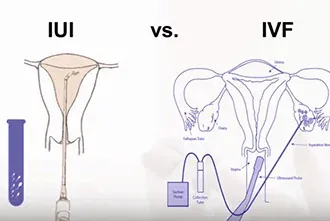
IUI or Timed Intercourse: Which Method Gives You Better Control Over Conception?
3. Cost: While IUI is generally less expensive than other fertility treatments, it can still be a significant expense for couples, especially if multiple cycles are needed.
Timed Intercourse Pros:
1. Natural: Timed intercourse is a natural way of trying to conceive without the use of fertility drugs or medical procedures.
2. Cost-Effective: Compared to other fertility treatments, timed intercourse is a more affordable option.
3. Increased Intimacy: For some couples, timed intercourse can be a more intimate and enjoyable way of trying to conceive, rather than the clinical procedures of IUI.
4. No Risk of Multiple Births: Unlike IUI and other fertility treatments, timed intercourse does not increase the chances of multiple births.
Timed Intercourse Cons:
1. Lack of Control: Timing intercourse can be challenging, and there is no guarantee that the sperm and egg will meet during the woman’s fertile window.
2. Ovulation Prediction: Predicting ovulation can be tricky, and it may take several cycles to pinpoint the most fertile days accurately.
3. Stress: For some couples, the pressure to have intercourse during a specific time frame can cause stress and affect their relationship.
4. Male Infertility Limitations: Timed intercourse may not be a suitable option for couples with severe male factor infertility, as it relies on the man’s sperm to reach the egg.
In summary, both IUI and timed intercourse have their own advantages and disadvantages. IUI offers controlled timing and increased sperm count, but the success rates may be lower, and the procedure can be more invasive and costly. Timed intercourse is a natural and less expensive option, but it relies on predicting ovulation and may not be suitable for couples with severe male factor infertility. Ultimately, the decision between IUI and timed intercourse comes down to personal preferences and the individual couple’s situation. Consulting with a fertility specialist can help determine the best option for you.
In conclusion, the journey to conception can be a challenging and emotional one for couples struggling with infertility. Choosing the right fertility treatment method is a crucial decision that can greatly impact the chances of starting a family. By understanding the pros and cons of both IUI and timed intercourse, couples can make an informed decision that best suits their needs and increases their chances of conceiving.