Breaking Down the Differences: Intrauterine Insemination vs Timed Intercourse
Couples who are struggling with infertility often turn to assisted reproductive technologies to help them conceive. Two common methods are intrauterine insemination (IUI) and timed intercourse. While both have the same goal of increasing the chances of pregnancy, they differ in their processes and success rates. In this blog post, we will break down the differences between intrauterine insemination and timed intercourse to help couples make an informed decision about which method is right for them.
What is Intrauterine Insemination?
Intrauterine insemination, also known as artificial insemination, is a fertility treatment where sperm is placed directly into the uterus during the woman’s ovulation cycle. The process involves washing and preparing the sperm to increase its concentration and then placing it through the cervix into the uterus using a catheter. This method is often recommended for couples who have been trying to conceive for a year or more but have not been successful.
What is Timed Intercourse?
Timed intercourse, also known as the “natural” or “low-tech” method, involves having sexual intercourse during the woman’s ovulation period. This method relies on tracking the woman’s menstrual cycle and using ovulation predictor kits to determine the best time for conception. Unlike intrauterine insemination, timed intercourse does not involve any medical procedures or interventions.
Success Rates
One of the significant differences between intrauterine insemination and timed intercourse is their success rates. According to the American Society for Reproductive Medicine, the success rate of IUI is around 10-20% per cycle. However, this rate can vary depending on factors such as the woman’s age, sperm quality, and underlying fertility issues. On the other hand, timed intercourse has a lower success rate of around 5-10% per cycle. This is because the sperm has to travel a longer distance to reach the egg, increasing the chances of it not fertilizing the egg.
Cost
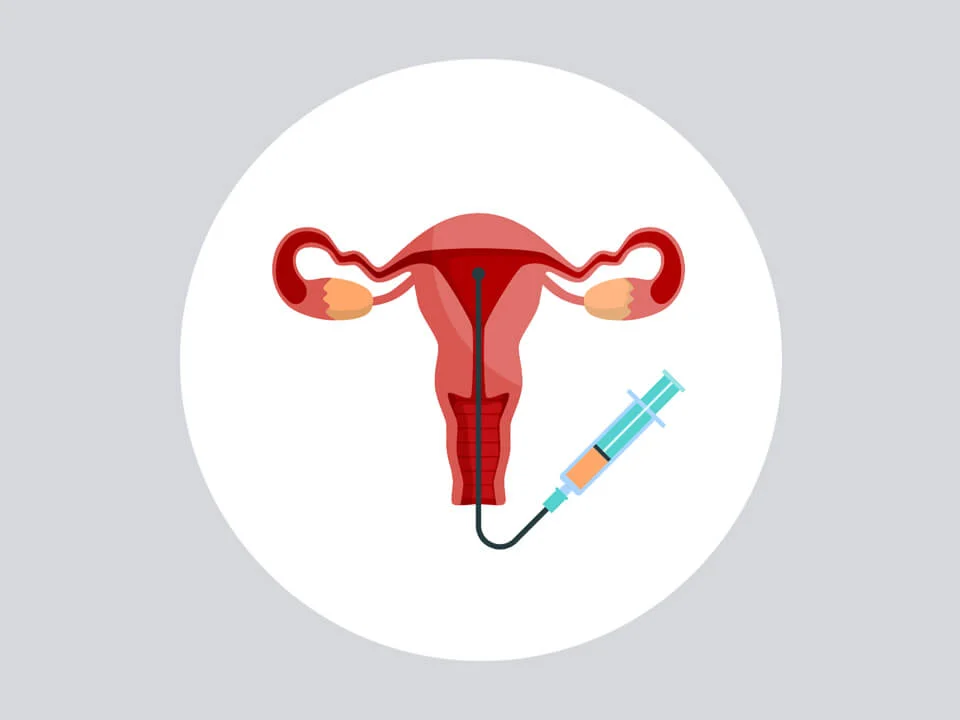
Breaking Down the Differences: Intrauterine Insemination vs Timed Intercourse
Another important factor to consider when choosing between intrauterine insemination and timed intercourse is the cost. Intrauterine insemination is a more expensive option as it involves medical procedures and sperm preparation. The cost can range from $500 to $4,000 per cycle, depending on the clinic and any additional treatments needed. In contrast, timed intercourse is a more affordable option as it does not involve any medical interventions. However, there may be additional costs for ovulation predictor kits or fertility monitoring.
When to Consider Intrauterine Insemination?
Intrauterine insemination is often recommended for couples who have been trying to conceive for a year or more with no success. It is also a suitable option for couples with male infertility issues, such as low sperm count or motility. Additionally, it may be recommended for women with irregular ovulation or cervical issues that may interfere with sperm reaching the egg.
When to Consider Timed Intercourse?
Timed intercourse is a less invasive option and may be a suitable choice for couples with unexplained infertility or couples who are not ready for more invasive treatments. It is also a good option for couples with regular ovulation cycles and no underlying fertility issues.
Which is the Right Choice?
The decision between intrauterine insemination and timed intercourse ultimately depends on the couple’s individual circumstances. Factors such as age, fertility issues, and budget should all be considered when making this decision. It is essential to consult with a fertility specialist to determine the best course of action for your specific situation.
In conclusion, both intrauterine insemination and timed intercourse are viable options for couples struggling with infertility. While IUI has a higher success rate, it is also a more expensive and invasive procedure. Timed intercourse, on the other hand, is a more affordable and natural option but has a lower success rate. Ultimately, the best choice will depend on individual circumstances and should be discussed with a fertility specialist.
Summary:
Intrauterine insemination and timed intercourse are two common methods used to assist with pregnancy for couples struggling with infertility. Intrauterine insemination involves placing prepared sperm directly into the uterus during ovulation, while timed intercourse relies on tracking the woman’s menstrual cycle and having intercourse during her ovulation period. Intrauterine insemination has a higher success rate but is more expensive and invasive, while timed intercourse is a more affordable and natural option with a lower success rate. The choice between the two methods depends on individual circumstances and should be discussed with a fertility specialist.