Conception is a complex process that occurs when a sperm fertilizes an egg, leading to the creation of a new life. Many factors can affect this process, including the timing of sexual intercourse and medical interventions such as intrauterine insemination (IUI). In this blog post, we will explore the role of timing in conception and compare two methods commonly used to optimize it: intrauterine insemination and timed intercourse.
Timing plays a crucial role in conception, as there is only a small window of opportunity each month for a woman to become pregnant. The woman’s menstrual cycle, which typically lasts 28 days, is divided into two phases: the follicular phase and the luteal phase. The follicular phase begins on the first day of menstruation and ends with ovulation, while the luteal phase begins after ovulation and ends with the start of the next period. Ovulation, the release of an egg from the ovary, usually occurs around day 14 of a 28-day cycle, but this can vary from woman to woman.
For conception to occur, sperm must be present in the reproductive tract at the time of ovulation. This is where timing becomes crucial. Sperm can survive in the female reproductive tract for up to five days, while an egg can only survive for 12-24 hours after ovulation. This means that the best time to have intercourse if you are trying to conceive naturally is a few days before ovulation and on the day of ovulation.
This brings us to our first method of optimizing timing for conception: timed intercourse. Timed intercourse involves tracking a woman’s menstrual cycle and having intercourse during the most fertile window, which is usually a few days before ovulation and on the day of ovulation. This method can be done at home and is relatively inexpensive, making it a popular choice for couples trying to conceive.
To determine the most fertile window, a woman can track her basal body temperature and cervical mucus, or use over-the-counter ovulation predictor kits. Basal body temperature (BBT) rises slightly after ovulation, indicating that ovulation has occurred. Cervical mucus also changes in consistency and color during the fertile window, becoming clear and stretchy. Ovulation predictor kits measure the level of luteinizing hormone (LH) in the urine, which surges just before ovulation.
One of the biggest advantages of timed intercourse is that it is a natural and non-invasive approach to conception. It also allows couples to have control over the timing of intercourse and can be easily incorporated into their daily routine. However, there are some limitations to this method. The timing of ovulation can vary from month to month, making it challenging to predict accurately. Also, factors such as stress, illness, or travel can affect a woman’s menstrual cycle, further complicating the timing of intercourse.
The Role of Timing in Conception: Intrauterine Insemination vs Timed Intercourse
Intrauterine insemination (IUI) is a medical intervention that can also be used to optimize the timing of conception. It involves placing washed and concentrated sperm directly into the uterus around the time of ovulation. This method bypasses the natural barriers of the cervix and increases the chances of sperm reaching and fertilizing the egg.
IUI is typically recommended for couples who have been trying to conceive for a year or longer without success, or for those who have certain fertility issues such as low sperm count or cervical mucus abnormalities. It can also be used for single women or same-sex couples who are looking to conceive with donor sperm.
The timing of IUI is crucial, and it is usually performed within a 24-36 hour window before or after ovulation. This is determined by monitoring a woman’s LH surge through urine or blood tests. The IUI procedure itself is relatively simple and painless, and the chances of conception are increased compared to timed intercourse.
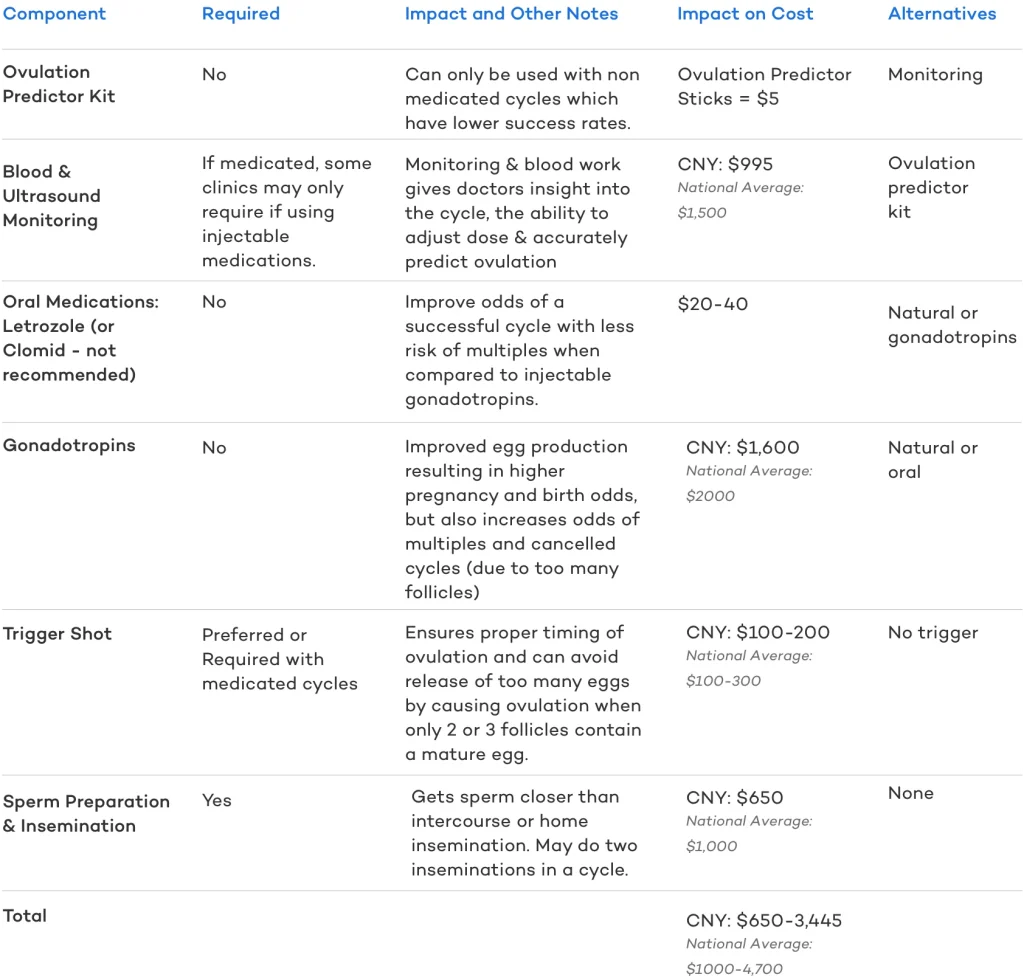
However, IUI does come with some potential downsides. It is a medical procedure that requires a doctor’s involvement, which can be costly and may not be covered by insurance. There is also a risk of multiple pregnancies, as more than one egg may be released during ovulation, and each egg can potentially be fertilized by different sperm. This can lead to a higher rate of multiple births, which can come with its own set of challenges.
In conclusion, both timed intercourse and intrauterine insemination can be effective methods of optimizing the timing of conception. Timed intercourse is a natural and non-invasive approach that can be easily incorporated into a couple’s routine, while IUI offers a higher chance of conception but comes with potential risks and costs. Ultimately, the choice between these two methods will depend on individual factors and preferences.
In summary, the timing of intercourse plays a crucial role in conception, and there are two commonly used methods to optimize it: timed intercourse and intrauterine insemination (IUI). Timed intercourse involves tracking a woman’s menstrual cycle and having intercourse during the most fertile window, while IUI involves placing washed and concentrated sperm directly into the uterus. Both methods have their pros and cons, and the choice between them will depend on individual factors and preferences.