Blog Post: Fertility Drugs vs. Natural Methods: The Financial Burden
When it comes to trying to conceive, many couples face challenges and obstacles along the way. For some, it may take months or even years to get pregnant. As a result, many turn to fertility treatments, such as fertility drugs and assisted reproductive technology, to increase their chances of conception. However, these methods can come with a hefty price tag, leaving couples to wonder if the financial burden is worth it. In this blog post, we will explore the costs associated with fertility drugs and natural methods, and weigh the pros and cons of each.
The Cost of Fertility Drugs
Fertility drugs, also known as ovulation induction drugs, are often prescribed to women who are having trouble ovulating. These drugs work by stimulating the ovaries to produce more eggs, increasing the chances of conception. The most commonly prescribed fertility drug is clomiphene citrate, also known as Clomid. This drug has been on the market for over 50 years and is relatively affordable, with a cost of around $50 to $100 per cycle.
However, other fertility drugs, such as gonadotropins, can be much more expensive, with costs ranging from $1,500 to $5,000 per cycle. These drugs are often used for more complex fertility issues and require close monitoring and injections, which can add to the overall cost. Additionally, most insurance plans do not cover the cost of fertility drugs, leaving couples to foot the bill themselves.
The High Price of Assisted Reproductive Technology
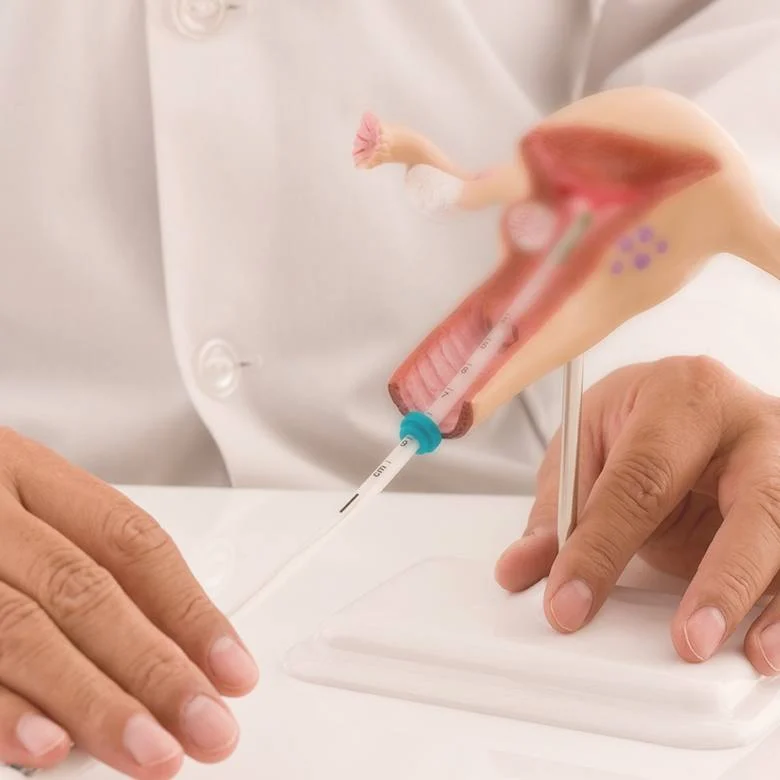
For couples who have been trying to conceive for an extended period of time without success, assisted reproductive technology (ART) may be the next step. ART includes procedures such as in vitro fertilization (IVF), intracytoplasmic sperm injection (ICSI), and intrauterine insemination (IUI). These procedures involve retrieving eggs, fertilizing them in a lab, and then transferring the embryo back into the uterus.
The average cost of a single IVF cycle is around $12,000, not including additional expenses such as medications, diagnostic testing, and embryo storage. While some insurance plans may cover a portion of the cost of ART, it is still a significant financial burden for many couples. Furthermore, the success rates of these procedures can vary, with IVF having a success rate of around 30% for women under 35 and decreasing with age.
Fertility Drugs vs. Natural Methods: The Financial Burden
The Hidden Costs of Fertility Drugs and ART
Aside from the direct costs of fertility drugs and ART procedures, there are also hidden costs that couples may not consider. For example, the emotional toll of undergoing fertility treatments can be significant, leading to stress, anxiety, and even depression. This can also result in additional expenses, such as therapy or counseling, to cope with the emotional strain.
Furthermore, the time and energy spent on fertility treatments can also take a toll on a couple’s relationship. Many couples may have to take time off work for appointments and procedures, which can result in a loss of income. This can also put a strain on the relationship, as the focus shifts from building a family to the financial and emotional burden of fertility treatments.
The Financial Benefits of Natural Methods
While fertility drugs and ART may be the go-to options for many couples struggling to conceive, there are also natural methods that can be just as effective. These methods include tracking ovulation through methods such as basal body temperature charting, cervical mucus monitoring, and ovulation predictor kits. By carefully tracking ovulation, couples can time intercourse to increase their chances of conception.
One of the major benefits of natural methods is the cost savings. These methods require little to no financial investment, aside from purchasing ovulation predictor kits, which can range from $20 to $50. Additionally, natural methods do not come with the emotional and physical side effects that fertility drugs and ART can have.
Summary:
In conclusion, the decision to use fertility drugs or natural methods to conceive ultimately comes down to personal preference and individual circumstances. While fertility drugs and ART may offer a higher success rate for some couples, the financial burden and hidden costs can be overwhelming. On the other hand, natural methods may take longer to achieve pregnancy, but they can also be more affordable and have fewer side effects. It is essential for couples to carefully consider all factors, including the financial impact, before deciding on the best approach for them.