Tag: Male Infertility

  • The Science Behind Conception: How Male and Female Infertility Treatments Work

    Blog Post:

    Conception is a miracle of life that allows us to continue the human race. However, for many couples, conceiving a child can be a challenging and emotional journey. Infertility affects approximately 1 in 8 couples, and it can be caused by various factors in both men and women. Fortunately, advancements in medical technology have led to various treatments for both male and female infertility. In this blog post, we will delve into the science behind conception and how infertility treatments work.

    Understanding Conception

    Conception is the process of fertilization, where a sperm cell from a male fertilizes an egg cell from a female. This process usually occurs in the fallopian tubes, where the egg and sperm meet. The fertilized egg then travels down the fallopian tube to the uterus, where it implants itself into the uterine lining and begins to develop into a baby.

    Male Infertility and Treatments

    Male infertility can be caused by various factors, including low sperm count, abnormal sperm shape, and poor sperm motility. These issues can be due to genetic factors, hormonal imbalances, or lifestyle choices such as smoking and excessive alcohol consumption. In some cases, a previous injury or infection can also affect male fertility.

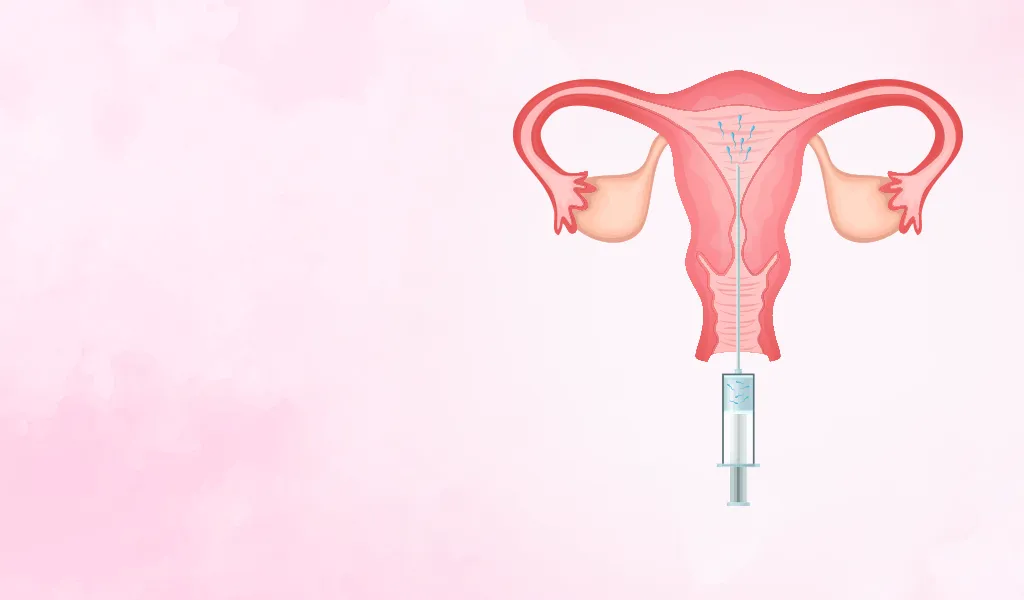
    One of the most common treatments for male infertility is intrauterine insemination (IUI). This procedure involves injecting washed and concentrated sperm directly into the uterus, bypassing any issues with sperm motility. IUI is a relatively simple and non-invasive procedure, and it can increase the chances of conception for couples struggling with male infertility.

    Another treatment option for male infertility is in vitro fertilization (IVF). This process involves retrieving sperm from a male and eggs from a female and fertilizing them in a laboratory setting. The fertilized embryos are then transferred back into the female’s uterus, where they can develop into a baby. IVF can be a more complex and expensive treatment, but it can also be more successful for couples with severe male infertility issues.

    Female Infertility and Treatments

    Female infertility can be caused by various factors, including ovulation disorders, blocked fallopian tubes, and uterine abnormalities. Age also plays a significant role in female fertility, as women are born with a finite number of eggs, and their quality and quantity decrease with age.
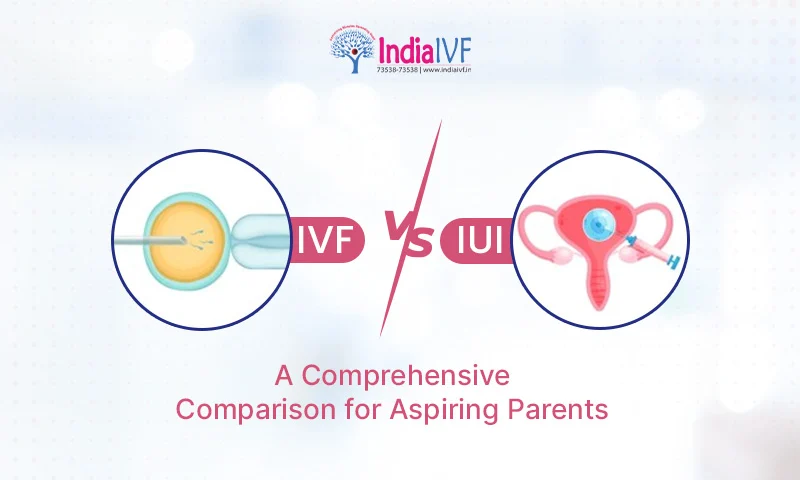
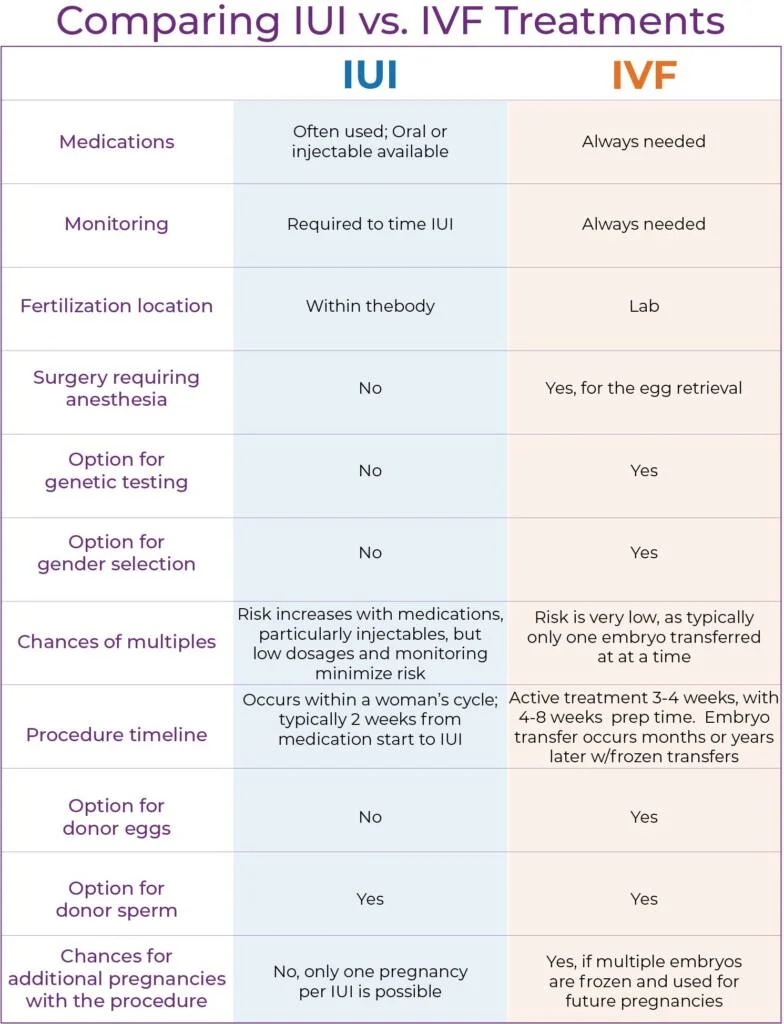
    IVF vs IUI comparison graphic highlighting reproductive methods for aspiring parents.

    The Science Behind Conception: How Male and Female Infertility Treatments Work

    One of the most common treatments for female infertility is ovulation induction. This involves taking medications to stimulate the ovaries and increase the chances of ovulation. Ovulation induction can be done using oral medications or injectable hormones, and it can help women with ovulation disorders or those who do not ovulate regularly.

    Another treatment option for female infertility is intrauterine insemination (IUI). As mentioned earlier, this procedure can also be used for male infertility, but it can also help women with ovulation disorders. By placing the washed and concentrated sperm directly into the uterus, it can increase the chances of fertilization for women who have difficulty ovulating.

    In vitro fertilization (IVF) is also a common treatment for female infertility. Just like with male infertility, IVF involves retrieving eggs from a female and fertilizing them in a laboratory setting. The fertilized embryos are then transferred back into the uterus, where they can develop into a baby. IVF can be a more complex and expensive treatment, but it can also be more successful for women with severe infertility issues or older women who may have a lower egg quality.

    The Role of Genetics in Infertility

    In some cases, infertility can be caused by genetic factors. These can include chromosomal abnormalities, inherited conditions, or genetic mutations. In these cases, genetic testing can be done to identify any underlying genetic issues that may be affecting fertility. This information can then be used to guide treatment options and improve the chances of conceiving a healthy child.

    The Importance of a Healthy Lifestyle

    While medical treatments can help with infertility, it is essential to remember that a healthy lifestyle can also play a crucial role in fertility. Maintaining a healthy weight, exercising regularly, and avoiding harmful substances like tobacco and excessive alcohol can improve fertility in both men and women. It is also essential to manage any underlying health conditions that may affect fertility, such as diabetes or thyroid disorders.

    In conclusion, the science behind conception and infertility treatments is complex and ever-evolving. Thanks to advancements in medical technology, couples struggling with infertility have various treatment options available to them. Whether it is male or female infertility or a combination of both, there is hope for couples to conceive and start a family. It is essential to seek help from a fertility specialist and maintain a healthy lifestyle to increase the chances of a successful conception.

    Summary:

    Conception is the process of fertilization, where a sperm from a male fertilizes an egg from a female. Infertility affects 1 in 8 couples and can be caused by various factors in both men and women. Treatments for male infertility include intrauterine insemination (IUI) and in vitro fertilization (IVF). For female infertility, treatments include ovulation induction, IUI, and IVF. Genetics can also play a role in infertility, and maintaining a healthy lifestyle is crucial for fertility. Seeking help from a fertility specialist and maintaining a healthy lifestyle can increase the chances of successful conception.

  • Behind Closed Doors: The Realities of Male and Female Infertility Treatments

    Blog Post Title: Behind Closed Doors: The Realities of Male and Female Infertility Treatments

    Infertility affects millions of couples worldwide, with about 10-15% of couples struggling to conceive. While infertility is often seen as a female issue, the reality is that it can affect both men and women equally. In recent years, there has been a growing awareness and acceptance of male infertility, leading to the rise of fertility treatments for men. However, the journey to parenthood through fertility treatments is not an easy one and is often filled with physical, emotional, and financial challenges. In this blog post, we will take a closer look at the realities of male and female infertility treatments, the challenges couples face, and the impact it has on their lives.

    The Stigma Surrounding Infertility

    One of the most significant challenges that couples face when dealing with infertility is the stigma attached to it. While medical advancements have made it possible for couples to seek treatment, the societal pressure to have children is still prevalent. The inability to conceive naturally can make couples feel ashamed, inadequate, and even guilty. This stigma is particularly harsh for men, as society often places the responsibility of fertility solely on women. As a result, many men may feel isolated and reluctant to seek help, leading to a delay in treatment.

    Male Infertility: Causes and Treatments

    Male infertility is often caused by issues with sperm production, function, or delivery. These problems can be due to a variety of factors, such as genetic disorders, hormonal imbalances, or medical conditions like diabetes or infections. In some cases, lifestyle factors such as smoking, excessive alcohol consumption, and drug use can also contribute to male infertility. To diagnose male infertility, a semen analysis is usually performed to evaluate the quantity and quality of sperm. Once the cause of infertility is identified, a treatment plan can be recommended.

    The most common treatment for male infertility is assisted reproductive technology (ART), which includes procedures like intrauterine insemination (IUI) and in vitro fertilization (IVF). These procedures involve collecting sperm from the male partner and transferring it to the female partner’s reproductive system, increasing the chances of fertilization. In cases where sperm production is impaired, techniques like intracytoplasmic sperm injection (ICSI) can be used, where a single sperm is injected directly into an egg.

    Female Infertility: Causes and Treatments

    Female infertility can also be caused by a variety of factors, such as hormonal imbalances, ovulation disorders, or structural issues in the reproductive system. Age can also play a significant role, as fertility declines with age, particularly after the age of 35. Like male infertility, a thorough evaluation is necessary to identify the cause of female infertility, which can include blood tests, ultrasound, and other imaging techniques.

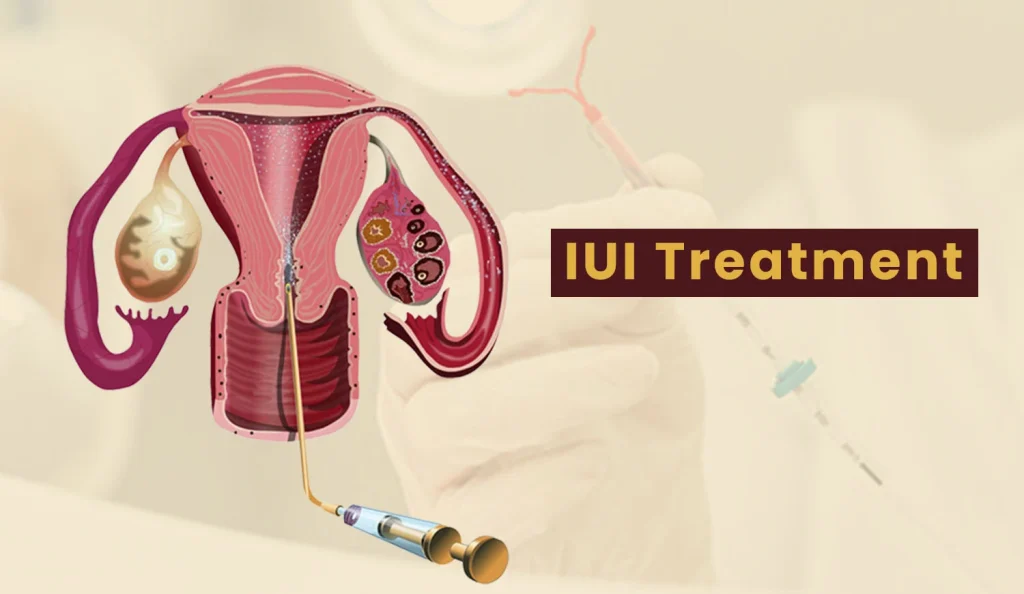
    illustration of a uterus with a syringe, representing intrauterine insemination procedure

    Behind Closed Doors: The Realities of Male and Female Infertility Treatments

    The most common treatment for female infertility is also ART, which involves stimulating the ovaries to produce multiple eggs, which are then retrieved and fertilized in a laboratory. The resulting embryos are then transferred to the uterus, increasing the chances of pregnancy. Other treatments for female infertility may include surgery to correct structural issues or medications to regulate ovulation.

    The Emotional Toll of Infertility Treatments

    The journey to parenthood through infertility treatments can take a toll on a couple’s emotional well-being. The constant cycles of hope and disappointment, coupled with the stress of the procedures and the uncertainty of the outcome, can be overwhelming. Many couples also struggle with the financial burden of infertility treatments, which can be expensive and not always covered by insurance. All these factors can put a strain on a couple’s relationship and individual mental health.

    Support and Coping Strategies

    It is crucial for couples undergoing infertility treatments to have a strong support system. Talking to friends and family can provide emotional support, but it is also essential to find a community of people going through similar experiences. Many support groups and online forums offer a safe space for couples to share their struggles, seek advice, and find comfort in knowing they are not alone.

    It is also essential for couples to take care of their emotional and mental well-being during this challenging time. Finding healthy ways to cope with the stress, such as exercise, meditation, or therapy, can help alleviate some of the emotional burden. It is also crucial for couples to communicate openly and support each other throughout the process.

    In conclusion, the realities of male and female infertility treatments go far beyond the physical procedures. Couples dealing with infertility face many challenges, including societal stigma, emotional struggles, and financial burdens. It is essential to raise awareness and destigmatize infertility, and provide support and resources for those struggling with it. With advancements in technology and growing acceptance of male infertility, the journey towards parenthood through fertility treatments can become a little less daunting.

    Summary:

    Infertility affects millions of couples worldwide, and while it is often seen as a female issue, it can affect both men and women equally. The stigma surrounding infertility can make it challenging for couples to seek help and can lead to feelings of shame, inadequacy, and guilt. Male infertility is often caused by issues with sperm production, and the most common treatment is assisted reproductive technology (ART). Female infertility, on the other hand, can be caused by a variety of factors, and ART is also the most common treatment. The journey to parenthood through infertility treatments can take a toll on a couple’s emotional well-being, and it is crucial to have a strong support system and healthy coping strategies. Raising awareness and providing support for those struggling with infertility is essential for couples to navigate this challenging journey.

  • Navigating the Options: A Guide to Male and Female Infertility Treatments

    Navigating the Options: A Guide to Male and Female Infertility Treatments

    Infertility is a condition that affects millions of couples worldwide, causing emotional, physical, and financial stress. Both men and women can experience fertility issues, and it can be a challenging and overwhelming journey to navigate the various treatment options available. In this blog post, we will provide a comprehensive guide to the different male and female infertility treatments, their effectiveness, risks, and costs.

    Understanding Male and Female Infertility

    Before diving into the treatments, it’s essential to understand what causes male and female infertility. In women, infertility can be caused by issues such as ovulation disorders, blocked fallopian tubes, or uterine problems. In men, the most common cause is sperm abnormalities, including low sperm count, poor sperm motility, or abnormal sperm shape.

    It’s crucial to seek medical advice and undergo fertility testing to determine the underlying cause of infertility before starting any treatment. Identifying the cause can help determine the most suitable treatment plan for couples.

    Female Infertility Treatments

    1. Fertility Medications

    Fertility medications are often the first line of treatment for women with ovulation disorders. These medications work by stimulating the ovaries to produce more eggs, increasing the chances of pregnancy. The most commonly used fertility medications include Clomiphene citrate, Gonadotropins, and Metformin. These medications can be taken orally, injected, or inserted vaginally, depending on the specific medication.

    2. Intrauterine Insemination (IUI)

    IUI is a procedure that involves placing sperm directly into the uterus during ovulation. It’s often used in combination with fertility medications to increase the chances of pregnancy. IUI is a less invasive and less expensive option compared to other fertility treatments. However, it’s only suitable for couples with mild fertility issues and may not be effective for more severe cases.

    3. In vitro Fertilization (IVF)

    IVF is a more advanced and costly fertility treatment option for women. It involves collecting eggs from the ovaries, fertilizing them with sperm in a lab, and then transferring the resulting embryos into the uterus. IVF is suitable for couples with severe fertility issues, including blocked fallopian tubes, advanced maternal age, or endometriosis. However, it’s a more invasive and time-consuming process, and there is a risk of multiple pregnancies.

    4. Surgery

    In some cases, female infertility may be caused by structural issues such as uterine fibroids, polyps, or endometriosis. In these cases, surgery may be recommended to correct the issue and improve the chances of pregnancy. However, surgery is usually considered a last resort option and may not always be successful.

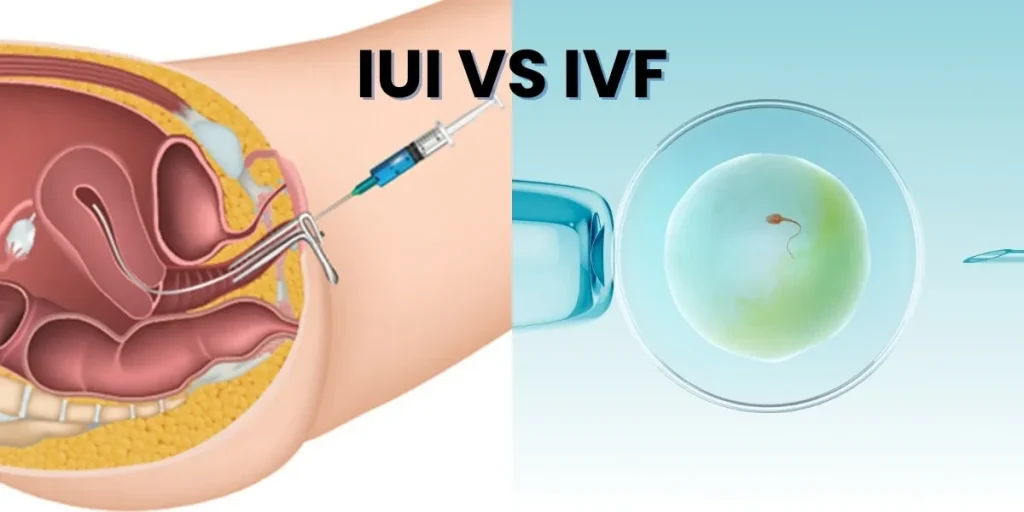
    comparison of IUI and IVF procedures illustrated with simple graphics and labels

    Navigating the Options: A Guide to Male and Female Infertility Treatments

    Male Infertility Treatments

    1. Surgery

    In some cases, male infertility may be caused by physical obstructions, such as a blocked vas deferens or epididymis. In these cases, surgery may be recommended to remove the blockage and improve sperm flow. However, surgery is not always successful, and there is a risk of complications.

    2. Medications

    Medications can also be prescribed for men with sperm abnormalities, such as low sperm count or poor sperm motility. These medications work by increasing sperm production or improving sperm quality. However, they may take a few months to show results, and they may not work for all men.

    3. Assisted Reproductive Techniques (ART)

    ART involves collecting sperm from the male partner and using it to fertilize the female partner’s eggs in a lab. The most common ART procedures include Intracytoplasmic Sperm Injection (ICSI) and Intrauterine Insemination (IUI). ART is often used in combination with fertility medications to increase the chances of pregnancy.

    4. Donor Sperm

    In cases where the male partner’s sperm is not suitable for fertilization, donor sperm can be used in ART procedures. Donor sperm is thoroughly screened for diseases and genetic disorders to ensure the health of the child.

    Navigating the Emotional and Financial Aspects of Infertility Treatments

    Infertility treatments can be emotionally and financially draining for couples. It’s essential to have open communication and seek support from loved ones throughout the process. It’s also crucial to understand the financial implications of each treatment option and discuss them with your healthcare provider. Some treatments may be covered by insurance, while others may require out-of-pocket expenses.

    Final Thoughts

    Dealing with infertility can be a challenging and emotional journey for couples. However, with the right information, support, and guidance, it’s possible to navigate the options and find a suitable treatment plan. It’s essential to work closely with your healthcare provider to determine the best course of action for your specific situation.

    In summary, male and female infertility treatments include fertility medications, intrauterine insemination, in vitro fertilization, surgery, and assisted reproductive techniques. Each option has its own effectiveness, risks, and costs, and it’s crucial to seek medical advice to determine the most suitable treatment plan. It’s also essential to consider the emotional and financial aspects of infertility treatments and have open communication and support throughout the process.

  • Breaking Down Barriers: How Male and Female Infertility Treatments Have Evolved

    Blog Post Title: Breaking Down Barriers: How Male and Female Infertility Treatments Have Evolved

    Infertility is a common struggle for many couples trying to conceive. It can be a heart-wrenching journey filled with disappointment, frustration, and financial burden. However, advancements in medical technology and research have made it possible for couples to overcome barriers to fertility and fulfill their dream of starting a family. In this blog post, we will explore the evolution of male and female infertility treatments, from traditional methods to modern techniques, and how these breakthroughs have opened doors for individuals and couples facing fertility challenges.

    The History of Infertility Treatments

    Infertility has been a concern for many centuries, and various treatments have been practiced throughout history. In ancient times, treatments were often based on superstitions and myths, such as consuming certain plants or performing rituals to please the gods. However, as science and medicine advanced, more evidence-based treatments emerged.

    One of the earliest documented treatments for female infertility was described in the ancient Indian text, the Kama Sutra, which suggested the use of certain sexual positions to aid conception. In the 18th century, the first artificial insemination was performed using donated sperm. Later in the 20th century, in-vitro fertilization (IVF) was developed, which involves fertilizing eggs with sperm outside of the body and then transferring the embryo to the uterus.

    Male Infertility Treatments

    Male infertility is a factor in about 30% of all infertility cases. In the past, male infertility was often overlooked, and the focus was solely on female fertility. However, with advancements in medical technology, male infertility treatments have evolved, and we now have a better understanding of the causes and treatments for male infertility.

    One of the most common causes of male infertility is low sperm count or poor sperm quality. In the past, this was often treated with hormone therapy, which aimed to increase sperm production. However, this method was not always successful and could have unpleasant side effects. Today, assisted reproductive techniques, such as intracytoplasmic sperm injection (ICSI), have revolutionized male infertility treatments. ICSI involves injecting a single sperm directly into an egg, allowing for fertilization even with a low sperm count.

    Another breakthrough in male infertility treatment is testicular sperm extraction (TESE), which involves surgically retrieving sperm from the testicles. This method has helped many men with no sperm in their ejaculate, a condition known as azoospermia, to father biological children.

    Female Infertility Treatments

    Comparison chart of IUI and IVF treatments, detailing medications, monitoring, procedures, and success rates.

    Breaking Down Barriers: How Male and Female Infertility Treatments Have Evolved

    Female infertility can be caused by various factors, such as hormonal imbalances, ovulation disorders, and structural issues in the reproductive organs. In the past, fertility treatments for women were limited to medications and surgical procedures, such as laparoscopy to correct structural abnormalities.

    However, with the development of IVF, many more options became available for women struggling with infertility. IVF involves stimulating the ovaries to produce multiple eggs, which are then retrieved and fertilized in a laboratory. The resulting embryos are then transferred into the uterus, increasing the chances of pregnancy. IVF has become a widely used and highly successful treatment for female infertility, with a success rate of up to 50% for women under 35 years old.

    Other assisted reproductive techniques, such as intrauterine insemination (IUI) and frozen embryo transfer (FET), have also made it possible for women with certain conditions, such as endometriosis or a thin uterine lining, to conceive.

    The Role of Genetic Testing

    Genetic testing has also played a significant role in the evolution of infertility treatments. Advances in technology have made it possible to screen embryos for genetic abnormalities before they are transferred into the uterus. This not only increases the chances of a successful pregnancy but also reduces the risk of passing on genetic disorders to the child.

    In addition, genetic testing has also helped identify underlying causes of infertility, such as chromosomal abnormalities, and allowed for more targeted and personalized treatments.

    Conclusion

    The journey of infertility can be a challenging one, but thanks to the evolution of male and female infertility treatments, many couples can now overcome barriers to fertility and have a chance at starting a family. From ancient practices to modern techniques, the advancements in medical technology and research have opened doors for individuals and couples facing fertility challenges.

    Whether it’s through assisted reproductive techniques, hormonal therapies, or genetic testing, there is hope for those struggling with infertility. With ongoing advancements and research, we can only expect further improvements and breakthroughs in the field of infertility treatment, giving more people the opportunity to experience the joy of parenthood.

    Summary:

    Infertility has been a concern for centuries, and various treatments were practiced throughout history. However, with advancements in medical technology and research, male and female infertility treatments have evolved significantly. From ancient practices to modern techniques such as IVF, ICSI, TESE, and genetic testing, these breakthroughs have opened doors for individuals and couples facing fertility challenges. With ongoing advancements, there is hope for those struggling with infertility to fulfill their dream of starting a family.

  • From Pills to Procedures: Understanding Male and Female Infertility Treatments

    Title: From Pills to Procedures: Understanding Male and Female Infertility Treatments

    Infertility affects millions of couples worldwide, with approximately 1 in 8 couples struggling to conceive. While there are many causes of infertility, both male and female, advancements in medical technology have led to a variety of treatments that can help couples achieve their dream of starting a family. From pills to procedures, there are various options available to assist with male and female infertility. In this blog post, we will explore the different treatments for male and female infertility, how they work, and the success rates associated with each method.

    Understanding Male Infertility Treatments:

    Male infertility is often caused by low sperm count, poor sperm quality, or blockages in the reproductive system. One of the most common treatments for male infertility is the use of fertility drugs. These drugs work by stimulating the production of hormones that help to increase sperm production. While this method can be effective in some cases, it does not address problems with sperm quality or blockages in the reproductive system.

    Another option for male infertility treatment is intrauterine insemination (IUI). This involves placing washed and concentrated sperm directly into the woman’s uterus, increasing the chances of fertilization. IUI is often used in combination with fertility drugs to enhance its effectiveness.

    For more severe cases of male infertility, in vitro fertilization (IVF) may be recommended. This procedure involves fertilizing the woman’s eggs with the man’s sperm in a laboratory and then transferring the resulting embryo back into the woman’s uterus. IVF has a higher success rate compared to IUI and fertility drugs alone, but it can be a costly and invasive procedure.

    In cases where there are severe blockages in the reproductive system, surgical procedures may be recommended. These procedures, such as varicocelectomy or vasectomy reversal, aim to repair or remove any blockages, allowing for the normal flow of sperm.

    Understanding Female Infertility Treatments:

    Female infertility is often caused by issues with ovulation, blockages in the fallopian tubes, or conditions such as endometriosis. Fertility drugs are also commonly used to treat female infertility by stimulating ovulation. These drugs work by regulating the hormones involved in the ovulation process.

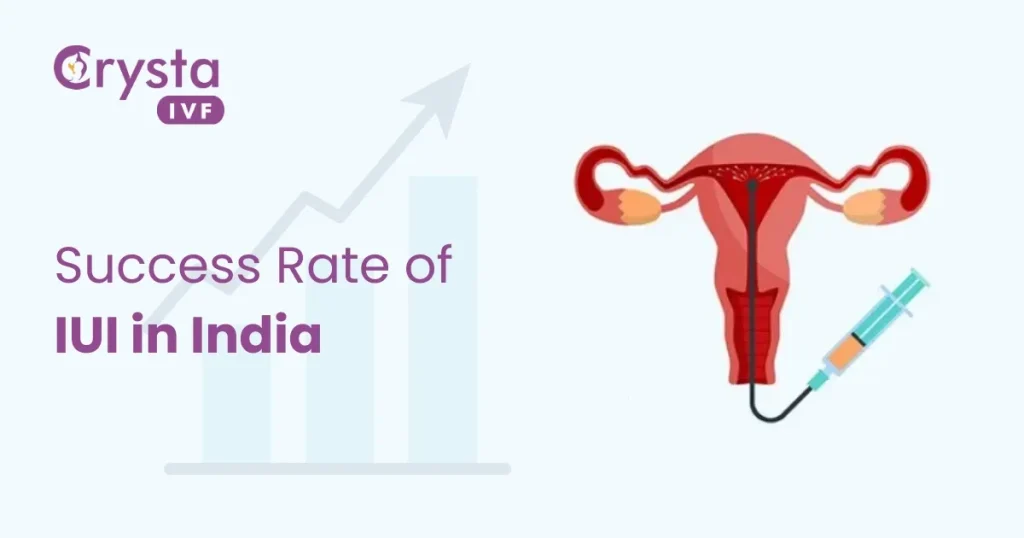
    success rate of IUI in India with a graphic of a uterus and syringe alongside a rising graph

    From Pills to Procedures: Understanding Male and Female Infertility Treatments

    If fertility drugs are not effective, a more advanced treatment option for female infertility is intrauterine insemination (IUI), as mentioned earlier. This method can also be used to bypass blocked fallopian tubes, increasing the chances of fertilization.

    In vitro fertilization (IVF) is also a commonly used treatment for female infertility. This method involves extracting the woman’s eggs and fertilizing them with the man’s sperm in a laboratory. The resulting embryo is then transferred back into the woman’s uterus. IVF has a higher success rate compared to other methods, but it can be a physically and emotionally demanding process.

    For women with severe cases of endometriosis, surgery may be recommended to remove any scar tissue or blockages that may be affecting fertility. In cases of blocked fallopian tubes, surgery may also be an option to remove the blockage and improve the chances of conception.

    Success Rates of Infertility Treatments:

    The success rates of infertility treatments vary depending on various factors such as age, cause of infertility, and the type of treatment. Fertility drugs and IUI have a success rate of around 10-20% per cycle, while IVF has a success rate of 30-40% per cycle. However, it is important to note that these success rates can vary significantly and may also depend on the expertise of the medical team and the clinic’s quality.

    It is also crucial for couples to understand that infertility treatments can be emotionally and financially taxing. It is essential to have realistic expectations and to seek support from loved ones and professionals throughout the process.

    In conclusion, from pills to procedures, there are various options available to treat male and female infertility. While fertility drugs and IUI can be effective for some couples, more advanced treatments such as IVF and surgical procedures may be necessary for others. It is crucial for couples to seek guidance from medical professionals to determine the best course of action for their specific situation.

    Summary:

    Infertility affects millions of couples worldwide, and there are various causes for both male and female infertility. Fortunately, advancements in medical technology have led to a variety of treatments to help couples achieve their dream of starting a family. From fertility drugs and intrauterine insemination to in vitro fertilization and surgical procedures, there are options available for both male and female infertility. However, it is important to have realistic expectations and seek support throughout the process, as these treatments can be emotionally and financially taxing.

  • The Cost of Conception: Exploring the Differences in Male and Female Infertility Treatments

    Summary:

    Infertility is a common issue that affects millions of couples around the world. While both men and women can experience difficulties in conceiving, the treatments for male and female infertility differ significantly. In this blog post, we will explore the cost of conception and delve into the differences in male and female infertility treatments.

    We will begin by discussing the various causes of male and female infertility, including medical conditions, lifestyle factors, and age. It is essential to understand the root cause of infertility before seeking treatment, as it can impact the success rate and cost of treatment.

    Next, we will examine the different treatment options available for male and female infertility. For men, the most common treatment is assisted reproductive technology (ART), which includes procedures such as intrauterine insemination (IUI) and in-vitro fertilization (IVF). These treatments can be costly, with the average cost of IVF ranging from $10,000 to $15,000 per cycle.

    comparison of IUI and IVF fertility treatments with illustrations of procedures and a petri dish with an egg and sperm

    The Cost of Conception: Exploring the Differences in Male and Female Infertility Treatments

    On the other hand, women have a wider range of treatment options, including medication, surgery, and ART. Medications such as Clomid and Gonadotropins can help stimulate ovulation in women, while surgery can be used to correct structural issues in the reproductive organs. The cost of these treatments can vary greatly, with medication costing a few hundred dollars per cycle and surgery costing thousands of dollars.

    In addition to traditional treatments, alternative therapies such as acupuncture and herbal remedies have gained popularity in recent years for both men and women. These treatments can be more affordable but may not have the same success rates as medical treatments.

    We will also discuss the emotional and psychological toll that infertility can take on couples, as well as the impact of these treatments on their mental health. The cost of infertility treatments can add an extra layer of stress and strain on relationships, and it is crucial for couples to seek support during this challenging time.

    Finally, we will touch on the importance of insurance coverage for infertility treatments. While some insurance plans may cover certain aspects of infertility treatment, many do not cover the full cost. This can be a significant barrier for couples seeking treatment, especially for those with limited financial resources.

    In conclusion, the cost of conception can be a significant burden for couples struggling with infertility. The treatments for male and female infertility differ in terms of options and costs, making it essential for couples to research and understand their options fully. It is also crucial to seek support and prioritize mental health during this challenging journey.

  • Breaking the Stigma: Male Infertility Treatments Uncovered

    Breaking the Stigma: Male Infertility Treatments Uncovered

    Infertility is a common struggle for many couples, affecting approximately 1 in 8 couples worldwide. While infertility can affect both men and women, there is often a stigma surrounding male infertility. This stigma can lead to feelings of shame, embarrassment, and isolation for men who are struggling with infertility. However, it is important to recognize that male infertility is a medical condition that can be treated, and men should not feel ashamed or alone in seeking help.

    In this blog post, we will uncover the common causes of male infertility, the various treatments available, and the importance of breaking the stigma surrounding male infertility.

    Causes of Male Infertility

    Male infertility can be caused by a variety of factors, including medical conditions, lifestyle choices, and genetics. Some of the most common causes of male infertility include:

    1. Low sperm count or poor sperm quality: A low sperm count or poor sperm quality can make it difficult for sperm to fertilize an egg, leading to infertility.

    2. Varicocele: This is a condition in which the veins in the testicles are enlarged, causing the testicles to overheat and affect sperm production.

    3. Hormonal imbalances: Hormonal imbalances, such as low testosterone levels, can affect sperm production and fertility.

    4. Infections: Certain infections, such as sexually transmitted infections or prostatitis, can cause damage to the reproductive system and affect fertility.

    5. Genetic conditions: Some genetic conditions, such as Klinefelter syndrome or cystic fibrosis, can affect sperm production and fertility.

    Treatments for Male Infertility

    The good news is that there are several treatments available for male infertility. These treatments can help men overcome their fertility struggles and increase their chances of conceiving a child with their partner. Some of the most common treatments for male infertility include:

    1. Medications: Depending on the underlying cause of male infertility, your doctor may prescribe medications to improve sperm count or quality.

    comparison of IUI and IVF fertility treatments with illustrations of procedures and a petri dish with an egg and sperm

    Breaking the Stigma: Male Infertility Treatments Uncovered

    2. Surgery: In cases of varicocele or blockages in the reproductive tract, surgery may be necessary to correct the issue and improve fertility.

    3. Assisted Reproductive Technologies (ART): ART involves procedures such as intrauterine insemination (IUI) or in vitro fertilization (IVF) to help fertilize an egg with sperm outside of the body and then implant it into the uterus.

    4. Lifestyle changes: Making healthy lifestyle choices, such as quitting smoking, reducing alcohol consumption, and maintaining a healthy weight, can also improve fertility.

    Breaking the Stigma Surrounding Male Infertility

    Despite the fact that male infertility is a common issue, there is still a stigma surrounding it. Men may feel embarrassed or emasculated by their fertility struggles and may be hesitant to seek help. This stigma can also lead to a lack of awareness and understanding about male infertility, making it even more difficult for men to open up about their experiences.

    It is important to break the stigma surrounding male infertility and create a safe and supportive environment for men to seek help and support. Here are a few ways we can do this:

    1. Educate yourself and others: By learning more about male infertility and sharing that knowledge with others, we can help to break the stigma and create a more understanding and supportive community.

    2. Encourage open communication: Encourage men to talk about their experiences with infertility and create a safe space for them to do so. This can help to break down barriers and reduce feelings of shame and isolation.

    3. Show support and empathy: Struggling with infertility can be emotionally and mentally draining for both men and women. Show your support and empathy for those who are going through this journey.

    4. Normalize seeking help: Seeking medical help for fertility struggles should be seen as a normal and responsible action, rather than something to be ashamed of.

    Seeking Help for Male Infertility

    If you or your partner are struggling with male infertility, it is important to seek help from a medical professional. They can help determine the underlying cause of infertility and recommend the best course of treatment. Remember, seeking help for male infertility is not something to be ashamed of, and breaking the stigma can help to create a more supportive and understanding community for those going through this struggle.

    In conclusion, male infertility is a common issue that affects many couples worldwide. It is caused by a variety of factors and can be treated through various methods. However, the stigma surrounding male infertility can make it difficult for men to seek help and support. By breaking the stigma, we can create a more understanding and supportive community for those struggling with male infertility.

  • The Battle of the Sexes: Comparing Male and Female Infertility Treatments

    The Battle of the Sexes: Comparing Male and Female Infertility Treatments

    Infertility affects millions of couples worldwide, and it can be a challenging and emotional journey for those trying to conceive. While both men and women can experience fertility issues, the treatments available for each gender can differ significantly. In this blog post, we will explore the differences between male and female infertility treatments, and how these treatments have evolved over the years.

    Understanding Male and Female Infertility

    Before delving into the treatments, it is essential to understand the causes of male and female infertility. Female infertility is typically caused by issues such as hormonal imbalances, ovulation problems, or structural abnormalities in the reproductive system. On the other hand, male infertility can be caused by low sperm count, poor sperm motility, or structural problems in the male reproductive system.

    Male Infertility Treatments

    One of the most common treatments for male infertility is intrauterine insemination (IUI). This procedure involves inserting washed and concentrated sperm directly into the uterus during the woman’s ovulation period, increasing the chances of conception. It is a relatively simple and non-invasive procedure, making it a popular choice for couples struggling with male infertility.

    In cases where the male partner has extremely low sperm count or poor sperm motility, in vitro fertilization (IVF) may be recommended. This treatment involves retrieving sperm directly from the testicles and fertilizing the egg in a laboratory setting. The fertilized embryo is then transferred into the woman’s uterus, increasing the chances of conception.

    Another option for male infertility is intracytoplasmic sperm injection (ICSI), which is often used in conjunction with IVF. This procedure involves injecting a single sperm directly into the egg, bypassing any potential issues with sperm motility or low count. ICSI has been a game-changer for couples struggling with male infertility, as it significantly increases the chances of fertilization.

    Female Infertility Treatments

    The most common treatment for female infertility is ovulation induction, which involves taking medication to stimulate the ovaries to produce more eggs. This treatment is often used in conjunction with IUI to increase the chances of conception. Ovulation induction is a relatively simple and non-invasive treatment, but it does carry a risk of multiple pregnancies.

    illustration of the uterus and ovaries with a syringe, labeled "IUI Treatment" in the background

    The Battle of the Sexes: Comparing Male and Female Infertility Treatments

    In cases where ovulation induction is not successful, or if the cause of infertility is due to structural issues in the reproductive system, IVF may be recommended. This treatment involves retrieving eggs directly from the ovaries, fertilizing them with sperm in a laboratory, and then transferring the resulting embryo into the uterus. IVF has a higher success rate than other treatments, making it a popular choice for couples struggling with female infertility.

    In some cases, the cause of female infertility may be due to a blocked or damaged fallopian tube. In such cases, a surgical procedure called laparoscopy may be recommended. This minimally invasive surgery involves using a small camera to examine the reproductive organs and potentially remove any blockages or scar tissue.

    The Evolution of Infertility Treatments

    Over the years, advancements in medical technology have led to significant improvements in infertility treatments for both men and women. For instance, the development of ICSI has greatly improved the chances of fertilization for couples struggling with male infertility. Similarly, the use of ovulation induction and IVF has become more refined and effective for treating female infertility.

    In recent years, there has also been a growing interest in complementary and alternative treatments for infertility. These treatments, such as acupuncture and herbal supplements, aim to improve overall health and well-being, which can potentially enhance fertility. While there is limited scientific evidence to support the effectiveness of these treatments, many couples have reported success with their use.

    The Emotional Impact of Infertility Treatments

    Infertility can take a toll on a couple’s emotional and mental well-being, and the treatments can also be emotionally taxing. The uncertainty and disappointment that often accompany failed attempts at conception can lead to feelings of frustration, sadness, and even depression. It is essential for couples to seek emotional support and counseling throughout their fertility journey to cope with these challenges.

    In Conclusion

    Infertility treatments for both men and women have come a long way, offering hope to couples struggling to conceive. While there are differences in the treatments available for each gender, they all aim to help couples achieve their dream of starting a family. With advancements in technology and a better understanding of the causes of infertility, the battle of the sexes in the realm of fertility is gradually being won, with more and more couples successfully overcoming their fertility challenges.

    Summary:

    Infertility is a widespread issue that affects both men and women. However, the treatments available for male and female infertility can differ significantly. Male infertility treatments include intrauterine insemination, in vitro fertilization, and intracytoplasmic sperm injection. On the other hand, female infertility treatments include ovulation induction, in vitro fertilization, and laparoscopy. With advancements in technology and a better understanding of the causes of infertility, these treatments have become more refined and effective. Additionally, there has been a growing interest in complementary and alternative treatments for infertility. The emotional impact of infertility and its treatments can be significant, and it is essential for couples to seek emotional support throughout their fertility journey.

  • The Emotional Toll of Male Infertility: How Fertility Counseling Can Offer Support

    Summary:

    Infertility is a deeply personal and emotional issue for couples, and unfortunately, it is not just a problem that affects women. Male infertility can also have a significant impact on a couple’s relationship, self-esteem, and mental health. In this blog post, we will explore the emotional toll of male infertility and how fertility counseling can offer support to men and their partners.

    Male infertility is a condition where a man is unable to impregnate a woman despite having regular unprotected sex. It is estimated that male infertility affects around 7% of men worldwide, and it can be caused by a variety of factors, including hormonal imbalances, genetic disorders, and lifestyle choices. When a couple is trying to conceive, and the man is diagnosed with infertility, it can be a devastating blow and can lead to a range of emotions, including shame, guilt, and anger.

    One of the most significant emotional impacts of male infertility is the strain it can put on a couple’s relationship. Trying to conceive can be a stressful and emotional journey for any couple, and when infertility is added to the mix, it can create additional tension and strain. The inability to conceive can lead to feelings of inadequacy, resentment, and blame, which can cause conflicts and communication breakdowns within the relationship. In some cases, this can even lead to separation or divorce.

    Illustration of the IUI process, showing a syringe and catheter in the reproductive system.

    The Emotional Toll of Male Infertility: How Fertility Counseling Can Offer Support

    Aside from the impact on the couple’s relationship, male infertility can also take a toll on a man’s self-esteem and mental health. Many men tie their sense of masculinity and self-worth to their ability to father a child. When this is challenged by infertility, it can lead to feelings of failure, shame, and even depression. Men may also feel pressure from society and their families to have children, which can further exacerbate feelings of inadequacy and shame.

    Fertility counseling can offer much-needed support for men and their partners dealing with male infertility. By seeking counseling, couples can learn how to cope with the emotional strain of infertility, communicate effectively, and support each other through the process. Fertility counselors can also help men and their partners explore their feelings and work through any conflicts or challenges in their relationship.

    Moreover, counseling can provide a safe space for men to express their emotions and concerns about male infertility without fear of judgment. Many men may feel uncomfortable discussing their fertility issues with friends or family, and counseling can provide a confidential and non-judgmental environment for them to open up and seek support.

    In addition to addressing the emotional toll of male infertility, fertility counseling can also offer practical support and guidance. Fertility counselors are trained professionals who can educate couples about their options, such as fertility treatments or adoption. They can also help men make lifestyle changes that can improve their fertility, such as quitting smoking or reducing alcohol consumption.

    In conclusion, male infertility can have a significant emotional impact on men and their partners. It can strain relationships, cause feelings of inadequacy and shame, and even lead to mental health issues. Fertility counseling can offer vital support for men and their partners dealing with male infertility. By seeking counseling, couples can learn to cope with the emotional strain, communicate effectively, and receive practical guidance for their fertility journey.

  • The Role of Male Infertility: Artificial Insemination and Natural Conception Compared

    Blog Post:

    Infertility is a complex issue that affects millions of couples around the world. While infertility can be caused by a variety of factors, male infertility is a significant contributing factor in almost half of all cases. Male infertility is defined as the inability of a man to impregnate a fertile female. This can be due to a number of reasons such as low sperm count, poor sperm quality, or blockages in the reproductive system. In this blog post, we will be discussing the role of male infertility in the process of conception and comparing the methods of artificial insemination and natural conception.

    Male infertility can have a significant impact on a couple’s ability to conceive. In many cases, couples may try for months or even years to get pregnant before realizing that there may be an issue with the male partner’s fertility. One of the most common causes of male infertility is a low sperm count. A low sperm count means that there are fewer sperm available to fertilize the female egg, making it more difficult to achieve pregnancy.

    Poor sperm quality is another common cause of male infertility. This refers to the shape, movement, and overall health of the sperm. If the sperm are not able to swim efficiently or have abnormalities in their shape, they may not be able to reach and fertilize the egg. Certain lifestyle factors such as smoking, excessive alcohol consumption, and drug use can also impact sperm quality and contribute to male infertility.

    Another factor that can contribute to male infertility is blockages in the reproductive system. These blockages can be caused by infections, injuries, or surgeries, and can prevent sperm from being ejaculated or reaching the egg. In some cases, these blockages can be treated with surgery, but in others, they may be permanent.

    When faced with male infertility, couples often turn to assisted reproductive techniques such as artificial insemination. This involves collecting sperm from the male partner and injecting it directly into the female’s reproductive tract, increasing the chances of fertilization. Artificial insemination can be performed using the male partner’s sperm or donor sperm, depending on the specific situation.

    illustration of a uterus with a syringe, representing intrauterine insemination procedure

    The Role of Male Infertility: Artificial Insemination and Natural Conception Compared

    One of the main advantages of artificial insemination is that it bypasses any issues with the male partner’s reproductive system. This means that even if there are blockages or low sperm count, the sperm can still be directly introduced to the female’s reproductive tract, increasing the chances of pregnancy. Additionally, artificial insemination can be a less invasive and more affordable option compared to other assisted reproductive techniques.

    However, artificial insemination does have its limitations. It does not address any underlying issues with sperm quality or quantity, and therefore may not be successful in cases where these factors are the cause of male infertility. It also does not guarantee pregnancy and may require multiple attempts before achieving success.

    On the other hand, natural conception refers to the process of getting pregnant through sexual intercourse. In this method, the male partner’s sperm is ejaculated into the female’s reproductive tract during intercourse, and fertilization occurs naturally. Natural conception can be a more intimate and less invasive option for couples, as it involves the natural act of lovemaking.

    However, natural conception may not be an option for couples facing male infertility. In cases where there are severe sperm abnormalities or blockages, natural conception may not be possible. It also relies on timing and ovulation, meaning that couples may have a limited window each month to try and conceive. This can be stressful and frustrating for couples who have been trying to get pregnant for a long time.

    In conclusion, male infertility can play a significant role in a couple’s ability to conceive. While artificial insemination and natural conception are both viable options for couples facing male infertility, they have their own advantages and limitations. Artificial insemination can be a more effective option for couples with specific male infertility issues, while natural conception may be preferred by couples who want a more natural approach. Ultimately, the best course of action will depend on each couple’s individual situation and preferences. Consulting with a fertility specialist can help determine the best option for achieving the dream of parenthood.

    Summary:

    Male infertility can be a major factor in a couple’s ability to conceive, with low sperm count, poor sperm quality, and blockages in the reproductive system being common causes. To overcome male infertility, couples may turn to artificial insemination or natural conception. Artificial insemination involves injecting sperm directly into the female’s reproductive tract, while natural conception relies on sexual intercourse. Both methods have their own advantages and limitations, and the best option will depend on the individual situation and preferences of the couple.