Breaking the Stigma: Male Infertility Treatments Uncovered
Infertility is a common struggle for many couples, affecting approximately 1 in 8 couples worldwide. While infertility can affect both men and women, there is often a stigma surrounding male infertility. This stigma can lead to feelings of shame, embarrassment, and isolation for men who are struggling with infertility. However, it is important to recognize that male infertility is a medical condition that can be treated, and men should not feel ashamed or alone in seeking help.
In this blog post, we will uncover the common causes of male infertility, the various treatments available, and the importance of breaking the stigma surrounding male infertility.
Causes of Male Infertility
Male infertility can be caused by a variety of factors, including medical conditions, lifestyle choices, and genetics. Some of the most common causes of male infertility include:
1. Low sperm count or poor sperm quality: A low sperm count or poor sperm quality can make it difficult for sperm to fertilize an egg, leading to infertility.
2. Varicocele: This is a condition in which the veins in the testicles are enlarged, causing the testicles to overheat and affect sperm production.
3. Hormonal imbalances: Hormonal imbalances, such as low testosterone levels, can affect sperm production and fertility.
4. Infections: Certain infections, such as sexually transmitted infections or prostatitis, can cause damage to the reproductive system and affect fertility.
5. Genetic conditions: Some genetic conditions, such as Klinefelter syndrome or cystic fibrosis, can affect sperm production and fertility.
Treatments for Male Infertility
The good news is that there are several treatments available for male infertility. These treatments can help men overcome their fertility struggles and increase their chances of conceiving a child with their partner. Some of the most common treatments for male infertility include:
1. Medications: Depending on the underlying cause of male infertility, your doctor may prescribe medications to improve sperm count or quality.
Breaking the Stigma: Male Infertility Treatments Uncovered
2. Surgery: In cases of varicocele or blockages in the reproductive tract, surgery may be necessary to correct the issue and improve fertility.
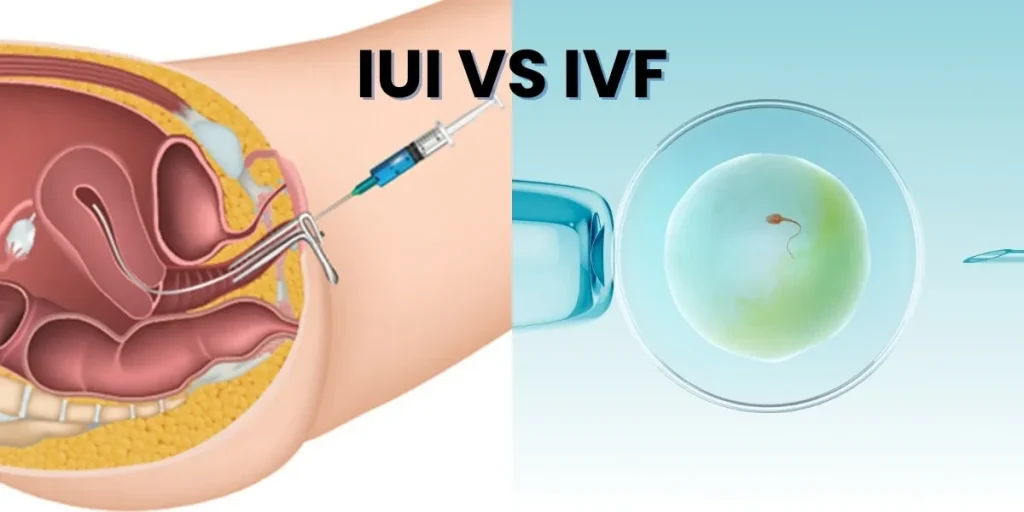
3. Assisted Reproductive Technologies (ART): ART involves procedures such as intrauterine insemination (IUI) or in vitro fertilization (IVF) to help fertilize an egg with sperm outside of the body and then implant it into the uterus.
4. Lifestyle changes: Making healthy lifestyle choices, such as quitting smoking, reducing alcohol consumption, and maintaining a healthy weight, can also improve fertility.
Breaking the Stigma Surrounding Male Infertility
Despite the fact that male infertility is a common issue, there is still a stigma surrounding it. Men may feel embarrassed or emasculated by their fertility struggles and may be hesitant to seek help. This stigma can also lead to a lack of awareness and understanding about male infertility, making it even more difficult for men to open up about their experiences.
It is important to break the stigma surrounding male infertility and create a safe and supportive environment for men to seek help and support. Here are a few ways we can do this:
1. Educate yourself and others: By learning more about male infertility and sharing that knowledge with others, we can help to break the stigma and create a more understanding and supportive community.
2. Encourage open communication: Encourage men to talk about their experiences with infertility and create a safe space for them to do so. This can help to break down barriers and reduce feelings of shame and isolation.
3. Show support and empathy: Struggling with infertility can be emotionally and mentally draining for both men and women. Show your support and empathy for those who are going through this journey.
4. Normalize seeking help: Seeking medical help for fertility struggles should be seen as a normal and responsible action, rather than something to be ashamed of.
Seeking Help for Male Infertility
If you or your partner are struggling with male infertility, it is important to seek help from a medical professional. They can help determine the underlying cause of infertility and recommend the best course of treatment. Remember, seeking help for male infertility is not something to be ashamed of, and breaking the stigma can help to create a more supportive and understanding community for those going through this struggle.
In conclusion, male infertility is a common issue that affects many couples worldwide. It is caused by a variety of factors and can be treated through various methods. However, the stigma surrounding male infertility can make it difficult for men to seek help and support. By breaking the stigma, we can create a more understanding and supportive community for those struggling with male infertility.