Blog Post:
Infertility is a complex issue that affects millions of couples around the world. While infertility can be caused by a variety of factors, male infertility is a significant contributing factor in almost half of all cases. Male infertility is defined as the inability of a man to impregnate a fertile female. This can be due to a number of reasons such as low sperm count, poor sperm quality, or blockages in the reproductive system. In this blog post, we will be discussing the role of male infertility in the process of conception and comparing the methods of artificial insemination and natural conception.
Male infertility can have a significant impact on a couple’s ability to conceive. In many cases, couples may try for months or even years to get pregnant before realizing that there may be an issue with the male partner’s fertility. One of the most common causes of male infertility is a low sperm count. A low sperm count means that there are fewer sperm available to fertilize the female egg, making it more difficult to achieve pregnancy.
Poor sperm quality is another common cause of male infertility. This refers to the shape, movement, and overall health of the sperm. If the sperm are not able to swim efficiently or have abnormalities in their shape, they may not be able to reach and fertilize the egg. Certain lifestyle factors such as smoking, excessive alcohol consumption, and drug use can also impact sperm quality and contribute to male infertility.
Another factor that can contribute to male infertility is blockages in the reproductive system. These blockages can be caused by infections, injuries, or surgeries, and can prevent sperm from being ejaculated or reaching the egg. In some cases, these blockages can be treated with surgery, but in others, they may be permanent.
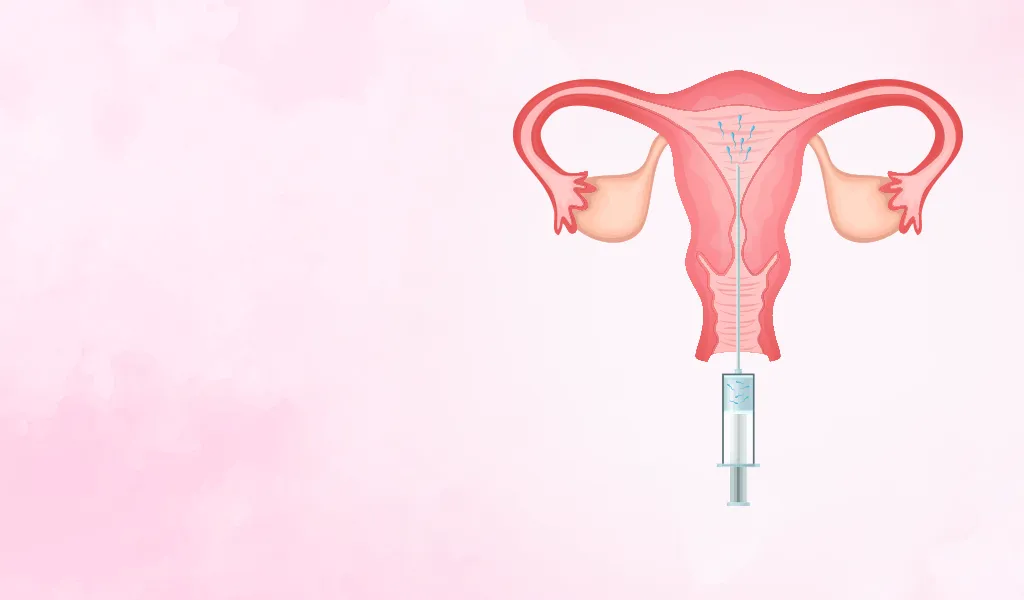
When faced with male infertility, couples often turn to assisted reproductive techniques such as artificial insemination. This involves collecting sperm from the male partner and injecting it directly into the female’s reproductive tract, increasing the chances of fertilization. Artificial insemination can be performed using the male partner’s sperm or donor sperm, depending on the specific situation.
The Role of Male Infertility: Artificial Insemination and Natural Conception Compared
One of the main advantages of artificial insemination is that it bypasses any issues with the male partner’s reproductive system. This means that even if there are blockages or low sperm count, the sperm can still be directly introduced to the female’s reproductive tract, increasing the chances of pregnancy. Additionally, artificial insemination can be a less invasive and more affordable option compared to other assisted reproductive techniques.
However, artificial insemination does have its limitations. It does not address any underlying issues with sperm quality or quantity, and therefore may not be successful in cases where these factors are the cause of male infertility. It also does not guarantee pregnancy and may require multiple attempts before achieving success.
On the other hand, natural conception refers to the process of getting pregnant through sexual intercourse. In this method, the male partner’s sperm is ejaculated into the female’s reproductive tract during intercourse, and fertilization occurs naturally. Natural conception can be a more intimate and less invasive option for couples, as it involves the natural act of lovemaking.
However, natural conception may not be an option for couples facing male infertility. In cases where there are severe sperm abnormalities or blockages, natural conception may not be possible. It also relies on timing and ovulation, meaning that couples may have a limited window each month to try and conceive. This can be stressful and frustrating for couples who have been trying to get pregnant for a long time.
In conclusion, male infertility can play a significant role in a couple’s ability to conceive. While artificial insemination and natural conception are both viable options for couples facing male infertility, they have their own advantages and limitations. Artificial insemination can be a more effective option for couples with specific male infertility issues, while natural conception may be preferred by couples who want a more natural approach. Ultimately, the best course of action will depend on each couple’s individual situation and preferences. Consulting with a fertility specialist can help determine the best option for achieving the dream of parenthood.
Summary:
Male infertility can be a major factor in a couple’s ability to conceive, with low sperm count, poor sperm quality, and blockages in the reproductive system being common causes. To overcome male infertility, couples may turn to artificial insemination or natural conception. Artificial insemination involves injecting sperm directly into the female’s reproductive tract, while natural conception relies on sexual intercourse. Both methods have their own advantages and limitations, and the best option will depend on the individual situation and preferences of the couple.