The Battle of the Sexes: Comparing Male and Female Infertility Treatments
Infertility affects millions of couples worldwide, and it can be a challenging and emotional journey for those trying to conceive. While both men and women can experience fertility issues, the treatments available for each gender can differ significantly. In this blog post, we will explore the differences between male and female infertility treatments, and how these treatments have evolved over the years.
Understanding Male and Female Infertility
Before delving into the treatments, it is essential to understand the causes of male and female infertility. Female infertility is typically caused by issues such as hormonal imbalances, ovulation problems, or structural abnormalities in the reproductive system. On the other hand, male infertility can be caused by low sperm count, poor sperm motility, or structural problems in the male reproductive system.
Male Infertility Treatments
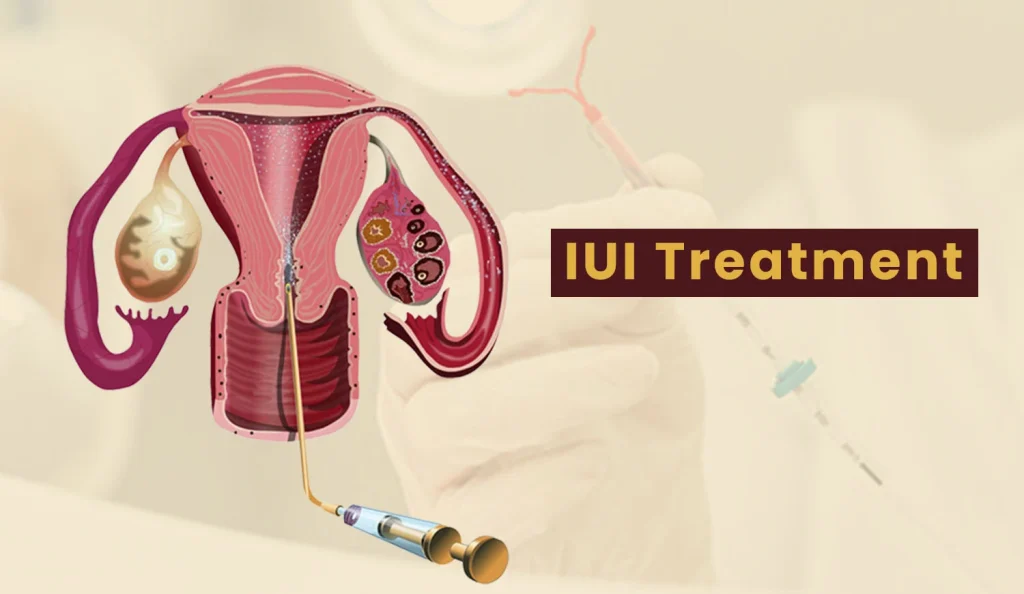
One of the most common treatments for male infertility is intrauterine insemination (IUI). This procedure involves inserting washed and concentrated sperm directly into the uterus during the woman’s ovulation period, increasing the chances of conception. It is a relatively simple and non-invasive procedure, making it a popular choice for couples struggling with male infertility.
In cases where the male partner has extremely low sperm count or poor sperm motility, in vitro fertilization (IVF) may be recommended. This treatment involves retrieving sperm directly from the testicles and fertilizing the egg in a laboratory setting. The fertilized embryo is then transferred into the woman’s uterus, increasing the chances of conception.
Another option for male infertility is intracytoplasmic sperm injection (ICSI), which is often used in conjunction with IVF. This procedure involves injecting a single sperm directly into the egg, bypassing any potential issues with sperm motility or low count. ICSI has been a game-changer for couples struggling with male infertility, as it significantly increases the chances of fertilization.
Female Infertility Treatments
The most common treatment for female infertility is ovulation induction, which involves taking medication to stimulate the ovaries to produce more eggs. This treatment is often used in conjunction with IUI to increase the chances of conception. Ovulation induction is a relatively simple and non-invasive treatment, but it does carry a risk of multiple pregnancies.
The Battle of the Sexes: Comparing Male and Female Infertility Treatments
In cases where ovulation induction is not successful, or if the cause of infertility is due to structural issues in the reproductive system, IVF may be recommended. This treatment involves retrieving eggs directly from the ovaries, fertilizing them with sperm in a laboratory, and then transferring the resulting embryo into the uterus. IVF has a higher success rate than other treatments, making it a popular choice for couples struggling with female infertility.
In some cases, the cause of female infertility may be due to a blocked or damaged fallopian tube. In such cases, a surgical procedure called laparoscopy may be recommended. This minimally invasive surgery involves using a small camera to examine the reproductive organs and potentially remove any blockages or scar tissue.
The Evolution of Infertility Treatments
Over the years, advancements in medical technology have led to significant improvements in infertility treatments for both men and women. For instance, the development of ICSI has greatly improved the chances of fertilization for couples struggling with male infertility. Similarly, the use of ovulation induction and IVF has become more refined and effective for treating female infertility.
In recent years, there has also been a growing interest in complementary and alternative treatments for infertility. These treatments, such as acupuncture and herbal supplements, aim to improve overall health and well-being, which can potentially enhance fertility. While there is limited scientific evidence to support the effectiveness of these treatments, many couples have reported success with their use.
The Emotional Impact of Infertility Treatments
Infertility can take a toll on a couple’s emotional and mental well-being, and the treatments can also be emotionally taxing. The uncertainty and disappointment that often accompany failed attempts at conception can lead to feelings of frustration, sadness, and even depression. It is essential for couples to seek emotional support and counseling throughout their fertility journey to cope with these challenges.
In Conclusion
Infertility treatments for both men and women have come a long way, offering hope to couples struggling to conceive. While there are differences in the treatments available for each gender, they all aim to help couples achieve their dream of starting a family. With advancements in technology and a better understanding of the causes of infertility, the battle of the sexes in the realm of fertility is gradually being won, with more and more couples successfully overcoming their fertility challenges.
Summary:
Infertility is a widespread issue that affects both men and women. However, the treatments available for male and female infertility can differ significantly. Male infertility treatments include intrauterine insemination, in vitro fertilization, and intracytoplasmic sperm injection. On the other hand, female infertility treatments include ovulation induction, in vitro fertilization, and laparoscopy. With advancements in technology and a better understanding of the causes of infertility, these treatments have become more refined and effective. Additionally, there has been a growing interest in complementary and alternative treatments for infertility. The emotional impact of infertility and its treatments can be significant, and it is essential for couples to seek emotional support throughout their fertility journey.
Leave a Reply