Navigating the Options: A Guide to Male and Female Infertility Treatments
Infertility is a condition that affects millions of couples worldwide, causing emotional, physical, and financial stress. Both men and women can experience fertility issues, and it can be a challenging and overwhelming journey to navigate the various treatment options available. In this blog post, we will provide a comprehensive guide to the different male and female infertility treatments, their effectiveness, risks, and costs.
Understanding Male and Female Infertility
Before diving into the treatments, it’s essential to understand what causes male and female infertility. In women, infertility can be caused by issues such as ovulation disorders, blocked fallopian tubes, or uterine problems. In men, the most common cause is sperm abnormalities, including low sperm count, poor sperm motility, or abnormal sperm shape.
It’s crucial to seek medical advice and undergo fertility testing to determine the underlying cause of infertility before starting any treatment. Identifying the cause can help determine the most suitable treatment plan for couples.
Female Infertility Treatments
1. Fertility Medications
Fertility medications are often the first line of treatment for women with ovulation disorders. These medications work by stimulating the ovaries to produce more eggs, increasing the chances of pregnancy. The most commonly used fertility medications include Clomiphene citrate, Gonadotropins, and Metformin. These medications can be taken orally, injected, or inserted vaginally, depending on the specific medication.
2. Intrauterine Insemination (IUI)
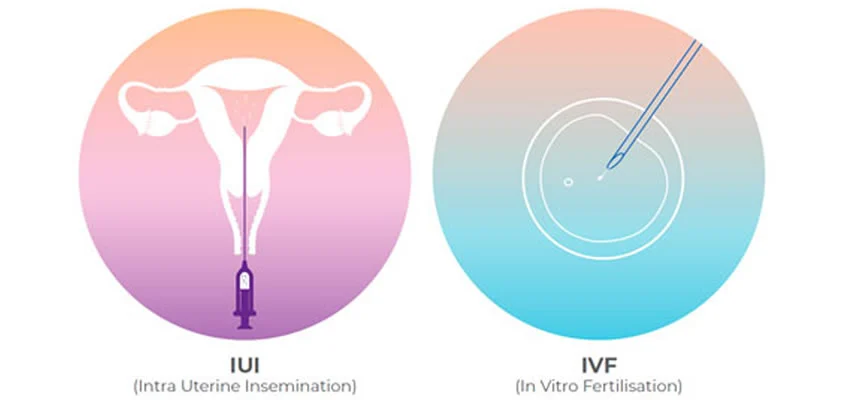
IUI is a procedure that involves placing sperm directly into the uterus during ovulation. It’s often used in combination with fertility medications to increase the chances of pregnancy. IUI is a less invasive and less expensive option compared to other fertility treatments. However, it’s only suitable for couples with mild fertility issues and may not be effective for more severe cases.
3. In vitro Fertilization (IVF)
IVF is a more advanced and costly fertility treatment option for women. It involves collecting eggs from the ovaries, fertilizing them with sperm in a lab, and then transferring the resulting embryos into the uterus. IVF is suitable for couples with severe fertility issues, including blocked fallopian tubes, advanced maternal age, or endometriosis. However, it’s a more invasive and time-consuming process, and there is a risk of multiple pregnancies.
4. Surgery
In some cases, female infertility may be caused by structural issues such as uterine fibroids, polyps, or endometriosis. In these cases, surgery may be recommended to correct the issue and improve the chances of pregnancy. However, surgery is usually considered a last resort option and may not always be successful.
Navigating the Options: A Guide to Male and Female Infertility Treatments
Male Infertility Treatments
1. Surgery
In some cases, male infertility may be caused by physical obstructions, such as a blocked vas deferens or epididymis. In these cases, surgery may be recommended to remove the blockage and improve sperm flow. However, surgery is not always successful, and there is a risk of complications.
2. Medications
Medications can also be prescribed for men with sperm abnormalities, such as low sperm count or poor sperm motility. These medications work by increasing sperm production or improving sperm quality. However, they may take a few months to show results, and they may not work for all men.
3. Assisted Reproductive Techniques (ART)
ART involves collecting sperm from the male partner and using it to fertilize the female partner’s eggs in a lab. The most common ART procedures include Intracytoplasmic Sperm Injection (ICSI) and Intrauterine Insemination (IUI). ART is often used in combination with fertility medications to increase the chances of pregnancy.
4. Donor Sperm
In cases where the male partner’s sperm is not suitable for fertilization, donor sperm can be used in ART procedures. Donor sperm is thoroughly screened for diseases and genetic disorders to ensure the health of the child.
Navigating the Emotional and Financial Aspects of Infertility Treatments
Infertility treatments can be emotionally and financially draining for couples. It’s essential to have open communication and seek support from loved ones throughout the process. It’s also crucial to understand the financial implications of each treatment option and discuss them with your healthcare provider. Some treatments may be covered by insurance, while others may require out-of-pocket expenses.
Final Thoughts
Dealing with infertility can be a challenging and emotional journey for couples. However, with the right information, support, and guidance, it’s possible to navigate the options and find a suitable treatment plan. It’s essential to work closely with your healthcare provider to determine the best course of action for your specific situation.
In summary, male and female infertility treatments include fertility medications, intrauterine insemination, in vitro fertilization, surgery, and assisted reproductive techniques. Each option has its own effectiveness, risks, and costs, and it’s crucial to seek medical advice to determine the most suitable treatment plan. It’s also essential to consider the emotional and financial aspects of infertility treatments and have open communication and support throughout the process.