Blog Post Title: Behind Closed Doors: The Realities of Male and Female Infertility Treatments
Infertility affects millions of couples worldwide, with about 10-15% of couples struggling to conceive. While infertility is often seen as a female issue, the reality is that it can affect both men and women equally. In recent years, there has been a growing awareness and acceptance of male infertility, leading to the rise of fertility treatments for men. However, the journey to parenthood through fertility treatments is not an easy one and is often filled with physical, emotional, and financial challenges. In this blog post, we will take a closer look at the realities of male and female infertility treatments, the challenges couples face, and the impact it has on their lives.
The Stigma Surrounding Infertility
One of the most significant challenges that couples face when dealing with infertility is the stigma attached to it. While medical advancements have made it possible for couples to seek treatment, the societal pressure to have children is still prevalent. The inability to conceive naturally can make couples feel ashamed, inadequate, and even guilty. This stigma is particularly harsh for men, as society often places the responsibility of fertility solely on women. As a result, many men may feel isolated and reluctant to seek help, leading to a delay in treatment.
Male Infertility: Causes and Treatments
Male infertility is often caused by issues with sperm production, function, or delivery. These problems can be due to a variety of factors, such as genetic disorders, hormonal imbalances, or medical conditions like diabetes or infections. In some cases, lifestyle factors such as smoking, excessive alcohol consumption, and drug use can also contribute to male infertility. To diagnose male infertility, a semen analysis is usually performed to evaluate the quantity and quality of sperm. Once the cause of infertility is identified, a treatment plan can be recommended.
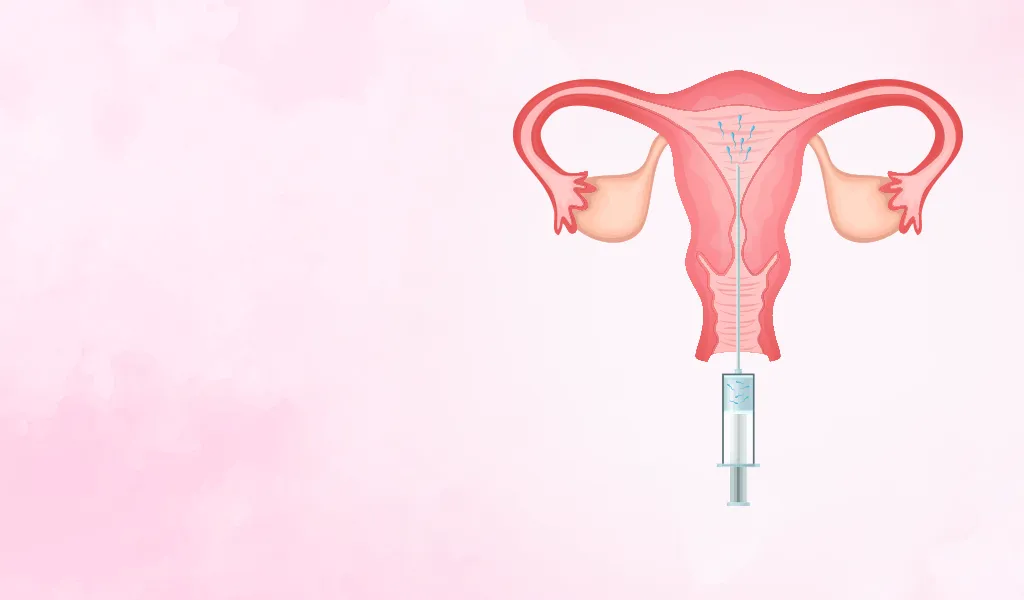
The most common treatment for male infertility is assisted reproductive technology (ART), which includes procedures like intrauterine insemination (IUI) and in vitro fertilization (IVF). These procedures involve collecting sperm from the male partner and transferring it to the female partner’s reproductive system, increasing the chances of fertilization. In cases where sperm production is impaired, techniques like intracytoplasmic sperm injection (ICSI) can be used, where a single sperm is injected directly into an egg.
Female Infertility: Causes and Treatments
Female infertility can also be caused by a variety of factors, such as hormonal imbalances, ovulation disorders, or structural issues in the reproductive system. Age can also play a significant role, as fertility declines with age, particularly after the age of 35. Like male infertility, a thorough evaluation is necessary to identify the cause of female infertility, which can include blood tests, ultrasound, and other imaging techniques.
Behind Closed Doors: The Realities of Male and Female Infertility Treatments
The most common treatment for female infertility is also ART, which involves stimulating the ovaries to produce multiple eggs, which are then retrieved and fertilized in a laboratory. The resulting embryos are then transferred to the uterus, increasing the chances of pregnancy. Other treatments for female infertility may include surgery to correct structural issues or medications to regulate ovulation.
The Emotional Toll of Infertility Treatments
The journey to parenthood through infertility treatments can take a toll on a couple’s emotional well-being. The constant cycles of hope and disappointment, coupled with the stress of the procedures and the uncertainty of the outcome, can be overwhelming. Many couples also struggle with the financial burden of infertility treatments, which can be expensive and not always covered by insurance. All these factors can put a strain on a couple’s relationship and individual mental health.
Support and Coping Strategies
It is crucial for couples undergoing infertility treatments to have a strong support system. Talking to friends and family can provide emotional support, but it is also essential to find a community of people going through similar experiences. Many support groups and online forums offer a safe space for couples to share their struggles, seek advice, and find comfort in knowing they are not alone.
It is also essential for couples to take care of their emotional and mental well-being during this challenging time. Finding healthy ways to cope with the stress, such as exercise, meditation, or therapy, can help alleviate some of the emotional burden. It is also crucial for couples to communicate openly and support each other throughout the process.
In conclusion, the realities of male and female infertility treatments go far beyond the physical procedures. Couples dealing with infertility face many challenges, including societal stigma, emotional struggles, and financial burdens. It is essential to raise awareness and destigmatize infertility, and provide support and resources for those struggling with it. With advancements in technology and growing acceptance of male infertility, the journey towards parenthood through fertility treatments can become a little less daunting.
Summary:
Infertility affects millions of couples worldwide, and while it is often seen as a female issue, it can affect both men and women equally. The stigma surrounding infertility can make it challenging for couples to seek help and can lead to feelings of shame, inadequacy, and guilt. Male infertility is often caused by issues with sperm production, and the most common treatment is assisted reproductive technology (ART). Female infertility, on the other hand, can be caused by a variety of factors, and ART is also the most common treatment. The journey to parenthood through infertility treatments can take a toll on a couple’s emotional well-being, and it is crucial to have a strong support system and healthy coping strategies. Raising awareness and providing support for those struggling with infertility is essential for couples to navigate this challenging journey.