Blog Post:
Conception is a miracle of life that allows us to continue the human race. However, for many couples, conceiving a child can be a challenging and emotional journey. Infertility affects approximately 1 in 8 couples, and it can be caused by various factors in both men and women. Fortunately, advancements in medical technology have led to various treatments for both male and female infertility. In this blog post, we will delve into the science behind conception and how infertility treatments work.
Understanding Conception
Conception is the process of fertilization, where a sperm cell from a male fertilizes an egg cell from a female. This process usually occurs in the fallopian tubes, where the egg and sperm meet. The fertilized egg then travels down the fallopian tube to the uterus, where it implants itself into the uterine lining and begins to develop into a baby.
Male Infertility and Treatments
Male infertility can be caused by various factors, including low sperm count, abnormal sperm shape, and poor sperm motility. These issues can be due to genetic factors, hormonal imbalances, or lifestyle choices such as smoking and excessive alcohol consumption. In some cases, a previous injury or infection can also affect male fertility.
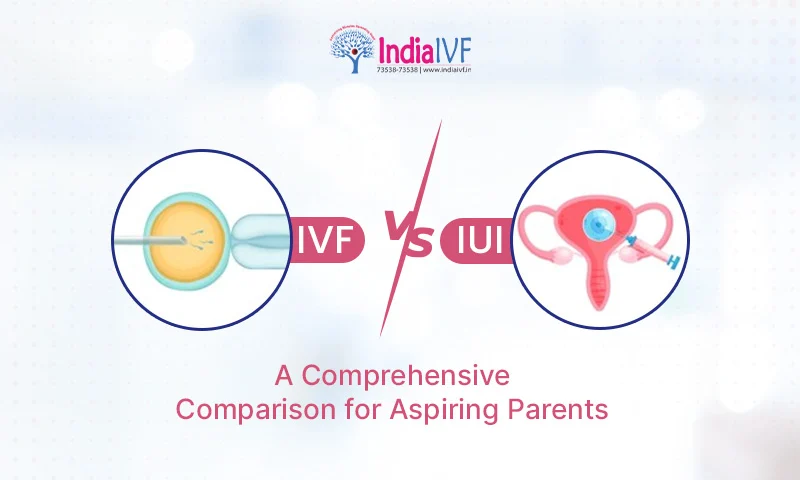
One of the most common treatments for male infertility is intrauterine insemination (IUI). This procedure involves injecting washed and concentrated sperm directly into the uterus, bypassing any issues with sperm motility. IUI is a relatively simple and non-invasive procedure, and it can increase the chances of conception for couples struggling with male infertility.
Another treatment option for male infertility is in vitro fertilization (IVF). This process involves retrieving sperm from a male and eggs from a female and fertilizing them in a laboratory setting. The fertilized embryos are then transferred back into the female’s uterus, where they can develop into a baby. IVF can be a more complex and expensive treatment, but it can also be more successful for couples with severe male infertility issues.
Female Infertility and Treatments
Female infertility can be caused by various factors, including ovulation disorders, blocked fallopian tubes, and uterine abnormalities. Age also plays a significant role in female fertility, as women are born with a finite number of eggs, and their quality and quantity decrease with age.
The Science Behind Conception: How Male and Female Infertility Treatments Work
One of the most common treatments for female infertility is ovulation induction. This involves taking medications to stimulate the ovaries and increase the chances of ovulation. Ovulation induction can be done using oral medications or injectable hormones, and it can help women with ovulation disorders or those who do not ovulate regularly.
Another treatment option for female infertility is intrauterine insemination (IUI). As mentioned earlier, this procedure can also be used for male infertility, but it can also help women with ovulation disorders. By placing the washed and concentrated sperm directly into the uterus, it can increase the chances of fertilization for women who have difficulty ovulating.
In vitro fertilization (IVF) is also a common treatment for female infertility. Just like with male infertility, IVF involves retrieving eggs from a female and fertilizing them in a laboratory setting. The fertilized embryos are then transferred back into the uterus, where they can develop into a baby. IVF can be a more complex and expensive treatment, but it can also be more successful for women with severe infertility issues or older women who may have a lower egg quality.
The Role of Genetics in Infertility
In some cases, infertility can be caused by genetic factors. These can include chromosomal abnormalities, inherited conditions, or genetic mutations. In these cases, genetic testing can be done to identify any underlying genetic issues that may be affecting fertility. This information can then be used to guide treatment options and improve the chances of conceiving a healthy child.
The Importance of a Healthy Lifestyle
While medical treatments can help with infertility, it is essential to remember that a healthy lifestyle can also play a crucial role in fertility. Maintaining a healthy weight, exercising regularly, and avoiding harmful substances like tobacco and excessive alcohol can improve fertility in both men and women. It is also essential to manage any underlying health conditions that may affect fertility, such as diabetes or thyroid disorders.
In conclusion, the science behind conception and infertility treatments is complex and ever-evolving. Thanks to advancements in medical technology, couples struggling with infertility have various treatment options available to them. Whether it is male or female infertility or a combination of both, there is hope for couples to conceive and start a family. It is essential to seek help from a fertility specialist and maintain a healthy lifestyle to increase the chances of a successful conception.
Summary:
Conception is the process of fertilization, where a sperm from a male fertilizes an egg from a female. Infertility affects 1 in 8 couples and can be caused by various factors in both men and women. Treatments for male infertility include intrauterine insemination (IUI) and in vitro fertilization (IVF). For female infertility, treatments include ovulation induction, IUI, and IVF. Genetics can also play a role in infertility, and maintaining a healthy lifestyle is crucial for fertility. Seeking help from a fertility specialist and maintaining a healthy lifestyle can increase the chances of successful conception.
Leave a Reply