Blog Post:
Infertility is a deeply personal and emotional struggle for many couples. For those who are trying to conceive, it can feel like a constant uphill battle filled with disappointment, frustration, and heartache. However, with advancements in reproductive technology, there are now more options available to help couples overcome infertility and start a family. Two of the most commonly discussed treatments are intrauterine insemination (IUI) and timed intercourse. In this blog post, we will break down the stigma surrounding these treatments and discuss their effectiveness, pros and cons, and how they compare to each other.
Breaking the Stigma: Understanding Infertility
Before diving into the specifics of IUI and timed intercourse, it’s essential to first understand what infertility is and how it affects couples. Infertility is defined as the inability to conceive a child after one year of trying for couples under 35 years old and six months for couples over 35 years old. Infertility affects approximately 1 in 8 couples, and it can be caused by a variety of factors, including age, medical conditions, hormonal imbalances, and lifestyle choices.
The emotional toll of infertility is often overlooked and underestimated. For couples struggling to conceive, it can lead to feelings of shame, guilt, and even depression. Many couples also face social stigma and pressure from family and friends, making their journey even more challenging. It’s essential to break the stigma surrounding infertility and create a safe and supportive space for couples to explore their options.
Intrauterine Insemination (IUI)
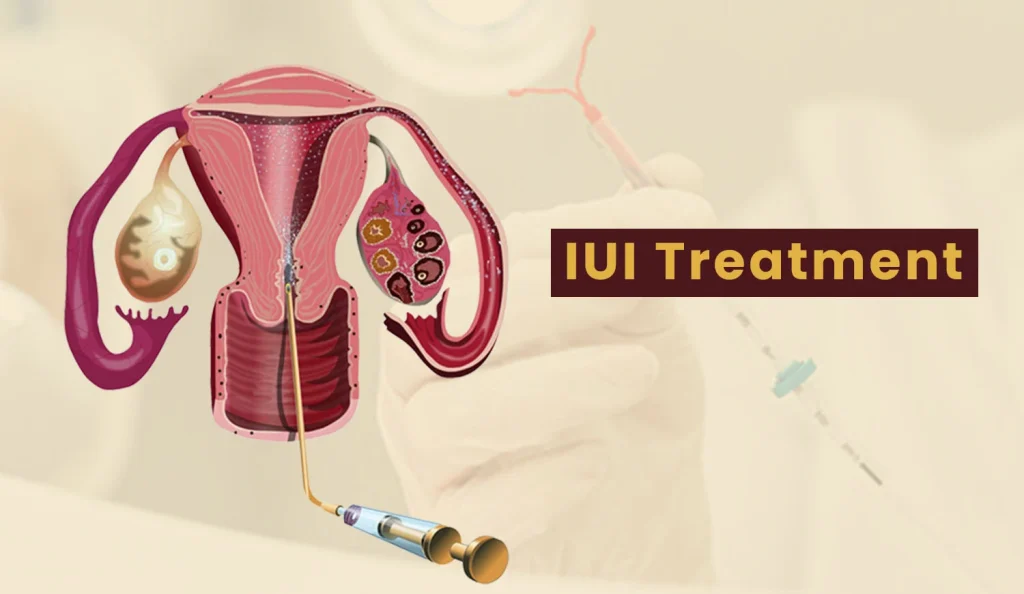
Intrauterine insemination, also known as artificial insemination, is a fertility treatment that involves inserting sperm directly into a woman’s uterus. This procedure is typically used for couples with unexplained infertility, mild male factor infertility, or when the male partner has difficulty ejaculating. The process starts with the male partner providing a sperm sample, which is then washed and prepared in a laboratory to concentrate the healthiest sperm. The prepared sperm is then inserted into the uterus using a thin, flexible catheter.
Effectiveness of IUI
The success rate of IUI varies depending on several factors, including the woman’s age, cause of infertility, and the quality of the sperm used. On average, the success rate of IUI is 10-20% per cycle, and most couples will require multiple cycles to achieve pregnancy. However, when combined with fertility drugs, the success rate can increase up to 20-35% per cycle.
Pros and Cons of IUI
One of the main advantages of IUI is that it is a less invasive and more affordable option compared to other fertility treatments, such as in vitro fertilization (IVF). It also allows couples to use the male partner’s sperm, making it a more natural process. However, IUI may not be suitable for couples with severe male factor infertility or blocked fallopian tubes. It also does not address underlying fertility issues, such as endometriosis or low ovarian reserve, making it less effective in these cases.
Timed Intercourse
Timed intercourse, also known as the “natural” way of conceiving, involves having sex during a woman’s most fertile days to increase the chances of pregnancy. This method requires tracking ovulation through methods such as basal body temperature charting, ovulation predictor kits, and fertility tracking apps. The goal is to have sex during the woman’s fertile window, which is typically 2-3 days before and after ovulation.
Effectiveness of Timed Intercourse
The success rate of timed intercourse depends on several factors, including the woman’s age, frequency of intercourse, and the accuracy of tracking ovulation. On average, the chances of pregnancy with timed intercourse are around 15-25% per cycle. However, this method may not be as effective for couples with irregular ovulation or underlying fertility issues.
Pros and Cons of Timed Intercourse
One of the significant advantages of timed intercourse is that it is a natural and non-invasive method of conception. It also allows couples to have more control over the process and be more involved in their journey. However, it can be emotionally and physically taxing for couples to have sex on a schedule, especially if they have been trying to conceive for a long time. It also requires precise timing and tracking, which can be challenging and stressful for some couples.
IUI vs. Timed Intercourse: Which is the Right Choice?
When it comes to choosing between IUI and timed intercourse, there is no one-size-fits-all answer. Both methods have their advantages and disadvantages, and the right choice will depend on each couple’s unique situation. For couples with unexplained infertility or mild male factor infertility, IUI may be a suitable option. On the other hand, couples who prefer a more natural approach and have regular ovulation may opt for timed intercourse.
It’s also essential to consider the emotional and financial factors when making a decision. While IUI may be more affordable, it may not be the best choice for couples with underlying fertility issues, which can add to the emotional toll of the process. On the other hand, timed intercourse may require more time, effort, and expense in tracking ovulation, but it may be a more comfortable and less invasive option for some couples.
Breaking the Stigma: Seeking Support
Whether couples choose IUI or timed intercourse, it’s crucial to seek support from their healthcare provider, loved ones, and support groups. Infertility can be a lonely and isolating experience, but having a strong support system can make a significant difference in coping with the challenges and finding the right treatment.
It’s also essential to remember that infertility does not define a person or a couple. There are many alternative paths to parenthood, including adoption and surrogacy, and every journey is unique and valid.
In summary, breaking the stigma surrounding infertility is crucial in creating a supportive and understanding environment for couples struggling to conceive. Both IUI and timed intercourse are viable options for couples, and the right choice will depend on each couple’s individual needs and circumstances. Seeking support and being open to alternative paths to parenthood can help couples navigate this emotional journey and eventually achieve their dream of starting a family.
Leave a Reply