Intrauterine insemination (IUI) and timed intercourse are two commonly used fertility treatments for couples struggling to conceive. Both methods involve the use of sperm to fertilize an egg, but there are some key differences between the two. One factor that plays a crucial role in the success of these treatments is the quality of sperm. In this blog post, we will explore the differences between IUI and timed intercourse and how sperm quality affects conception.
First, let’s understand what IUI and timed intercourse entail. Intrauterine insemination (IUI) is a fertility treatment where washed and concentrated sperm is placed directly into a woman’s uterus during her ovulation period. This procedure is usually done in a doctor’s office and involves minimal discomfort. On the other hand, timed intercourse involves having sex during the woman’s fertile window, which is typically around the time of ovulation. This method relies on the natural process of sperm reaching the egg through intercourse.
Now, let’s dive deeper into the role of sperm quality in these two treatments. Sperm quality is determined by several factors, including sperm count, motility (ability to move), morphology (shape and size), and overall health. Studies have shown that couples with low sperm quality may have difficulty conceiving through natural means, making fertility treatments like IUI and timed intercourse a viable option.
In the case of IUI, sperm quality is crucial as the washed and concentrated sperm is directly placed into the uterus, increasing the chances of fertilization. If the sperm quality is poor, the chances of successful fertilization decrease significantly. This is why doctors often recommend men with low sperm quality to undergo treatments to improve their sperm quality before undergoing IUI.
Similarly, timed intercourse also relies on sperm quality for successful conception. During the fertile window, the egg is only viable for a short period, and the sperm needs to be of high quality to reach and fertilize the egg. If the sperm quality is low, it may not be able to reach the egg, resulting in unsuccessful conception. This is why couples trying to conceive through timed intercourse may also need to focus on improving sperm quality.
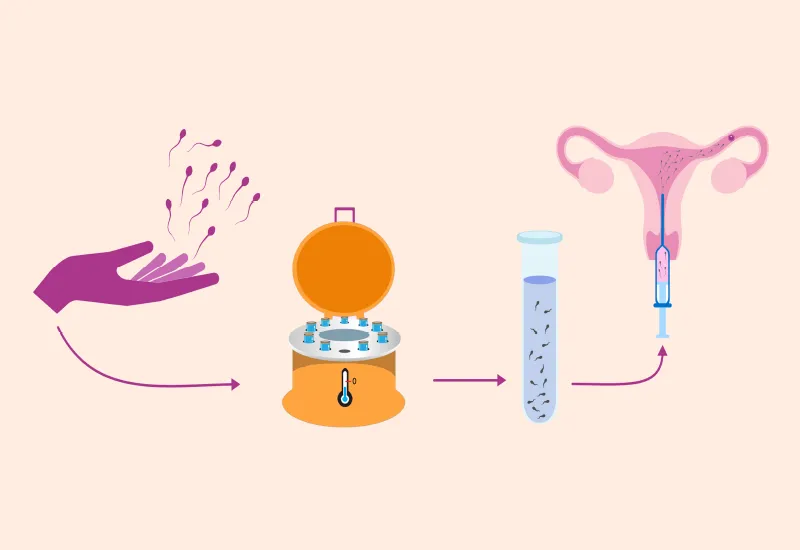
Intrauterine Insemination vs Timed Intercourse: The Role of Sperm Quality in Conception
So, what factors can affect sperm quality? One major factor is lifestyle habits. Smoking, excessive alcohol consumption, and drug use can all have a negative impact on sperm quality. Obesity, poor diet, and high stress levels can also contribute to poor sperm quality. Therefore, making healthy lifestyle choices and reducing stress can significantly improve sperm quality.
Age is another factor that can affect sperm quality. As men age, the quality and quantity of their sperm may decrease. This is because the body’s ability to produce healthy sperm declines with age. This is why older couples may have a harder time conceiving through natural means and may need fertility treatments like IUI or timed intercourse.
In addition to lifestyle and age, certain medical conditions and medications can also impact sperm quality. Medical conditions such as diabetes, testicular infections, and hormonal imbalances can affect sperm production and quality. Certain medications, such as those used for chemotherapy or to treat high blood pressure, may also have a negative impact on sperm quality.
If a couple is considering IUI or timed intercourse, it is essential to have the male partner’s sperm quality evaluated by a doctor. This can be done through a semen analysis, which measures sperm count, motility, and morphology. Based on the results, the doctor can determine the best course of action for conception, whether it be IUI, timed intercourse, or other fertility treatments.
In conclusion, sperm quality plays a crucial role in the success of both IUI and timed intercourse. Couples struggling to conceive should focus on improving sperm quality through healthy lifestyle choices and seeking medical help if needed. By understanding the importance of sperm quality and taking necessary steps to improve it, couples can increase their chances of successful conception.
In summary, IUI and timed intercourse are two fertility treatments that rely on sperm quality for successful conception. Sperm quality is determined by various factors, including lifestyle habits, age, and medical conditions. Couples struggling to conceive should focus on improving sperm quality through healthy lifestyle choices and seek medical help if needed. By doing so, they can increase their chances of successful conception through IUI or timed intercourse.