Tag: Infertility

  • Fertility Coaches: Nurturing Your Mind, Body, and Soul through the Fertility Journey

    Summary:

    The journey towards starting a family is an emotional and physically demanding process, especially for those struggling with fertility issues. In such a difficult and sensitive time, having a fertility coach by your side can make all the difference. Fertility coaches are trained professionals who provide support and guidance throughout the fertility journey, helping individuals and couples navigate the complex world of infertility. From addressing emotional and mental health concerns to implementing healthy lifestyle changes, fertility coaches offer a holistic approach to fertility, nurturing the mind, body, and soul. In this blog post, we will explore the role of fertility coaches and how they can support individuals and couples on their journey towards parenthood.

    Introduction:

    According to the World Health Organization, 1 in 4 couples worldwide experience fertility problems. The journey towards parenthood can be challenging and emotionally taxing for those struggling with infertility. The constant cycle of hope and disappointment, along with the physical and financial stress of fertility treatments, can take a toll on one’s mental and emotional well-being. This is where fertility coaches come in – to provide much-needed support and guidance during this difficult time.

    What is a Fertility Coach?

    A fertility coach is a trained professional who specializes in providing support and guidance to those struggling with infertility. They work closely with individuals and couples to help them navigate the complex world of fertility treatments while addressing underlying emotional and mental health concerns. Fertility coaches are not medical professionals, but they work in collaboration with fertility doctors and other healthcare providers to offer a holistic approach to fertility.

    Nurturing the Mind:

    The fertility journey can be emotionally draining, and it is essential to take care of one’s mental health during this time. Fertility coaches offer a safe and non-judgmental space for individuals and couples to express their feelings and emotions. They provide coping strategies and tools to manage stress, anxiety, and other mental health concerns that may arise during the fertility journey. Fertility coaches also help individuals and couples address any unresolved feelings or traumas related to infertility, which may be hindering their chances of conceiving.
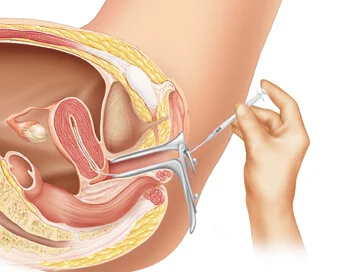
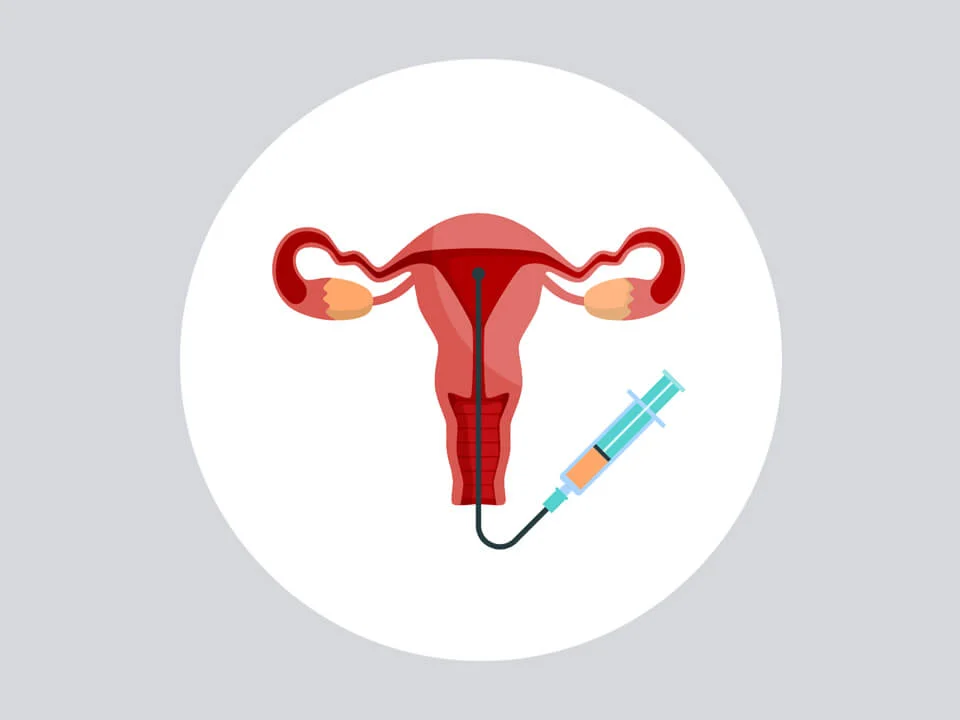
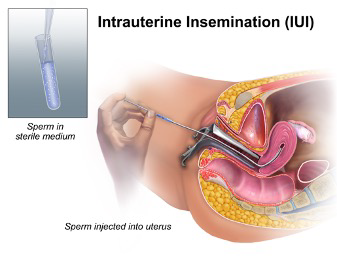
    illustration of intrauterine insemination procedure with a hand holding a speculum and syringe near the uterus

    Fertility Coaches: Nurturing Your Mind, Body, and Soul through the Fertility Journey

    Nurturing the Body:

    Fertility coaches also focus on nurturing the body through healthy lifestyle changes. They work with individuals and couples to develop personalized nutrition plans and exercise routines that support fertility and overall well-being. Fertility coaches also educate their clients about the impact of factors such as diet, exercise, and environmental toxins on fertility. They may also recommend alternative treatments such as acupuncture, yoga, or meditation to improve overall health and increase chances of conception.

    Nurturing the Soul:

    Infertility can take a toll on one’s spiritual well-being, and fertility coaches address this aspect as well. They help individuals and couples explore their beliefs and values and how they may be affecting their fertility journey. Fertility coaches also offer guidance on finding inner peace and acceptance, regardless of the outcome of fertility treatments. They may also incorporate relaxation techniques and mindfulness practices to help individuals and couples stay grounded and connected to their inner selves.

    Support throughout the Fertility Journey:

    Fertility coaches provide continuous support throughout the fertility journey. They are there to celebrate the highs and offer comfort during the lows. They also act as a liaison between their clients and the medical team, providing clarity and understanding of the treatments and procedures. Fertility coaches also offer practical advice and resources, such as support groups and online communities, for individuals and couples to connect with others going through a similar experience.

    Conclusion:

    The journey towards parenthood can be challenging, but having a fertility coach by your side can make all the difference. Fertility coaches offer a holistic approach to fertility, nurturing the mind, body, and soul. They provide support, guidance, and education to individuals and couples struggling with infertility, helping them navigate the complex world of fertility treatments. With their help, individuals and couples can feel empowered, supported, and emotionally prepared for the journey towards parenthood.
  • Fertility Counseling: A Tool for Coping with the Emotional Toll of Infertility

    Title: Fertility Counseling: A Tool for Coping with the Emotional Toll of Infertility

    Infertility affects approximately 10-15% of couples worldwide, leading to feelings of isolation, stress, and despair. The emotional toll of infertility can be overwhelming and often goes unaddressed, causing further distress for individuals and couples. Fertility counseling is a valuable tool for coping with the emotional toll of infertility, providing support, guidance, and coping strategies for those struggling to conceive.

    Fertility counseling is a form of therapy that specifically addresses the emotional, psychological, and relational challenges of infertility. It is designed to help individuals and couples navigate the complex and often traumatic journey of trying to conceive. Fertility counselors are trained professionals who specialize in working with clients facing fertility issues, and they provide a safe and confidential space for clients to explore their feelings and concerns.

    One of the primary benefits of fertility counseling is its focus on addressing the emotional aspects of infertility. While medical interventions such as in vitro fertilization (IVF) or other fertility treatments can address the physical aspects of infertility, they often do not address the emotional impact. Fertility counseling can help individuals and couples process and cope with the feelings of grief, loss, and disappointment that accompany infertility. It can also provide a space to explore the complex emotions that arise when dealing with fertility treatments, such as hope, fear, and anxiety.

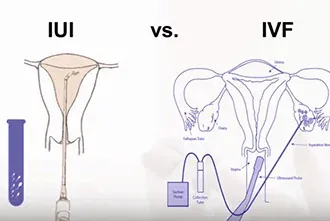
    Comparison of IUI and IVF treatments with diagrams of reproductive anatomy.

    Fertility Counseling: A Tool for Coping with the Emotional Toll of Infertility

    Fertility counseling can also assist individuals and couples in managing the stress and strain of infertility. The constant uncertainty, disappointment, and financial burden of fertility treatments can take a toll on mental health. Fertility counselors can provide clients with practical tools and techniques to cope with stress, such as relaxation techniques, mindfulness practices, and stress management strategies. They can also help clients develop healthy coping mechanisms and support systems to manage the emotional rollercoaster of infertility.

    Moreover, fertility counseling can help improve communication and strengthen relationships between partners. Infertility can put a strain on even the strongest of relationships, as the process of trying to conceive can be emotionally and physically draining. Fertility counselors can facilitate open and honest communication between partners, helping them express their feelings and needs in a safe and non-judgmental environment. They can also provide partners with tools and strategies to support each other through the ups and downs of infertility, ultimately strengthening their bond.

    In addition to individual and couples counseling, fertility counseling can also provide support groups for individuals and couples struggling with infertility. These support groups offer a sense of community and understanding, as members can share their experiences and offer each other support and encouragement. Support groups can also provide a platform for individuals and couples to learn from others who have gone through similar experiences, providing a sense of hope and empowerment.

    It is essential to note that fertility counseling is not solely for individuals or couples experiencing infertility. It can also be beneficial for those who have undergone fertility treatments and are now facing the challenges of pregnancy or parenting after infertility. Fertility counselors can help individuals and couples navigate the complex emotions that arise during this time, such as fear of loss or guilt for those who have successfully conceived while others are still struggling.

    In conclusion, fertility counseling is a valuable tool for coping with the emotional toll of infertility. It provides a safe and supportive space for individuals and couples to process their feelings, manage stress, improve communication, and find a sense of community. Fertility counselors are trained professionals who specialize in working with clients facing fertility issues, and they can offer practical tools and techniques to cope with the emotional challenges of infertility. Seeking fertility counseling is a brave and proactive step towards healing and finding hope during the difficult journey of infertility.

  • Fertility Counselors: Providing a Safe Space for Processing the Complexities of Infertility

    Blog Post Title: Fertility Counselors: Providing a Safe Space for Processing the Complexities of Infertility

    Summary:

    Infertility is a complex and emotionally taxing experience that affects millions of couples and individuals worldwide. The journey towards parenthood can be filled with challenges, disappointments, and a range of difficult emotions. For many, the support and guidance of a fertility counselor can make all the difference in navigating this journey.

    Fertility counselors are mental health professionals who specialize in providing support to individuals and couples struggling with fertility issues. They offer a safe and confidential space for individuals to process their emotions, fears, and concerns related to infertility. This blog post will explore the role of fertility counselors in helping individuals and couples cope with the complexities of infertility.

    The Impact of Infertility on Mental Health

    The inability to conceive or carry a pregnancy to term can have a significant impact on a person’s mental health. The stress, grief, and feelings of loss associated with infertility can lead to depression, anxiety, and even post-traumatic stress disorder (PTSD). Moreover, the financial strain, social isolation, and strain on relationships can also contribute to the emotional toll of infertility.

    Fertility counselors recognize the psychological impact of infertility and are trained to provide support and therapeutic interventions to help individuals and couples cope with these challenges. They understand that infertility is not just a medical issue but a deeply personal and emotional experience that requires a holistic approach to treatment.

    Creating a Safe and Supportive Environment

    One of the primary roles of fertility counselors is to create a safe and supportive environment for their clients. They provide a non-judgmental space where individuals and couples can open up about their feelings, concerns, and fears without fear of being judged or stigmatized. This safe space allows for the exploration of complicated and often conflicting emotions, such as anger, guilt, and grief, that may arise during the fertility journey.

    Illustration of intrauterine insemination (IUI) procedure, showing sperm injection into the uterus.

    Fertility Counselors: Providing a Safe Space for Processing the Complexities of Infertility

    Fertility counselors also offer a supportive and empathetic ear, helping their clients feel heard and understood. They recognize that each person’s experience with infertility is unique and tailor their approach to meet the individual needs of their clients.

    Navigating the Fertility Treatment Process

    Fertility treatment can be overwhelming and confusing for many individuals and couples. Fertility counselors can help navigate the complex world of fertility treatments, providing information, and support every step of the way. They can help individuals and couples make informed decisions about their treatment options, manage the stress and anxiety associated with treatments, and provide coping strategies to deal with any potential setbacks.

    In cases where fertility treatments are unsuccessful, fertility counselors can also offer support and guidance in making decisions about alternative paths to parenthood, such as adoption or surrogacy. They can also help individuals and couples cope with the grief and loss that may come with the end of their fertility journey.

    Managing the Impact on Relationships

    Infertility can put a strain on even the strongest of relationships. The stress and emotional toll of fertility struggles can lead to communication breakdowns, feelings of resentment, and strain on intimacy. Fertility counselors can help couples navigate these challenges, providing tools and strategies to improve communication, manage conflict, and maintain intimacy during this difficult time.

    In cases where the fertility struggles result in the end of a relationship, fertility counselors can provide support and guidance in navigating the separation or divorce process. They can also offer individual therapy to help individuals cope with the emotional fallout of a relationship breakdown.

    Final Thoughts

    The journey towards parenthood can be a challenging and emotionally taxing experience for individuals and couples struggling with infertility. Fertility counselors provide a much-needed safe and supportive space for individuals to process their emotions, navigate the complex world of fertility treatments, and manage the impact of infertility on relationships. Their expertise in the psychological aspects of infertility can make a significant difference in helping individuals and couples cope with the complexities of this journey.

    In conclusion, fertility counselors play a vital role in providing support and guidance to individuals and couples struggling with infertility. They offer a safe and confidential space for individuals to process their emotions, navigate fertility treatments, and manage the impact on their mental health and relationships. If you or someone you know is struggling with infertility, seeking the help of a fertility counselor can provide much-needed support and guidance during this difficult time.

  • Fertility Coaching for Couples: Navigating the Emotional and Practical Aspects of Fertility

    Fertility struggles can be a difficult and emotional journey for couples. Not only do they have to navigate the physical aspects of trying to conceive, but they also have to deal with the emotional toll it can take on their relationship. Fertility coaching has emerged as a valuable resource for couples going through this experience, offering support and guidance in both the practical and emotional aspects of fertility. In this blog post, we will discuss the benefits of fertility coaching for couples and how it can help them navigate the ups and downs of trying to conceive.

    First and foremost, it is important to understand what fertility coaching is and what it entails. Fertility coaching is a specialized form of coaching that focuses on helping couples through the process of trying to conceive. It is a personalized and holistic approach that addresses both the physical and emotional aspects of fertility. A fertility coach is trained and experienced in working with couples who are struggling with fertility issues. They provide support, guidance, and resources to help couples through their journey.

    One of the main benefits of fertility coaching is the emotional support it provides for couples. Going through fertility struggles can be a rollercoaster of emotions, and having a non-judgmental and understanding coach to talk to can make a significant difference. A fertility coach can provide a safe space for couples to express their fears, frustrations, and concerns without feeling judged. They can also offer coping mechanisms and tools to help couples navigate the emotional challenges of fertility.

    Moreover, fertility coaching can also help couples to better understand the practical aspects of fertility. Trying to conceive can be overwhelming, with many different factors to consider such as tracking ovulation, monitoring hormone levels, and understanding fertility treatments. A fertility coach can educate couples about their fertility and help them make informed decisions about their options. They can also provide resources and referrals to trusted medical professionals and fertility specialists.

    Illustration of a uterus with a syringe, representing intrauterine insemination (IUI) procedure.

    Fertility Coaching for Couples: Navigating the Emotional and Practical Aspects of Fertility

    In addition, fertility coaching can help couples improve their overall well-being. The stress and anxiety of fertility struggles can take a toll on the physical and mental health of both partners. A fertility coach can help couples develop healthy coping mechanisms, such as relaxation techniques and self-care practices, to manage stress and improve their well-being. They can also provide guidance on nutrition, exercise, and other lifestyle changes that can positively impact fertility.

    Another benefit of fertility coaching is the support it provides for the partner who may not be directly experiencing fertility issues. Often, the focus is on the partner who is trying to conceive, but it is essential to recognize that the experience also affects the other partner. Fertility coaching can help both partners understand each other’s perspectives and provide tools to support each other through the journey.

    Fertility coaching can also help couples improve their relationship during this challenging time. The stress of fertility struggles can strain even the strongest of relationships. A fertility coach can work with couples to strengthen their communication, rebuild intimacy, and develop strategies to handle conflict. They can also provide support for couples who may be struggling with the decision to continue with fertility treatments or explore other options such as adoption or surrogacy.

    In summary, fertility coaching offers a unique and valuable support system for couples going through fertility struggles. It addresses both the emotional and practical aspects of fertility and provides personalized support and guidance. With the help of a fertility coach, couples can navigate the ups and downs of trying to conceive with less stress and more understanding, leading to a healthier and happier journey towards parenthood.

  • Fertility Counseling for Men: Addressing the Emotional Impact of Infertility

    Blog Post Title: Fertility Counseling for Men: Addressing the Emotional Impact of Infertility

    Summary:

    Infertility is a difficult and emotionally taxing experience for couples, and it can be particularly hard on men. While much of the focus in fertility counseling is on the woman, it is important to recognize that men also experience a great deal of stress, anxiety, and sadness when facing infertility issues. In this blog post, we will explore the emotional impact of infertility on men and the role of fertility counseling in addressing these challenges.

    Firstly, it is important to acknowledge that men are often overlooked when it comes to fertility issues. The cultural expectation for men to be strong and stoic can make it difficult for them to express their feelings and seek help. However, the reality is that infertility can have a profound effect on men’s mental health, self-esteem, and relationships. Men may feel a sense of failure or inadequacy, which can lead to feelings of guilt, shame, and even depression.

    One of the main benefits of fertility counseling for men is that it provides a safe and non-judgmental space for them to express their emotions and concerns. It allows men to break free from the societal expectations and talk openly about their struggles with infertility. A trained counselor can help men explore their feelings and learn coping strategies to navigate the ups and downs of the fertility journey.

    Comparison chart of IUI and IVF treatments, detailing medications, monitoring, procedures, and success rates.

    Fertility Counseling for Men: Addressing the Emotional Impact of Infertility

    Another crucial aspect of fertility counseling for men is addressing the impact of infertility on relationships. Infertility can put a strain on even the strongest of relationships, and it is not uncommon for couples to experience conflict and distance during this time. Fertility counseling can help men and their partners communicate effectively and understand each other’s perspectives. It also provides a platform to discuss the changes in their intimate and sexual lives, which can be affected by fertility treatments and procedures.

    Furthermore, fertility counseling can also help men deal with the stress and anxiety that often accompany the fertility journey. The uncertainty and pressure of trying to conceive can be overwhelming, and men may struggle with feelings of helplessness and loss of control. A therapist can teach men relaxation techniques and mindfulness practices to manage their stress levels and improve their overall well-being.

    It is also essential to address the impact of infertility on men’s self-esteem. Society often equates masculinity with virility and fatherhood, which can make men feel inadequate and emasculated when facing infertility. Fertility counseling can help men work through these feelings and find ways to rebuild their self-confidence and sense of masculinity.

    Lastly, fertility counseling can also provide support and guidance for men when making difficult decisions related to fertility treatments. Men may feel pressured to make decisions quickly and may be unsure about what is best for them and their partner. A therapist can provide a safe space for men to discuss their options, weigh the pros and cons, and make informed decisions that align with their values and goals.

    In conclusion, infertility can have a profound emotional impact on men, and fertility counseling can play a crucial role in addressing these challenges. It provides a safe and supportive environment for men to express their feelings, improve their relationships, manage stress and anxiety, boost their self-esteem, and make informed decisions. By recognizing the importance of addressing men’s emotional needs in fertility counseling, we can better support couples on their fertility journey and help them cope with the challenges of infertility.

  • Fertility Coaches: Building a Strong Support System for Your Fertility Journey

    Summary:

    Fertility struggles can be emotionally and physically taxing, and many couples and individuals feel overwhelmed and lost when trying to navigate their journey towards parenthood. This is where fertility coaches come in – they provide a strong support system to help individuals and couples through their fertility journey. In this blog post, we will delve into the role of fertility coaches, the benefits of having one on your team, and how to choose the right coach for you.

    Firstly, what exactly is a fertility coach? A fertility coach is a trained professional who specializes in providing support and guidance to individuals and couples who are struggling with infertility. They work closely with their clients to create personalized plans, provide emotional support, and help navigate the complex world of fertility treatments.

    One of the main benefits of having a fertility coach is the emotional support they provide. Going through fertility struggles can be isolating and emotionally draining, and having someone to talk to who understands and can offer guidance can make a huge difference. Fertility coaches also act as a sounding board, helping their clients work through their emotions and fears, and providing a safe space to express their feelings without judgment.

    In addition to emotional support, fertility coaches also offer practical guidance. They are well-versed in the various fertility treatments available and can help their clients make informed decisions about which treatments may be best for them. They also provide education on fertility and reproductive health, helping their clients understand their bodies and the fertility process better.

    Comparison of IUI and IVF treatments with diagrams of reproductive anatomy.

    Fertility Coaches: Building a Strong Support System for Your Fertility Journey

    Another significant benefit of having a fertility coach is the personalized support they offer. Every individual’s fertility journey is unique, and a fertility coach recognizes this. They work closely with their clients to create personalized plans based on their specific needs, goals, and values. This individualized approach can be incredibly beneficial, as it allows clients to feel like they have a partner in their journey rather than a one-size-fits-all approach.

    Choosing the right fertility coach is crucial, as they will play a significant role in your fertility journey. The first step is to do your research and gather recommendations from friends, family, or your healthcare provider. You can also search for fertility coaches online and read reviews from past clients. Once you have a list of potential coaches, schedule a consultation with them to get a feel for their coaching style and see if it is a good fit for you. It is vital to choose someone you feel comfortable with and can trust to guide you through this sensitive and challenging process.

    In addition to individual fertility coaches, there are also group coaching programs available. These programs offer the benefits of individual coaching, but with the added support and camaraderie of a group setting. Many individuals find comfort in knowing they are not alone in their struggles and can connect with others who are going through a similar experience.

    One common misconception about fertility coaches is that they are only helpful for those undergoing fertility treatments. However, fertility coaches can also provide support for those who are trying to conceive naturally or considering alternative paths to parenthood, such as adoption or surrogacy. They can help individuals and couples navigate these options and provide support no matter what path they choose.

    In conclusion, fertility coaches play a vital role in supporting individuals and couples on their fertility journey. They offer emotional and practical guidance, personalized support, and can be a valuable part of your support system. If you are struggling with infertility, consider working with a fertility coach to help you navigate this challenging and emotional time.

  • Fertility Coaches vs Fertility Specialists: Understanding the Differences

    Blog Post Title: Fertility Coaches vs Fertility Specialists: Understanding the Differences

    In recent years, the field of fertility has seen a rise in the popularity of fertility coaches. These coaches offer support and guidance to individuals and couples struggling with fertility issues, promising to help them achieve their dream of starting a family. However, there is often confusion about the role of a fertility coach and how it differs from that of a fertility specialist. In this blog post, we will explore the differences between fertility coaches and fertility specialists, and why it is important to understand these distinctions.

    Fertility Coaches:
    Fertility coaches are not medical professionals and do not have any formal medical training. They are typically individuals who have gone through their own fertility struggles and have successfully conceived a child. They may also have a background in holistic health, nutrition, or counseling. Fertility coaches offer emotional support, advice on lifestyle changes, and help with navigating the fertility journey. They may also provide resources and recommendations for alternative fertility treatments such as acupuncture, naturopathy, or herbal supplements.

    One of the main benefits of working with a fertility coach is the emotional support they can provide. Fertility struggles can be incredibly isolating and overwhelming, and having someone who understands and can offer guidance can be very helpful. Fertility coaches also often have a more holistic approach, focusing on the mind-body connection and how it can impact fertility. They may also offer practical advice on nutrition, exercise, and stress management, which can play a significant role in fertility.

    However, it is important to note that fertility coaches are not trained medical professionals and should not be relied upon for medical advice. They can offer support and guidance, but they cannot diagnose or treat any medical conditions. If you are struggling with fertility issues, it is crucial to seek the expertise of a fertility specialist.

    Fertility Specialists:
    Fertility specialists, also known as reproductive endocrinologists, are medical doctors who specialize in diagnosing and treating fertility issues. They have completed extensive training in obstetrics and gynecology, followed by a fellowship in reproductive endocrinology and infertility. Fertility specialists have a deep understanding of the complex hormonal, medical, and genetic factors that can impact fertility. They have access to advanced diagnostic tools and fertility treatments, such as in vitro fertilization (IVF), intrauterine insemination (IUI), and other assisted reproductive technologies.

    Illustration of intrauterine insemination (IUI) procedure with syringe and catheter in the uterus.

    Fertility Coaches vs Fertility Specialists: Understanding the Differences

    One of the main advantages of working with a fertility specialist is their medical expertise and access to advanced treatments. They can conduct thorough evaluations, diagnose any underlying medical conditions, and develop personalized treatment plans based on each patient’s unique needs. Fertility specialists also have a team of nurses, embryologists, and other healthcare professionals to support them in providing comprehensive care.

    It is also worth noting that fertility specialists can diagnose and treat both male and female fertility issues. In contrast, fertility coaches typically focus on the female partner’s journey and may not have the knowledge or expertise to address male fertility concerns.

    So, Which One Do You Need?
    The answer to this question depends on your individual situation and needs. If you are struggling with fertility issues and have not yet sought medical advice, it is essential to start by consulting a fertility specialist. They can conduct necessary tests and evaluations to determine the cause of your fertility struggles and provide appropriate medical treatment.

    However, if you have already been diagnosed with a medical condition impacting your fertility, or if you are undergoing fertility treatments, working with a fertility coach can be a beneficial addition to your treatment plan. They can offer emotional support and guidance, as well as practical advice on lifestyle changes that can improve your chances of conception.

    In summary, fertility coaches and fertility specialists play different roles in the fertility journey. Fertility coaches offer emotional support and guidance, while fertility specialists provide medical expertise and treatment. It is essential to understand these distinctions and seek the appropriate help for your specific needs.

    In conclusion, while fertility coaches and fertility specialists both have a role to play in the fertility journey, they offer different types of support. Fertility coaches can provide emotional support and practical advice, while fertility specialists offer medical expertise and treatment. It is crucial to seek the appropriate help for your specific needs and to ensure that you are receiving the best care possible in your journey towards starting a family.

  • The Benefits of Combining Fertility Coaching and Counseling for a Comprehensive Approach

    Blog Post:

    Fertility is a topic that can bring about a range of emotions. For many, it is a journey filled with hope, excitement, and anticipation. However, for others, it can also be a source of stress, frustration, and disappointment. The road to parenthood is not always easy, and for those struggling with fertility issues, it can be a difficult and emotionally taxing experience.

    In recent years, there has been a growing awareness of the benefits of combining fertility coaching and counseling to provide a comprehensive approach to supporting individuals and couples on their fertility journey. While fertility coaching and counseling may seem similar, they each offer unique benefits that, when combined, can provide a holistic and effective approach to addressing the challenges of infertility.

    So, what exactly are fertility coaching and counseling, and how can they work together to support individuals and couples on their journey to parenthood?

    Fertility Coaching:

    Fertility coaching is a relatively new field that focuses on providing support and guidance for individuals or couples facing fertility challenges. Fertility coaches work with their clients to develop a personalized plan to help them navigate the emotional, physical, and practical aspects of their fertility journey.

    One of the key benefits of fertility coaching is the focus on empowerment and taking an active role in one’s fertility journey. Fertility coaches help their clients set goals, create action plans, and provide support and accountability to help them achieve their desired outcomes. This can be especially beneficial for those feeling overwhelmed or lost in their fertility journey, as it provides a sense of control and direction.

    Fertility coaches also provide education and resources to their clients, helping them better understand their options and make informed decisions. They can also offer strategies for managing stress and anxiety, which are common emotions experienced by those struggling with fertility issues.

    Counseling:

    success rate of IUI in India with a graphic of a uterus and syringe alongside a rising graph

    The Benefits of Combining Fertility Coaching and Counseling for a Comprehensive Approach

    Counseling, on the other hand, focuses on addressing the emotional and psychological aspects of fertility struggles. It provides a safe and non-judgmental space for individuals to explore their feelings and fears surrounding infertility. A counselor can help individuals and couples cope with the emotional toll of fertility challenges and provide them with tools to manage their emotions effectively.

    Counseling can also help couples navigate the strain that infertility can have on their relationship. It provides a platform for open and honest communication, which is crucial for maintaining a strong and supportive relationship during a difficult time.

    Combining Fertility Coaching and Counseling:

    While fertility coaching and counseling may seem like different approaches, they can work together to provide a comprehensive and supportive approach to fertility challenges. By combining the two, individuals and couples can benefit from both the practical guidance and emotional support needed to navigate the ups and downs of their fertility journey.

    Fertility coaching can help individuals set goals and take an active role in their fertility journey, while counseling can provide a safe space to explore and manage the emotional impact of infertility. Together, these approaches can help individuals and couples feel more in control, empowered, and supported.

    Moreover, the collaboration between a fertility coach and counselor can ensure that their clients receive a well-rounded and holistic approach to addressing their fertility challenges. Fertility coaches and counselors can work together to create a personalized plan that takes into account both the emotional and practical aspects of their clients’ journey.

    Additionally, the combination of fertility coaching and counseling can be beneficial for those who have experienced multiple failed attempts at fertility treatments. It can be a difficult and emotionally draining experience, and having the support of both a fertility coach and counselor can help individuals cope and move forward.

    In conclusion, the benefits of combining fertility coaching and counseling are clear. By taking a comprehensive approach to addressing fertility challenges, individuals and couples can feel more empowered, supported, and in control of their journey to parenthood. If you are struggling with fertility issues, consider seeking the support of both a fertility coach and counselor to help you navigate this challenging but ultimately rewarding journey.

    Summary:

    Fertility coaching and counseling can provide a comprehensive and supportive approach to addressing fertility challenges. Fertility coaching offers practical guidance and empowerment, while counseling provides a safe space to manage the emotional impact of infertility. When combined, these approaches can help individuals and couples feel more in control and supported on their fertility journey. Collaboration between a fertility coach and counselor can ensure a well-rounded approach, and it can be especially beneficial for those who have experienced multiple failed fertility treatments.

  • Fertility Counseling for Men: Breaking the Taboo and Embracing Support

    Fertility counseling is a topic that is often associated with women, but it is just as important for men. Despite the fact that men contribute to almost half of all infertility cases, there is a significant lack of attention and support for men’s fertility concerns. This has led to a taboo around the topic of fertility counseling for men, which needs to be broken. It is time for men to embrace support and seek fertility counseling to navigate the emotional and psychological challenges that come with infertility.

    Infertility can be a difficult and emotionally taxing experience for both men and women. However, society tends to place the burden and pressure of fertility solely on women, leaving men feeling isolated and unsupported. It is often assumed that men do not experience the same level of emotional distress as women when faced with infertility, but this is simply not true. Men also struggle with feelings of inadequacy, guilt, and shame when they are unable to conceive a child. This can greatly impact their mental health and overall well-being.

    One of the main reasons for the lack of support for men’s fertility concerns is the societal expectation of traditional masculinity. Men are often expected to be strong, stoic, and unemotional, which can make it difficult for them to open up about their struggles with fertility. As a result, many men suffer in silence, without seeking the help and support they need.

    Another factor contributing to the taboo around fertility counseling for men is the misconception that infertility is solely a female issue. This belief is not only false but also harmful. Men’s fertility can be impacted by a variety of factors, such as genetics, lifestyle choices, and medical conditions. By ignoring men’s fertility concerns, we are not only neglecting their emotional well-being but also hindering the chances of successful conception.

    Fertility counseling for men can provide a safe and supportive space for men to process their emotions and address any underlying issues that may be impacting their fertility. It can also help men and their partners navigate the complex decisions and treatments involved in trying to conceive. Fertility counselors are trained professionals who can offer valuable guidance, support, and coping strategies to help men and their partners cope with the challenges of infertility.

    One of the main benefits of fertility counseling for men is the opportunity to address the psychological impact of infertility. Men may experience a range of emotions, from anger and frustration to sadness and grief, when faced with infertility. These emotions can be overwhelming and can affect their relationships, work, and overall quality of life. Fertility counseling can help men process these emotions and develop healthy coping mechanisms to manage them.

    test tube with sperm in blue liquid, promoting IUI success rate and factors influencing fertility.

    Fertility Counseling for Men: Breaking the Taboo and Embracing Support

    Moreover, fertility counseling can also help men and their partners communicate effectively and strengthen their relationship. Infertility can put a strain on even the strongest of relationships, and it is essential to have open and honest communication to navigate this challenging journey together. Fertility counselors can facilitate these conversations and help couples work through any conflicts or misunderstandings that may arise.

    Fertility counseling can also provide men with practical tools and techniques to improve their overall fertility health. This includes lifestyle changes, such as quitting smoking and reducing alcohol intake, as well as strategies to manage stress and improve overall mental and physical well-being. By addressing these factors, men can increase their chances of successful conception and improve their overall health.

    It is important to note that fertility counseling is not just for couples struggling with infertility. It can also be beneficial for men who are considering or undergoing fertility treatments, such as in vitro fertilization (IVF) or sperm donation. These treatments can be emotionally and physically taxing, and having the support of a fertility counselor can make a significant difference in managing the stress and anxiety that may come with them.

    In addition to individual counseling, there are also support groups specifically for men dealing with fertility issues. These groups provide a sense of community and understanding, as men can share their experiences and support each other through their journey. It can be incredibly empowering for men to connect with others who are going through similar struggles and realize that they are not alone.

    In conclusion, fertility counseling for men is a vital and necessary form of support that needs to be embraced and normalized. It is time to break the stigma and taboo surrounding men’s fertility concerns and encourage men to seek the help and support they need. By doing so, we can promote better mental health and well-being for men and their partners, and increase the chances of successful conception.

    In summary, fertility counseling for men is essential for addressing the emotional and psychological impact of infertility, improving overall fertility health, and strengthening relationships. It is time to break the taboo and encourage men to seek the support they need to navigate the challenges of infertility.

  • Overcoming Stigma: The Role of Fertility Counselors in Breaking Down Barriers

    Blog Post Title: Overcoming Stigma: The Role of Fertility Counselors in Breaking Down Barriers

    Summary:

    Infertility affects millions of people worldwide and can be a challenging and emotionally taxing experience. Unfortunately, along with the physical and emotional struggles, couples dealing with infertility also have to face stigmatization and judgment from society. This stigma can make it even more challenging for couples to seek help and support, leading to feelings of shame, isolation, and hopelessness.

    However, fertility counselors play a crucial role in breaking down these barriers and helping couples overcome the stigma associated with infertility. In this blog post, we will discuss the various ways in which fertility counselors can help individuals and couples struggling with infertility and how they can contribute to destigmatizing infertility.

    1. Providing Emotional Support:

    One of the most significant challenges for couples dealing with infertility is the emotional toll it takes on them. Fertility counselors are trained professionals who can provide much-needed emotional support to couples going through this difficult journey. They create a safe and non-judgmental space for individuals to express their feelings and process their emotions. This support can be crucial in helping individuals cope with the stigma and challenges of infertility.

    2. Educating about Infertility:

    Another essential role of fertility counselors is to educate individuals and couples about infertility. Many people still have misconceptions and myths about infertility, which can contribute to the stigma surrounding it. Fertility counselors can provide accurate information about the causes of infertility, available treatment options, and success rates. By educating their clients, they can help them understand that infertility is a medical condition and not a personal failing, thus reducing the stigma.

    test tube with sperm in blue liquid, promoting IUI success rate and factors influencing fertility.

    Overcoming Stigma: The Role of Fertility Counselors in Breaking Down Barriers

    3. Addressing Stigma and Shame:

    Fertility counselors are also equipped to address the stigma and shame associated with infertility. They can help individuals and couples identify and challenge their negative thoughts and beliefs, which may have been influenced by societal stigma. By addressing these feelings, fertility counselors can help individuals build resilience and develop coping strategies to deal with stigma and shame.

    4. Offering Support Groups:

    Fertility counselors can also bring individuals and couples together in support groups, where they can connect with others who are going through a similar experience. These groups provide a sense of community and belonging, which can be especially helpful for individuals who may feel isolated and alone due to the stigma of infertility. Being part of a supportive community can help individuals feel validated, understood, and less alone in their journey.

    5. Advocating for Change:

    Fertility counselors can also play a vital role in advocating for change and breaking down the barriers that contribute to the stigma of infertility. They can use their knowledge and expertise to educate the public, healthcare professionals, and policymakers about the challenges faced by individuals and couples dealing with infertility. By raising awareness and advocating for change, fertility counselors can help destigmatize infertility and create a more supportive environment for those struggling with it.

    Conclusion:

    Infertility is a complex and challenging issue, and the added stigma and shame can make it even more difficult for individuals and couples to cope with. Fertility counselors have a crucial role to play in breaking down these barriers and providing much-needed support, education, and advocacy. By empowering individuals and couples to address the stigma surrounding infertility, fertility counselors can help them navigate this journey with more confidence and hope.

    In summary, fertility counselors can help individuals and couples dealing with infertility by providing emotional support, education, addressing stigma and shame, offering support groups, and advocating for change. With their expertise and efforts, they can contribute to destigmatizing infertility and creating a more supportive and understanding environment for those struggling with it.