Tag: emotional toll

  • Fertility Counseling: A Tool for Coping with the Emotional Toll of Infertility

    Title: Fertility Counseling: A Tool for Coping with the Emotional Toll of Infertility

    Infertility affects approximately 10-15% of couples worldwide, leading to feelings of isolation, stress, and despair. The emotional toll of infertility can be overwhelming and often goes unaddressed, causing further distress for individuals and couples. Fertility counseling is a valuable tool for coping with the emotional toll of infertility, providing support, guidance, and coping strategies for those struggling to conceive.

    Fertility counseling is a form of therapy that specifically addresses the emotional, psychological, and relational challenges of infertility. It is designed to help individuals and couples navigate the complex and often traumatic journey of trying to conceive. Fertility counselors are trained professionals who specialize in working with clients facing fertility issues, and they provide a safe and confidential space for clients to explore their feelings and concerns.

    One of the primary benefits of fertility counseling is its focus on addressing the emotional aspects of infertility. While medical interventions such as in vitro fertilization (IVF) or other fertility treatments can address the physical aspects of infertility, they often do not address the emotional impact. Fertility counseling can help individuals and couples process and cope with the feelings of grief, loss, and disappointment that accompany infertility. It can also provide a space to explore the complex emotions that arise when dealing with fertility treatments, such as hope, fear, and anxiety.
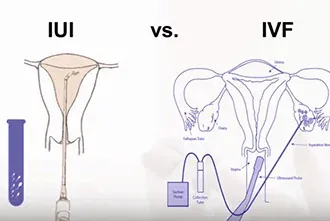
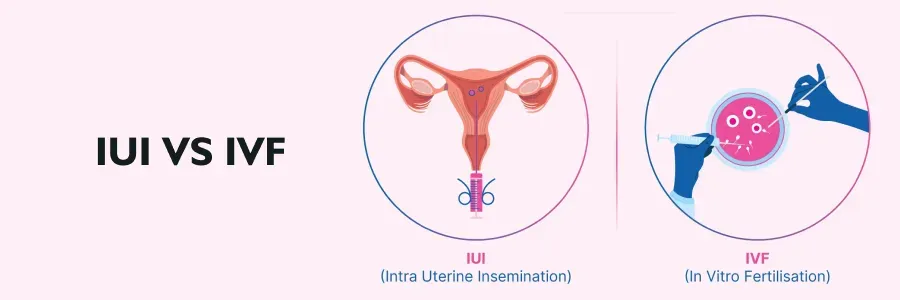
    Comparison of IUI and IVF treatments with diagrams of reproductive anatomy.

    Fertility Counseling: A Tool for Coping with the Emotional Toll of Infertility

    Fertility counseling can also assist individuals and couples in managing the stress and strain of infertility. The constant uncertainty, disappointment, and financial burden of fertility treatments can take a toll on mental health. Fertility counselors can provide clients with practical tools and techniques to cope with stress, such as relaxation techniques, mindfulness practices, and stress management strategies. They can also help clients develop healthy coping mechanisms and support systems to manage the emotional rollercoaster of infertility.

    Moreover, fertility counseling can help improve communication and strengthen relationships between partners. Infertility can put a strain on even the strongest of relationships, as the process of trying to conceive can be emotionally and physically draining. Fertility counselors can facilitate open and honest communication between partners, helping them express their feelings and needs in a safe and non-judgmental environment. They can also provide partners with tools and strategies to support each other through the ups and downs of infertility, ultimately strengthening their bond.

    In addition to individual and couples counseling, fertility counseling can also provide support groups for individuals and couples struggling with infertility. These support groups offer a sense of community and understanding, as members can share their experiences and offer each other support and encouragement. Support groups can also provide a platform for individuals and couples to learn from others who have gone through similar experiences, providing a sense of hope and empowerment.

    It is essential to note that fertility counseling is not solely for individuals or couples experiencing infertility. It can also be beneficial for those who have undergone fertility treatments and are now facing the challenges of pregnancy or parenting after infertility. Fertility counselors can help individuals and couples navigate the complex emotions that arise during this time, such as fear of loss or guilt for those who have successfully conceived while others are still struggling.

    In conclusion, fertility counseling is a valuable tool for coping with the emotional toll of infertility. It provides a safe and supportive space for individuals and couples to process their feelings, manage stress, improve communication, and find a sense of community. Fertility counselors are trained professionals who specialize in working with clients facing fertility issues, and they can offer practical tools and techniques to cope with the emotional challenges of infertility. Seeking fertility counseling is a brave and proactive step towards healing and finding hope during the difficult journey of infertility.
  • The Emotional Toll: Coping with Disappointing At-Home Insemination Success Rates

    The Emotional Toll: Coping with Disappointing At-Home Insemination Success Rates

    For many couples, the idea of starting a family through at-home insemination can be a hopeful and exciting prospect. It offers a more intimate and less stressful alternative to clinical procedures, and can also be more cost-effective. However, despite careful planning and following all the necessary steps, the reality is that at-home insemination success rates can be disappointing for some. This can be an emotionally taxing experience for couples who have put all their hopes and dreams into this process. In this blog post, we will explore the emotional toll that comes with coping with disappointing at-home insemination success rates and offer tips on how to navigate this challenging situation.

    Understanding At-Home Insemination Success Rates

    Before delving into the emotional aspect, it is essential to understand the factors that can contribute to disappointing at-home insemination success rates. The success of at-home insemination depends on various factors such as the quality of the sperm used, timing, and the health of both partners. Additionally, there may be underlying fertility issues that can affect the success rates.

    The emotional rollercoaster of at-home insemination

    The journey of trying to conceive through at-home insemination can be a rollercoaster of emotions. It starts with excitement and anticipation as couples embark on this new chapter in their lives. However, as months go by with unsuccessful attempts, feelings of disappointment, frustration, and even hopelessness can start to creep in. For couples who have been trying to conceive for a while, this can add to the emotional burden they are already carrying.

    Coping with disappointment

    The first and most crucial step in coping with disappointing at-home insemination success rates is acknowledging and accepting your feelings. It is normal to feel sad, angry, or frustrated when things don’t go as planned. It is essential to communicate openly with your partner and share your emotions. Remember, you are in this together, and supporting each other through this difficult time is crucial.

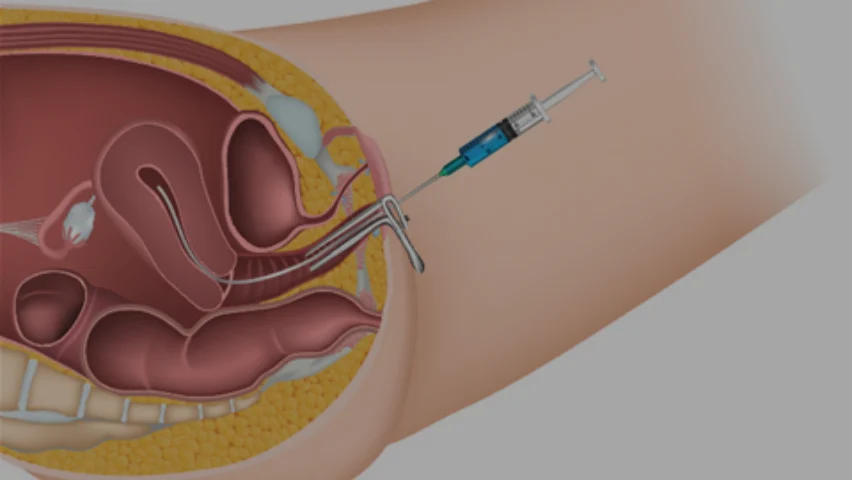
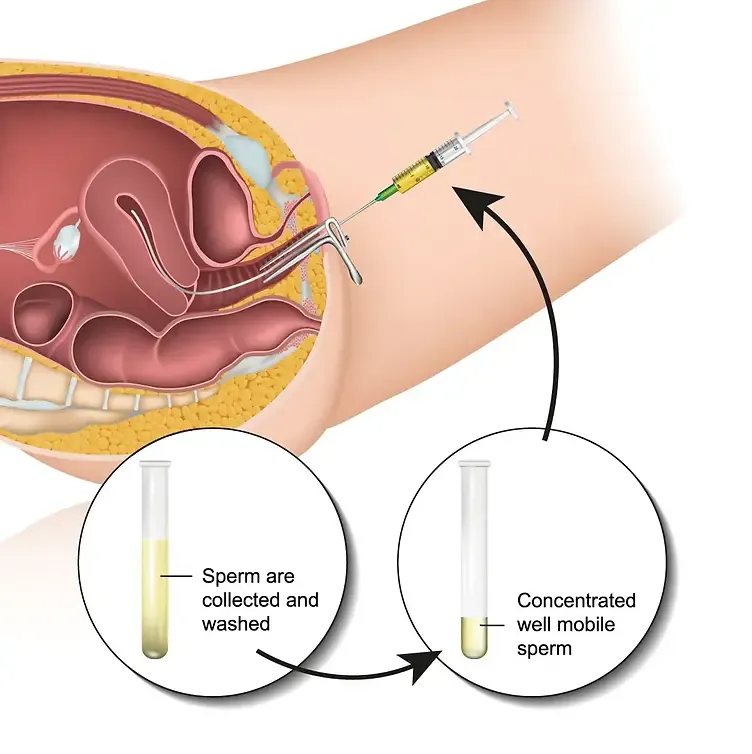
    Illustration of intrauterine insemination process, showing sperm collection and injection into the uterus.

    The Emotional Toll: Coping with Disappointing At-Home Insemination Success Rates

    Seeking support

    It is also helpful to seek support from others who have gone through a similar experience. Joining online support groups or connecting with friends who have gone through at-home insemination can provide a sense of comfort and understanding. It can also be beneficial to seek professional counseling to help navigate and process your emotions.

    Reevaluating and exploring other options

    When faced with disappointing at-home insemination success rates, it may be necessary to reevaluate and explore other options. This can include seeking medical advice and considering alternative methods such as intrauterine insemination (IUI) or in vitro fertilization (IVF). While these options may come with a higher cost, they also have higher success rates.

    Taking care of yourself

    Going through the ups and downs of at-home insemination can take a toll on your physical and mental well-being. It is essential to prioritize self-care during this time. This can include getting enough rest, eating well, and engaging in activities that bring you joy and relaxation. Taking care of yourself will not only help you cope with the emotional toll but also prepare your body for future attempts.

    The importance of staying positive

    Despite the disappointment and setbacks, it is crucial to stay positive and maintain hope. Many couples have successfully conceived through at-home insemination, and you could be one of them. It is important to remember that every journey is different, and your time will come. Staying positive and hopeful can help you through this difficult time.

    In conclusion, navigating through disappointing at-home insemination success rates can be emotionally challenging for couples. It is crucial to acknowledge and accept your feelings, seek support, and take care of yourself. Reevaluating and exploring other options can also provide hope for the future. Remember, you are not alone in this journey, and with patience, perseverance, and support, you will overcome this obstacle and achieve your dream of starting a family.

  • The Emotional Toll of Fertility Treatments: How Supplements Can Help

    Blog Post Title: The Emotional Toll of Fertility Treatments: How Supplements Can Help

    Summary:

    Fertility treatments can be emotionally draining for couples struggling to conceive. The constant disappointment, stress, and financial burden can take a toll on their mental and emotional well-being. However, research has shown that incorporating supplements into their treatment plan can help alleviate some of the emotional strain and improve their chances of success.

    The journey to parenthood can be a rollercoaster of emotions for couples who are struggling with infertility. The stress and pressure of trying to conceive can be overwhelming, and when traditional methods fail, many turn to fertility treatments. While these treatments can offer hope for couples, they also come with their own set of challenges, including the emotional toll it can take on individuals.

    The Emotional Impact of Fertility Treatments:

    Fertility treatments can be a long and challenging process, with no guaranteed outcome. This uncertainty, coupled with the high financial cost, can lead to a rollercoaster of emotions for couples. The constant hope and disappointment can cause feelings of frustration, anger, and sadness, leading to anxiety and depression. Many couples also report feeling isolated and alone, as they may not feel comfortable discussing their struggles with others.

    The emotional impact of fertility treatments can also put a strain on relationships. Couples may experience strain in their marriage as they navigate the ups and downs of treatments. Communication breakdowns and feelings of blame and guilt can also arise, making the journey even more challenging.

    In addition to the emotional toll, fertility treatments can also affect a person’s physical and mental well-being. The hormones used in these treatments can cause side effects such as mood swings, fatigue, and weight gain, further exacerbating the emotional strain.

    How Supplements Can Help:

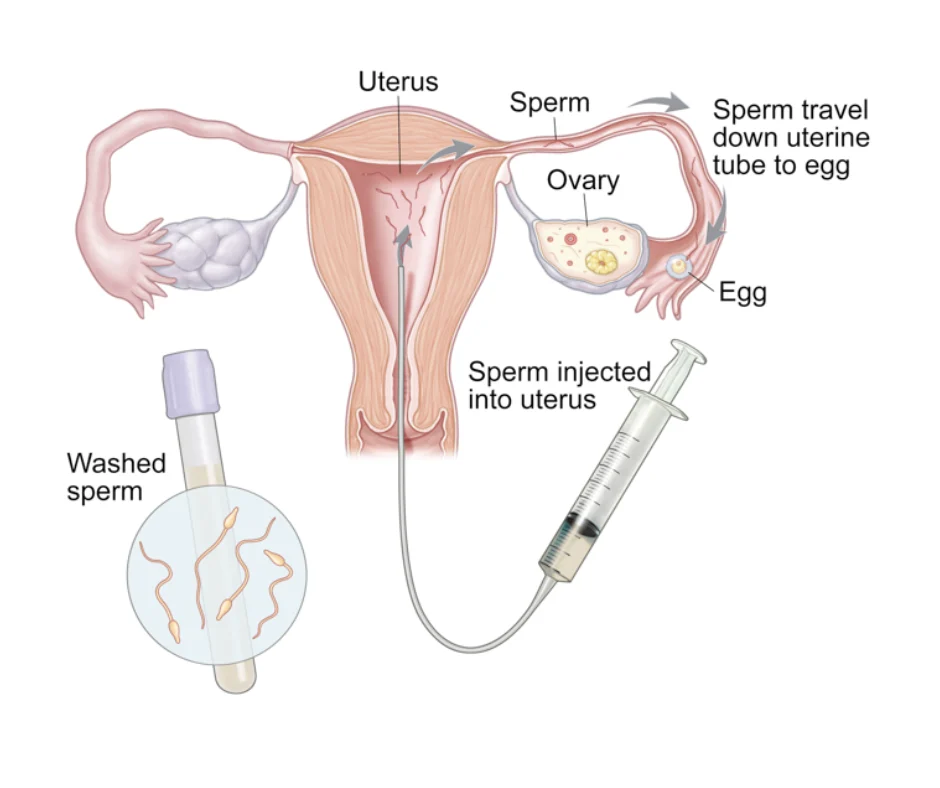
    diagram illustrating intrauterine insemination process, showing sperm injection into the uterus and egg fertilization pathway

    The Emotional Toll of Fertility Treatments: How Supplements Can Help

    While there is no magic pill to take away the emotional burden of fertility treatments, research has shown that certain supplements can help alleviate some of the stress and improve the overall success of treatments.

    1. Omega-3 Fatty Acids: Omega-3 fatty acids have been shown to reduce inflammation and improve mental health. Studies have also shown that they can help regulate hormones and improve the quality of the egg and sperm, increasing the chances of conception.

    2. Vitamin D: Many people are deficient in vitamin D, which can impact fertility. This essential vitamin plays a crucial role in regulating hormones and improving overall reproductive health.

    3. Coenzyme Q10: This antioxidant has been found to improve egg and sperm quality, making it an important supplement for couples undergoing fertility treatments.

    4. B Vitamins: B vitamins are essential for energy production and hormone regulation. They can also help boost mood and reduce stress and anxiety, making them a valuable supplement for couples going through fertility treatments.

    5. Melatonin: This hormone helps regulate sleep and has been found to improve egg quality and the success rates of in vitro fertilization (IVF) treatments.

    Incorporating these supplements into a fertility treatment plan can not only improve the chances of success but also help couples cope with the emotional strain. By supporting overall physical and mental health, these supplements can help alleviate the stress and anxiety that often come with fertility treatments.

    In addition to these supplements, couples can also benefit from seeking emotional support through therapy, support groups, or talking to friends and family. It’s essential to prioritize self-care and find healthy ways to cope with the emotional ups and downs of fertility treatments.

    In conclusion, fertility treatments can be emotionally challenging for couples trying to conceive. However, by incorporating supplements into their treatment plan and seeking emotional support, they can help alleviate some of the stress and improve their chances of success. Remember to prioritize self-care and seek help when needed. With the right support and resources, couples can navigate the emotional toll of fertility treatments and hopefully achieve their dream of parenthood.

  • The Emotional Toll: Intrauterine Insemination vs Donor Insemination

    The Emotional Toll: Intrauterine Insemination vs Donor Insemination

    Deciding to start a family is a major decision, and for some couples, it may not come easily. When facing fertility struggles, there are various options available, including intrauterine insemination (IUI) and donor insemination (DI). While both procedures involve the use of sperm, there are significant differences between the two, especially when it comes to the emotional toll on the couple. In this blog post, we will delve into the emotional aspects of IUI and DI, and how each option may affect couples on their journey to parenthood.

    Understanding Intrauterine Insemination (IUI)
    Intrauterine insemination, also known as artificial insemination, is a fertility treatment that involves placing sperm directly into the uterus during ovulation. This procedure is often used in cases where the male partner has low sperm count or poor sperm motility. In IUI, the sperm is washed and prepared before being inserted into the uterus, increasing the chances of fertilization.

    The Emotional Rollercoaster of IUI
    For couples undergoing IUI, the emotional toll can be significant. The process of preparing for IUI can be physically and emotionally draining, with frequent doctor appointments, hormone injections, and monitoring of ovulation. The wait between the insemination and finding out if it was successful can also be overwhelming, causing anxiety and stress for the couple. If the procedure is unsuccessful, it can lead to feelings of disappointment, frustration, and even guilt.

    Despite the emotional challenges, many couples find hope in IUI as it is a less invasive and more affordable option compared to other fertility treatments. The procedure also allows the couple to use the male partner’s sperm, which can provide a sense of connection and involvement in the process.

    Understanding Donor Insemination (DI)
    Donor insemination, on the other hand, involves using donor sperm from a sperm bank or known donor to fertilize the female partner’s eggs. This option is commonly used for same-sex couples, single women, or couples with male factor infertility. DI can also be used when the male partner has a genetic condition that could be passed on to the child.

    Comparison of IUI and IVF with illustrations of each procedure.

    The Emotional Toll: Intrauterine Insemination vs Donor Insemination

    The Emotional Impact of Donor Insemination
    For couples considering donor insemination, the emotional impact can be even more challenging. The use of donor sperm means that the male partner will not be biologically related to the child, which can be a difficult concept for some couples to come to terms with. It can also bring up feelings of inadequacy, jealousy, and insecurity, especially for the male partner.

    The process of choosing a donor can also be emotionally taxing, as the couple has to consider various factors such as physical characteristics, medical history, and personality traits. This can lead to disagreements and conflicts, adding more strain to an already stressful situation.

    Coping with the Emotional Toll of Fertility Treatments
    No matter which option a couple chooses, the emotional toll of fertility treatments can be overwhelming. It is essential to have open and honest communication with your partner throughout the process. Seeking support from a therapist or support group can also be beneficial.

    It is also crucial to take care of your mental and emotional well-being during this time. Engage in activities that bring you joy, practice self-care, and lean on your support system for help and understanding.

    In summary, both intrauterine insemination and donor insemination come with their unique emotional challenges. While IUI may provide a sense of hope and connection for the couple, DI can bring up feelings of insecurity and inadequacy. It is crucial for couples to understand and address these emotions to navigate their fertility journey successfully.

    In the end, it is essential to remember that no matter the path you choose, the ultimate goal is to start or expand your family. With love, patience, and support, you and your partner can overcome the emotional toll of fertility treatments and achieve your dream of parenthood.

  • The Debate: Traditional Medicine vs Fertility Clinics and Hospitals

    Traditional medicine and fertility clinics/hospitals are two vastly different approaches to treating infertility. On one hand, traditional medicine relies on natural remedies and holistic practices, while fertility clinics and hospitals offer more modern and advanced medical procedures. The debate between these two options has been ongoing, with proponents and critics on both sides. In this blog post, we will delve into the debate between traditional medicine and fertility clinics/hospitals and explore the pros and cons of each approach.

    Traditional medicine has been practiced for thousands of years and is deeply rooted in cultural and spiritual beliefs. It encompasses a wide range of practices, including herbal medicine, acupuncture, massage, and dietary changes. The goal of traditional medicine is to restore balance and harmony in the body, which is believed to be the key to treating infertility. Many people turn to traditional medicine as a first-line treatment for infertility, as it is often seen as a more natural and less invasive option compared to fertility clinics and hospitals.

    One of the main advantages of traditional medicine is its holistic approach. Traditional medicine practitioners not only focus on treating the physical symptoms of infertility but also take into account the emotional and spiritual well-being of the individual. This can be particularly beneficial for couples struggling with the emotional toll of infertility. Traditional medicine also relies heavily on natural remedies, which are believed to have fewer side effects compared to pharmaceutical drugs used in fertility clinics and hospitals.

    However, one of the major criticisms of traditional medicine is the lack of scientific evidence to support its effectiveness. Many traditional remedies lack adequate research and studies to back up their claims. This can make it difficult for couples to determine which treatments are actually beneficial and which are simply based on anecdotal evidence. Additionally, traditional medicine may not be suitable for all types of infertility, and in some cases, may even delay more effective treatments.

    On the other hand, fertility clinics and hospitals offer a more modern and scientific approach to treating infertility. These medical facilities have access to advanced technology and procedures, such as in vitro fertilization (IVF) and intrauterine insemination (IUI). These treatments have been extensively researched and have a higher success rate compared to traditional medicine.

    Another advantage of fertility clinics and hospitals is the expertise of their medical staff. These facilities have highly trained and specialized doctors, nurses, and technicians who are well-versed in the latest advancements in infertility treatment. This can provide couples with a sense of reassurance and confidence in their treatment.

    However, one of the main criticisms of fertility clinics and hospitals is the high cost of treatment. IVF, for example, can cost tens of thousands of dollars and is not always covered by insurance. This can be a significant barrier for many couples, especially those who have already spent a significant amount of money on traditional medicine treatments.

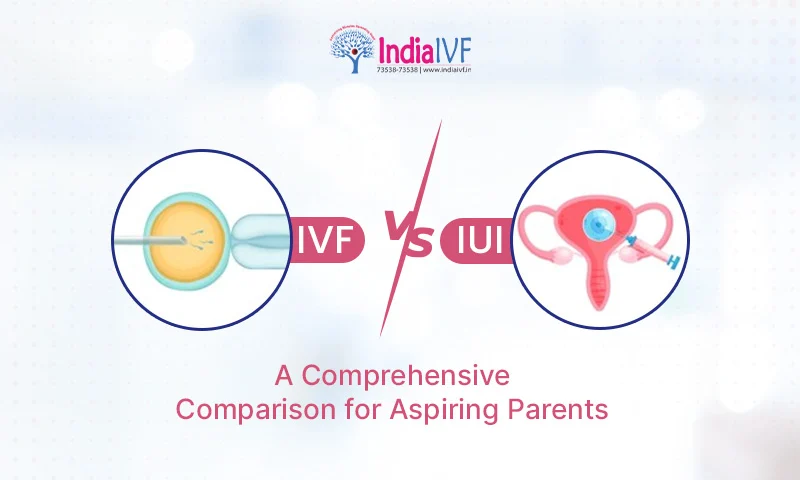
    IVF vs IUI comparison graphic highlighting reproductive methods for aspiring parents.

    The Debate: Traditional Medicine vs Fertility Clinics and Hospitals

    Moreover, the invasive nature of some fertility treatments can also be a concern for couples. IVF, in particular, involves a series of injections and surgical procedures, which can be physically and emotionally taxing. The high success rates of these treatments also come with the risk of multiple pregnancies, which can be complicated and potentially dangerous.

    In addition to the cost and invasiveness of fertility treatments, there is also the ethical concern of the creation and disposal of unused embryos. Many fertility clinics and hospitals offer the option of freezing and storing unused embryos for future use, which raises questions about the moral implications of creating and potentially discarding human life.

    So, which approach is better for treating infertility? The answer is not so simple. Both traditional medicine and fertility clinics/hospitals have their own set of advantages and disadvantages. The decision ultimately depends on the individual and their specific needs and beliefs.

    For those who prefer a more natural and holistic approach, traditional medicine may be a good option. It can provide emotional and spiritual support, and may even help improve overall health and well-being. However, it is important to seek out reputable and qualified practitioners and to be cautious of any treatments that lack scientific evidence.

    Meanwhile, fertility clinics and hospitals may be a better choice for those who want a more scientific and modern approach. These facilities offer advanced technology and specialized medical staff, which can increase the chances of success. However, the high cost and invasive nature of treatments should be carefully considered before making a decision.

    In conclusion, the debate between traditional medicine and fertility clinics/hospitals is ongoing and there is no clear winner. Both approaches have their own strengths and weaknesses, and the best option for treating infertility depends on the individual’s preferences and needs. It is important to carefully research and consider all options before making a decision, and to always consult with a medical professional.

    Summary:
    The debate between traditional medicine and fertility clinics/hospitals is ongoing, with proponents and critics on both sides. Traditional medicine relies on natural remedies and holistic practices, while fertility clinics and hospitals offer more modern and advanced medical procedures. Traditional medicine has a holistic approach and relies on natural remedies, but lacks scientific evidence. Fertility clinics and hospitals offer advanced technology and specialized medical staff, but can be expensive and invasive. The decision ultimately depends on the individual’s needs and beliefs, and it is important to carefully research and consider all options before making a decision.

  • The Emotional Impact of Failed Cycles: Intrauterine Insemination vs Low-Tech IVF

    Blog title: The Emotional Toll of Failed Fertility Treatments: IUI vs Low-Tech IVF

    Introduction:
    Struggling with infertility can be a difficult and emotional journey for couples. The hope and anticipation of starting a family can quickly turn into disappointment and heartbreak when fertility treatments fail. In this blog post, we will explore the emotional impact of two common fertility treatments, Intrauterine Insemination (IUI) and Low-Tech IVF, and how failed cycles can affect couples.

    Understanding IUI and Low-Tech IVF:
    Intrauterine Insemination (IUI) is a fertility treatment where sperm is inserted directly into the uterus using a catheter. This procedure is typically used for couples with mild fertility issues or unexplained infertility. On the other hand, Low-Tech IVF is a slightly more complex procedure that involves using fertility medications to stimulate egg production, followed by the retrieval of eggs and the fertilization of the eggs with sperm in a lab. The embryos are then transferred into the uterus. Both IUI and Low-Tech IVF have a relatively lower success rate compared to other fertility treatments, which can take a toll on couples emotionally.

    The Emotional Rollercoaster of Failed Cycles:
    For couples undergoing fertility treatments, each cycle brings a rollercoaster of emotions. The process of IUI and Low-Tech IVF involves multiple steps, starting from taking medication to monitoring hormone levels and egg development, to the actual procedure. With each step, couples eagerly anticipate the outcome, hoping that this will be the cycle that brings them a positive pregnancy test. However, when the cycle fails, it can be devastating for the couple, and the emotional impact can be overwhelming.

    Feelings of Disappointment and Grief:
    The most common emotion experienced by couples after a failed cycle is disappointment. The build-up of hope and anticipation is suddenly shattered, leaving couples feeling lost and heartbroken. For some, the disappointment can quickly turn into grief, as they mourn the loss of a potential pregnancy and the dream of starting a family. This can be especially difficult for couples who have been struggling with infertility for an extended period, as each failed cycle can feel like another setback in their journey to parenthood.

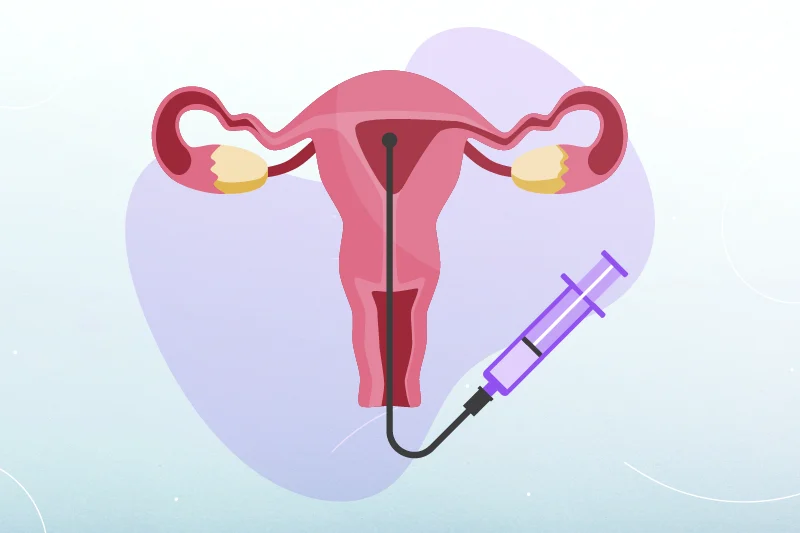
    illustration of a uterus with a syringe, representing intrauterine insemination procedure

    The Emotional Impact of Failed Cycles: Intrauterine Insemination vs Low-Tech IVF

    Frustration and Self-Blame:
    When a fertility treatment fails, couples often find themselves questioning what went wrong. This can lead to feelings of frustration and self-blame. They may wonder if they did something wrong or if there was something they could have done differently to make the cycle successful. This can be particularly challenging for women who may feel like their body has failed them. The constant cycle of hope, disappointment, and self-blame can take a toll on a couple’s mental health and strain their relationship.

    Financial Burden:
    Fertility treatments can also come with a significant financial burden. Each failed cycle means more money spent, and for some couples, this can cause added stress and anxiety. The financial strain can also limit the number of cycles a couple can afford, reducing their chances of success. This added pressure can make the emotional toll of failed cycles even more challenging to cope with.

    Coping with Failed Cycles:
    It is essential for couples to find ways to cope with the emotional impact of failed cycles. One way is to seek support from family, friends, or a support group. Talking about their feelings and experiences with others who understand can be therapeutic for couples. It is also crucial for couples to communicate openly with each other and support each other through the ups and downs of the fertility journey.

    Seeking professional counseling can also be beneficial for couples struggling with the emotional toll of failed cycles. A therapist can provide a safe space for couples to process their emotions and develop coping strategies to manage their feelings. Additionally, couples can also explore other options, such as taking a break from treatment or trying a different fertility treatment, to alleviate some of the stress and pressure.

    Conclusion:
    In conclusion, the journey of fertility treatments, particularly IUI and Low-Tech IVF, can be emotionally taxing for couples. The disappointment, grief, self-blame, and financial burden of failed cycles can take a toll on their mental health and relationships. It is crucial for couples to find ways to cope and seek support during this challenging time. With the right support and coping strategies, couples can navigate the emotional impact of failed cycles and continue on their journey towards parenthood.

    Summary:
    Struggling with infertility can be emotionally taxing, and the disappointment of failed fertility treatments can be overwhelming. In this blog post, we explored the emotional impact of two common fertility treatments, Intrauterine Insemination (IUI) and Low-Tech IVF, and how couples can cope with the emotional toll of failed cycles. The rollercoaster of emotions, feelings of disappointment and grief, frustration and self-blame, and financial burden can take a toll on the mental health and relationships of couples. Seeking support and counseling, as well as exploring different options, can help couples cope with the emotional impact of failed cycles and continue on their journey towards parenthood.

  • Intrauterine Insemination vs Low-Tech IVF: A Comparison of Procedures

    Intrauterine insemination (IUI) and low-tech in vitro fertilization (IVF) are two common fertility treatment options for couples struggling to conceive. Both procedures involve placing sperm directly into the woman’s uterus, but there are significant differences in the process and success rates. In this blog post, we will compare IUI and low-tech IVF to help couples make an informed decision about which procedure may be right for them.

    First, let’s start with the basics. IUI is a relatively simple procedure where sperm is washed and then inserted directly into the uterus using a thin catheter. This process is timed to coincide with ovulation, increasing the chances of sperm fertilizing the egg. On the other hand, low-tech IVF involves stimulating the ovaries with medication to produce multiple eggs, which are then retrieved and fertilized with sperm in a laboratory. The resulting embryos are then transferred back into the uterus.

    One of the main differences between IUI and low-tech IVF is the level of medical intervention required. IUI is a less invasive procedure and can be done in a doctor’s office without the need for anesthesia. Low-tech IVF, on the other hand, involves more medical procedures, including injections and egg retrieval, which may require anesthesia. This can make low-tech IVF more physically demanding and potentially more expensive.

    Another factor to consider is the success rates of each procedure. IUI is often recommended for couples with mild fertility issues, such as low sperm count or cervical mucus abnormalities. The success rates for IUI vary depending on factors such as age and underlying fertility issues, but on average, it has a success rate of 10-20% per cycle. Low-tech IVF, on the other hand, has a higher success rate of 20-35% per cycle and is often recommended for couples with more severe fertility issues, such as blocked fallopian tubes or endometriosis.

    Comparison of IUI and IVF with illustrations of each procedure.

    Intrauterine Insemination vs Low-Tech IVF: A Comparison of Procedures

    One of the main reasons for the higher success rates of low-tech IVF is the ability to retrieve multiple eggs and select the best quality embryos for transfer. This can increase the chances of a successful pregnancy and may also result in extra embryos that can be frozen for future use. However, this also means that there is a higher risk of multiple pregnancies with low-tech IVF, which can come with its own set of challenges.

    Cost is also an important consideration for many couples when choosing between IUI and low-tech IVF. IUI is generally more affordable than low-tech IVF, as it does not involve the same level of medication and laboratory procedures. However, since IUI has a lower success rate, couples may need to undergo multiple cycles before achieving a successful pregnancy, which can add up in costs. On the other hand, low-tech IVF may have a higher upfront cost, but if successful, it may result in a pregnancy sooner, potentially saving money in the long run.

    Another factor to consider is the emotional toll of each procedure. IUI is a less invasive and less physically demanding procedure, which may make it less emotionally taxing for some couples. On the other hand, low-tech IVF can be a more emotional rollercoaster, with the need for daily injections and the uncertainty of the success of each cycle. It’s essential for couples to consider their emotional well-being when making a decision about which procedure to pursue.

    In conclusion, both IUI and low-tech IVF are viable options for couples struggling with infertility. IUI may be a better choice for those with mild fertility issues and limited financial resources, while low-tech IVF may be more suitable for couples with more severe fertility issues and who are willing to undergo more invasive procedures for a higher chance of success. Ultimately, the decision should be made in consultation with a fertility specialist, taking into account individual circumstances and preferences.

  • Traditional Fertility Treatments: The Importance of a Support System

    Traditional Fertility Treatments: The Importance of a Support System

    Fertility has been a topic of great importance since ancient times, with many cultures having their own traditional fertility treatments to help couples conceive. These treatments often involve a combination of herbs, rituals, and dietary changes to promote fertility. However, one aspect that is often overlooked in traditional fertility treatments is the importance of having a strong support system. In this blog post, we will explore the significance of having a support system in the journey towards fertility and how it can positively impact the success of traditional fertility treatments.

    The Emotional Toll of Fertility Issues

    Struggling with fertility issues can be emotionally challenging for individuals and couples. The constant disappointment and stress of not being able to conceive can take a toll on one’s mental and emotional well-being. This can lead to feelings of isolation, depression, and even strain on relationships. In traditional societies, where fertility is highly valued, the pressure to conceive can be even more intense. This is where having a strong support system can make a significant difference.

    The Role of Family and Friends

    Family and friends play a crucial role in providing emotional support for individuals and couples going through fertility treatments. They can offer a listening ear, a shoulder to cry on, and words of encouragement during the highs and lows of the journey. In traditional societies, family and friends are often involved in the fertility treatments themselves, whether it is through performing rituals or providing herbal remedies. This involvement not only provides physical support but also strengthens the emotional bond between the couple and their loved ones.

    The Importance of Community

    In addition to family and friends, having a community of people going through similar experiences can be highly beneficial in traditional fertility treatments. This can be in the form of support groups or online forums where individuals can share their struggles and successes. Being a part of a community can help individuals feel less alone and offer a sense of belonging and understanding. It also provides an opportunity to learn from others’ experiences and gain valuable insights and advice.

    Illustration of intrauterine insemination (IUI) procedure with syringe and catheter in the uterus.

    Traditional Fertility Treatments: The Importance of a Support System

    The Role of Traditional Healers

    Traditional healers, also known as medicine men or shamans, have been an integral part of fertility treatments in many cultures. These healers use herbs, rituals, and spiritual practices to promote fertility and treat underlying issues that may be hindering conception. In addition to their healing abilities, traditional healers also play a vital role in providing emotional support for individuals and couples. They are often seen as wise and trusted advisors who can offer guidance and counsel during the fertility journey.

    The Benefits of a Multidisciplinary Approach

    While traditional fertility treatments can be highly effective, combining them with modern medical treatments can increase the chances of success. This is where having a multidisciplinary support system can be advantageous. Traditional healers, along with medical professionals such as fertility specialists, can work together to provide a holistic approach to fertility treatments. This collaboration can also provide individuals and couples with a sense of security and reassurance, knowing that they have a team of experts supporting them.

    The Power of Positive Thinking

    Having a strong support system can also help individuals maintain a positive mindset throughout their fertility journey. Studies have shown that a positive mindset can have a significant impact on the success of fertility treatments. Having a support system that believes in and supports the individual’s and couple’s goals can help them stay positive and motivated. This, in turn, can lead to better outcomes and a more positive overall experience.

    In conclusion, while traditional fertility treatments have been used for centuries, the importance of having a support system cannot be overstated. The emotional toll of fertility issues can be significantly reduced with the love, understanding, and guidance of family, friends, and community. Traditional healers and modern medical professionals working together can provide individuals and couples with a multidisciplinary approach to fertility treatments. And finally, a positive mindset, fostered by a strong support system, can make all the difference in the success of traditional fertility treatments.

    In summary, traditional fertility treatments have been used for centuries and involve a combination of herbs, rituals, and dietary changes. However, having a strong support system is often overlooked in these treatments. A support system, consisting of family, friends, community, and traditional healers, can provide emotional support, a positive mindset, and a multidisciplinary approach to fertility treatments. This can have a significant impact on the success of these treatments and the overall well-being of individuals and couples struggling with fertility issues.

  • The Emotional Impact of Traditional Fertility Treatments: A Personal Story

    The Emotional Impact of Traditional Fertility Treatments: A Personal Story

    For many couples struggling with infertility, traditional fertility treatments such as in vitro fertilization (IVF) and intrauterine insemination (IUI) can offer hope for starting a family. However, along with the physical and financial toll of these treatments, there is also a significant emotional impact that is often overlooked. As someone who has personally gone through multiple rounds of traditional fertility treatments, I can attest to the rollercoaster of emotions that comes with each cycle.

    The desire to have a child is a deeply emotional one, and when that desire is met with difficulty and disappointment, it can take a toll on one’s mental health. The constant cycle of hope and disappointment that comes with fertility treatments can be overwhelming and draining. For me, each time I started a new cycle, I would feel a sense of excitement and optimism, hoping that this time would be the one. But as each cycle came to an end with a negative pregnancy test or a miscarriage, I would experience a wave of sadness and despair.

    One of the most challenging aspects of traditional fertility treatments is the lack of control over the outcome. Despite following all the instructions and taking all the necessary steps, there is still no guarantee of success. This feeling of powerlessness can lead to a sense of failure and self-blame. I often found myself questioning what I could have done differently or if I had somehow caused my infertility. These negative thoughts can take a toll on one’s self-esteem and can lead to feelings of guilt and shame.

    The financial burden of traditional fertility treatments can also add to the emotional strain. IVF and other treatments can cost thousands of dollars, and many insurance plans do not cover them. This can lead to difficult decisions and sacrifices, such as delaying other life goals or taking on additional debt. The constant worry about how to afford the next cycle can add to the stress and anxiety already present.

    Illustration of intrauterine insemination (IUI) procedure with syringe and catheter in the uterus.

    The Emotional Impact of Traditional Fertility Treatments: A Personal Story

    Furthermore, the physical aspects of fertility treatments can also impact one’s emotional well-being. The medications, injections, and procedures can take a toll on the body, causing side effects such as mood swings, bloating, and fatigue. These physical changes can make it challenging to feel like oneself and can add to the emotional toll of the process.

    In addition to the emotional impact on the individual undergoing fertility treatments, it can also strain relationships. Infertility can create tension and strain between partners, as each may cope with the process differently. One partner may want to continue with treatments while the other may want to take a break, leading to conflicts and misunderstandings. The pressure to conceive can also put a strain on the relationship, as sex becomes more focused on procreation rather than pleasure.

    As someone who has been through multiple rounds of traditional fertility treatments, I have experienced all of these emotional impacts firsthand. Each cycle brought a new set of emotions, and it was a constant struggle to stay positive and hopeful. It was a challenging journey, but eventually, my husband and I were able to conceive through IVF and welcome our daughter into the world.

    But even with a successful outcome, the emotional impact of traditional fertility treatments did not disappear. The years of disappointment and stress had taken a toll on my mental health, and I found myself struggling with anxiety and depression. It was only after seeking therapy and support from others who had gone through similar experiences that I was able to start healing and come to terms with my journey.

    In conclusion, the emotional impact of traditional fertility treatments is a significant aspect that is often overlooked. The constant cycle of hope and disappointment, the lack of control, financial strain, physical changes, and strain on relationships can take a toll on one’s mental health. It is essential to recognize and address these emotional impacts and seek support when needed. Infertility is a challenging journey, and it is essential to take care of one’s emotional well-being throughout the process.

    SEO metadata:

  • Fertility Coaching: Addressing the Emotional Toll of Infertility

    Blog Post Title: Fertility Coaching: Addressing the Emotional Toll of Infertility

    Infertility affects millions of couples worldwide, and the journey to parenthood can be emotionally and physically draining. While medical treatments and procedures are available to assist with fertility, the emotional toll of infertility is often overlooked. Many individuals and couples struggle with feelings of guilt, shame, and isolation, which can take a toll on their mental health and relationships. This is where fertility coaching comes in – a specialized form of coaching that addresses the emotional aspects of infertility and provides support and guidance to individuals and couples on their journey to parenthood.

    What is Fertility Coaching?

    Fertility coaching is a form of support that focuses on the emotional and psychological aspects of infertility. It is a holistic approach that takes into consideration the mind, body, and spirit of the individual or couple. Fertility coaches are trained professionals who provide guidance, support, and tools to help individuals and couples cope with the emotional challenges of infertility.

    The Emotional Toll of Infertility

    Infertility can bring about a range of emotions, including anger, sadness, anxiety, and grief. For many individuals and couples, the inability to conceive naturally can lead to feelings of failure and inadequacy. This can also put a strain on their relationships, as they may blame themselves or their partner for their inability to conceive.

    The emotional toll of infertility can also affect other areas of one’s life, such as work and social activities. Many individuals may feel the need to hide their struggles with infertility, leading to feelings of isolation and shame. This can create a barrier to seeking support and can further exacerbate the emotional toll of infertility.

    How Fertility Coaching Can Help

    Fertility coaching provides a safe and supportive space for individuals and couples to express their emotions and fears. A fertility coach can help individuals understand and manage their emotions, providing them with tools to cope with the stress and anxiety associated with infertility. Through personalized coaching, individuals can learn to let go of negative thoughts and emotions and focus on their journey to parenthood.

    Illustration of the uterus with a syringe, depicting the intrauterine insemination procedure.

    Fertility Coaching: Addressing the Emotional Toll of Infertility

    Fertility coaches also work with couples to improve communication and strengthen their relationship. Infertility can put a strain on even the strongest of relationships, and fertility coaching can help couples navigate these challenges together. By improving communication, couples can better support each other and work towards their shared goal of starting a family.

    Additionally, fertility coaches can provide guidance on self-care and stress management techniques. Infertility can be a long and challenging journey, and it is crucial for individuals to prioritize their physical and mental well-being. Fertility coaches can help individuals develop self-care routines and teach them how to manage stress and anxiety effectively.

    The Role of Mindfulness in Fertility Coaching

    Mindfulness is a powerful tool that is often used in fertility coaching to help individuals cope with the emotional toll of infertility. It involves being present in the moment and focusing on one’s thoughts, feelings, and surroundings. Mindfulness can help individuals let go of negative thoughts and emotions, reduce stress and anxiety, and improve overall well-being.

    Fertility coaches may use mindfulness techniques such as deep breathing exercises, meditation, and visualization to help individuals manage their emotions and reduce stress. With regular practice, individuals can learn to approach their fertility journey with a calm and positive mindset, which can improve their chances of success.

    Seeking Support Through Fertility Coaching

    Dealing with infertility can be a lonely and isolating experience, but it is essential to remember that you are not alone. Fertility coaching provides a safe and supportive space for individuals and couples to express their emotions and receive guidance and support. Through personalized coaching, individuals can learn to cope with the emotional toll of infertility, improve their relationships, and boost their overall well-being.

    In conclusion, fertility coaching is a valuable resource for individuals and couples struggling with the emotional challenges of infertility. By addressing the mind, body, and spirit, fertility coaches can provide support and guidance to help individuals and couples on their journey to parenthood.

    Summary:

    Fertility coaching is a specialized form of support that addresses the emotional and psychological aspects of infertility. It provides a safe and supportive space for individuals and couples to express their emotions and receive guidance and tools to cope with the emotional toll of infertility. Fertility coaches also work with couples to improve communication and strengthen their relationship. Mindfulness techniques are often used in fertility coaching to help individuals manage their emotions and reduce stress. Fertility coaching can be a valuable resource for individuals and couples on their journey to parenthood, providing support and guidance to improve their overall well-being.