Tag: Reproductive Technology

  • The Legal Implications of Home Insemination: Protecting Your Family’s Rights and Responsibilities

    Home insemination, also known as self-insemination, is the process of manually inserting sperm into the uterus or cervix at home in order to achieve pregnancy. With the advancements in reproductive technology, more and more people are turning to home insemination as an alternative to costly and invasive fertility treatments. However, this method of conception raises important legal implications that should not be overlooked. In this blog post, we will explore the legal considerations and responsibilities that come with home insemination in order to protect your family’s rights.

    Family Rights in Home Insemination:
    One of the main concerns when it comes to home insemination is the legal rights of the family involved. In the case of a heterosexual couple, the husband is automatically presumed to be the legal father of the child. However, in cases of same-sex couples or single parents, the legal parentage can be more complex. In some states, the non-biological parent may need to go through a second parent adoption process in order to establish legal parentage. This can be a lengthy and expensive process, but it is essential in order to protect the rights of the non-biological parent and ensure that they have equal parental rights and responsibilities.

    In addition, if the sperm donor is known and involved in the child’s life, it is important to establish legal agreements and agreements about parental rights and responsibilities. This can help prevent future disputes and ensure that all parties involved are on the same page.

    Parental Rights in Home Insemination:
    For the donor or biological parent, it is important to understand their legal rights and responsibilities. In some cases, the donor may have no legal rights to the child, especially if they have signed a sperm donor agreement and have no involvement in the child’s life. However, in other cases, the donor may be considered a legal parent and may have rights to custody and visitation.

    It is crucial for all parties involved to have a clear understanding of their rights and responsibilities before moving forward with home insemination. This can help avoid any legal battles or disputes in the future.

    Reproductive Technology and Legal Considerations:
    Home insemination involves the use of reproductive technology, which also raises important legal considerations. In some states, there are laws and regulations surrounding the use of reproductive technology, such as who can use it and what type of consent is required. It is important to research and understand the laws in your state before proceeding with home insemination.

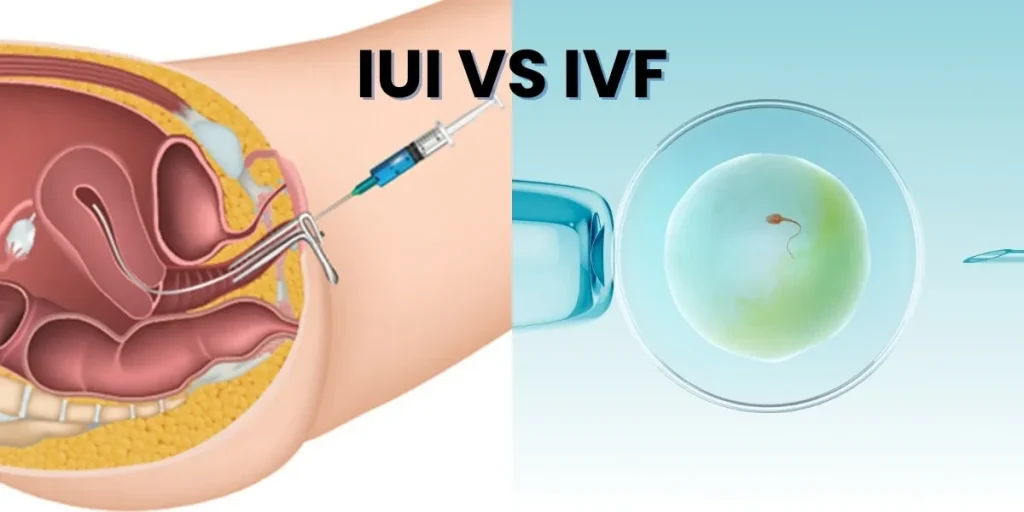
    comparison of IUI and IVF procedures illustrated with simple graphics and labels

    The Legal Implications of Home Insemination: Protecting Your Family's Rights and Responsibilities

    In addition, it is important to ensure that any equipment or supplies used in the home insemination process are safe and approved for use. This can help prevent any potential harm to the donor, recipient, or future child.

    Legal Responsibilities in Home Insemination:
    With any type of assisted reproduction, there are legal responsibilities that must be considered. This includes the financial responsibilities of both the donor and recipient, as well as any potential legal liabilities. For example, if the sperm donor is not properly screened for infectious diseases, they could be held liable if the recipient or child becomes ill.

    It is crucial to have a written agreement in place that outlines all financial and legal responsibilities of all parties involved in the home insemination process. This can help protect all individuals and ensure that everyone is aware of their obligations.

    Protecting Your Family’s Rights:
    In order to protect your family’s rights and responsibilities, it is important to seek legal guidance before proceeding with home insemination. A lawyer who specializes in reproductive law can help you navigate the legal implications and ensure that all necessary agreements are in place. They can also provide guidance on the laws and regulations in your state and help you understand your rights and responsibilities.

    In addition, it is important to keep thorough records of all agreements and any medical procedures involved in the home insemination process. This can help protect your family’s rights in the event of any legal disputes.

    In summary, home insemination can be a viable option for those looking to start a family, but it is important to understand the legal implications and responsibilities that come with it. Family rights, parental rights, reproductive technology, and legal responsibilities should all be carefully considered and addressed in order to protect your family’s rights. Seeking legal guidance and having clear agreements in place can help ensure a smooth and legally sound home insemination process.

  • Hope for Older Couples: Treating Male and Female Factor Infertility in Advanced Age

    Blog Post:

    As couples age, the idea of starting a family may seem like a distant dream. Many assume that fertility declines with age, and while that may be true to an extent, there is still hope for older couples who want to have children. In fact, with the advancements in reproductive technology and treatments, there are now more options than ever for treating male and female factor infertility in advanced age.

    Male Factor Infertility:

    When it comes to male factor infertility, age can play a significant role. As men age, their sperm quality and quantity may decrease, making it more difficult to conceive. However, with the help of assisted reproductive techniques such as intrauterine insemination (IUI) and in vitro fertilization (IVF), older men can still father children. These procedures involve collecting sperm from the male partner and placing it directly into the female’s uterus or fertilizing the eggs in a laboratory setting. These methods have high success rates and can be a viable option for older couples dealing with male factor infertility.

    Another option for couples dealing with male factor infertility is the use of donor sperm. This involves using sperm from a healthy, young donor to fertilize the female partner’s eggs. With this option, age is not a factor as the sperm donor’s age will not affect the quality of the sperm. However, it is essential to consider the emotional and ethical implications of using donor sperm, as it may not be the ideal solution for every couple.

    Female Factor Infertility:

    For women, age can also impact fertility. As women age, the quantity and quality of their eggs decrease, making it more challenging to conceive. However, there are several options available for older women who want to have children.

    One of the most common treatments for female factor infertility is IVF. This involves retrieving eggs from the female partner and fertilizing them with sperm in a laboratory setting. The resulting embryos are then transferred into the female’s uterus, increasing the chances of pregnancy. While IVF can be a successful option for older women, it is essential to keep in mind that the success rates decline with age, and multiple cycles may be necessary.

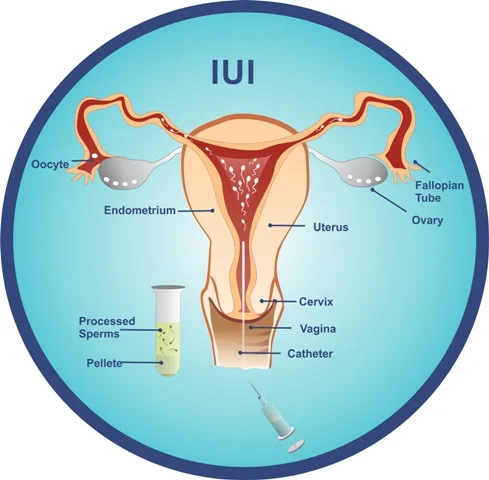
    diagram illustrating intrauterine insemination (IUI) with labeled reproductive anatomy and procedures

    Hope for Older Couples: Treating Male and Female Factor Infertility in Advanced Age

    Another option for treating female factor infertility is egg donation. This involves using eggs from a donor, which are then fertilized with sperm and transferred into the female’s uterus. This option is particularly beneficial for older women, as the donor’s age is not a factor, and the eggs used are usually from younger, healthier donors. However, like using donor sperm, there are ethical and emotional considerations to take into account when choosing egg donation.

    Other Considerations:

    While age can impact fertility for both men and women, it is not the only factor to consider when dealing with infertility in advanced age. Health and lifestyle also play a significant role, and it is essential to address any underlying health issues or make necessary lifestyle changes before pursuing fertility treatments.

    Additionally, it is crucial for couples to seek the help of a fertility specialist who can assess their individual situation and recommend the best course of action. Every couple’s journey to parenthood is unique, and a specialist can provide personalized treatment options based on their specific needs and circumstances.

    In Conclusion:

    While it may be challenging for older couples to conceive naturally, there is still hope. With the advancements in reproductive technology and treatments, there are now more options available for treating male and female factor infertility in advanced age. It is essential to consider all options and work with a fertility specialist to determine the best course of action for each individual couple. Age should not be a deterrent for couples who want to start a family, and with the right treatment, their dream of having children can become a reality.

    Summary:

    As couples age, fertility may seem out of reach, but with advancements in reproductive technology, there is hope for older couples dealing with male and female factor infertility. Treatments such as IUI, IVF, and egg donation offer viable options for older couples to start a family. It is crucial to address any underlying health issues and work with a fertility specialist to determine the best course of action. Age should not be a barrier to starting a family, and with the right treatment, it is possible to make the dream of parenthood a reality.

  • The Emotional Rollercoaster of Choosing Between Fresh and Frozen Donor Sperm

    Choosing to use donor sperm is often a tough decision for individuals or couples struggling with infertility. And once the decision has been made, another dilemma arises: should the sperm be fresh or frozen? This may seem like a simple choice, but it can actually be an emotional rollercoaster for those going through the process. In this blog post, we will explore the ups and downs of choosing between fresh and frozen donor sperm, and how it can impact the emotional journey of those seeking fertility treatment.

    The first step in using donor sperm is usually selecting a donor. This can be an overwhelming process as there are many factors to consider, such as physical characteristics, medical history, and personal values. But once a donor has been chosen, the decision between fresh and frozen sperm comes into play. Fresh sperm is usually obtained through a sperm bank or a known donor, while frozen sperm is typically purchased from a sperm bank. Let’s take a look at the emotional journey of choosing between these two options.

    The Excitement of Fresh Sperm:
    For many, the idea of using fresh sperm can be exciting. The thought of having a child with a donor who is known and potentially involved in the child’s life can bring a sense of comfort and connection. It may also feel more “natural” to use fresh sperm, as it mimics the traditional way of conceiving a child. However, this excitement can quickly turn into disappointment if the fresh sperm is not of good quality or if the donor is unable to produce a sample on the day of insemination. This can lead to delays in the fertility treatment process and can be emotionally draining for those involved.

    The Convenience of Frozen Sperm:
    On the other hand, using frozen sperm can offer a sense of convenience. The sperm is readily available and can be shipped to the fertility clinic at any time. This eliminates the need to coordinate with a donor and reduces the risk of last-minute cancellations or complications. Frozen sperm is also typically screened and quarantined, reducing the risk of potential health concerns. However, for some individuals or couples, the idea of using sperm from an unknown donor can be unsettling. There may be a fear of not being able to connect with the child or a worry about potential genetic issues.

    The Financial Burden:
    Another aspect to consider when choosing between fresh and frozen donor sperm is the financial burden. Fresh sperm is usually more expensive, as it involves compensating the donor for their time and effort. This can add up quickly, especially if multiple attempts are needed. On the other hand, frozen sperm is typically more affordable, with the costs being related to purchasing and shipping. However, the overall cost of fertility treatment using donor sperm can still be a significant financial burden, and this can add to the emotional stress of the process.

    A person administering an injection into their abdomen with a yellow pen-like device.

    The Emotional Rollercoaster of Choosing Between Fresh and Frozen Donor Sperm

    Dealing with Expectations:
    No matter which option is chosen, there are expectations involved. For those using fresh sperm, there may be an expectation of a more personal connection with the donor and a sense of comfort knowing that the sperm is “fresh.” On the other hand, those using frozen sperm may have expectations of a smoother and more convenient process. These expectations can sometimes lead to disappointment or feelings of guilt if the outcome does not meet them. It is essential to manage these expectations and understand that fertility treatment can be a complex and unpredictable journey.

    The Impact on Relationships:
    The decision between fresh and frozen sperm can also have an impact on relationships. For couples, the process of choosing donor sperm and the emotional ups and downs that come with it can put a strain on the relationship. Disagreements or differences in opinion may arise, and it is crucial to communicate and support each other through this process. For individuals, the decision may also affect relationships with family and friends, as they may not understand or agree with the choice being made.

    The Waiting Game:
    One of the most challenging aspects of fertility treatment is the waiting game. No matter which type of sperm is chosen, there will be a wait for the results. This can be a time filled with anxiety, fear, and hope. Each day can feel like a rollercoaster of emotions, and it can be challenging to stay positive. The waiting game can also be prolonged if multiple attempts are needed, adding to the emotional toll.

    In conclusion, the decision between fresh and frozen donor sperm is not an easy one. It involves weighing different factors and considering the emotional impact of each option. It is essential to remember that there is no right or wrong choice, and the most important thing is to choose what feels right for you and your journey to parenthood. Whether you choose fresh or frozen sperm, it is crucial to have a support system in place and to take care of your emotional well-being throughout the process.

    In summary, choosing between fresh and frozen donor sperm can be an emotional rollercoaster for individuals and couples going through fertility treatment. The excitement of fresh sperm can quickly turn into disappointment, while the convenience of frozen sperm can come with its own set of worries. The financial burden, expectations, and impact on relationships are all factors to consider, and the waiting game can be emotionally taxing. It is crucial to manage expectations, communicate with loved ones, and prioritize self-care during this emotional journey towards parenthood.

  • The Role of Technology in Insemination

    Blog Post: The Role of Technology in Insemination

    Insemination, also known as artificial insemination, is a type of assisted reproductive technology that involves introducing sperm into a female’s reproductive tract in order to facilitate pregnancy. In recent years, technology has played a significant role in improving the success rates of insemination and making the process more efficient and convenient for both patients and healthcare providers. In this blog post, we will explore the various ways in which technology has revolutionized the field of insemination and its impact on the world of fertility treatments.

    Advancements in Sperm Selection Techniques
    One of the key aspects of successful insemination is selecting the best quality sperm for fertilization. In the past, this was done through a process called “sperm washing,” which involved separating the sperm from the semen using a centrifuge. With the help of technology, sperm selection techniques have significantly evolved. The latest method, known as “flow cytometry,” uses a machine to sort the sperm based on their size, shape, and DNA fragmentation, resulting in higher-quality sperm being used for insemination. This has not only improved the success rates of insemination but has also reduced the risk of genetic abnormalities in the offspring.

    Improvements in Cryopreservation
    Cryopreservation, or the freezing of sperm, has been a game-changer in the world of insemination. It allows sperm to be stored for extended periods of time, making it possible for patients to undergo insemination whenever they are ready without having to rely on fresh sperm. With the help of advanced technology, cryopreservation techniques have become more efficient and reliable, resulting in higher success rates. Moreover, it has also reduced the cost of insemination, as patients no longer have to pay for fresh sperm each time they undergo the procedure.

    comparison of IUI and IVF procedures illustrated with simple graphics and labels

    The Role of Technology in Insemination

    Increased Success Rates with Intrauterine Insemination (IUI)
    Intrauterine insemination (IUI) is a type of insemination where sperm is placed directly into a woman’s uterus during ovulation. This technique has become more popular in recent years due to its higher success rates compared to other methods. With advancements in technology, IUI has become a more precise and efficient procedure. Ultrasound technology is now used to accurately time the insemination process, resulting in a higher chance of pregnancy. Moreover, the use of catheters with tiny cameras attached to them allows for better visualization and placement of the sperm, further improving the success rates of IUI.

    The Role of Digital Apps in Insemination
    Technology has also made its way into the world of insemination through the development of digital apps. These apps allow patients to track their ovulation, receive reminders for medication and appointments, and even communicate with their healthcare providers. This has made the entire process more convenient and user-friendly for patients, reducing the stress and anxiety associated with fertility treatments. Moreover, these apps also provide a platform for patients to connect with others going through the same experience, creating a supportive community.

    The Impact of Telemedicine
    Telemedicine, or the use of technology to provide healthcare services remotely, has also played a significant role in the field of insemination. It allows patients to consult with their healthcare providers from the comfort of their own homes, reducing the need for frequent in-person visits. This is especially beneficial for patients who live in remote areas and have limited access to fertility clinics. Telemedicine has not only made the process more convenient but has also reduced the cost and time associated with insemination.

    Summary:
    In conclusion, technology has greatly impacted the field of insemination, resulting in higher success rates, increased convenience, and reduced costs. Advancements in sperm selection techniques, improvements in cryopreservation, increased success rates with IUI, the use of digital apps, and the implementation of telemedicine have all contributed to making the process of insemination more efficient and effective. With technology continuously evolving, we can expect further advancements in this field, making it possible for more couples to fulfill their dream of starting a family.

  • Fertility Preservation for Women with Autoimmune Disorders: A New Frontier

    Fertility Preservation for Women with Autoimmune Disorders: A New Frontier

    Fertility is a natural and important aspect of many women’s lives. However, for women with autoimmune disorders, the ability to conceive and carry a pregnancy to term can be challenging. Autoimmune disorders, which occur when the body’s immune system mistakenly attacks its own cells, can affect various organs and systems within the body, including the reproductive system. As a result, women with autoimmune disorders may experience fertility issues, making it difficult to start a family. Fortunately, advancements in medical technology have opened up a new frontier in fertility preservation for these women.

    Autoimmune disorders and their impact on fertility:

    Autoimmune disorders are a group of more than 80 chronic and often debilitating conditions that affect approximately 5% of the population, with women being more commonly affected than men. These disorders can affect various organs and systems in the body, including the reproductive system. For women, this can lead to issues with ovulation, egg quality, and implantation, making it difficult to conceive and carry a pregnancy to term. In severe cases, autoimmune disorders can even cause damage to the uterus, making it impossible for a woman to carry a pregnancy at all.

    One of the most common autoimmune disorders affecting women’s fertility is systemic lupus erythematosus (SLE). SLE is a chronic autoimmune disorder that can affect multiple organs, including the reproductive system. Women with SLE often have difficulties with ovulation and may experience recurrent miscarriages. Other autoimmune disorders that can impact fertility include rheumatoid arthritis, multiple sclerosis, and Hashimoto’s thyroiditis.

    The impact of fertility issues on women with autoimmune disorders can be emotionally and mentally challenging. Many women with these conditions may feel like their bodies are failing them, and the inability to conceive can cause feelings of grief, frustration, and even guilt. This is why fertility preservation has become a crucial topic for women with autoimmune disorders.

    Fertility preservation options:

    Fertility preservation involves the freezing and storing of reproductive cells, such as eggs or embryos, for future use. This technology has been available for many years, but recent advancements have made it more effective and accessible for women with autoimmune disorders.

    For women who have not yet started treatment for their autoimmune disorder, the most common fertility preservation option is egg freezing. This involves stimulating the ovaries to produce multiple eggs, which are then retrieved and frozen for future use. This option is ideal for women who do not have a male partner or do not wish to use donor sperm. Egg freezing can also be used for women who are not yet ready to start a family but want to preserve their fertility for the future.

    For women who have already begun treatment for their autoimmune disorder, embryo freezing may be a better option. This involves fertilizing the eggs with sperm and freezing the resulting embryos for future use. Embryo freezing is a more effective option as the embryos have a higher chance of survival and success when thawed for implantation. However, it requires a male partner or the use of donor sperm.

    illustration of the IUI process, showing sperm collection, preparation, and insertion into the uterus

    Fertility Preservation for Women with Autoimmune Disorders: A New Frontier

    Another option for fertility preservation is ovarian tissue freezing, which involves removing a small piece of the ovary and freezing it for future use. This is a newer technology that is still being researched, but it has shown promising results for women with autoimmune disorders. However, this option may not be suitable for all women, as it requires surgery and carries the risk of damaging the remaining ovary.

    The importance of early intervention:

    One of the key factors for successful fertility preservation for women with autoimmune disorders is early intervention. It is essential for women to discuss their fertility options with their doctors as soon as possible, even before starting treatment for their autoimmune disorder. This allows for a better understanding of the potential impact of the disorder on fertility and more time to explore and initiate fertility preservation options.

    It is also crucial for women to work closely with a team of specialists, including a reproductive endocrinologist and a rheumatologist, to develop a treatment plan that takes into account both their autoimmune disorder and their fertility goals. This interdisciplinary approach can help maximize the chances of successful fertility preservation and future pregnancy.

    The cost and accessibility of fertility preservation:

    While fertility preservation offers hope for women with autoimmune disorders, it is not without its challenges. One of the major barriers is the cost, as these procedures can be expensive and may not be covered by insurance. The cost of fertility preservation can range from $5,000 to $15,000, and some women may require multiple cycles to retrieve enough eggs or embryos for preservation.

    The accessibility of fertility preservation also varies depending on geographical location and the availability of trained specialists. Women living in rural areas or countries with limited resources may not have access to these procedures, making it challenging for them to preserve their fertility.

    Conclusion:

    Fertility preservation is a new frontier for women with autoimmune disorders, offering them the opportunity to preserve their fertility and hope for starting a family in the future. With advancements in technology and early intervention, women with these conditions can now have more control over their reproductive choices. However, there are still barriers and challenges that need to be addressed to make fertility preservation more accessible and affordable for all women.

    In conclusion, fertility preservation is an essential aspect of care for women with autoimmune disorders. It not only offers them the chance to have a biological child but also provides a sense of control and empowerment over their bodies. As research and technology continue to advance, we can hope for even more options and improvements in fertility preservation for these women.

  • A Personal Journey: Donor Insemination vs Partner Insemination

    A Personal Journey: Donor Insemination vs Partner Insemination

    For many couples who struggle with infertility, the journey to parenthood can be a long and difficult one. As advancements in reproductive technology continue to evolve, options for conceiving a child have also expanded. One such option is donor insemination, where sperm from a donor is used to fertilize the woman’s egg. Another option is partner insemination, where the sperm is provided by the woman’s partner. Both methods have their own unique benefits and challenges, and the decision between the two can often be a deeply personal one.

    In this blog post, we will explore the personal journey of one couple who faced the decision between donor insemination and partner insemination. Through their experiences and insights, we hope to shed light on the different aspects of each method and provide a better understanding of the factors that may influence this decision.

    The couple, Sarah and James, had been trying to conceive for several years without success. After undergoing several fertility treatments and consultations with doctors, they were faced with the decision of whether to pursue donor insemination or partner insemination. Both options presented their own set of challenges and uncertainties, but the couple knew that they wanted to become parents and were determined to explore all possibilities.

    Donor insemination involves using sperm from an anonymous donor, typically from a sperm bank, to fertilize the woman’s egg. This option provides a higher chance of success for couples who struggle with male infertility or genetic disorders. It also allows couples to have a child without the risk of passing on any genetic disorders. However, one of the biggest challenges for Sarah and James was the idea of using a stranger’s sperm to conceive their child. They struggled with the thought of not knowing the donor and the genetic traits their child may inherit.

    On the other hand, partner insemination involves using the sperm of the woman’s partner to fertilize the egg. This option can be a more intimate and personal experience for the couple, as they are using sperm from someone they know and love. It also eliminates the need for outside involvement, such as a sperm bank. However, for couples with male infertility or genetic disorders, this option may not be feasible. In Sarah and James’s case, they had to undergo genetic testing to determine if James could safely provide sperm for their child.

    Comparison of IUI and IVF treatments with diagrams of reproductive anatomy.

    A Personal Journey: Donor Insemination vs Partner Insemination

    After much consideration and discussion, Sarah and James decided to pursue partner insemination. Although they were initially hesitant about the possible genetic risks, they felt more comfortable with the idea of using James’s sperm and knowing the genetic traits their child may inherit. However, their journey was far from over. Sarah had to undergo several rounds of intrauterine insemination (IUI) before finally becoming pregnant. The process was emotionally and physically taxing for both Sarah and James, but their determination and love for each other kept them going.

    The couple faced another challenge when their first pregnancy ended in a miscarriage. This was a devastating experience for them, but they did not give up on their dream of becoming parents. They continued with the IUI process and finally, after two years of trying, Sarah became pregnant and gave birth to a healthy baby boy.

    Looking back, Sarah and James have no regrets about their decision to pursue partner insemination. They feel that it was the right choice for them and their family. However, they acknowledge that the decision between donor insemination and partner insemination is a deeply personal one, and what may work for one couple may not work for another.

    In conclusion, the journey to parenthood can be a challenging and emotional one for couples facing infertility. The decision between donor insemination and partner insemination is a deeply personal one that can be influenced by various factors, such as medical history, personal beliefs, and emotional readiness. Sarah and James’s journey highlights the complexities and uncertainties that come with this decision, but also the joy and fulfillment that comes with the ultimate reward – a healthy and happy child.

    Summary:

    The decision between donor insemination and partner insemination can be a difficult one for couples facing infertility. This blog post explores the personal journey of one couple, Sarah and James, as they navigate the challenges and uncertainties of choosing between the two methods. Donor insemination involves using sperm from an anonymous donor, while partner insemination uses the sperm of the woman’s partner. Each option has its own benefits and challenges, and the decision ultimately comes down to personal beliefs and circumstances. After much consideration, Sarah and James chose to pursue partner insemination and were eventually successful in conceiving a healthy baby boy. This blog post highlights the complexities and emotions involved in this decision, but ultimately celebrates the joy and fulfillment that comes with parenthood.

  • The Effectiveness of Artificial Insemination and Natural Conception

    Blog Post Title: The Pros and Cons of Artificial Insemination and Natural Conception

    Introduction:
    Reproduction is a natural process that has been essential for the continuation of life on earth. However, with advancements in technology, scientists have developed methods to assist in human reproduction, such as artificial insemination. This method has been met with both praise and criticism, as some argue that natural conception is the best way to conceive a child. In this blog post, we will discuss the effectiveness of artificial insemination and natural conception, weighing the pros and cons of both methods.

    The Process of Artificial Insemination:
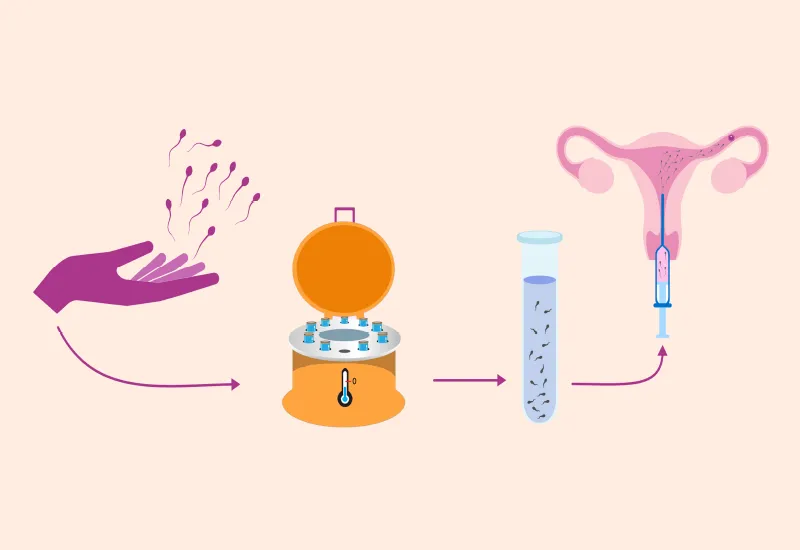
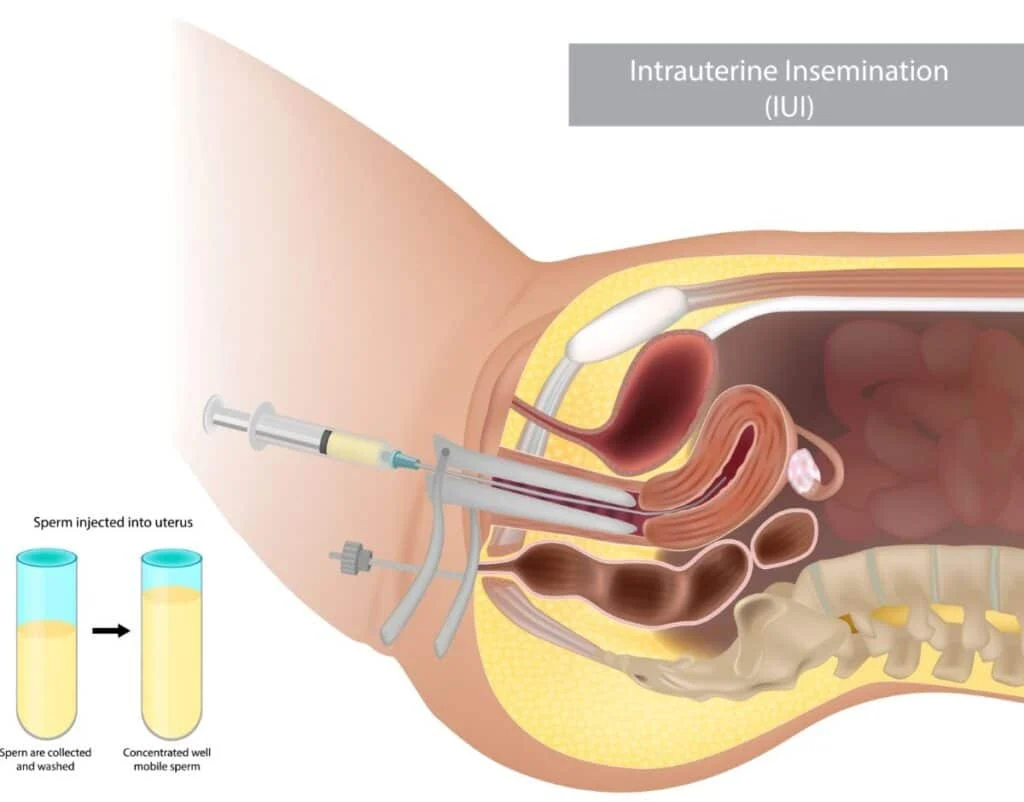
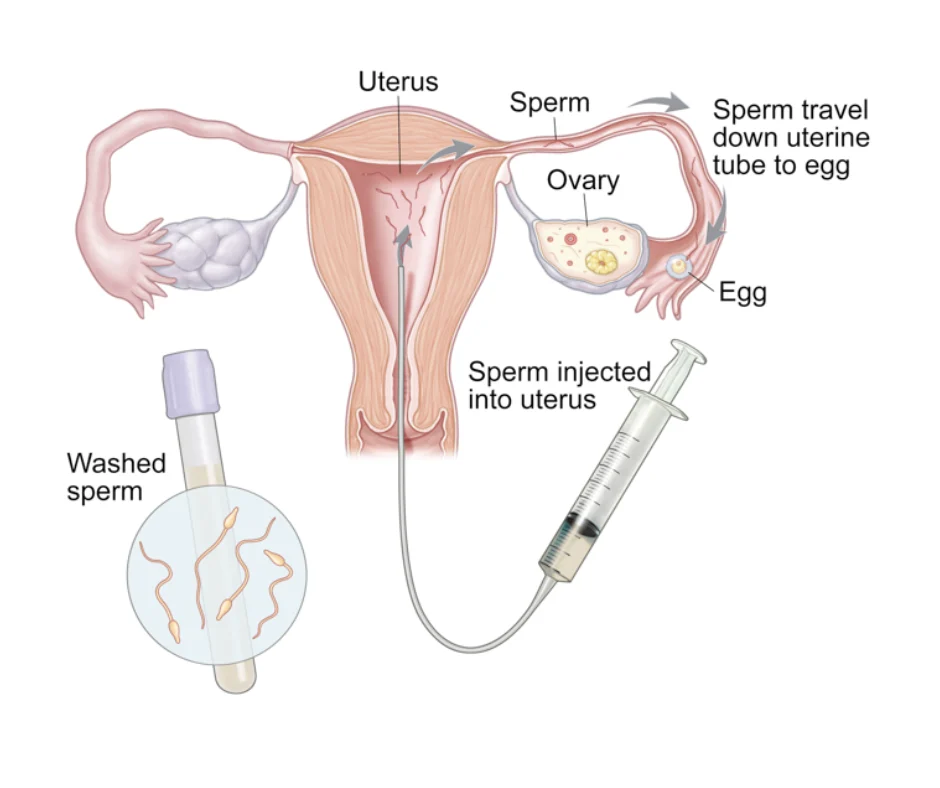
    Artificial insemination (AI) is the process of injecting sperm directly into a woman’s reproductive tract to fertilize an egg. There are two types of AI – intrauterine insemination (IUI) and in vitro fertilization (IVF). In IUI, washed and concentrated sperm is inserted into the uterus using a catheter, while in IVF, the sperm and egg are fertilized outside the body and then implanted into the uterus.

    The effectiveness of AI depends on various factors such as age, the cause of infertility, and the quality of the sperm. It has been found to be most successful in cases where the woman has blocked fallopian tubes or the man has a low sperm count. Studies have shown that the success rate of AI ranges from 5-20% per cycle, and couples may need multiple cycles before achieving a pregnancy.

    Benefits of Artificial Insemination:
    One of the main advantages of AI is that it allows couples to conceive without having sexual intercourse, which may be beneficial for couples who are not comfortable or able to have intercourse. Additionally, it can also be used by same-sex couples or single individuals who want to have a child.

    Another benefit of AI is that it allows for the selection of the donor’s sperm, which can be beneficial for couples with genetic disorders or those who want to have a child with specific physical characteristics. This method also reduces the risk of sexually transmitted diseases and eliminates the need for a sperm donor to be physically present during the conception process.

    Diagram illustrating intrauterine insemination (IUI) procedure with sperm injection into the uterus.

    The Effectiveness of Artificial Insemination and Natural Conception

    The Process of Natural Conception:
    On the other hand, natural conception is the process of fertilization that occurs through sexual intercourse. It is the most common method of conception and has been used for centuries. The success rate of natural conception depends on various factors, including the timing of intercourse, the age of the woman, and the quality of sperm.

    Benefits of Natural Conception:
    The most significant advantage of natural conception is that it is the most natural way of conceiving a child. It allows for the emotional and physical connection between the couple, which can strengthen their relationship. Natural conception also eliminates the need for medical procedures, which can be a costly and time-consuming process.

    Moreover, studies have shown that children conceived through natural conception have a lower risk of genetic disorders and birth defects compared to those conceived through AI. This is because natural conception allows for the natural selection of healthy sperm, which may not be the case in AI.

    The Downside of Natural Conception:
    While natural conception has its benefits, it also has some downsides. One of the main disadvantages is that it may not be possible for couples facing fertility issues. Additionally, the timing of intercourse can be tricky, and couples may need to try for months before achieving a pregnancy. This can be emotionally draining and put a strain on the couple’s relationship.

    Moreover, natural conception does not allow for the selection of the donor’s sperm, which may be a concern for some couples. It also poses a higher risk of sexually transmitted diseases, as there is no screening of sperm involved.

    Conclusion:
    In conclusion, both AI and natural conception have their pros and cons, and the effectiveness of each method depends on various factors. AI can be beneficial for couples facing fertility issues and allows for the selection of the donor’s sperm. On the other hand, natural conception is the most natural way of conceiving a child and has a lower risk of genetic disorders. Ultimately, the choice between AI and natural conception depends on the couple’s individual circumstances and preferences.

  • The Role of Science: Artificial Insemination or Natural Conception?

    The Role of Science: Artificial Insemination or Natural Conception?

    Science has played a significant role in human reproduction for centuries, from the discovery of the ovum and sperm to the development of fertility treatments. One of the most controversial topics in the field of reproductive science is the use of artificial insemination versus natural conception. While both methods have their advantages and disadvantages, the decision between them ultimately depends on various factors, including individual circumstances and preferences.

    Artificial insemination, also known as intrauterine insemination (IUI), is a form of assisted reproductive technology (ART) that involves the direct placement of sperm into a woman’s uterus. This method is commonly used for couples who have been trying to conceive naturally but have not been successful due to male factor infertility, unexplained fertility issues, or same-sex couples. It is also an option for single women who wish to become pregnant. IUI can be performed with either the partner’s sperm or donor sperm, depending on the situation.

    The process of artificial insemination starts with a thorough evaluation of the woman’s reproductive health, including hormone levels, ovulation, and the condition of her uterus and fallopian tubes. If any issues are detected, they can be addressed before the procedure to increase the chances of success. The sperm is collected, washed, and prepared in a laboratory, ensuring that only the healthiest and most active sperm are used for insemination. The sperm is then inserted into the woman’s uterus using a thin catheter, which is a relatively painless and quick procedure.

    One of the significant advantages of artificial insemination is that it bypasses any potential issues with male fertility. It also allows for the selection of healthy and viable sperm, increasing the chances of conception. The procedure itself is minimally invasive and less expensive compared to other fertility treatments like in vitro fertilization (IVF). It also has a higher success rate than natural conception, with up to 20% success rate per cycle.

    However, artificial insemination also has its limitations and potential risks. The success rate decreases with age and certain medical conditions, such as blocked fallopian tubes or severe male factor infertility. There is also a risk of multiple pregnancies, which can be a concern for some couples. In addition, the use of donor sperm can raise ethical and legal concerns, especially when it comes to disclosing the information to the child.

    diagram illustrating intrauterine insemination process, showing sperm injection into the uterus and egg fertilization pathway

    The Role of Science: Artificial Insemination or Natural Conception?

    On the other hand, natural conception is the most traditional and common method of conceiving a child. It involves the fertilization of an egg by sperm during sexual intercourse. This process is entirely natural and does not require any medical intervention. It also allows for the creation of a biological connection between the parents and the child.

    Natural conception has its benefits, such as being the most affordable and accessible option for most couples. It also has a higher success rate for couples with no underlying fertility issues. In addition, it eliminates the need for any medical procedures or the use of donor sperm, addressing the ethical and legal concerns mentioned earlier.

    However, natural conception is not always feasible for all couples. It requires both partners to have healthy reproductive systems and the ability to ovulate and produce sperm. Infertility affects approximately 1 in 8 couples, making natural conception a challenging option for many. It also does not allow for the selection of healthy sperm, increasing the risk of genetic disorders or fertility issues in the child.

    In conclusion, the decision between artificial insemination and natural conception ultimately depends on the individual circumstances of each couple. For couples struggling with infertility, artificial insemination may be the best option to increase their chances of conceiving. However, for those who can conceive naturally, natural conception may be the preferred and more ethical choice. It is essential to consult with a fertility specialist and weigh the pros and cons of each method before making a decision.

    In the ever-evolving field of reproductive science, both artificial insemination and natural conception have their place in helping couples achieve their dream of starting a family. As science continues to advance, it is crucial to have open and honest discussions about the role of science in human reproduction and the ethical considerations that come with it.

    SEO metadata:

  • Breaking the Stigma: Discussing Intrauterine Insemination vs Timed Intercourse for Couples Struggling with Infertility

    Blog Post:

    Infertility is a deeply personal and emotional struggle for many couples. For those who are trying to conceive, it can feel like a constant uphill battle filled with disappointment, frustration, and heartache. However, with advancements in reproductive technology, there are now more options available to help couples overcome infertility and start a family. Two of the most commonly discussed treatments are intrauterine insemination (IUI) and timed intercourse. In this blog post, we will break down the stigma surrounding these treatments and discuss their effectiveness, pros and cons, and how they compare to each other.

    Breaking the Stigma: Understanding Infertility

    Before diving into the specifics of IUI and timed intercourse, it’s essential to first understand what infertility is and how it affects couples. Infertility is defined as the inability to conceive a child after one year of trying for couples under 35 years old and six months for couples over 35 years old. Infertility affects approximately 1 in 8 couples, and it can be caused by a variety of factors, including age, medical conditions, hormonal imbalances, and lifestyle choices.

    The emotional toll of infertility is often overlooked and underestimated. For couples struggling to conceive, it can lead to feelings of shame, guilt, and even depression. Many couples also face social stigma and pressure from family and friends, making their journey even more challenging. It’s essential to break the stigma surrounding infertility and create a safe and supportive space for couples to explore their options.

    Intrauterine Insemination (IUI)

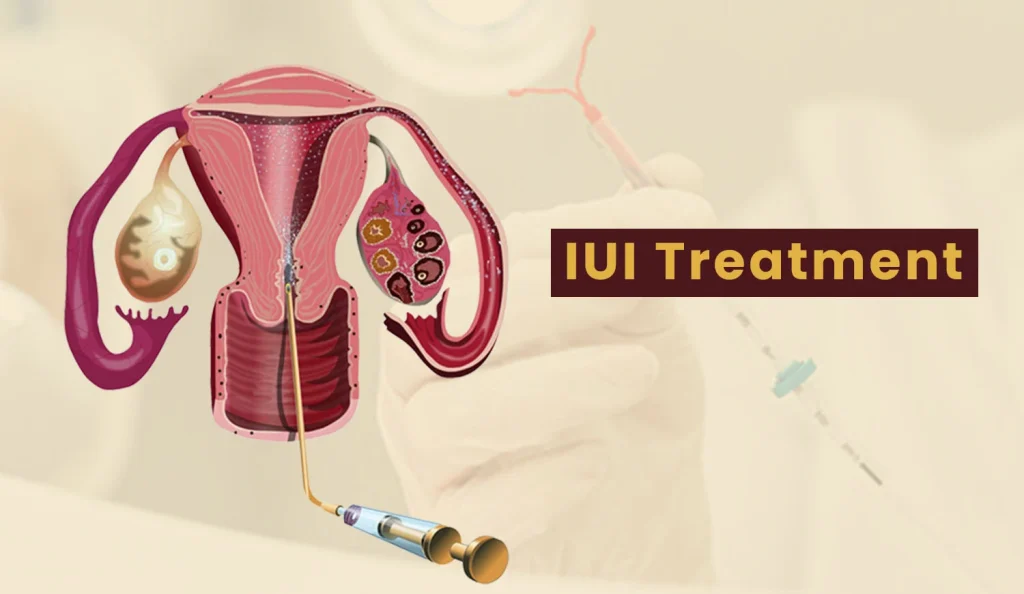
    Intrauterine insemination, also known as artificial insemination, is a fertility treatment that involves inserting sperm directly into a woman’s uterus. This procedure is typically used for couples with unexplained infertility, mild male factor infertility, or when the male partner has difficulty ejaculating. The process starts with the male partner providing a sperm sample, which is then washed and prepared in a laboratory to concentrate the healthiest sperm. The prepared sperm is then inserted into the uterus using a thin, flexible catheter.

    Effectiveness of IUI

    The success rate of IUI varies depending on several factors, including the woman’s age, cause of infertility, and the quality of the sperm used. On average, the success rate of IUI is 10-20% per cycle, and most couples will require multiple cycles to achieve pregnancy. However, when combined with fertility drugs, the success rate can increase up to 20-35% per cycle.

    Pros and Cons of IUI

    One of the main advantages of IUI is that it is a less invasive and more affordable option compared to other fertility treatments, such as in vitro fertilization (IVF). It also allows couples to use the male partner’s sperm, making it a more natural process. However, IUI may not be suitable for couples with severe male factor infertility or blocked fallopian tubes. It also does not address underlying fertility issues, such as endometriosis or low ovarian reserve, making it less effective in these cases.

    Timed Intercourse

    illustration of the uterus and ovaries with a syringe, labeled "IUI Treatment" in the background

    Breaking the Stigma: Discussing Intrauterine Insemination vs Timed Intercourse for Couples Struggling with Infertility

    Timed intercourse, also known as the “natural” way of conceiving, involves having sex during a woman’s most fertile days to increase the chances of pregnancy. This method requires tracking ovulation through methods such as basal body temperature charting, ovulation predictor kits, and fertility tracking apps. The goal is to have sex during the woman’s fertile window, which is typically 2-3 days before and after ovulation.

    Effectiveness of Timed Intercourse

    The success rate of timed intercourse depends on several factors, including the woman’s age, frequency of intercourse, and the accuracy of tracking ovulation. On average, the chances of pregnancy with timed intercourse are around 15-25% per cycle. However, this method may not be as effective for couples with irregular ovulation or underlying fertility issues.

    Pros and Cons of Timed Intercourse

    One of the significant advantages of timed intercourse is that it is a natural and non-invasive method of conception. It also allows couples to have more control over the process and be more involved in their journey. However, it can be emotionally and physically taxing for couples to have sex on a schedule, especially if they have been trying to conceive for a long time. It also requires precise timing and tracking, which can be challenging and stressful for some couples.

    IUI vs. Timed Intercourse: Which is the Right Choice?

    When it comes to choosing between IUI and timed intercourse, there is no one-size-fits-all answer. Both methods have their advantages and disadvantages, and the right choice will depend on each couple’s unique situation. For couples with unexplained infertility or mild male factor infertility, IUI may be a suitable option. On the other hand, couples who prefer a more natural approach and have regular ovulation may opt for timed intercourse.

    It’s also essential to consider the emotional and financial factors when making a decision. While IUI may be more affordable, it may not be the best choice for couples with underlying fertility issues, which can add to the emotional toll of the process. On the other hand, timed intercourse may require more time, effort, and expense in tracking ovulation, but it may be a more comfortable and less invasive option for some couples.

    Breaking the Stigma: Seeking Support

    Whether couples choose IUI or timed intercourse, it’s crucial to seek support from their healthcare provider, loved ones, and support groups. Infertility can be a lonely and isolating experience, but having a strong support system can make a significant difference in coping with the challenges and finding the right treatment.

    It’s also essential to remember that infertility does not define a person or a couple. There are many alternative paths to parenthood, including adoption and surrogacy, and every journey is unique and valid.

    In summary, breaking the stigma surrounding infertility is crucial in creating a supportive and understanding environment for couples struggling to conceive. Both IUI and timed intercourse are viable options for couples, and the right choice will depend on each couple’s individual needs and circumstances. Seeking support and being open to alternative paths to parenthood can help couples navigate this emotional journey and eventually achieve their dream of starting a family.

  • The Social Stigma Surrounding Home Insemination and IVF for Same-Sex Couples

    Blog Post:

    In recent years, there has been a significant increase in the number of same-sex couples choosing to start a family through home insemination or in vitro fertilization (IVF). However, despite the growing acceptance and legal recognition of LGBTQ+ rights, same-sex couples still face social stigma when it comes to these methods of conception.

    Home insemination involves using a syringe or turkey baster to inject semen into the vagina, cervix, or uterus in order to achieve pregnancy. This can be done at home or with the help of a medical professional. IVF, on the other hand, is a more complex and expensive process that involves fertilizing an egg with sperm in a laboratory and then transferring the embryo into the uterus.

    One of the main reasons for the social stigma surrounding home insemination and IVF for same-sex couples is the belief that only heterosexual couples should be able to have children. This heteronormative mindset has been deeply ingrained in society for centuries, and it continues to perpetuate the idea that the only acceptable way to start a family is through traditional methods of conception.

    Another factor contributing to the stigma is the misconception that same-sex couples are not capable of being good parents. This harmful stereotype has been used to justify discrimination against the LGBTQ+ community for years, and it continues to be used to discredit their ability to raise children. However, there is no evidence to suggest that same-sex couples are any less capable of providing a loving and nurturing environment for their children.

    Moreover, there is also a lack of understanding about the reproductive technology used by same-sex couples. Many people are not aware that home insemination and IVF are legitimate and safe methods of conception, and they may view them as unnatural or morally wrong. This lack of knowledge and education leads to fear and judgment towards same-sex couples who choose to use these methods.

    The social stigma surrounding home insemination and IVF for same-sex couples can also be attributed to religious beliefs and cultural norms. In some religions, same-sex relationships and non-traditional methods of conception are considered sinful and against the natural order of things. This can cause individuals to internalize these beliefs and pass judgment on those who do not conform to their religious or cultural ideologies.

    comparison of IUI and IVF fertility treatments with illustrations of procedures and a petri dish with an egg and sperm

    The Social Stigma Surrounding Home Insemination and IVF for Same-Sex Couples

    Unfortunately, the social stigma surrounding home insemination and IVF for same-sex couples can have detrimental effects on their mental health and well-being. The fear of being judged, discriminated against, or ostracized by society can cause immense stress and anxiety for same-sex couples who wish to start a family. This can also lead to a lack of access to essential healthcare services, as some medical professionals may refuse to provide assistance to same-sex couples due to their personal beliefs.

    Despite these challenges, many same-sex couples are determined to overcome the social stigma and start a family through home insemination or IVF. However, the process can be financially and emotionally draining, as these methods are not always covered by insurance or affordable for everyone. This further highlights the need for society to accept and support same-sex couples who choose to build their families through alternative methods.

    In recent years, there have been some positive changes towards breaking the social stigma surrounding home insemination and IVF for same-sex couples. The legal recognition of same-sex marriages and adoption rights has been a significant step towards achieving equality for LGBTQ+ couples. Additionally, more and more celebrities and public figures are openly sharing their experiences with home insemination and IVF, helping to normalize these methods of conception.

    In conclusion, the social stigma surrounding home insemination and IVF for same-sex couples is deeply rooted in societal norms and beliefs. However, it is crucial for us to challenge these stigmas and educate ourselves about the realities of alternative methods of conception. Same-sex couples have the right to start a family and should not be judged or discriminated against for their choices. It is time for society to embrace diversity and support all types of families, regardless of how they were formed.

    Summary:

    Despite the growing acceptance and legal recognition of LGBTQ+ rights, same-sex couples still face social stigma when it comes to home insemination and IVF. This is due to heteronormative beliefs, misconceptions about same-sex parenting, lack of understanding about reproductive technology, religious and cultural norms, and fear of discrimination. The stigma can have harmful effects on mental health and access to healthcare. However, there have been some positive changes, such as legal recognition and public figures sharing their experiences. It is time for society to embrace diversity and support all types of families, regardless of how they were formed.

    Metadata: