Tag: effectiveness

  • Fertility Medications vs Supplements: Which Is More Accessible to Everyone?

    Fertility Medications vs Supplements: Which Is More Accessible to Everyone?

    When it comes to trying to conceive, many couples turn to fertility medications or supplements to increase their chances of getting pregnant. However, there is often a debate about which option is more accessible to everyone. In this blog post, we will discuss the differences between fertility medications and supplements, their accessibility, and which one may be the better choice for those struggling with fertility.

    Fertility Medications:
    Fertility medications, also known as fertility drugs, are prescribed by doctors to help regulate hormones and stimulate ovulation in women. Some common fertility medications include clomiphene citrate, gonadotropins, and letrozole. These medications are usually taken orally or injected and have specific instructions on when and how to take them.

    Accessibility:
    One of the main barriers to accessing fertility medications is the high cost. Since these medications are not typically covered by insurance, couples may have to pay out of pocket for them, which can be financially burdensome. In addition, fertility medications require a prescription from a doctor, which means individuals must have access to healthcare and be able to afford the cost of doctor visits.

    Furthermore, fertility medications may not be readily available in every country, making it challenging for couples to access them. This can be especially difficult for those who live in rural areas or countries with limited healthcare resources.

    Effectiveness:
    The effectiveness of fertility medications varies from person to person. While some may have success using these medications, others may not respond to them at all. It is crucial to consult with a doctor and undergo fertility testing to determine if fertility medications are the right option for you.

    Supplements:
    Supplements, on the other hand, are over-the-counter products that can be purchased without a prescription. They are often marketed as natural and alternative options for increasing fertility. Some common supplements used for fertility include CoQ10, vitamin D, and omega-3 fatty acids.
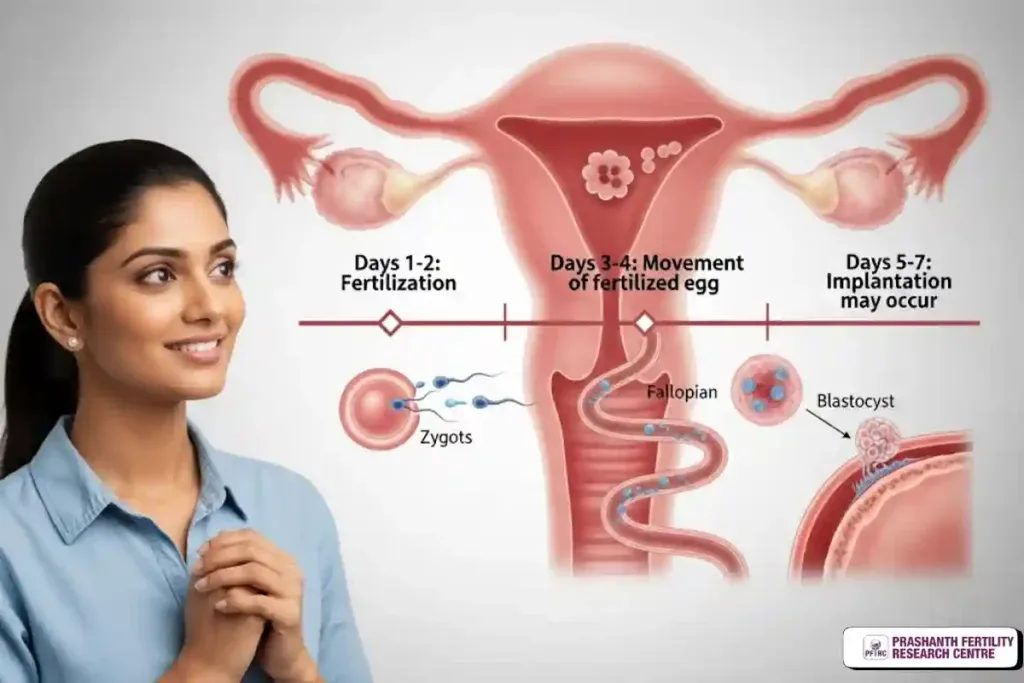
    Illustration showing fertilization and implantation timeline with a woman looking hopeful.

    Fertility Medications vs Supplements: Which Is More Accessible to Everyone?

    Accessibility:
    Supplements are generally more accessible to everyone since they can be purchased without a prescription. They are also usually more affordable than fertility medications. However, it is essential to note that not all supplements are created equal, and some may not have enough scientific evidence to support their effectiveness.

    Effectiveness:
    While supplements may seem like a more accessible and natural option for increasing fertility, their effectiveness is not guaranteed. Since supplements are not regulated by the FDA, their quality and ingredients may vary. This makes it challenging to determine which supplements are truly effective for fertility.

    Which Is the Better Option?
    It is challenging to determine which option is better since both fertility medications and supplements have their pros and cons. Fertility medications may be more effective for those who have specific hormonal imbalances or ovulation issues, while supplements may be beneficial for overall reproductive health.

    Therefore, it is crucial to consult with a doctor and undergo fertility testing to determine the root cause of fertility issues before deciding on a treatment plan. In some cases, a combination of both fertility medications and supplements may be recommended.

    In terms of accessibility, supplements may have an advantage since they can be purchased without a prescription and are often more affordable. However, it is essential to research and choose reputable supplement brands that have scientific evidence to support their effectiveness.

    In conclusion, both fertility medications and supplements have their benefits and drawbacks. While fertility medications may be more effective for specific fertility issues, supplements may be a more accessible and affordable option for overall reproductive health. Consulting with a doctor and undergoing fertility testing is crucial in determining the best treatment plan for each individual or couple.

    Summary:
    Fertility medications and supplements are both options for those struggling with fertility, but their accessibility and effectiveness vary. Fertility medications require a prescription and can be expensive, while supplements can be purchased over-the-counter and are generally more affordable. However, the effectiveness of both options is not guaranteed, and it is crucial to consult with a doctor and undergo fertility testing to determine the best treatment plan.

  • The Decision-Making Process: At-Home Insemination Kits vs. Medical Supplies

    Title: Making the Right Choice: Comparing At-Home Insemination Kits vs. Medical Supplies

    Word Count: 2010

    Deciding to start a family is an exciting and life-changing decision, but for many couples, it is not always easy. For same-sex couples, single individuals, or those facing fertility challenges, the traditional method of conception may not be an option. This is where the decision-making process for at-home insemination kits versus medical supplies comes into play. While both options have their own set of pros and cons, it is important to understand the differences and make an informed decision. In this blog post, we will discuss the various factors to consider when choosing between at-home insemination kits and medical supplies.

    Cost
    One of the first factors to consider when deciding between at-home insemination kits and medical supplies is the cost. At-home insemination kits are generally more affordable than medical supplies, which can cost hundreds or even thousands of dollars. The kits usually include all the necessary tools, such as syringes, ovulation tests, and fertility-friendly lubricants. On the other hand, medical supplies may require a prescription and additional visits to the doctor, which can add up in expenses.

    Convenience
    For many couples, the convenience of at-home insemination kits is a major factor in their decision-making process. These kits can be purchased online or in stores, and they can be used in the comfort and privacy of your own home. This can be particularly beneficial for same-sex couples who may not have access to fertility clinics or for those who prefer not to involve a third party in the process. Additionally, at-home insemination kits often come with detailed instructions, making the process easy and stress-free.

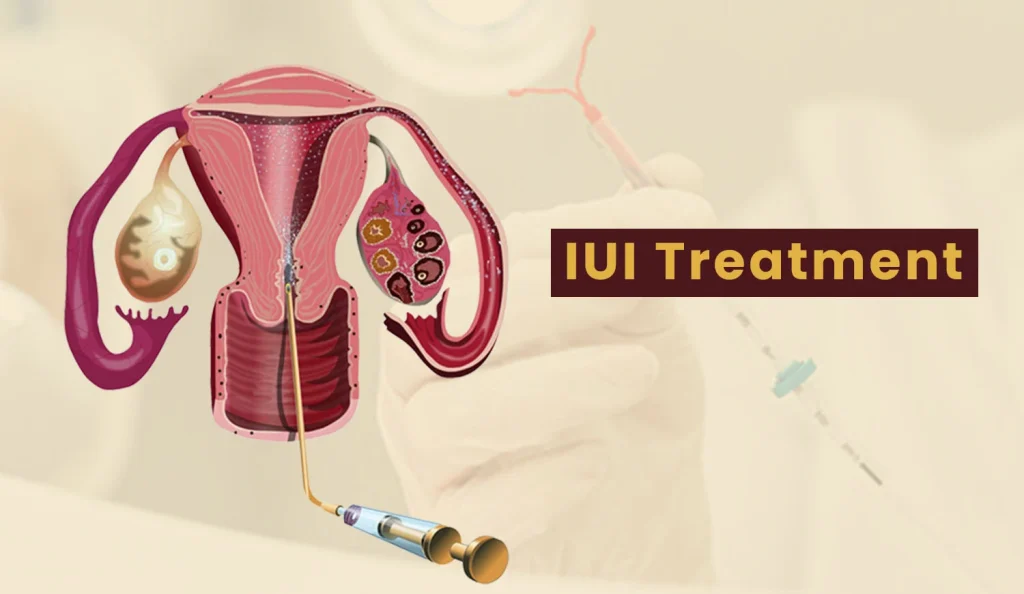
    Illustration of the uterus with a syringe, depicting the intrauterine insemination procedure.

    The Decision-Making Process: At-Home Insemination Kits vs. Medical Supplies

    Effectiveness
    When it comes to effectiveness, medical supplies may have an advantage over at-home insemination kits. Medical procedures, such as intrauterine insemination (IUI) or in vitro fertilization (IVF), have higher success rates compared to at-home insemination. This is because these procedures involve direct placement of sperm into the uterus or fertilization of the eggs outside the body. However, at-home insemination kits can still be successful, especially for couples with no fertility issues.

    Control and Monitoring
    Another important factor to consider is the level of control and monitoring you have over the process. With at-home insemination kits, you have complete control over the timing and frequency of insemination. You can also track your ovulation and use the kits accordingly. However, medical procedures are often closely monitored by doctors, who can provide guidance and make adjustments based on your body’s response to the treatment.

    Safety
    Safety is a crucial factor to consider when deciding between at-home insemination kits and medical supplies. At-home insemination kits, if used correctly, are generally safe and have no major risks. However, medical procedures do carry some risks, such as infection, bleeding, or damage to the reproductive organs. It is important to discuss these risks with your doctor and follow all necessary precautions.

    Emotional Impact
    Starting a family is an emotional journey, and the method of conception can have a significant impact on the emotional well-being of the couple. At-home insemination kits provide a more intimate and personal experience, which can be comforting for some couples. On the other hand, medical procedures can feel more clinical and may require more involvement from healthcare professionals. It is important to consider your emotional needs and choose the option that feels right for you.

    Summary:
    The decision-making process for at-home insemination kits versus medical supplies can be overwhelming and challenging. While at-home insemination kits are more affordable and convenient, medical supplies may have a higher success rate. It is important to consider factors such as cost, convenience, effectiveness, control and monitoring, safety, and emotional impact when making this decision. Ultimately, the choice will depend on personal preferences and individual circumstances.

  • Navigating Fertility: Choosing Between Devices and Traditional Methods

    Navigating Fertility: Choosing Between Devices and Traditional Methods

    Fertility is a deeply personal topic for many individuals and couples. Whether someone is trying to conceive or trying to prevent pregnancy, the decision of which method to use can be overwhelming. With the advancement of technology, there are now a plethora of devices and traditional methods available to aid in fertility management. In this blog post, we will explore the different options for navigating fertility and help you determine which method may be the best fit for you.

    Traditional Methods

    Traditional methods of fertility management have been used for centuries and rely on tracking a person’s menstrual cycle to determine when they are most fertile. These methods include tracking basal body temperature, monitoring cervical mucus, and using the calendar method. While these methods are natural and free, they require diligence and accuracy in tracking and can be less effective for individuals with irregular cycles.

    Basal body temperature (BBT) tracking involves taking your temperature every morning before getting out of bed. This method relies on the fact that a person’s body temperature rises slightly after ovulation, indicating that they are fertile. While this method is easy to do, it can be affected by factors such as illness, lack of sleep, or alcohol consumption, which can alter body temperature.

    Cervical mucus monitoring involves tracking changes in the texture and consistency of cervical mucus throughout the menstrual cycle. As a person gets closer to ovulation, their cervical mucus becomes thinner and more stretchy, similar to egg whites. This method requires the person to check their mucus daily and can be affected by factors such as medications, sexual activity, and vaginal infections.

    The calendar method, also known as the rhythm method, involves tracking the length of a person’s menstrual cycle to determine when they are most likely to be fertile. This method relies on the assumption that ovulation occurs around day 14 of a typical 28-day cycle. However, this method can be unreliable for individuals with irregular periods or those who have recently stopped using hormonal birth control.

    Devices

    With the advancement of technology, there are now several devices available for tracking fertility. These devices use various methods, such as tracking hormones or monitoring body temperature, to determine a person’s fertile window.

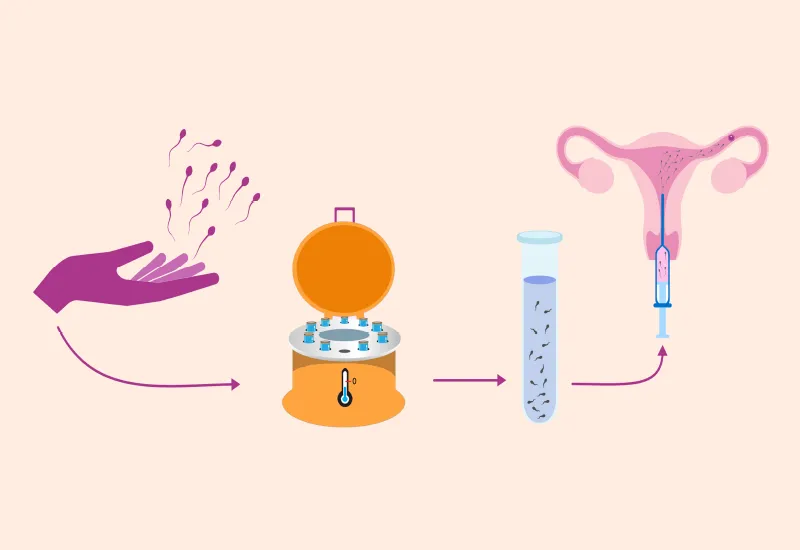
    illustration of the IUI process, showing sperm collection, preparation, and insertion into the uterus

    Navigating Fertility: Choosing Between Devices and Traditional Methods

    One popular device is the fertility tracker, which uses a combination of BBT tracking, cervical mucus monitoring, and calendar tracking to provide a more accurate prediction of ovulation. These devices often come with a corresponding app that allows the user to input their data and receive personalized fertility predictions.

    Another popular device is the ovulation predictor kit (OPK), which measures the levels of luteinizing hormone (LH) in a person’s urine. A surge in LH indicates that ovulation is about to occur, making it the best time to try to conceive. OPKs can be used alone or in combination with BBT tracking to confirm ovulation.

    For individuals trying to prevent pregnancy, there are also fertility devices that use hormone tracking to determine when it is safe to have unprotected sex. These devices, such as the contraceptive bracelet, monitor hormone levels in the body to predict when a person is most fertile and when they are not.

    Which Method is Best?

    The decision of which fertility method to use ultimately depends on personal preference and lifestyle. Traditional methods may be a good fit for individuals who are comfortable with tracking their cycles and have regular periods. These methods are also free and do not require any devices or technology.

    On the other hand, devices may be a better option for individuals who prefer a more accurate and convenient method. These devices often come with apps that make tracking and predicting fertility easier and more personalized. However, they can be more expensive and may require a learning curve to understand how to use them effectively.

    It’s also important to consider the effectiveness of each method. According to a study published by the National Institutes of Health, fertility awareness-based methods have a failure rate of 24%. This means that for every 100 couples using these methods, 24 will experience an unintended pregnancy within the first year of use. On the other hand, devices such as fertility trackers and OPKs have a failure rate of less than 10%, making them more effective in preventing or achieving pregnancy.

    In addition to effectiveness, it’s crucial to think about the potential risks and side effects associated with each method. Traditional methods are natural and have no side effects, but they require a high level of diligence and accuracy. Devices, on the other hand, may have side effects such as skin irritation from wearing the device or false predictions due to user error.

    Summary

    When it comes to navigating fertility, there are many factors to consider, including personal preferences, effectiveness, and potential risks and side effects. Traditional methods such as BBT tracking and calendar methods are natural and free but require diligence and accuracy. Devices, such as fertility trackers and ovulation predictor kits, offer more convenience and accuracy but come with a higher cost. Ultimately, it’s important to choose a method that fits your lifestyle and goals for family planning.

  • The Cost of Conception: Comparing Expenses of Apps and Traditional Methods

    Blog Post Summary:

    Conception is a crucial and often expensive journey for many couples. In recent years, the rise of fertility tracking apps has revolutionized the way people approach conception. These apps offer a cheaper and more convenient alternative to traditional methods such as fertility treatments and ovulation kits. However, it is important to analyze the cost of conception using these apps versus traditional methods.

    In this blog post, we will compare the expenses of using fertility tracking apps versus traditional methods. We will explore the various factors that contribute to the cost of conception, including the effectiveness, convenience, and overall price of each method. By the end, readers will have a better understanding of the cost implications of both options and be able to make an informed decision about which method is best for them.

    First, let’s take a look at the cost of fertility tracking apps. These apps typically range from free to around $10 per month. They offer features such as ovulation tracking, cycle predictions, and personalized insights. Compared to traditional methods, these apps are significantly cheaper, making them an appealing option for couples on a budget. Additionally, many of these apps offer a free trial period, allowing users to test their effectiveness before committing to a subscription.

    On the other hand, traditional methods of conception can be quite expensive. Fertility treatments, such as in vitro fertilization (IVF), can cost upwards of $12,000 per cycle. This cost can quickly add up, especially if multiple cycles are needed. Ovulation kits, which are used to track the most fertile days of a woman’s cycle, can cost around $20-$50 per kit. These kits often need to be used multiple times throughout a cycle, increasing the overall cost.

    illustration of IUI procedure with text on symptoms, reasons, and causes of IUI failure

    The Cost of Conception: Comparing Expenses of Apps and Traditional Methods

    Effectiveness is another important factor to consider when comparing the cost of conception between apps and traditional methods. Fertility tracking apps rely on data input from users to predict ovulation and fertile days. While they may be accurate for some, they can also be prone to error and may not work for everyone. On the other hand, traditional methods such as IVF have a higher success rate, making them a more reliable option for couples struggling with infertility. However, this higher success rate comes at a significantly higher cost.

    Convenience is also a significant factor when it comes to the cost of conception. Fertility tracking apps allow users to track their cycles and receive insights from the comfort of their own home. This eliminates the need for frequent doctor visits and reduces the overall cost. Traditional methods, on the other hand, often require regular appointments and procedures, adding to the expense.

    It is also important to consider the overall price of each method. While fertility tracking apps may seem cheaper on the surface, they often require a long-term subscription to be effective. This means that over time, the cost of using these apps can add up. Traditional methods, while more expensive upfront, may be a more cost-effective option in the long run.

    In conclusion, the cost of conception using fertility tracking apps versus traditional methods can vary greatly. While apps offer a cheaper and more convenient option, they may not be as effective as traditional methods and can incur long-term costs. On the other hand, traditional methods may be more reliable but come with a higher price tag. Ultimately, the decision on which method to choose will depend on the individual needs and preferences of each couple.

    SEO metadata:

  • Breaking the Stigma: Discussing Intrauterine Insemination vs Timed Intercourse for Couples Struggling with Infertility

    Blog Post:

    Infertility is a deeply personal and emotional struggle for many couples. For those who are trying to conceive, it can feel like a constant uphill battle filled with disappointment, frustration, and heartache. However, with advancements in reproductive technology, there are now more options available to help couples overcome infertility and start a family. Two of the most commonly discussed treatments are intrauterine insemination (IUI) and timed intercourse. In this blog post, we will break down the stigma surrounding these treatments and discuss their effectiveness, pros and cons, and how they compare to each other.

    Breaking the Stigma: Understanding Infertility

    Before diving into the specifics of IUI and timed intercourse, it’s essential to first understand what infertility is and how it affects couples. Infertility is defined as the inability to conceive a child after one year of trying for couples under 35 years old and six months for couples over 35 years old. Infertility affects approximately 1 in 8 couples, and it can be caused by a variety of factors, including age, medical conditions, hormonal imbalances, and lifestyle choices.

    The emotional toll of infertility is often overlooked and underestimated. For couples struggling to conceive, it can lead to feelings of shame, guilt, and even depression. Many couples also face social stigma and pressure from family and friends, making their journey even more challenging. It’s essential to break the stigma surrounding infertility and create a safe and supportive space for couples to explore their options.

    Intrauterine Insemination (IUI)

    Intrauterine insemination, also known as artificial insemination, is a fertility treatment that involves inserting sperm directly into a woman’s uterus. This procedure is typically used for couples with unexplained infertility, mild male factor infertility, or when the male partner has difficulty ejaculating. The process starts with the male partner providing a sperm sample, which is then washed and prepared in a laboratory to concentrate the healthiest sperm. The prepared sperm is then inserted into the uterus using a thin, flexible catheter.

    Effectiveness of IUI

    The success rate of IUI varies depending on several factors, including the woman’s age, cause of infertility, and the quality of the sperm used. On average, the success rate of IUI is 10-20% per cycle, and most couples will require multiple cycles to achieve pregnancy. However, when combined with fertility drugs, the success rate can increase up to 20-35% per cycle.

    Pros and Cons of IUI

    One of the main advantages of IUI is that it is a less invasive and more affordable option compared to other fertility treatments, such as in vitro fertilization (IVF). It also allows couples to use the male partner’s sperm, making it a more natural process. However, IUI may not be suitable for couples with severe male factor infertility or blocked fallopian tubes. It also does not address underlying fertility issues, such as endometriosis or low ovarian reserve, making it less effective in these cases.

    Timed Intercourse

    illustration of the uterus and ovaries with a syringe, labeled "IUI Treatment" in the background

    Breaking the Stigma: Discussing Intrauterine Insemination vs Timed Intercourse for Couples Struggling with Infertility

    Timed intercourse, also known as the “natural” way of conceiving, involves having sex during a woman’s most fertile days to increase the chances of pregnancy. This method requires tracking ovulation through methods such as basal body temperature charting, ovulation predictor kits, and fertility tracking apps. The goal is to have sex during the woman’s fertile window, which is typically 2-3 days before and after ovulation.

    Effectiveness of Timed Intercourse

    The success rate of timed intercourse depends on several factors, including the woman’s age, frequency of intercourse, and the accuracy of tracking ovulation. On average, the chances of pregnancy with timed intercourse are around 15-25% per cycle. However, this method may not be as effective for couples with irregular ovulation or underlying fertility issues.

    Pros and Cons of Timed Intercourse

    One of the significant advantages of timed intercourse is that it is a natural and non-invasive method of conception. It also allows couples to have more control over the process and be more involved in their journey. However, it can be emotionally and physically taxing for couples to have sex on a schedule, especially if they have been trying to conceive for a long time. It also requires precise timing and tracking, which can be challenging and stressful for some couples.

    IUI vs. Timed Intercourse: Which is the Right Choice?

    When it comes to choosing between IUI and timed intercourse, there is no one-size-fits-all answer. Both methods have their advantages and disadvantages, and the right choice will depend on each couple’s unique situation. For couples with unexplained infertility or mild male factor infertility, IUI may be a suitable option. On the other hand, couples who prefer a more natural approach and have regular ovulation may opt for timed intercourse.

    It’s also essential to consider the emotional and financial factors when making a decision. While IUI may be more affordable, it may not be the best choice for couples with underlying fertility issues, which can add to the emotional toll of the process. On the other hand, timed intercourse may require more time, effort, and expense in tracking ovulation, but it may be a more comfortable and less invasive option for some couples.

    Breaking the Stigma: Seeking Support

    Whether couples choose IUI or timed intercourse, it’s crucial to seek support from their healthcare provider, loved ones, and support groups. Infertility can be a lonely and isolating experience, but having a strong support system can make a significant difference in coping with the challenges and finding the right treatment.

    It’s also essential to remember that infertility does not define a person or a couple. There are many alternative paths to parenthood, including adoption and surrogacy, and every journey is unique and valid.

    In summary, breaking the stigma surrounding infertility is crucial in creating a supportive and understanding environment for couples struggling to conceive. Both IUI and timed intercourse are viable options for couples, and the right choice will depend on each couple’s individual needs and circumstances. Seeking support and being open to alternative paths to parenthood can help couples navigate this emotional journey and eventually achieve their dream of starting a family.