Tag: In Vitro Fertilization

  • What to Expect: Intrauterine Insemination vs In Vitro Fertilization

    In today’s world, many couples are struggling with fertility issues and looking for ways to start or expand their families. Fortunately, advancements in assisted reproductive technology have made it possible for couples to have children, even if they are facing challenges with fertility. Two popular options for couples who are struggling to conceive are intrauterine insemination (IUI) and in vitro fertilization (IVF). While both of these fertility treatments can help couples achieve their dream of parenthood, they are quite different in terms of process, success rates, and cost. In this blog post, we will explore what to expect when considering IUI and IVF as fertility options.

    Intrauterine insemination, also known as artificial insemination, is a relatively simple procedure that involves placing sperm directly into the uterus during ovulation. This procedure is often recommended for couples who have unexplained infertility, mild male factor infertility, or issues with cervical mucus. The process begins with the male partner providing a sperm sample, which is then washed and prepared in the lab to separate the healthy sperm from the seminal fluid. The sperm is then placed in a thin, flexible catheter and inserted into the uterus through the cervix. This process is usually painless and takes only a few minutes to complete.

    One of the main advantages of IUI is that it is a minimally invasive procedure and does not require any anesthesia. This makes it a more comfortable and less stressful option for couples who are trying to conceive. Additionally, IUI is less expensive compared to other fertility treatments, such as IVF. The success rates for IUI vary and depend on several factors, including the age of the woman, the cause of infertility, and the quality of the sperm. On average, the success rate for IUI is around 10-20% per cycle, which means that it may take multiple attempts before achieving a pregnancy.

    On the other hand, in vitro fertilization is a more complex and invasive procedure that involves fertilizing the egg outside of the body and then transferring it into the uterus. This process requires the woman to undergo hormonal injections to stimulate her ovaries to produce multiple eggs. The eggs are then retrieved through a minor surgical procedure and combined with sperm in a laboratory. After fertilization, the resulting embryos are monitored for a few days before being transferred into the uterus. Any remaining embryos can be frozen for future use.
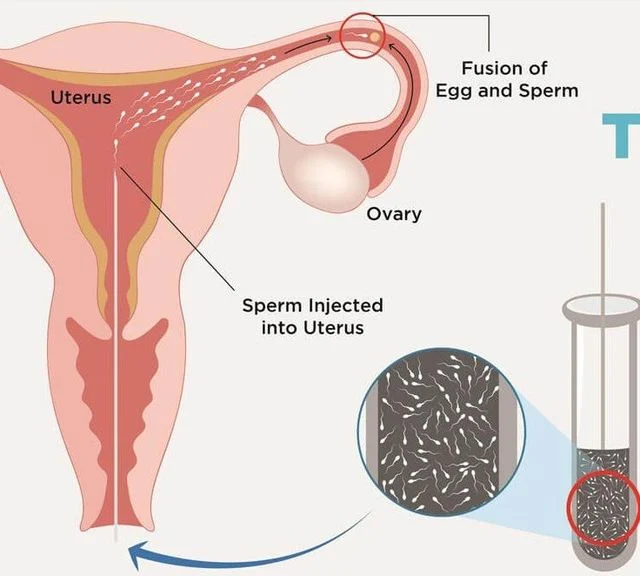
    Diagram illustrating the IUI process, showing sperm injection into the uterus and egg fertilization.

    What to Expect: Intrauterine Insemination vs In Vitro Fertilization

    IVF is often recommended for couples who have more severe infertility issues, such as blocked fallopian tubes, advanced maternal age, or severe male factor infertility. It is also a viable option for same-sex couples and single individuals who want to have a biological child. While IVF is a more invasive and expensive procedure, it has a higher success rate compared to IUI. On average, the success rate for IVF is around 40% per cycle, but this can vary depending on age, health conditions, and other factors.

    Aside from the difference in procedure and success rates, IUI and IVF also differ in terms of cost. The average cost of IUI is around $300-$1000 per cycle, making it a more affordable option for couples. However, as mentioned earlier, it may take multiple cycles to achieve a pregnancy. On the other hand, the average cost of IVF is around $12,000-$15,000 per cycle, making it a significant financial commitment for many couples. Some health insurance plans may cover a portion of the cost of fertility treatments, but it is essential to check with your provider to understand your coverage.

    In terms of emotional and physical impact, both IUI and IVF can be overwhelming for couples. The process of trying to conceive can be emotionally taxing, and fertility treatments can add additional stress and pressure. It is essential to have a support system in place and to communicate openly with your partner throughout the process. Both procedures also come with potential side effects, such as bloating, cramping, and mood swings, due to the hormonal medications used. It is crucial to discuss any concerns with your doctor and to take care of your physical and emotional well-being during this time.

    In summary, IUI and IVF are two different fertility treatment options that can help couples struggling with infertility to conceive. IUI is a minimally invasive procedure with a lower success rate and cost, while IVF is a more complex and expensive procedure with a higher success rate. It is essential to consult with a fertility specialist to determine which option is best suited for your individual situation. Regardless of which option you choose, it is essential to have realistic expectations and to take care of your physical and emotional well-being throughout the process.

    In conclusion, struggling with infertility can be a challenging and emotional journey for couples, but with advancements in assisted reproductive technology, there is hope for starting or expanding a family. Intrauterine insemination and in vitro fertilization are two popular fertility treatment options that can help couples achieve their dream of parenthood. While they differ in terms of procedure, success rates, and cost, both options have their own benefits and challenges. It is crucial to consult with a fertility specialist and to have a support system in place while going through the process. With patience, open communication, and a positive mindset, couples can navigate through these fertility options and hopefully achieve their goal of having a child.

  • The Role of Technology: Intrauterine Insemination vs In Vitro Fertilization

    The Role of Technology: Intrauterine Insemination vs In Vitro Fertilization

    In the world of reproductive medicine, technology plays a crucial role in assisting couples who struggle with fertility. Intrauterine insemination (IUI) and in vitro fertilization (IVF) are two commonly used techniques to help couples achieve pregnancy. Both procedures involve the use of technology, but they differ in their approach and success rates. In this blog post, we will explore the role of technology in these two fertility treatments and how they compare.

    Intrauterine insemination, also known as artificial insemination, is a relatively simple and non-invasive procedure. It involves placing washed and concentrated sperm directly into the uterus, bypassing the cervix. This process is done around the time of ovulation to increase the chances of fertilization. IUI can be performed with the partner’s sperm or with donor sperm, depending on the couple’s needs.

    One of the key technologies used in IUI is sperm washing. This process separates healthy sperm from seminal fluid and other debris, increasing the concentration of sperm and reducing the risk of infection. The washed sperm is then placed into the uterus using a catheter, which is guided by ultrasound technology. This allows for precise placement of the sperm near the fallopian tubes, increasing the chances of fertilization.

    Another technology used in IUI is ovulation prediction. This involves monitoring a woman’s menstrual cycle to determine the best time for the procedure. This can be done through various methods such as tracking basal body temperature, hormone level testing, and ultrasound monitoring. By accurately predicting ovulation, the success rate of IUI can be significantly improved.

    On the other hand, in vitro fertilization is a more complex and invasive procedure. It involves retrieving eggs from the ovaries and fertilizing them with sperm in a laboratory setting. The fertilized eggs, or embryos, are then transferred back into the woman’s uterus, where they can implant and develop into a pregnancy.

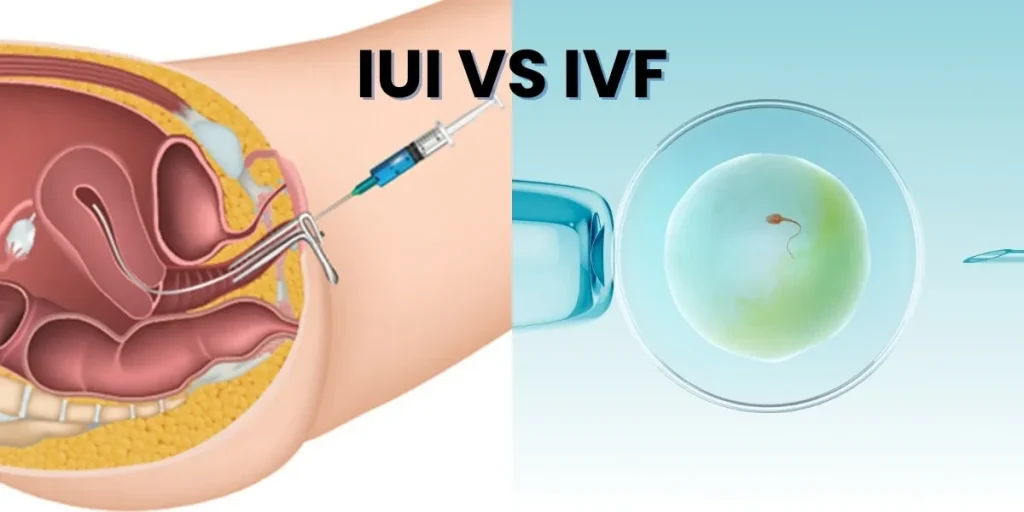
    comparison of IUI and IVF fertility treatments with illustrations of procedures and a petri dish with an egg and sperm

    The Role of Technology: Intrauterine Insemination vs In Vitro Fertilization

    IVF requires advanced technologies such as controlled ovarian stimulation to produce multiple eggs, ultrasound-guided egg retrieval, and laboratory techniques to fertilize the eggs. The embryos are then cultured and monitored for several days before being transferred into the uterus. This process allows for the selection of the healthiest embryos, increasing the chances of a successful pregnancy.

    One significant technological advancement in IVF is the use of intracytoplasmic sperm injection (ICSI). This technique involves injecting a single sperm directly into an egg, bypassing any potential barriers to fertilization. ICSI is particularly beneficial for couples with male factor infertility, as it can significantly improve the chances of fertilization compared to traditional IVF.

    Another notable technology used in IVF is preimplantation genetic testing (PGT). This involves testing embryos for genetic abnormalities before they are transferred into the uterus. PGT can help identify and prevent the transfer of embryos with chromosomal or genetic abnormalities, reducing the risk of miscarriage or inherited diseases in the baby.

    While both IUI and IVF utilize technology to assist with fertility, IVF has a higher success rate. The success rate of IUI is around 10-20%, while IVF has a success rate of 40-45%. This can be attributed to the more advanced technologies used in IVF, as well as the ability to select the healthiest embryos for transfer.

    However, with advancements in technology, the success rates of IUI have been steadily increasing. For example, the use of intrauterine ultrasound during the procedure has been shown to improve the success rate of IUI by up to 50%. Additionally, the use of fertility drugs to stimulate ovulation can also improve the chances of success.

    Another factor to consider when comparing IUI and IVF is the cost. IUI is a more affordable option compared to IVF, making it a popular choice for couples who do not have severe fertility issues. However, for couples with more complex infertility, IVF may be the better option despite the higher cost.

    In conclusion, technology plays a significant role in both intrauterine insemination and in vitro fertilization. These fertility treatments use various techniques and technologies to increase the chances of pregnancy for couples struggling with infertility. While IVF has a higher success rate, advancements in technology have also improved the success rates of IUI. Ultimately, the choice between IUI and IVF depends on the individual needs and circumstances of each couple, and consulting with a fertility specialist is crucial in making the best decision.

  • Understanding the Process: Intrauterine Insemination vs In Vitro Fertilization

    Understanding the Process: Intrauterine Insemination vs In Vitro Fertilization

    When struggling with infertility, couples often turn to assisted reproductive technologies (ART) to help them achieve their dream of starting a family. Two common methods of ART are intrauterine insemination (IUI) and in vitro fertilization (IVF). While both procedures aim to assist with conception, they have different processes and success rates. In this blog post, we will dive into the details of IUI and IVF, helping readers understand the differences between the two procedures and which may be the best option for them.

    What is Intrauterine Insemination (IUI)?

    IUI, also known as artificial insemination, is a fertility treatment that involves placing sperm directly into a woman’s uterus during ovulation. This procedure is often recommended for couples with unexplained infertility, mild male factor infertility, or cervical factor infertility. It can also be used for same-sex couples or single women who want to conceive using donor sperm.

    The process of IUI begins with monitoring the woman’s ovulation cycle through blood tests and ultrasounds. Once it is determined that she is ovulating, the male partner or donor sperm is collected and washed to remove any impurities. The washed sperm is then inserted into the woman’s uterus using a thin catheter, bypassing the cervix and increasing the chance of fertilization.

    What is In Vitro Fertilization (IVF)?

    IVF is a more complex fertility treatment that involves fertilizing an egg with sperm outside of the body and then transferring the resulting embryo into the woman’s uterus. This procedure is recommended for couples with severe male factor infertility, blocked or damaged fallopian tubes, endometriosis, or unexplained infertility.

    The process of IVF begins with ovarian stimulation, where fertility drugs are used to stimulate the woman’s ovaries to produce multiple eggs. The eggs are then retrieved through a minor surgical procedure and fertilized with sperm in a laboratory. The resulting embryos are monitored for a few days before being transferred into the woman’s uterus. Any remaining embryos can be frozen for future use.

    Key Differences between IUI and IVF

    Illustration of intrauterine insemination (IUI) procedure with syringe and catheter in the uterus.

    Understanding the Process: Intrauterine Insemination vs In Vitro Fertilization

    1. Success Rates: The success rates for IUI and IVF differ significantly. On average, IUI has a success rate of 10-20%, while IVF has a success rate of 40-45%. The success rates can also vary depending on factors such as age, overall health, and the cause of infertility.

    2. Complexity of Procedure: IUI is a relatively simple procedure, while IVF involves multiple steps and more invasive procedures. This can also mean that IVF is more expensive than IUI.

    3. Required Fertility Issues: IUI is recommended for couples with specific fertility issues, while IVF can be used for a wider range of fertility problems.

    4. Number of Eggs Retrieved: In IUI, only one egg is released during ovulation, while in IVF, multiple eggs are retrieved and fertilized. This can increase the chances of pregnancy in IVF.

    Which Procedure is Right for You?

    Choosing between IUI and IVF can be a difficult decision. It is essential to consult with a fertility specialist who can assess your individual situation and recommend the best course of treatment. Factors such as age, overall health, fertility issues, and financial considerations should all be taken into account.

    In general, IUI may be recommended as a first-line treatment for couples with mild fertility issues, while IVF may be recommended for more severe cases. However, every couple’s journey is unique, and what works for one may not work for another.

    Final Thoughts

    Struggling with infertility can be emotionally and physically draining, and choosing the right fertility treatment can feel overwhelming. Understanding the differences between IUI and IVF can help couples make a more informed decision and increase their chances of success. With the help of a fertility specialist, couples can explore their options and find the best treatment plan for their individual situation.

    In summary, IUI and IVF are two common ART procedures used to assist with conception. While IUI involves placing sperm directly into a woman’s uterus during ovulation, IVF involves fertilizing an egg with sperm outside of the body and then transferring the resulting embryo into the uterus. These procedures differ in their success rates, complexity, and recommended fertility issues. Ultimately, the best fertility treatment for each couple will depend on their unique circumstances and should be discussed with a fertility specialist.

  • The Science Behind Conception: Intrauterine Insemination vs In Vitro Fertilization

    Blog Post Title: The Science Behind Conception: Intrauterine Insemination vs In Vitro Fertilization

    Summary:

    Conception is a miraculous process that allows for the creation of new life. For couples struggling with infertility, it can be a difficult and emotional journey. Fortunately, advancements in reproductive technology have made it possible for many couples to achieve their dream of becoming parents. Two of the most commonly used methods for assisted reproduction are intrauterine insemination (IUI) and in vitro fertilization (IVF). While both procedures have the same end goal of helping couples conceive, they differ in their approach and success rates. In this blog post, we will delve into the science behind these two methods and explore their similarities, differences, and success rates.

    Intrauterine Insemination (IUI):

    IUI, also known as artificial insemination, is a form of assisted reproduction where sperm is directly inserted into a woman’s uterus to increase the chances of fertilization. The process begins with the collection of a semen sample from the male partner or a donor. The sample is then washed and prepared in a laboratory to concentrate the healthiest and most active sperm. The prepared sperm is then inserted into the woman’s uterus using a thin catheter, which is a painless and quick procedure.

    The success of IUI depends on several factors, including the quality of the sperm, the woman’s age, and the timing of the procedure. IUI is often recommended for couples with unexplained infertility, mild male factor infertility, or when the woman is unable to produce enough cervical mucus. It is also a common option for same-sex couples and single women who want to conceive.

    In Vitro Fertilization (IVF):

    IVF is a more complex and invasive assisted reproductive technique. It involves the retrieval of eggs from a woman’s ovaries, fertilization of the eggs with sperm in a laboratory, and the transfer of the resulting embryo(s) into the woman’s uterus. The process begins with the woman undergoing hormone injections to stimulate the ovaries and produce multiple eggs. Once the eggs are mature, they are retrieved using a minor surgical procedure. The collected eggs are then fertilized with sperm in a laboratory, and the resulting embryos are monitored for growth and development. After a few days, one or more embryos are transferred into the woman’s uterus, and any remaining embryos can be frozen for future use.

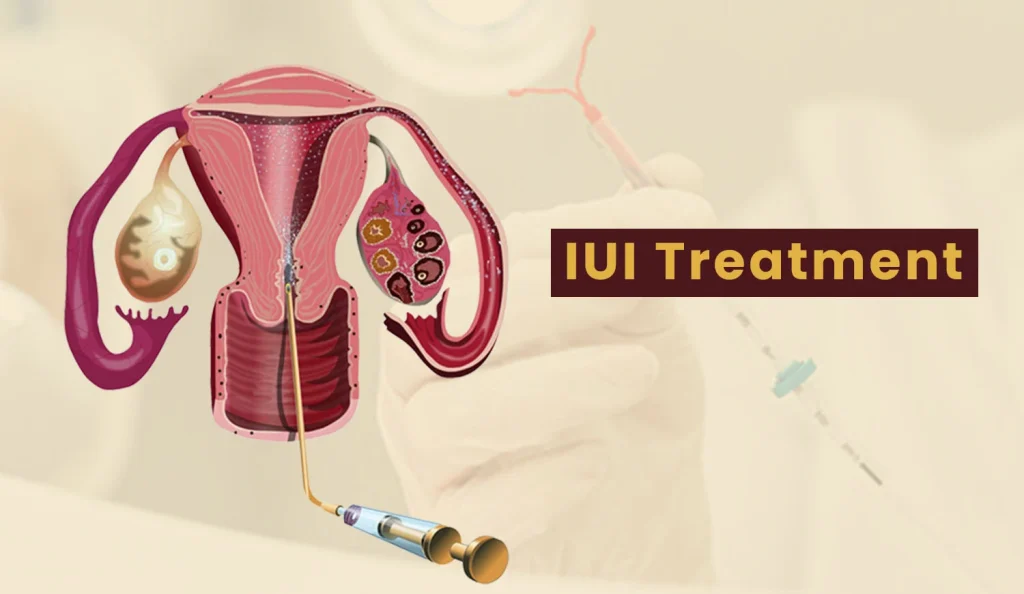
    illustration of the uterus and ovaries with a syringe, labeled "IUI Treatment" in the background

    The Science Behind Conception: Intrauterine Insemination vs In Vitro Fertilization

    IVF has a higher success rate compared to IUI, with an average success rate of 40% per cycle. It is often recommended for couples with more severe infertility issues, such as tubal blockages, endometriosis, or low sperm count. IVF is also a popular choice for couples who have been unsuccessful with other fertility treatments.

    Key Differences between IUI and IVF:

    The main difference between IUI and IVF is the location where fertilization takes place. In IUI, fertilization occurs in the woman’s uterus, while in IVF, it happens in a laboratory. This difference is significant because it affects the chances of fertilization and implantation. In IUI, the sperm has to travel a shorter distance to reach the egg, making it a more natural process. In contrast, IVF bypasses the natural process and fertilizes the egg outside the body, making it a more controlled and precise method.

    Another key difference is the cost and time commitment required for each procedure. IUI is a relatively simple and less expensive procedure, with each cycle costing around $500-$1000. In comparison, IVF is a more involved and costly process, with each cycle costing between $10,000-$15,000. IVF also requires more time commitment, with the woman undergoing hormone injections and multiple appointments for egg retrieval and embryo transfer.

    Success Rates:

    The success rates of both IUI and IVF vary depending on several factors, such as age, overall health, and cause of infertility. Generally, IVF has a higher success rate compared to IUI due to the more controlled and precise nature of the procedure. The chances of success also increase with multiple cycles of IVF, while IUI success rates tend to decline after the third cycle.

    Conclusion:

    Intrauterine insemination and in vitro fertilization are two of the most commonly used assisted reproductive techniques for couples struggling with infertility. While they have the same goal of helping couples conceive, they differ significantly in their approach, success rates, and cost. It is essential to consult with a fertility specialist to determine which method is the best fit for your individual situation.

    In summary, the science behind conception is a complex and fascinating process, and IUI and IVF offer hope for couples facing fertility challenges. These procedures have helped countless couples achieve their dream of becoming parents, and with ongoing advancements in reproductive technology, their success rates will continue to improve.

  • Navigating the World of Fertility Treatments: Intrauterine Insemination vs In Vitro Fertilization

    Navigating the World of Fertility Treatments: Intrauterine Insemination vs In Vitro Fertilization

    For couples struggling with infertility, the journey to parenthood can be a long and emotional one. Fortunately, advancements in fertility treatments have made it possible for many couples to overcome their fertility challenges and successfully conceive. Two commonly used treatments are intrauterine insemination (IUI) and in vitro fertilization (IVF). While both treatments involve artificially assisting with the fertilization process, there are key differences between the two. In this blog post, we will explore the differences between IUI and IVF, and provide information to help you navigate the world of fertility treatments.

    What is Intrauterine Insemination (IUI)?

    Intrauterine insemination, also known as artificial insemination, is a fertility treatment that involves placing sperm directly into a woman’s uterus to increase the chances of fertilization. This procedure is commonly used for couples with mild fertility issues, such as low sperm count or cervical mucus problems. It can also be used for single women or same-sex couples who wish to conceive using donor sperm.

    The IUI process involves several steps. First, the woman’s menstrual cycle is monitored to determine the best time for insemination, usually around the time of ovulation. Then, the male partner or donor provides a semen sample, which is washed and concentrated to increase the number of healthy sperm. The sperm is then inserted into the uterus using a catheter, and the woman may be advised to lie down for a short period to increase the chances of conception.

    What is In Vitro Fertilization (IVF)?

    In vitro fertilization, commonly known as IVF, is a more complex fertility treatment that involves combining eggs and sperm in a laboratory to create embryos, which are then transferred into the woman’s uterus. IVF is typically recommended for couples with more severe fertility issues, such as blocked fallopian tubes, endometriosis, or advanced maternal age.

    Illustration of intrauterine insemination (IUI) procedure with syringe and catheter in the uterus.

    Navigating the World of Fertility Treatments: Intrauterine Insemination vs In Vitro Fertilization

    The IVF process involves several stages. First, the woman’s ovaries are stimulated with hormone injections to produce multiple eggs. These eggs are then retrieved through a minor surgical procedure and combined with sperm in a laboratory to create embryos. The embryos are then monitored for a few days before being transferred into the woman’s uterus. Any remaining embryos may be frozen and used in future cycles.

    Key Differences Between IUI and IVF

    While both IUI and IVF are fertility treatments, they differ in terms of their success rates, cost, and level of invasiveness. IUI is a less invasive and less expensive option compared to IVF, but it also has a lower success rate. According to the American Society for Reproductive Medicine, the success rate for IUI is around 10-20% per cycle, while IVF has a success rate of 40-45% for women under 35. Additionally, IUI can only be used for certain fertility issues, while IVF is more versatile and can be used for a wider range of conditions.

    Another key difference between IUI and IVF is the level of involvement required from the couple. With IUI, the couple only needs to be present for the insemination procedure, while IVF involves a more intensive process of hormone injections, egg retrieval, and embryo transfer. This can be emotionally and physically taxing for both partners, and it is important to carefully consider the level of commitment and support required for each treatment.

    Which Treatment is Right for You?

    Choosing between IUI and IVF can be a difficult decision, and it is important to consult with a fertility specialist to determine the best course of action for your specific situation. Factors such as age, overall health, and the cause of infertility will play a role in determining the most appropriate treatment.

    In general, IUI may be a good option for couples with mild fertility issues and a limited budget, while IVF may be more suitable for couples with more complex fertility issues. However, it is important to keep in mind that every couple’s journey to parenthood is unique, and what works for one couple may not work for another.

    In conclusion, navigating the world of fertility treatments can be overwhelming, but understanding the key differences between IUI and IVF can help you make an informed decision. It is also important to have a strong support system in place, both emotionally and financially, as fertility treatments can be physically and emotionally taxing. Remember to consult with a fertility specialist and discuss all your options before making a decision. With the right treatment and support, many couples have been able to overcome their fertility challenges and achieve their dream of becoming parents.

  • Everything You Need to Know About Intrauterine Insemination and In Vitro Fertilization

    Summary:

    Intrauterine insemination (IUI) and in vitro fertilization (IVF) are two common fertility treatments for couples struggling to conceive. While both procedures involve the use of assisted reproductive technology (ART), they differ in terms of process, success rates, and cost.

    Intrauterine insemination (IUI) is a form of artificial insemination where the sperm is placed directly into the woman’s uterus during ovulation. This increases the chances of the sperm reaching and fertilizing the egg, as it bypasses any potential barriers in the cervix. IUI is often recommended for couples with unexplained infertility, mild male factor infertility, or cervical issues. The procedure is relatively simple, non-invasive, and does not involve any hormonal injections. However, the success rates of IUI are lower compared to other fertility treatments, and it may require multiple cycles for success.

    A person administering an injection into their abdomen with a yellow pen-like device.

    Everything You Need to Know About Intrauterine Insemination and In Vitro Fertilization

    On the other hand, in vitro fertilization (IVF) is a more complex and invasive procedure. It involves the retrieval of eggs from the woman’s ovaries, which are then fertilized with sperm in a laboratory. The resulting embryos are then transferred back into the woman’s uterus, with the goal of achieving a successful pregnancy. IVF is typically recommended for couples with more severe infertility issues, such as blocked fallopian tubes, advanced maternal age, or severe male factor infertility. While IVF has higher success rates compared to IUI, it also comes with a higher price tag and more potential risks and side effects.

    Both IUI and IVF have their own unique benefits and drawbacks, and the choice between the two ultimately depends on the individual circumstances of the couple. It’s important to consult with a fertility specialist to determine the best course of treatment. It’s also essential to understand the process, requirements, and potential risks involved in each procedure before making a decision. With the advancement of technology and medical techniques, more and more couples are able to fulfill their dreams of starting a family through IUI or IVF.

    In conclusion, IUI and IVF are two commonly used fertility treatments that have helped many couples conceive. While IUI is a simpler and less invasive option, IVF has higher success rates and is better suited for more severe infertility cases. It’s important to have a thorough understanding of both procedures and seek guidance from a fertility specialist in order to make an informed decision.

  • Choosing the Right Fertility Treatment: Intrauterine Insemination vs In Vitro Fertilization

    Summary:

    Comparison of IUI and IVF treatments with diagrams of reproductive anatomy.

    Choosing the Right Fertility Treatment: Intrauterine Insemination vs In Vitro Fertilization

    Couples struggling with infertility often turn to fertility treatments in order to conceive a child. Two of the most common treatments are intrauterine insemination (IUI) and in vitro fertilization (IVF). When deciding which treatment is right for you and your partner, it is important to understand the differences between the two and consider factors such as cost, success rates, and potential risks. IUI involves the placement of washed and prepared sperm directly into the uterus, while IVF involves fertilizing eggs with sperm in a laboratory setting and then transferring the resulting embryo into the uterus. Both treatments have their own benefits and drawbacks, and the decision should be made after consulting with a fertility specialist and considering individual needs and preferences. Ultimately, the goal is to find the best treatment option that will help couples achieve their dream of parenthood.

  • Understanding the Differences: Intrauterine Insemination vs In Vitro Fertilization

    Understanding the Differences: Intrauterine Insemination vs In Vitro Fertilization

    For couples struggling with fertility issues, there are several options available to help them achieve their dream of having a child. Two common fertility treatments are intrauterine insemination (IUI) and in vitro fertilization (IVF). While both methods aim to help couples conceive, they have significant differences in terms of procedure, success rates, and costs. In this blog post, we will delve deeper into the differences between IUI and IVF, providing a comprehensive understanding of each treatment to help couples make an informed decision.

    Intrauterine Insemination (IUI):

    IUI, also known as artificial insemination, is a relatively simple and less invasive fertility treatment. It involves inserting washed and concentrated sperm directly into the uterus using a thin catheter. The procedure is typically performed in a doctor’s office and does not require anesthesia. It is often recommended for couples with unexplained infertility, minimal male factor infertility, or women with cervical issues.

    The IUI procedure is timed to coincide with ovulation, which can be determined through ovulation predictor kits or ultrasound monitoring. The washed sperm is injected into the uterus, where it can swim up to the fallopian tubes to fertilize the egg. The success rates of IUI vary depending on factors such as the woman’s age, the quality of the sperm, and the cause of infertility. On average, the success rate of IUI is around 10-20% per cycle.

    One of the significant advantages of IUI is its relatively low cost compared to other fertility treatments. It is also less invasive and has a lower risk of complications. However, it may not be suitable for couples with severe male factor infertility, blocked fallopian tubes, or advanced maternal age.

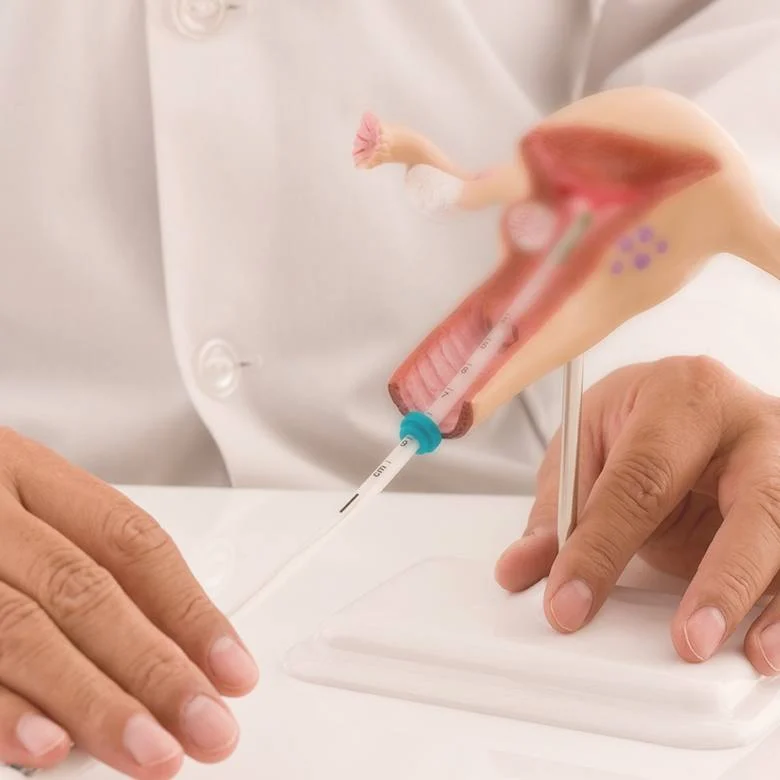
    model of the female reproductive system with a hand demonstrating intrauterine insemination technique

    Understanding the Differences: Intrauterine Insemination vs In Vitro Fertilization

    In Vitro Fertilization (IVF):

    IVF is a more complex and invasive fertility treatment that involves retrieving eggs from the woman’s ovaries, fertilizing them with sperm in a laboratory, and then transferring the resulting embryo(s) into the uterus. The procedure is typically done in a specialized fertility clinic and requires hormonal medication to stimulate the ovaries to produce multiple eggs.

    The IVF process involves several steps, including ovarian stimulation, egg retrieval, fertilization, and embryo transfer. The woman’s eggs are retrieved using a needle guided by ultrasound and then combined with sperm in a petri dish to fertilize. The resulting embryos are then monitored for several days before being transferred back into the uterus. Any remaining viable embryos can be frozen for future use.

    The success rates of IVF are generally higher than IUI, with an average success rate of 40-50% per cycle. It is often recommended for couples with severe male factor infertility, blocked fallopian tubes, endometriosis, or advanced maternal age. However, IVF is a more expensive treatment, with costs varying depending on factors such as the clinic’s location and the number of cycles required.

    Summary:

    In summary, IUI and IVF are two commonly used fertility treatments that aim to help couples conceive. IUI is a less invasive and less expensive option, but its success rates are lower than IVF. It is often recommended for couples with mild fertility issues or when the cause of infertility is unknown. On the other hand, IVF is a more complex and invasive procedure, but it has higher success rates and can be suitable for couples with more severe fertility issues.

    Ultimately, the decision between IUI and IVF will depend on various factors, including the couple’s age, the cause of infertility, and their financial situation. It is essential to consult with a fertility specialist to determine the best treatment option for each individual case.

  • Surrogacy vs Adoption: A Medical Perspective

    Surrogacy and adoption are two options for couples or individuals who are unable to conceive a child on their own. While both processes involve bringing a child into a family, there are significant differences in terms of medical procedures, legal considerations, and emotional impact. In this blog post, we will explore surrogacy and adoption from a medical perspective, examining the various factors to consider when choosing between the two options.

    Surrogacy involves a woman carrying a child for another person or couple, either through traditional surrogacy where the surrogate is genetically related to the child, or gestational surrogacy where the surrogate is not genetically related. On the other hand, adoption is the legal process of permanently adding a child to a family who is not biologically related to them. While both surrogacy and adoption have their own unique challenges and benefits, it is important to understand the medical aspects of each before making a decision.

    The first major difference between surrogacy and adoption is the medical procedures involved. In surrogacy, there are various medical procedures that need to be followed, including in vitro fertilization (IVF) to create the embryo, embryo transfer to the surrogate, and prenatal care for the surrogate throughout the pregnancy. These procedures can be expensive and may not always be successful, leading to additional financial and emotional strain on the intended parents. However, surrogacy allows for a genetic connection between the child and the intended parent(s), which can be important for some individuals or couples.

    In contrast, the medical procedures involved in adoption are relatively minimal. The adoptive parents may need to undergo a series of medical and psychological evaluations, but there are no invasive procedures like in surrogacy. The main medical aspect of adoption is the health of the child, which is usually addressed through medical records and evaluations before the adoption is finalized. However, the lack of a genetic connection may be a downside for some individuals or couples considering adoption.

    Comparison of IUI and IVF treatments with diagrams of reproductive anatomy.

    Surrogacy vs Adoption: A Medical Perspective

    Another important factor to consider is the legal aspects of surrogacy and adoption. Surrogacy can be a complex legal process, as it involves contracts between the surrogate and the intended parents, and may also require legal representation for all parties involved. It is important to consult with a lawyer who specializes in surrogacy to ensure that all legal aspects are properly addressed. In addition, surrogacy laws vary by state and country, so it is important to research and understand the legal framework in your specific location.

    Adoption also involves a legal process, but it is usually handled by an adoption agency or attorney. The process may involve home studies, evaluations, and background checks for the adoptive parents, as well as legal proceedings to terminate the birth parents’ rights and establish the adoptive parents as the legal guardians of the child. While there may be some legal fees involved, adoption is generally less complicated and expensive than surrogacy in terms of legal considerations.

    Aside from the medical and legal aspects, the emotional impact of surrogacy and adoption is also a crucial factor to consider. Both processes can be emotionally challenging, but in different ways. For surrogacy, the relationship between the intended parents and the surrogate can be complex and may require a lot of communication and trust. It can also be emotionally taxing for the surrogate to carry a child for another person or couple and then give the baby up after birth. On the other hand, adoption can be emotionally challenging for both the adoptive parents and the child, as they may have to navigate issues of identity, attachment, and loss. However, adoption also provides the opportunity for a child to have a loving and stable home, which can be incredibly rewarding for the adoptive parents.

    In conclusion, both surrogacy and adoption have their own unique medical considerations that should be carefully evaluated before making a decision. Surrogacy involves more invasive medical procedures and complex legal considerations, but allows for a genetic connection between the child and the intended parents. Adoption, on the other hand, has less medical involvement but may come with emotional challenges and lack of genetic connection. Ultimately, the choice between surrogacy and adoption is a personal one and should be made after careful consideration of all factors.

    In summary, surrogacy and adoption are two options for individuals or couples who are unable to conceive a child on their own. Surrogacy involves more medical procedures and complex legal considerations, but allows for a genetic connection between the child and the intended parents. Adoption, on the other hand, has less medical involvement but may come with emotional challenges and lack of genetic connection. Ultimately, the choice between surrogacy and adoption should be based on personal circumstances and preferences.

  • Breaking Down the Differences: Egg Donation vs Egg Freezing

    Breaking Down the Differences: Egg Donation vs Egg Freezing

    Egg donation and egg freezing are two methods that women can use to preserve their fertility or help others achieve parenthood. While both involve the use of eggs, there are significant differences between the two processes. In this blog post, we will break down the key differences between egg donation and egg freezing, including their purpose, procedure, and potential impact on the donor or recipient.

    Purpose:

    The primary purpose of egg donation is to help individuals or couples who are struggling with infertility. This could be due to various reasons such as advanced maternal age, medical conditions, or same-sex partnerships. In egg donation, a woman donates her eggs to be fertilized by sperm and transferred to the recipient’s uterus, resulting in pregnancy and potential parenthood. On the other hand, egg freezing is a method used to preserve a woman’s fertility for future use. It involves retrieving and freezing a woman’s eggs for later use in in vitro fertilization (IVF) or other fertility treatments. This allows women to delay pregnancy and have a biological child when they are ready, even if they are facing age-related fertility decline or medical treatments that may affect their fertility.

    Procedure:

    The process of egg donation and egg freezing also differs significantly. In egg donation, the donor must undergo a series of medical and psychological screenings to ensure they are physically and emotionally prepared for the process. This includes blood tests, ultrasounds, and genetic screening. Once cleared, the donor will undergo ovarian stimulation with hormones to produce multiple eggs. The eggs are then retrieved through a minor surgical procedure and used for fertilization in a laboratory. The recipient will then undergo embryo transfer, and if successful, pregnancy may occur.

    illustration of the uterus and ovaries with a syringe, labeled "IUI Treatment" in the background

    Breaking Down the Differences: Egg Donation vs Egg Freezing

    Egg freezing, on the other hand, involves a similar initial process of medical and psychological screenings. However, the main difference is that instead of donating eggs to someone else, the woman’s eggs are retrieved and frozen for her own future use. The procedure for retrieving the eggs is the same as egg donation, and they are then cryopreserved until the woman is ready to use them. When she decides to use her frozen eggs, they are thawed and fertilized with sperm in a laboratory, and the resulting embryo is transferred to her uterus.

    Potential Impact:

    Another significant difference between egg donation and egg freezing is the potential impact on the donor or recipient. Egg donation can have a significant emotional, physical, and ethical impact on the donor. The donor may experience side effects from the hormone injections, and the egg retrieval procedure carries some risks, including bleeding, infection, or damage to the ovaries. The donor may also have to deal with the emotional impact of giving away their genetic material and may have ongoing contact with the recipient and their child.

    On the other hand, egg freezing has less of an impact on the woman undergoing the procedure as it is primarily for her own benefit. However, there may still be emotional and financial implications as the process can be costly and may require multiple rounds of egg retrieval for a successful pregnancy. Additionally, there is no guarantee that the frozen eggs will result in a successful pregnancy, and the woman may still face age-related fertility decline even with the use of her frozen eggs.

    In terms of impact on the recipient, egg donation can be a life-changing experience as it allows them to fulfill their dream of becoming a parent. However, there may be ethical concerns about the use of donor eggs and the potential impact on the child’s identity and relationship with their parents. On the other hand, egg freezing allows the woman to have a biological child later in life, giving her more control over her fertility and family planning. However, there may still be ethical concerns about the potential effects on the child’s health and well-being due to the use of frozen eggs.

    In summary, egg donation and egg freezing are two distinct methods that serve different purposes. Egg donation aims to help individuals or couples achieve parenthood, while egg freezing allows women to preserve their fertility for future use. The procedures and potential impact on the donor and recipient also differ significantly. While egg donation can have a significant emotional and ethical impact, egg freezing is primarily for the woman’s own benefit but may still have implications for her future family planning.

    In conclusion, both egg donation and egg freezing have their unique benefits and considerations. It is essential for individuals to carefully consider their options and consult with their healthcare provider before deciding on which method is right for them. Whether it is helping someone else in their journey to parenthood or preserving one’s own fertility, egg donation and egg freezing can make a significant difference in people’s lives.