Blog Post Title: The Science Behind Conception: Intrauterine Insemination vs In Vitro Fertilization
Summary:
Conception is a miraculous process that allows for the creation of new life. For couples struggling with infertility, it can be a difficult and emotional journey. Fortunately, advancements in reproductive technology have made it possible for many couples to achieve their dream of becoming parents. Two of the most commonly used methods for assisted reproduction are intrauterine insemination (IUI) and in vitro fertilization (IVF). While both procedures have the same end goal of helping couples conceive, they differ in their approach and success rates. In this blog post, we will delve into the science behind these two methods and explore their similarities, differences, and success rates.
Intrauterine Insemination (IUI):
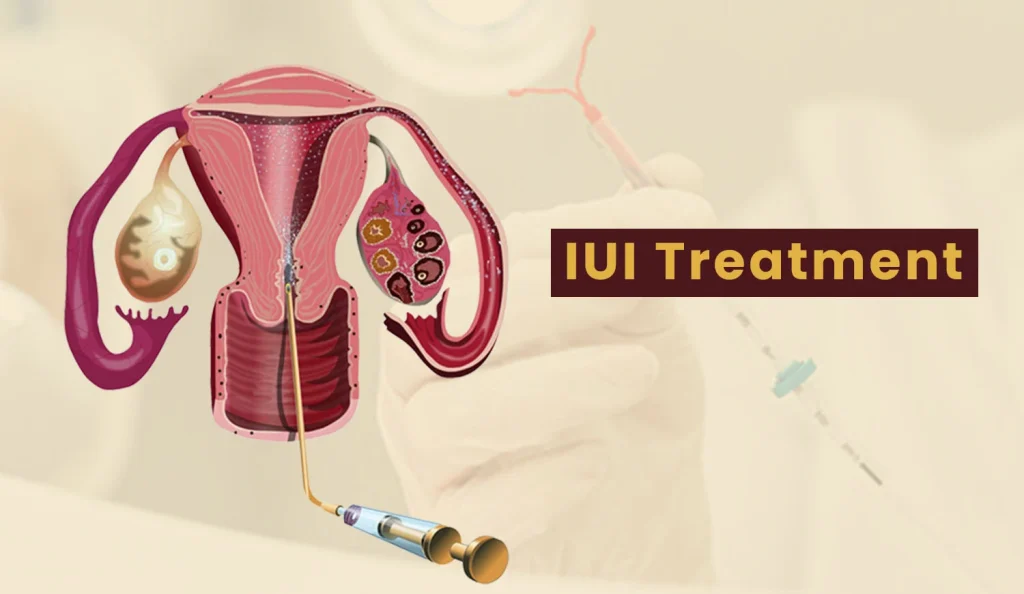
IUI, also known as artificial insemination, is a form of assisted reproduction where sperm is directly inserted into a woman’s uterus to increase the chances of fertilization. The process begins with the collection of a semen sample from the male partner or a donor. The sample is then washed and prepared in a laboratory to concentrate the healthiest and most active sperm. The prepared sperm is then inserted into the woman’s uterus using a thin catheter, which is a painless and quick procedure.
The success of IUI depends on several factors, including the quality of the sperm, the woman’s age, and the timing of the procedure. IUI is often recommended for couples with unexplained infertility, mild male factor infertility, or when the woman is unable to produce enough cervical mucus. It is also a common option for same-sex couples and single women who want to conceive.
In Vitro Fertilization (IVF):
IVF is a more complex and invasive assisted reproductive technique. It involves the retrieval of eggs from a woman’s ovaries, fertilization of the eggs with sperm in a laboratory, and the transfer of the resulting embryo(s) into the woman’s uterus. The process begins with the woman undergoing hormone injections to stimulate the ovaries and produce multiple eggs. Once the eggs are mature, they are retrieved using a minor surgical procedure. The collected eggs are then fertilized with sperm in a laboratory, and the resulting embryos are monitored for growth and development. After a few days, one or more embryos are transferred into the woman’s uterus, and any remaining embryos can be frozen for future use.
The Science Behind Conception: Intrauterine Insemination vs In Vitro Fertilization
IVF has a higher success rate compared to IUI, with an average success rate of 40% per cycle. It is often recommended for couples with more severe infertility issues, such as tubal blockages, endometriosis, or low sperm count. IVF is also a popular choice for couples who have been unsuccessful with other fertility treatments.
Key Differences between IUI and IVF:
The main difference between IUI and IVF is the location where fertilization takes place. In IUI, fertilization occurs in the woman’s uterus, while in IVF, it happens in a laboratory. This difference is significant because it affects the chances of fertilization and implantation. In IUI, the sperm has to travel a shorter distance to reach the egg, making it a more natural process. In contrast, IVF bypasses the natural process and fertilizes the egg outside the body, making it a more controlled and precise method.
Another key difference is the cost and time commitment required for each procedure. IUI is a relatively simple and less expensive procedure, with each cycle costing around $500-$1000. In comparison, IVF is a more involved and costly process, with each cycle costing between $10,000-$15,000. IVF also requires more time commitment, with the woman undergoing hormone injections and multiple appointments for egg retrieval and embryo transfer.
Success Rates:
The success rates of both IUI and IVF vary depending on several factors, such as age, overall health, and cause of infertility. Generally, IVF has a higher success rate compared to IUI due to the more controlled and precise nature of the procedure. The chances of success also increase with multiple cycles of IVF, while IUI success rates tend to decline after the third cycle.
Conclusion:
Intrauterine insemination and in vitro fertilization are two of the most commonly used assisted reproductive techniques for couples struggling with infertility. While they have the same goal of helping couples conceive, they differ significantly in their approach, success rates, and cost. It is essential to consult with a fertility specialist to determine which method is the best fit for your individual situation.
In summary, the science behind conception is a complex and fascinating process, and IUI and IVF offer hope for couples facing fertility challenges. These procedures have helped countless couples achieve their dream of becoming parents, and with ongoing advancements in reproductive technology, their success rates will continue to improve.
Leave a Reply