Breaking Down the Differences: Egg Donation vs Egg Freezing
Egg donation and egg freezing are two methods that women can use to preserve their fertility or help others achieve parenthood. While both involve the use of eggs, there are significant differences between the two processes. In this blog post, we will break down the key differences between egg donation and egg freezing, including their purpose, procedure, and potential impact on the donor or recipient.
Purpose:
The primary purpose of egg donation is to help individuals or couples who are struggling with infertility. This could be due to various reasons such as advanced maternal age, medical conditions, or same-sex partnerships. In egg donation, a woman donates her eggs to be fertilized by sperm and transferred to the recipient’s uterus, resulting in pregnancy and potential parenthood. On the other hand, egg freezing is a method used to preserve a woman’s fertility for future use. It involves retrieving and freezing a woman’s eggs for later use in in vitro fertilization (IVF) or other fertility treatments. This allows women to delay pregnancy and have a biological child when they are ready, even if they are facing age-related fertility decline or medical treatments that may affect their fertility.
Procedure:
The process of egg donation and egg freezing also differs significantly. In egg donation, the donor must undergo a series of medical and psychological screenings to ensure they are physically and emotionally prepared for the process. This includes blood tests, ultrasounds, and genetic screening. Once cleared, the donor will undergo ovarian stimulation with hormones to produce multiple eggs. The eggs are then retrieved through a minor surgical procedure and used for fertilization in a laboratory. The recipient will then undergo embryo transfer, and if successful, pregnancy may occur.
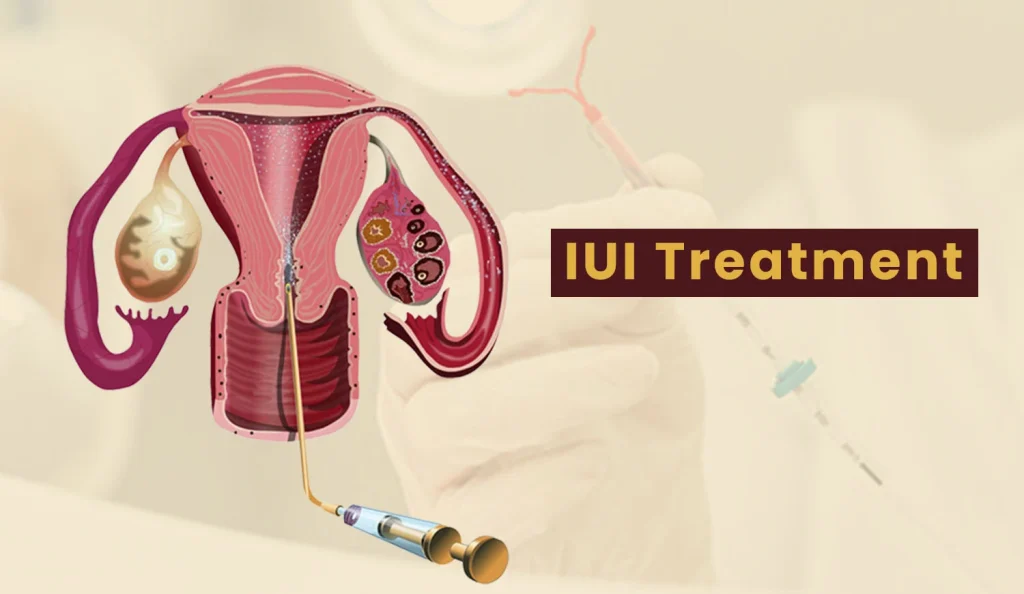
Breaking Down the Differences: Egg Donation vs Egg Freezing
Egg freezing, on the other hand, involves a similar initial process of medical and psychological screenings. However, the main difference is that instead of donating eggs to someone else, the woman’s eggs are retrieved and frozen for her own future use. The procedure for retrieving the eggs is the same as egg donation, and they are then cryopreserved until the woman is ready to use them. When she decides to use her frozen eggs, they are thawed and fertilized with sperm in a laboratory, and the resulting embryo is transferred to her uterus.
Potential Impact:
Another significant difference between egg donation and egg freezing is the potential impact on the donor or recipient. Egg donation can have a significant emotional, physical, and ethical impact on the donor. The donor may experience side effects from the hormone injections, and the egg retrieval procedure carries some risks, including bleeding, infection, or damage to the ovaries. The donor may also have to deal with the emotional impact of giving away their genetic material and may have ongoing contact with the recipient and their child.
On the other hand, egg freezing has less of an impact on the woman undergoing the procedure as it is primarily for her own benefit. However, there may still be emotional and financial implications as the process can be costly and may require multiple rounds of egg retrieval for a successful pregnancy. Additionally, there is no guarantee that the frozen eggs will result in a successful pregnancy, and the woman may still face age-related fertility decline even with the use of her frozen eggs.
In terms of impact on the recipient, egg donation can be a life-changing experience as it allows them to fulfill their dream of becoming a parent. However, there may be ethical concerns about the use of donor eggs and the potential impact on the child’s identity and relationship with their parents. On the other hand, egg freezing allows the woman to have a biological child later in life, giving her more control over her fertility and family planning. However, there may still be ethical concerns about the potential effects on the child’s health and well-being due to the use of frozen eggs.
In summary, egg donation and egg freezing are two distinct methods that serve different purposes. Egg donation aims to help individuals or couples achieve parenthood, while egg freezing allows women to preserve their fertility for future use. The procedures and potential impact on the donor and recipient also differ significantly. While egg donation can have a significant emotional and ethical impact, egg freezing is primarily for the woman’s own benefit but may still have implications for her future family planning.
In conclusion, both egg donation and egg freezing have their unique benefits and considerations. It is essential for individuals to carefully consider their options and consult with their healthcare provider before deciding on which method is right for them. Whether it is helping someone else in their journey to parenthood or preserving one’s own fertility, egg donation and egg freezing can make a significant difference in people’s lives.