Understanding the Differences: Intrauterine Insemination vs In Vitro Fertilization
For couples struggling with fertility issues, there are several options available to help them achieve their dream of having a child. Two common fertility treatments are intrauterine insemination (IUI) and in vitro fertilization (IVF). While both methods aim to help couples conceive, they have significant differences in terms of procedure, success rates, and costs. In this blog post, we will delve deeper into the differences between IUI and IVF, providing a comprehensive understanding of each treatment to help couples make an informed decision.
Intrauterine Insemination (IUI):
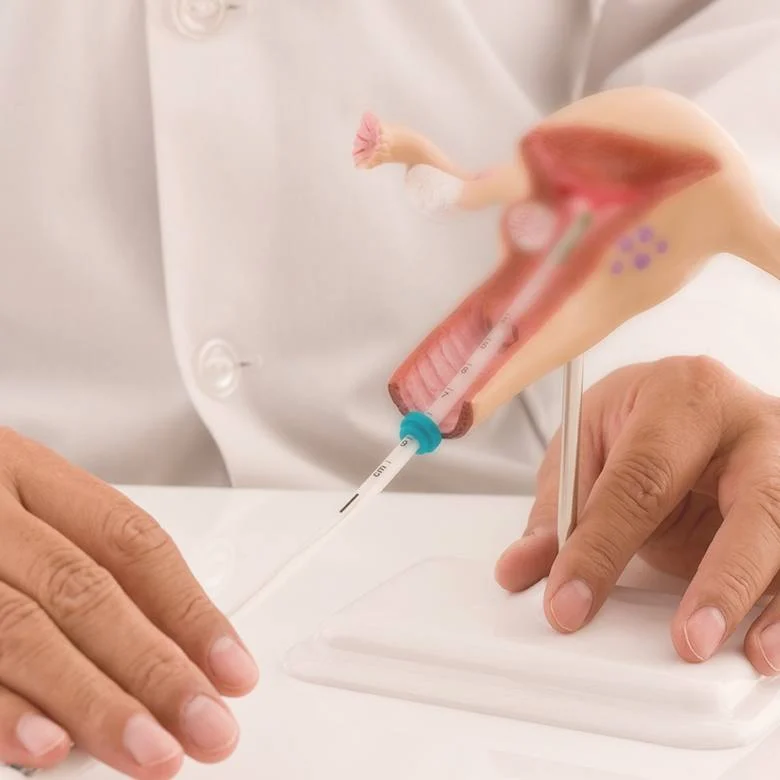
IUI, also known as artificial insemination, is a relatively simple and less invasive fertility treatment. It involves inserting washed and concentrated sperm directly into the uterus using a thin catheter. The procedure is typically performed in a doctor’s office and does not require anesthesia. It is often recommended for couples with unexplained infertility, minimal male factor infertility, or women with cervical issues.
The IUI procedure is timed to coincide with ovulation, which can be determined through ovulation predictor kits or ultrasound monitoring. The washed sperm is injected into the uterus, where it can swim up to the fallopian tubes to fertilize the egg. The success rates of IUI vary depending on factors such as the woman’s age, the quality of the sperm, and the cause of infertility. On average, the success rate of IUI is around 10-20% per cycle.
One of the significant advantages of IUI is its relatively low cost compared to other fertility treatments. It is also less invasive and has a lower risk of complications. However, it may not be suitable for couples with severe male factor infertility, blocked fallopian tubes, or advanced maternal age.
Understanding the Differences: Intrauterine Insemination vs In Vitro Fertilization
In Vitro Fertilization (IVF):
IVF is a more complex and invasive fertility treatment that involves retrieving eggs from the woman’s ovaries, fertilizing them with sperm in a laboratory, and then transferring the resulting embryo(s) into the uterus. The procedure is typically done in a specialized fertility clinic and requires hormonal medication to stimulate the ovaries to produce multiple eggs.
The IVF process involves several steps, including ovarian stimulation, egg retrieval, fertilization, and embryo transfer. The woman’s eggs are retrieved using a needle guided by ultrasound and then combined with sperm in a petri dish to fertilize. The resulting embryos are then monitored for several days before being transferred back into the uterus. Any remaining viable embryos can be frozen for future use.
The success rates of IVF are generally higher than IUI, with an average success rate of 40-50% per cycle. It is often recommended for couples with severe male factor infertility, blocked fallopian tubes, endometriosis, or advanced maternal age. However, IVF is a more expensive treatment, with costs varying depending on factors such as the clinic’s location and the number of cycles required.
Summary:
In summary, IUI and IVF are two commonly used fertility treatments that aim to help couples conceive. IUI is a less invasive and less expensive option, but its success rates are lower than IVF. It is often recommended for couples with mild fertility issues or when the cause of infertility is unknown. On the other hand, IVF is a more complex and invasive procedure, but it has higher success rates and can be suitable for couples with more severe fertility issues.
Ultimately, the decision between IUI and IVF will depend on various factors, including the couple’s age, the cause of infertility, and their financial situation. It is essential to consult with a fertility specialist to determine the best treatment option for each individual case.
Leave a Reply