Navigating the World of Fertility Treatments: Intrauterine Insemination vs In Vitro Fertilization
For couples struggling with infertility, the journey to parenthood can be a long and emotional one. Fortunately, advancements in fertility treatments have made it possible for many couples to overcome their fertility challenges and successfully conceive. Two commonly used treatments are intrauterine insemination (IUI) and in vitro fertilization (IVF). While both treatments involve artificially assisting with the fertilization process, there are key differences between the two. In this blog post, we will explore the differences between IUI and IVF, and provide information to help you navigate the world of fertility treatments.
What is Intrauterine Insemination (IUI)?
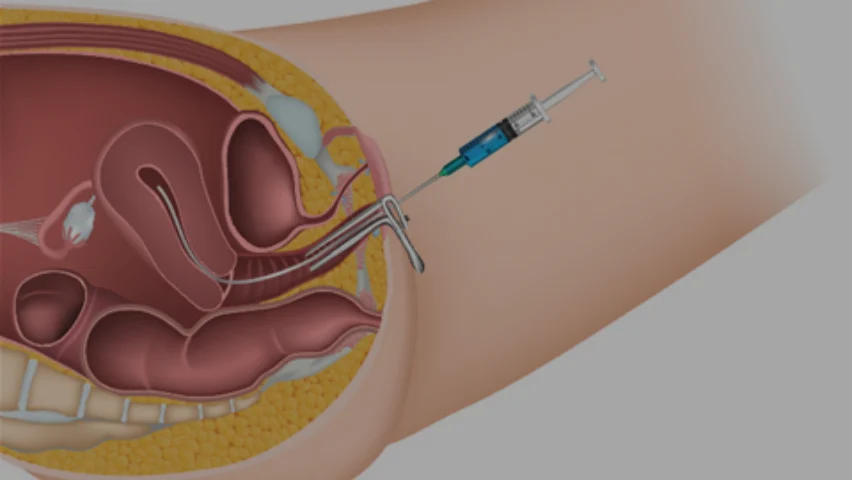
Intrauterine insemination, also known as artificial insemination, is a fertility treatment that involves placing sperm directly into a woman’s uterus to increase the chances of fertilization. This procedure is commonly used for couples with mild fertility issues, such as low sperm count or cervical mucus problems. It can also be used for single women or same-sex couples who wish to conceive using donor sperm.
The IUI process involves several steps. First, the woman’s menstrual cycle is monitored to determine the best time for insemination, usually around the time of ovulation. Then, the male partner or donor provides a semen sample, which is washed and concentrated to increase the number of healthy sperm. The sperm is then inserted into the uterus using a catheter, and the woman may be advised to lie down for a short period to increase the chances of conception.
What is In Vitro Fertilization (IVF)?
In vitro fertilization, commonly known as IVF, is a more complex fertility treatment that involves combining eggs and sperm in a laboratory to create embryos, which are then transferred into the woman’s uterus. IVF is typically recommended for couples with more severe fertility issues, such as blocked fallopian tubes, endometriosis, or advanced maternal age.
Navigating the World of Fertility Treatments: Intrauterine Insemination vs In Vitro Fertilization
The IVF process involves several stages. First, the woman’s ovaries are stimulated with hormone injections to produce multiple eggs. These eggs are then retrieved through a minor surgical procedure and combined with sperm in a laboratory to create embryos. The embryos are then monitored for a few days before being transferred into the woman’s uterus. Any remaining embryos may be frozen and used in future cycles.
Key Differences Between IUI and IVF
While both IUI and IVF are fertility treatments, they differ in terms of their success rates, cost, and level of invasiveness. IUI is a less invasive and less expensive option compared to IVF, but it also has a lower success rate. According to the American Society for Reproductive Medicine, the success rate for IUI is around 10-20% per cycle, while IVF has a success rate of 40-45% for women under 35. Additionally, IUI can only be used for certain fertility issues, while IVF is more versatile and can be used for a wider range of conditions.
Another key difference between IUI and IVF is the level of involvement required from the couple. With IUI, the couple only needs to be present for the insemination procedure, while IVF involves a more intensive process of hormone injections, egg retrieval, and embryo transfer. This can be emotionally and physically taxing for both partners, and it is important to carefully consider the level of commitment and support required for each treatment.
Which Treatment is Right for You?
Choosing between IUI and IVF can be a difficult decision, and it is important to consult with a fertility specialist to determine the best course of action for your specific situation. Factors such as age, overall health, and the cause of infertility will play a role in determining the most appropriate treatment.
In general, IUI may be a good option for couples with mild fertility issues and a limited budget, while IVF may be more suitable for couples with more complex fertility issues. However, it is important to keep in mind that every couple’s journey to parenthood is unique, and what works for one couple may not work for another.
In conclusion, navigating the world of fertility treatments can be overwhelming, but understanding the key differences between IUI and IVF can help you make an informed decision. It is also important to have a strong support system in place, both emotionally and financially, as fertility treatments can be physically and emotionally taxing. Remember to consult with a fertility specialist and discuss all your options before making a decision. With the right treatment and support, many couples have been able to overcome their fertility challenges and achieve their dream of becoming parents.