Surrogacy and adoption are two options for couples or individuals who are unable to conceive a child on their own. While both processes involve bringing a child into a family, there are significant differences in terms of medical procedures, legal considerations, and emotional impact. In this blog post, we will explore surrogacy and adoption from a medical perspective, examining the various factors to consider when choosing between the two options.
Surrogacy involves a woman carrying a child for another person or couple, either through traditional surrogacy where the surrogate is genetically related to the child, or gestational surrogacy where the surrogate is not genetically related. On the other hand, adoption is the legal process of permanently adding a child to a family who is not biologically related to them. While both surrogacy and adoption have their own unique challenges and benefits, it is important to understand the medical aspects of each before making a decision.
The first major difference between surrogacy and adoption is the medical procedures involved. In surrogacy, there are various medical procedures that need to be followed, including in vitro fertilization (IVF) to create the embryo, embryo transfer to the surrogate, and prenatal care for the surrogate throughout the pregnancy. These procedures can be expensive and may not always be successful, leading to additional financial and emotional strain on the intended parents. However, surrogacy allows for a genetic connection between the child and the intended parent(s), which can be important for some individuals or couples.
In contrast, the medical procedures involved in adoption are relatively minimal. The adoptive parents may need to undergo a series of medical and psychological evaluations, but there are no invasive procedures like in surrogacy. The main medical aspect of adoption is the health of the child, which is usually addressed through medical records and evaluations before the adoption is finalized. However, the lack of a genetic connection may be a downside for some individuals or couples considering adoption.
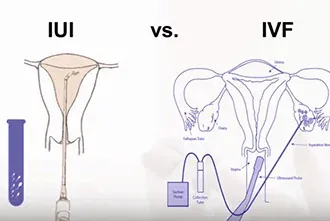
Surrogacy vs Adoption: A Medical Perspective
Another important factor to consider is the legal aspects of surrogacy and adoption. Surrogacy can be a complex legal process, as it involves contracts between the surrogate and the intended parents, and may also require legal representation for all parties involved. It is important to consult with a lawyer who specializes in surrogacy to ensure that all legal aspects are properly addressed. In addition, surrogacy laws vary by state and country, so it is important to research and understand the legal framework in your specific location.
Adoption also involves a legal process, but it is usually handled by an adoption agency or attorney. The process may involve home studies, evaluations, and background checks for the adoptive parents, as well as legal proceedings to terminate the birth parents’ rights and establish the adoptive parents as the legal guardians of the child. While there may be some legal fees involved, adoption is generally less complicated and expensive than surrogacy in terms of legal considerations.
Aside from the medical and legal aspects, the emotional impact of surrogacy and adoption is also a crucial factor to consider. Both processes can be emotionally challenging, but in different ways. For surrogacy, the relationship between the intended parents and the surrogate can be complex and may require a lot of communication and trust. It can also be emotionally taxing for the surrogate to carry a child for another person or couple and then give the baby up after birth. On the other hand, adoption can be emotionally challenging for both the adoptive parents and the child, as they may have to navigate issues of identity, attachment, and loss. However, adoption also provides the opportunity for a child to have a loving and stable home, which can be incredibly rewarding for the adoptive parents.
In conclusion, both surrogacy and adoption have their own unique medical considerations that should be carefully evaluated before making a decision. Surrogacy involves more invasive medical procedures and complex legal considerations, but allows for a genetic connection between the child and the intended parents. Adoption, on the other hand, has less medical involvement but may come with emotional challenges and lack of genetic connection. Ultimately, the choice between surrogacy and adoption is a personal one and should be made after careful consideration of all factors.
In summary, surrogacy and adoption are two options for individuals or couples who are unable to conceive a child on their own. Surrogacy involves more medical procedures and complex legal considerations, but allows for a genetic connection between the child and the intended parents. Adoption, on the other hand, has less medical involvement but may come with emotional challenges and lack of genetic connection. Ultimately, the choice between surrogacy and adoption should be based on personal circumstances and preferences.
Leave a Reply