Tag: fertility preservation

  • Fertility Preservation for Women in the Military: Overcoming Challenges

    Blog Post: Fertility Preservation for Women in the Military: Overcoming Challenges

    Being a woman in the military comes with its own set of unique challenges. From physical demands to separation from family, women in the military have to navigate through various obstacles while serving their country. However, one challenge that often goes unnoticed is the issue of fertility preservation. As more and more women join the military, the need for fertility preservation options has become increasingly important. In this blog post, we will discuss the challenges faced by women in the military when it comes to fertility preservation and how they can overcome them.

    The Importance of Fertility Preservation for Women in the Military

    The military lifestyle can be quite demanding, with deployments, long hours, and frequent moves. This can make it difficult for women in the military to start a family. Moreover, the physical demands of the job, such as exposure to toxins and strenuous physical training, can also impact a woman’s fertility. According to a study conducted by the Department of Defense, female service members are more likely to experience fertility issues compared to their civilian counterparts. This makes fertility preservation crucial for women in the military who want to have children in the future.

    Challenges Faced by Women in the Military for Fertility Preservation

    1. Lack of Awareness and Education

    One of the biggest challenges faced by women in the military is the lack of awareness and education about fertility preservation options. Many women are not aware that their military service could impact their fertility and that there are options available to preserve it. This lack of knowledge can lead to missed opportunities and regret in the future.

    2. Limited Access to Fertility Specialists

    Another challenge faced by women in the military is limited access to fertility specialists. Due to the nature of their job, many women in the military are stationed in remote areas or deployed overseas, making it difficult for them to access fertility specialists. This can delay the process of fertility preservation and may even result in missed opportunities.

    3. Financial Constraints

    Fertility preservation procedures can be expensive, and many women in the military may not have the financial means to afford them. While some military insurance plans cover fertility preservation for medical reasons, it may still not cover elective procedures. This can be a major barrier for women in the military who want to preserve their fertility but cannot afford the costs.

    4. Stigma and Lack of Support

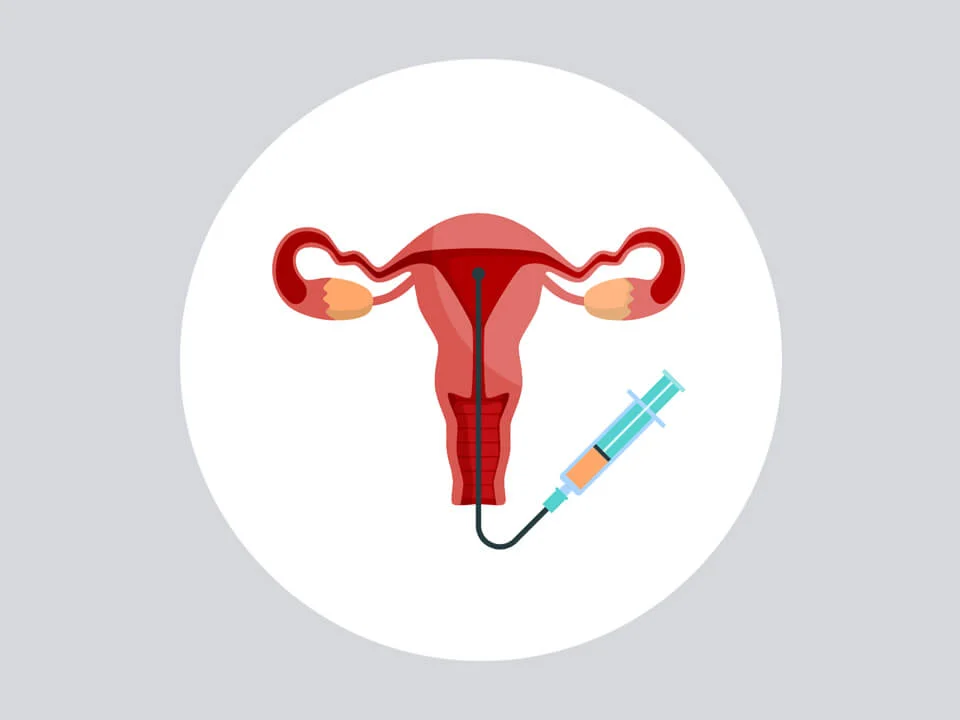
    illustration of a uterus with a syringe, representing intrauterine insemination procedure

    Fertility Preservation for Women in the Military: Overcoming Challenges

    Unfortunately, there is still a stigma surrounding women in the military who want to start a family. This can make it difficult for women to openly discuss their desire for fertility preservation with their superiors or colleagues. Moreover, the lack of support from the military community can also make it challenging for women to navigate through the process of fertility preservation.

    Overcoming Challenges for Fertility Preservation

    1. Education and Awareness

    The first step towards overcoming the challenges faced by women in the military for fertility preservation is education and awareness. Military organizations and healthcare providers need to provide women with information about their options for fertility preservation and the potential impact of military service on their fertility. This will help women make informed decisions and take proactive steps towards preserving their fertility.

    2. Providing Access to Fertility Specialists

    Efforts should be made to provide women in the military with access to fertility specialists, regardless of their location. This can be achieved through telemedicine or by partnering with civilian fertility clinics near military bases. By providing easy access to fertility specialists, women in the military can receive the necessary care and support for preserving their fertility.

    3. Financial Support

    To overcome the financial constraints faced by women in the military, there needs to be more support and coverage for fertility preservation procedures. Military insurance plans should cover elective fertility preservation procedures, and there should be financial assistance programs available for those who cannot afford the costs. This will remove the financial burden for women in the military and make fertility preservation more accessible to them.

    4. Creating a Supportive Environment

    To overcome the stigma and lack of support, it is important to create a supportive environment for women in the military who want to preserve their fertility. This can be achieved by promoting a culture of open communication and understanding within the military community. Superiors and colleagues should be educated about fertility preservation and be supportive of women who choose to undergo the procedure.

    In conclusion, fertility preservation is a crucial issue that needs to be addressed for women in the military. By understanding the challenges and taking proactive steps towards overcoming them, women in the military can have the option to start a family in the future while serving their country.

    Summary:

    Women in the military face unique challenges when it comes to fertility preservation. The demanding nature of their job, limited access to specialists, financial constraints, and stigma are some of the obstacles they have to overcome. To address these challenges, education and awareness, providing access to fertility specialists, financial support, and creating a supportive environment are crucial. By taking proactive steps, women in the military can have the option to preserve their fertility and start a family in the future.

  • Fertility Preservation vs Immediate Pregnancy: A Personal Journey

    In today’s society, there are many options available for individuals and couples looking to start a family. Some may choose to wait until they are financially stable or have achieved certain career goals, while others may face challenges with infertility. As a woman in her late 20s, I was faced with the decision of whether to pursue fertility preservation or try for immediate pregnancy. This personal journey has led me to explore the pros and cons of each option, and ultimately make a decision that was best for me.

    Fertility preservation, also known as egg freezing, is a process where a woman’s eggs are collected and frozen for future use. This method allows women to delay pregnancy and preserve their fertility for later in life. It is often seen as a viable option for women who are not ready to start a family but want to ensure they have the opportunity to do so in the future. It is also commonly used by women who are facing medical treatments that may affect their fertility, such as chemotherapy.

    On the other hand, immediate pregnancy is the traditional route of trying to conceive without any medical interventions. This may include tracking ovulation, using fertility medications, or undergoing fertility treatments such as in vitro fertilization (IVF). For some, this may be the preferred option as they do not want to delay starting a family or face the risks and costs associated with fertility preservation.

    For me, the decision between fertility preservation and immediate pregnancy was not an easy one. I had always envisioned myself as a mother, but I also wanted to have a stable career and financial stability before starting a family. However, at the age of 28, I was diagnosed with endometriosis, a condition that can cause infertility. This diagnosis made me realize that my time to start a family may be limited, and I needed to consider all my options.

    After much research and discussions with my partner, I decided to pursue fertility preservation. While it was a costly and time-consuming process, I felt at ease knowing that I had taken steps to preserve my fertility for the future. The procedure itself was not without its challenges, both physically and emotionally. The hormone injections and egg retrieval process were uncomfortable, and the uncertainty of whether the eggs would be viable added to the stress. However, I was able to freeze 15 healthy eggs, giving me a sense of relief and hope for the future.

    One of the main reasons I chose fertility preservation over immediate pregnancy was the option to have children later in life. By freezing my eggs, I had the flexibility to choose when I wanted to start a family, without the added pressure of age-related fertility decline. This was especially important to me as I wanted to be able to focus on my career and personal goals before becoming a mother.

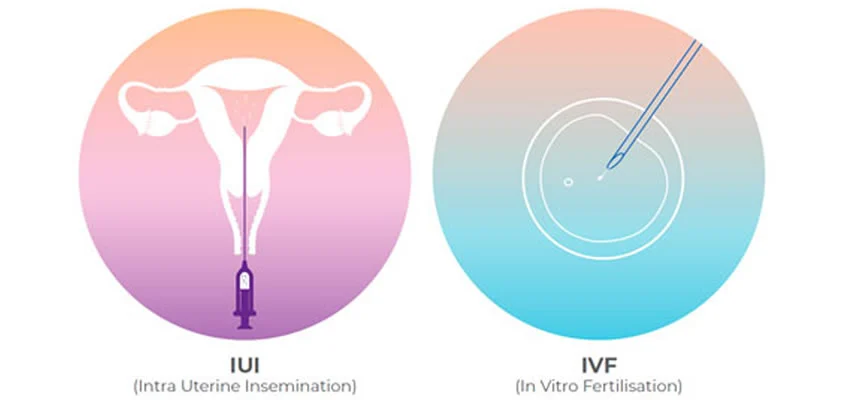
    comparison of IUI and IVF procedures illustrated with simple graphics and labels

    Fertility Preservation vs Immediate Pregnancy: A Personal Journey

    Another factor that influenced my decision was the potential risks and complications associated with immediate pregnancy. As someone with endometriosis, I knew that trying to conceive naturally could be challenging and may require medical interventions such as IVF. These treatments can be physically and emotionally draining, and the success rates are not guaranteed. By preserving my eggs, I was reducing the potential risks and complications associated with immediate pregnancy.

    However, fertility preservation is not without its downsides. The cost of the procedure can be a significant barrier for many individuals and couples. It can also be a lengthy process, with multiple doctor appointments and hormone injections requiring time off work. Furthermore, there is no guarantee that the frozen eggs will result in a successful pregnancy in the future.

    On the other hand, immediate pregnancy may seem like a more straightforward and natural option for starting a family. It also eliminates the need for costly and time-consuming procedures. However, it is essential to consider the potential risks and challenges that may come with trying to conceive naturally, especially for those facing infertility.

    In the end, the decision between fertility preservation and immediate pregnancy is a personal one and depends on individual circumstances. For me, fertility preservation was the best option, as it gave me a sense of control and security over my future fertility. While it may not be the right choice for everyone, it is essential to be aware of all the available options and make an informed decision based on personal values and goals.

    In conclusion, the decision between fertility preservation and immediate pregnancy is a complex one with no one-size-fits-all solution. It involves weighing personal desires, medical factors, and financial considerations. My personal journey has taught me the importance of being informed and proactive when it comes to family planning. Whether it is through fertility preservation or immediate pregnancy, the most important thing is to make a decision that feels right for you and your family.

    SEO metadata:

  • Fertility Preservation for Women with Genetic Conditions: Ensuring Future Options

    Blog Post:

    Fertility preservation is a crucial topic for women who have a genetic condition. These women face unique challenges when it comes to planning for their future fertility, as their condition can potentially affect their ability to conceive and carry a pregnancy to term. However, with advances in medical technology and fertility preservation options, women with genetic conditions now have more choices and opportunities to ensure their future fertility.

    In this blog post, we will explore the importance of fertility preservation for women with genetic conditions and the various options available to them. We will also discuss the benefits and limitations of these options, as well as important considerations for women to keep in mind when making decisions about their fertility.

    The Importance of Fertility Preservation for Women with Genetic Conditions:

    For women with genetic conditions, the desire to have children may be hindered by the potential impact of their condition on their fertility. Some genetic conditions, such as Turner syndrome, Fragile X syndrome, and polycystic ovary syndrome, can affect a woman’s ovarian function and decrease her chances of conceiving naturally. Additionally, these conditions can also increase the risk of pregnancy complications, making it even more challenging to achieve a successful pregnancy.

    Furthermore, some genetic conditions are hereditary, meaning that there is a chance of passing them on to future children. This can be a significant concern for women who wish to have children but do not want to risk passing on their condition. Fertility preservation can provide these women with the option to have biological children without the fear of passing on their genetic condition.

    Types of Fertility Preservation Options for Women with Genetic Conditions:

    1. Egg Freezing:

    Egg freezing, also known as oocyte cryopreservation, is a popular method of fertility preservation for women with genetic conditions. This process involves stimulating the ovaries to produce multiple eggs, which are then retrieved and frozen for future use. Egg freezing is a viable option for women who have not yet started trying to conceive or are unable to conceive naturally due to their genetic condition.

    One of the significant benefits of egg freezing is that it does not require a partner, giving women with genetic conditions the flexibility to preserve their fertility on their own terms. It also allows women to postpone pregnancy until they are ready, without worrying about the decline in ovarian function due to their condition.

    However, egg freezing does have its limitations. The success rate of pregnancy using frozen eggs is not as high as using fresh eggs, and it requires multiple rounds of egg retrieval, which can be physically and emotionally taxing. Additionally, the cost of egg freezing can be a barrier for some women, as it is not always covered by insurance.

    2. Embryo Freezing:

    For women in a committed relationship, embryo freezing is another option for fertility preservation. This process involves fertilizing retrieved eggs with sperm and freezing the resulting embryos for future use. Embryo freezing offers a higher success rate compared to egg freezing, making it a more attractive option for women with genetic conditions.

    However, embryo freezing requires a partner or donor sperm, which may not be an option for some women. It also involves the use of fertility medications, which can be challenging for women with certain genetic conditions that affect hormone levels.

    Illustration of intrauterine insemination (IUI) procedure with syringe and catheter in the uterus.

    Fertility Preservation for Women with Genetic Conditions: Ensuring Future Options

    3. Ovarian Tissue Freezing:

    Ovarian tissue freezing is a relatively new method of fertility preservation that involves removing and freezing a piece of ovarian tissue containing eggs. This tissue can then be transplanted back into the woman’s body in the future, allowing her to naturally conceive and carry a pregnancy to term. This option is particularly beneficial for women who cannot undergo egg or embryo freezing due to their condition or treatment.

    However, ovarian tissue freezing is a complex and experimental procedure, and its success rates are still being studied. It also requires surgery, which may not be a viable option for some women.

    Important Considerations for Women with Genetic Conditions:

    When considering fertility preservation options, women with genetic conditions must discuss their options with a fertility specialist and their healthcare team. They should also consider the following factors:

    1. Timing:

    The timing of fertility preservation is crucial for women with genetic conditions. It is best to undergo preservation before the onset of any treatments or surgeries that may impact fertility.

    2. Genetic Counseling:

    It is essential for women with genetic conditions to seek genetic counseling before making any decisions about fertility preservation. This can help them understand their condition and the potential risks of passing it on to future children.

    3. Cost and Insurance Coverage:

    As mentioned earlier, the cost of fertility preservation can be a significant barrier for some women. It is crucial to research and understand the costs involved and whether insurance covers any of the expenses.

    4. Emotional Considerations:

    Fertility preservation can be an emotionally taxing process, and it is essential for women with genetic conditions to have a strong support system in place. They may also benefit from counseling to help them navigate the emotional challenges of fertility preservation.

    In summary, fertility preservation is a crucial consideration for women with genetic conditions who wish to have children in the future. It offers them the opportunity to have biological children without the fear of passing on their condition and can provide peace of mind for their future fertility. However, it is essential for women to discuss their options with a fertility specialist and consider important factors like timing, genetic counseling, cost, and emotional considerations before making any decisions.

    In conclusion, fertility preservation is a valuable option for women with genetic conditions, providing them with the opportunity to have children in the future. With advancements in medical technology, women now have more choices and options to ensure their future fertility. By understanding their condition, seeking the advice of healthcare professionals, and considering important factors, women with genetic conditions can make informed decisions about their fertility and have hope for a future with children.

  • Fertility Preservation and Egg Freezing: What You Need to Know

    Title: Fertility Preservation and Egg Freezing: What You Need to Know

    In recent years, there has been a significant increase in the number of women choosing to delay having children. Whether it’s due to career advancements, financial stability, or simply not finding the right partner, more and more women are waiting until their 30s or even 40s to start a family. However, as women age, their fertility declines, making it more difficult to conceive naturally. This is where fertility preservation and egg freezing come into play.

    Fertility preservation is the process of preserving a woman’s eggs, sperm, or embryos for future use. It allows women to freeze their eggs at a younger age when they are most fertile, giving them the option to use them later in life when they are ready to start a family. Egg freezing, also known as oocyte cryopreservation, is a specific type of fertility preservation where a woman’s eggs are retrieved, frozen, and stored for later use.

    Why Consider Fertility Preservation and Egg Freezing?

    There are various reasons why women may consider fertility preservation and egg freezing. As mentioned earlier, one of the main reasons is to delay childbearing. With the advancement of technology and medical procedures, women now have the option to preserve their fertility and have children later in life. This can be particularly beneficial for women who are focusing on their careers or have not yet found the right partner.

    Another reason to consider fertility preservation and egg freezing is for medical purposes. Women who are undergoing treatments such as chemotherapy or radiation for cancer may choose to freeze their eggs beforehand to preserve their fertility. These treatments can damage the reproductive organs and affect a woman’s ability to conceive naturally.

    The Process of Egg Freezing

    The process of egg freezing involves several steps and can take several weeks to complete. First, a woman will undergo hormonal stimulation to produce multiple eggs. This involves daily injections of fertility drugs for about 10-12 days. During this time, the woman’s hormone levels will be closely monitored through blood tests and ultrasounds.

    Once the eggs have reached maturity, they are retrieved through a minor surgical procedure called egg retrieval. This is done under sedation, and a needle is inserted into the ovaries to collect the eggs. The retrieved eggs are then frozen through a process called vitrification, which involves rapidly freezing the eggs to prevent ice crystals from forming and damaging them.

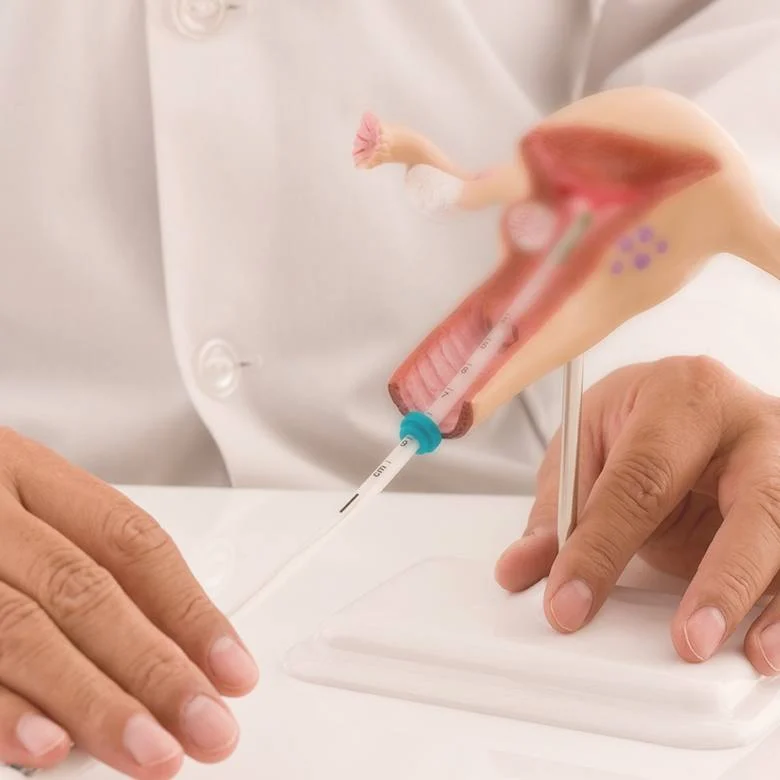
    model of the female reproductive system with a hand demonstrating intrauterine insemination technique

    Fertility Preservation and Egg Freezing: What You Need to Know

    Storing and Using Frozen Eggs

    The frozen eggs are then stored in a specialized facility, also known as a cryopreservation bank, until the woman is ready to use them. The eggs can be stored for many years, and there is no limit to how long they can be kept frozen. When a woman is ready to use her frozen eggs, they are thawed and fertilized with sperm in a laboratory. The resulting embryos are then transferred to the woman’s uterus, where they will hopefully implant and result in a pregnancy.

    Risks and Success Rates

    Like any medical procedure, there are risks associated with fertility preservation and egg freezing. The hormonal stimulation used to produce multiple eggs can cause side effects such as bloating, mood swings, and ovarian hyperstimulation syndrome (OHSS). However, these side effects are usually temporary and can be managed with medication.

    The success rates of egg freezing vary depending on several factors such as the woman’s age and the number and quality of the frozen eggs. Generally, the younger a woman is when she freezes her eggs, the higher the success rate. According to the American Society for Reproductive Medicine, the pregnancy rate from egg freezing ranges from 30-60% for women under 35 years old and decreases with age.

    Cost of Fertility Preservation and Egg Freezing

    The cost of fertility preservation and egg freezing can vary depending on a variety of factors such as location, clinic, and individual circumstances. The average cost of egg freezing in the United States is around $10,000-$12,000, but this does not include the cost of medications, storage, and future procedures to use the frozen eggs.

    It’s important to note that some insurance companies may cover the cost of fertility preservation for medical reasons, such as cancer treatment. However, coverage for elective fertility preservation, such as delaying childbearing, is not as common. It’s essential to check with your insurance provider to understand what is covered and what is not.

    In conclusion, fertility preservation and egg freezing can be a viable option for women who want to delay childbearing or preserve their fertility for medical reasons. It’s essential to understand the process, risks, and success rates before making a decision. It’s also crucial to consider the cost and whether it is a feasible option for your individual circumstances. Consult with a fertility specialist to discuss your options and to determine if fertility preservation and egg freezing are right for you.

  • The Role of Mental Health in Fertility Preservation: Coping with the Decision

    Blog Post:

    The decision to undergo fertility preservation can be a complex and emotionally charged one. For individuals or couples facing a potential loss of fertility due to medical treatments or other factors, the option of preserving their fertility can provide a sense of hope for the future. However, this decision can also bring about a range of emotions and challenges, making it crucial to address the role of mental health in the process.

    Infertility and the decision to preserve fertility can have a significant impact on an individual’s mental health. The stress and anxiety of facing potential infertility can take a toll on one’s well-being and can be further exacerbated by the process of fertility preservation. It’s essential to address these mental health concerns and provide support for individuals as they navigate this decision.

    One of the primary challenges individuals may face when considering fertility preservation is the emotional toll of infertility. The inability to conceive naturally can bring about feelings of grief, loss, and even shame. These emotions can be further intensified by the fear of losing the opportunity to have biological children in the future. It’s essential to acknowledge and validate these feelings and to seek emotional support from loved ones, therapists, or support groups.

    Additionally, the decision to undergo fertility preservation requires careful consideration and can be overwhelming for some individuals. The process involves various medical procedures, financial considerations, and the uncertainty of success. It’s crucial to have a support system in place to help navigate these decisions and provide emotional support during this time. This can include seeking guidance from a fertility specialist, consulting with financial advisors, or speaking with others who have gone through a similar experience.

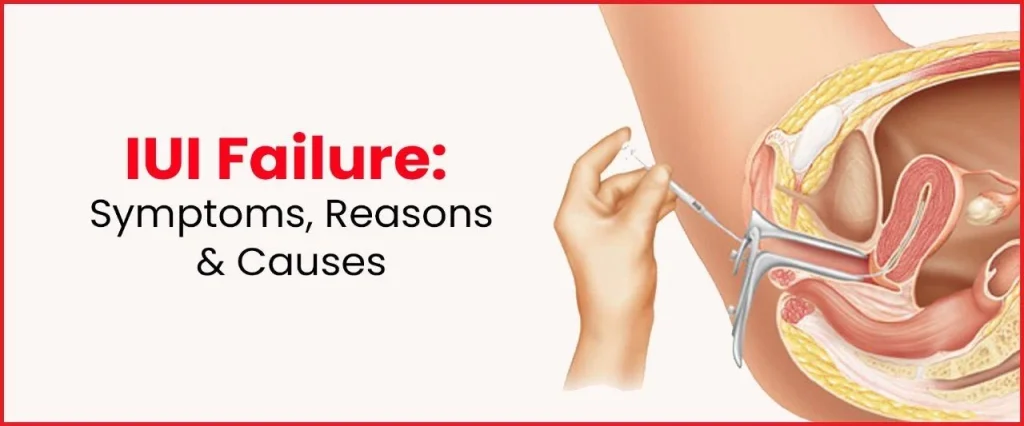
    illustration of IUI procedure with text on symptoms, reasons, and causes of IUI failure

    The Role of Mental Health in Fertility Preservation: Coping with the Decision

    Coping mechanisms are also vital when dealing with the decision to undergo fertility preservation. These can include mindfulness practices, such as meditation and deep breathing, to help manage stress and anxiety. Engaging in physical activities, such as yoga or exercise, can also help individuals manage their emotions and promote overall well-being. Additionally, finding healthy outlets for emotions, such as journaling or talking to a therapist, can be beneficial in coping with the complexities of this decision.

    It’s also essential to address the impact of fertility preservation on one’s relationship and communication with their partner. The decision to preserve fertility can bring about differences in opinions and feelings, which can strain the relationship. It’s crucial to have open and honest communication with one’s partner and to seek support from a therapist or couples counselor if needed. This can help strengthen the relationship and ensure that both individuals are on the same page when making this decision.

    Self-care is another crucial aspect of coping with the decision to undergo fertility preservation. Taking care of one’s physical, emotional, and mental well-being is essential during this time. This can include getting enough rest, eating a balanced diet, and engaging in activities that bring joy and relaxation. It’s also crucial to set boundaries and prioritize one’s needs, as this decision can be physically and emotionally draining.

    In addition to addressing one’s mental health, it’s also essential to have realistic expectations and understanding of the fertility preservation process. While it can provide hope for the future, it’s not a guarantee of success. It’s crucial to understand the risks and success rates of different fertility preservation methods and to have a backup plan in case the preservation is not successful.

    In conclusion, the decision to undergo fertility preservation is a challenging and emotional one that can have a significant impact on an individual’s mental health. It’s essential to address and prioritize one’s mental well-being through the process by seeking emotional support, using coping mechanisms, and practicing self-care. It’s also crucial to have open and honest communication with one’s partner and to have realistic expectations of the process. With proper support and self-care, individuals can navigate this decision with greater resilience and hope for the future.

    SEO Metadata:

  • Fertility Preservation for Transgender Individuals: Breaking Barriers

    Blog Post:

    As society becomes more understanding and accepting of the transgender community, there has been a growing need for fertility preservation options for transgender individuals. Fertility preservation, also known as cryopreservation, is the process of freezing and storing reproductive cells or tissue for future use. For transgender individuals who wish to transition, this can be a crucial step in maintaining their ability to have biological children in the future. However, there are still many barriers that exist when it comes to fertility preservation for transgender individuals. In this blog post, we will discuss the importance of fertility preservation for transgender individuals and the barriers that need to be broken in order to provide equal access to this essential service.

    The Importance of Fertility Preservation for Transgender Individuals:

    For many transgender individuals, the process of transitioning involves taking hormone therapy, which can have a significant impact on their fertility. Hormone therapy can cause a decrease in sperm production or the cessation of ovulation, making it difficult or even impossible to conceive naturally in the future. This can be a major source of distress for transgender individuals who wish to have biological children.

    Furthermore, for transgender individuals who undergo gender-affirming surgeries, such as a hysterectomy or orchiectomy, their reproductive organs are permanently removed, eliminating any chance of conceiving naturally. For these reasons, fertility preservation is crucial for transgender individuals who wish to have biological children in the future.

    Breaking Barriers:

    Diagram illustrating intrauterine insemination (IUI) procedure with sperm injection into the uterus.

    Fertility Preservation for Transgender Individuals: Breaking Barriers

    Despite the importance of fertility preservation for transgender individuals, there are still many barriers that exist, preventing them from accessing this service. One of the main barriers is the lack of awareness and understanding among healthcare providers. Many doctors and fertility specialists are not knowledgeable about the specific needs of transgender individuals when it comes to fertility preservation. This can lead to misgendering, discrimination, and denial of services, making it difficult for transgender individuals to access the care they need.

    Moreover, there is a lack of standardized protocols and guidelines for fertility preservation for transgender individuals. Each case is unique, and there is no one-size-fits-all approach when it comes to fertility preservation for this community. This lack of standardization can lead to confusion and delays in accessing the necessary services.

    Another significant barrier is the cost associated with fertility preservation. The process can be expensive, and many insurance companies do not cover it, making it unaffordable for many transgender individuals. This financial burden can be especially challenging for those who may already be facing discrimination and limited job opportunities due to their gender identity.

    Breaking the barriers that exist in fertility preservation for transgender individuals requires a multidisciplinary approach. Healthcare providers must be educated and trained in the specific needs of this community. There also needs to be the development of standardized protocols and guidelines to ensure equal access to fertility preservation services. Additionally, insurance companies need to recognize the importance of fertility preservation for transgender individuals and provide coverage for this essential service.

    Conclusion:

    Fertility preservation is a vital aspect of healthcare for transgender individuals. It allows them to maintain the possibility of having biological children in the future, which can be a significant source of comfort and hope. However, there are still many barriers that exist, making it challenging for transgender individuals to access this service. It is crucial for healthcare providers, policymakers, and insurance companies to work together to break these barriers and ensure equal access to fertility preservation for transgender individuals.

    In conclusion, fertility preservation for transgender individuals is an essential service that needs to be accessible and affordable for all. By breaking the barriers that exist, we can provide hope and support for the transgender community and their desire to have biological children in the future.

  • Fertility Preservation for Women with Autoimmune Disorders: A New Frontier

    Fertility Preservation for Women with Autoimmune Disorders: A New Frontier

    Fertility is a natural and important aspect of many women’s lives. However, for women with autoimmune disorders, the ability to conceive and carry a pregnancy to term can be challenging. Autoimmune disorders, which occur when the body’s immune system mistakenly attacks its own cells, can affect various organs and systems within the body, including the reproductive system. As a result, women with autoimmune disorders may experience fertility issues, making it difficult to start a family. Fortunately, advancements in medical technology have opened up a new frontier in fertility preservation for these women.

    Autoimmune disorders and their impact on fertility:

    Autoimmune disorders are a group of more than 80 chronic and often debilitating conditions that affect approximately 5% of the population, with women being more commonly affected than men. These disorders can affect various organs and systems in the body, including the reproductive system. For women, this can lead to issues with ovulation, egg quality, and implantation, making it difficult to conceive and carry a pregnancy to term. In severe cases, autoimmune disorders can even cause damage to the uterus, making it impossible for a woman to carry a pregnancy at all.

    One of the most common autoimmune disorders affecting women’s fertility is systemic lupus erythematosus (SLE). SLE is a chronic autoimmune disorder that can affect multiple organs, including the reproductive system. Women with SLE often have difficulties with ovulation and may experience recurrent miscarriages. Other autoimmune disorders that can impact fertility include rheumatoid arthritis, multiple sclerosis, and Hashimoto’s thyroiditis.

    The impact of fertility issues on women with autoimmune disorders can be emotionally and mentally challenging. Many women with these conditions may feel like their bodies are failing them, and the inability to conceive can cause feelings of grief, frustration, and even guilt. This is why fertility preservation has become a crucial topic for women with autoimmune disorders.

    Fertility preservation options:

    Fertility preservation involves the freezing and storing of reproductive cells, such as eggs or embryos, for future use. This technology has been available for many years, but recent advancements have made it more effective and accessible for women with autoimmune disorders.

    For women who have not yet started treatment for their autoimmune disorder, the most common fertility preservation option is egg freezing. This involves stimulating the ovaries to produce multiple eggs, which are then retrieved and frozen for future use. This option is ideal for women who do not have a male partner or do not wish to use donor sperm. Egg freezing can also be used for women who are not yet ready to start a family but want to preserve their fertility for the future.

    For women who have already begun treatment for their autoimmune disorder, embryo freezing may be a better option. This involves fertilizing the eggs with sperm and freezing the resulting embryos for future use. Embryo freezing is a more effective option as the embryos have a higher chance of survival and success when thawed for implantation. However, it requires a male partner or the use of donor sperm.

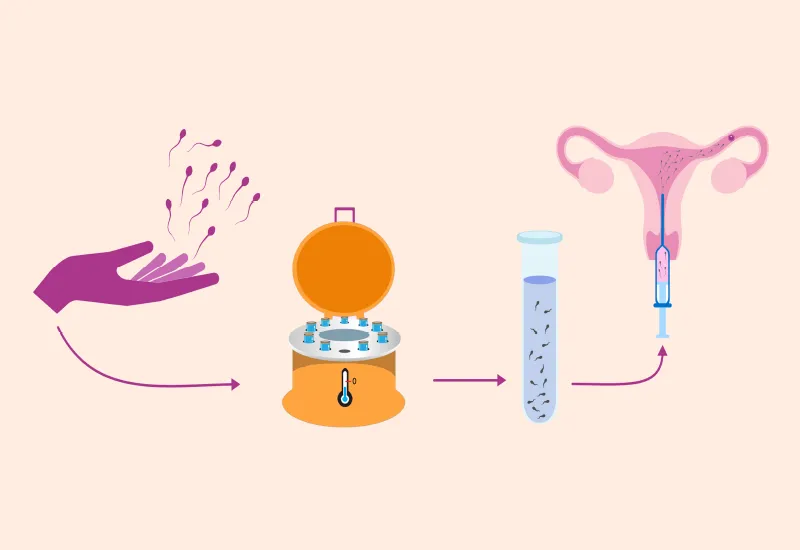
    illustration of the IUI process, showing sperm collection, preparation, and insertion into the uterus

    Fertility Preservation for Women with Autoimmune Disorders: A New Frontier

    Another option for fertility preservation is ovarian tissue freezing, which involves removing a small piece of the ovary and freezing it for future use. This is a newer technology that is still being researched, but it has shown promising results for women with autoimmune disorders. However, this option may not be suitable for all women, as it requires surgery and carries the risk of damaging the remaining ovary.

    The importance of early intervention:

    One of the key factors for successful fertility preservation for women with autoimmune disorders is early intervention. It is essential for women to discuss their fertility options with their doctors as soon as possible, even before starting treatment for their autoimmune disorder. This allows for a better understanding of the potential impact of the disorder on fertility and more time to explore and initiate fertility preservation options.

    It is also crucial for women to work closely with a team of specialists, including a reproductive endocrinologist and a rheumatologist, to develop a treatment plan that takes into account both their autoimmune disorder and their fertility goals. This interdisciplinary approach can help maximize the chances of successful fertility preservation and future pregnancy.

    The cost and accessibility of fertility preservation:

    While fertility preservation offers hope for women with autoimmune disorders, it is not without its challenges. One of the major barriers is the cost, as these procedures can be expensive and may not be covered by insurance. The cost of fertility preservation can range from $5,000 to $15,000, and some women may require multiple cycles to retrieve enough eggs or embryos for preservation.

    The accessibility of fertility preservation also varies depending on geographical location and the availability of trained specialists. Women living in rural areas or countries with limited resources may not have access to these procedures, making it challenging for them to preserve their fertility.

    Conclusion:

    Fertility preservation is a new frontier for women with autoimmune disorders, offering them the opportunity to preserve their fertility and hope for starting a family in the future. With advancements in technology and early intervention, women with these conditions can now have more control over their reproductive choices. However, there are still barriers and challenges that need to be addressed to make fertility preservation more accessible and affordable for all women.

    In conclusion, fertility preservation is an essential aspect of care for women with autoimmune disorders. It not only offers them the chance to have a biological child but also provides a sense of control and empowerment over their bodies. As research and technology continue to advance, we can hope for even more options and improvements in fertility preservation for these women.

  • The Cost of Fertility Preservation: Planning for the Future

    Blog Post:

    The Cost of Fertility Preservation: Planning for the Future

    Fertility preservation, also known as egg freezing, is a process in which a woman’s eggs are extracted, frozen, and stored for future use. This procedure has become increasingly popular in recent years, as more women are delaying motherhood due to various reasons such as career goals, financial stability, or medical issues. While fertility preservation offers hope for women to have children later in life, it also comes with a hefty price tag. In this blog post, we will discuss the cost of fertility preservation and the importance of planning for the future.

    The Process of Fertility Preservation

    Before we dive into the cost, let’s first understand the process of fertility preservation. The first step is to consult with a fertility specialist who will assess your medical history and perform fertility tests to determine your chances of success with the procedure. If you are a good candidate, the next step is to undergo ovarian stimulation, where you will receive hormone injections to stimulate your ovaries to produce multiple eggs. This process can take up to two weeks and requires regular monitoring through blood tests and ultrasounds.

    Once the eggs are mature, they are retrieved through a minor surgical procedure known as egg retrieval. The eggs are then frozen and stored in a specialized facility until you are ready to use them. When you decide to use your frozen eggs, they will be thawed, fertilized with sperm, and transferred back into your uterus in a procedure known as in vitro fertilization (IVF).

    Cost of Fertility Preservation

    The cost of fertility preservation varies depending on several factors, including your location, the clinic you choose, and the number of eggs you want to freeze. On average, the cost of one round of egg freezing can range from $10,000 to $15,000. This price includes the initial consultation, ovarian stimulation medications, egg retrieval, and the first year of storage. Additional costs may also include anesthesia fees, blood tests, and ultrasounds.

    It’s important to note that one round of egg freezing may not be enough. As women age, the quality and quantity of their eggs decrease, and it may take multiple rounds of egg freezing to have a viable number of eggs for future use. This means that the total cost of fertility preservation can add up to tens of thousands of dollars.

    illustration of a uterus with a syringe for intrauterine insemination (IUI) procedure

    The Cost of Fertility Preservation: Planning for the Future

    Factors Affecting the Cost

    As mentioned earlier, the cost of fertility preservation depends on various factors. One of the biggest factors is your age. The younger you are, the better your chances of success, and the fewer rounds of egg freezing you may need. This means that if you are in your early 30s, you may need to freeze fewer eggs compared to someone in their late 30s or 40s, ultimately reducing the cost.

    The location and clinic you choose can also impact the cost. Fertility clinics in major cities tend to have higher prices compared to those in smaller towns. The reputation and success rates of the clinic may also affect the cost. It’s essential to do your research and compare prices before choosing a clinic.

    Importance of Planning for the Future

    The high cost of fertility preservation highlights the importance of planning for the future. As mentioned earlier, fertility preservation is a viable option for women who want to delay motherhood. However, it’s crucial to keep in mind that it’s not a guarantee of success. While the success rates of egg freezing have improved in recent years, there is still a chance that the frozen eggs may not result in a viable pregnancy.

    Moreover, it’s essential to consider the costs associated with using the frozen eggs in the future. In addition to the cost of thawing and fertilizing the eggs, there will also be costs for IVF and other associated procedures. Planning for these costs and having a backup plan in case the frozen eggs do not result in a successful pregnancy is crucial.

    In conclusion, fertility preservation offers hope for women to have children later in life. However, it comes with a high price tag, making it essential to plan and save for this expense. With proper planning and research, women can make informed decisions about their fertility and have a better chance of achieving their dream of motherhood in the future.

    Summary:

    Fertility preservation, also known as egg freezing, is a procedure in which a woman’s eggs are extracted, frozen, and stored for future use. This process has become increasingly popular as more women are delaying motherhood. The cost of fertility preservation can range from $10,000 to $15,000 per round, and multiple rounds may be needed for success. Factors such as age, location, and clinic choice can affect the cost. Planning for the future is crucial, as the high cost highlights the need for financial preparation and backup plans.

  • Fertility Preservation for Men with Testicular Cancer: A Hopeful Solution

    Blog Post Title: Fertility Preservation for Men with Testicular Cancer: A Hopeful Solution

    Testicular cancer is one of the most common types of cancer in young men, with around 9,000 new cases diagnosed each year in the United States alone. While it is highly treatable, the treatments such as chemotherapy, radiation therapy, and surgery can have a significant impact on fertility. This can be a devastating blow for men who dream of having children in the future. However, there is hope. Fertility preservation is a promising solution that can help men with testicular cancer protect their ability to have biological children. In this blog post, we will explore the importance of fertility preservation for men with testicular cancer and the various options available.

    Understanding Testicular Cancer and its Impact on Fertility

    Testicular cancer is a type of cancer that affects the testicles, which are responsible for producing sperm and testosterone. It is most commonly diagnosed in men between the ages of 20 and 39, and while the exact cause is unknown, certain risk factors such as family history, undescended testicles, and HIV infection may increase the chances of developing testicular cancer.

    When it comes to fertility, the main concern for men with testicular cancer is the potential damage to the testicles caused by cancer treatments. Chemotherapy drugs can damage the sperm-producing cells in the testicles, while radiation therapy can damage the DNA of sperm cells. Surgery to remove the testicle(s) can also affect fertility, as the remaining testicle may not produce enough sperm to achieve pregnancy.

    The Importance of Fertility Preservation

    For many men, the ability to have children is a crucial aspect of their lives. The thought of losing this ability due to cancer treatments can be distressing and overwhelming. Fertility preservation offers a solution to this problem, providing men with hope for their future fertility.

    Preserving fertility before cancer treatment is essential because cancer treatments can significantly reduce sperm count and quality. While sperm can sometimes recover after treatment, there is no guarantee. By preserving sperm before treatment, men can have peace of mind knowing that they have a backup plan to start a family in the future.

    Fertility Preservation Options for Men with Testicular Cancer

    There are several options available for men with testicular cancer to preserve their fertility before undergoing cancer treatments. These options include sperm banking, testicular tissue freezing, and testicular sperm extraction.

    1. Sperm Banking

    Sperm banking, also known as sperm freezing, is the most common and widely available method of fertility preservation for men. It involves collecting and storing semen samples in a sperm bank for future use. This process can be done through masturbation or using a special condom during intercourse. The samples are then cryopreserved (frozen) and stored until needed.

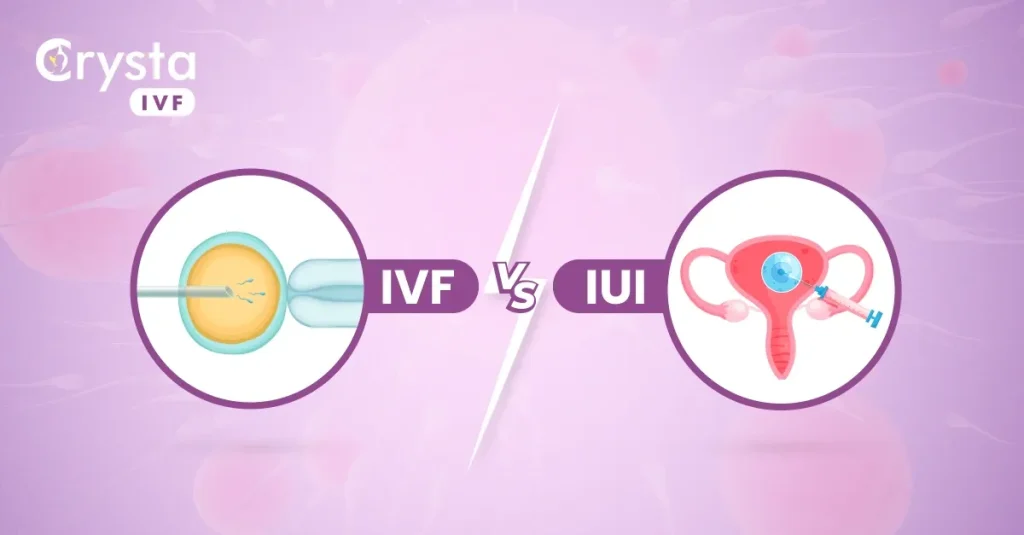
    Comparison of IVF and IUI procedures with illustrations of each method.

    Fertility Preservation for Men with Testicular Cancer: A Hopeful Solution

    The success rate of sperm banking varies depending on the quality and quantity of the sperm sample. However, with advancements in technology, the success rate for using frozen sperm for assisted reproductive techniques such as in vitro fertilization (IVF) has significantly increased.

    2. Testicular Tissue Freezing

    Testicular tissue freezing is a newer method of fertility preservation that involves removing a small piece of tissue from the testicle and freezing it for future use. This method is beneficial for men who cannot produce an ejaculate, such as pre-pubescent boys or those with certain medical conditions. The tissue can then be thawed and used for sperm extraction in the future.

    While this method is still relatively experimental, it has shown promising results in animal studies and has been successfully used in a few cases for men with cancer.

    3. Testicular Sperm Extraction (TESE)

    Testicular sperm extraction (TESE) is a surgical procedure where sperm is directly extracted from the testicle and used for assisted reproductive techniques. This method is suitable for men who cannot produce sperm through ejaculation, such as those with testicular failure or a blockage in the reproductive tract.

    TESE is a more invasive procedure compared to sperm banking and requires general anesthesia. However, it is a viable option for men who are unable to produce an ejaculate or have a low sperm count.

    The Emotional Impact of Fertility Preservation

    The journey through cancer treatment is a difficult and emotional one, and the thought of losing fertility can add to the stress and anxiety. Fertility preservation not only provides a practical solution but also offers psychological benefits to men with testicular cancer. It can give them a sense of control and hope for the future, allowing them to focus on their treatment and recovery.

    In addition, fertility preservation also offers the opportunity for men to have biological children, which can be a significant source of comfort and joy for cancer survivors.

    In conclusion, fertility preservation is a crucial aspect of care for men with testicular cancer. It provides a hopeful solution for preserving fertility and allows men to have a chance at starting a family in the future. With the various options available, it is essential for men with testicular cancer to discuss fertility preservation with their healthcare team before starting cancer treatment.

    Summary:

    Testicular cancer is a common type of cancer in young men, and the treatments can have a significant impact on fertility. Fertility preservation is a promising solution that can help men with testicular cancer protect their ability to have biological children. The main concern for men with testicular cancer is the potential damage to the testicles caused by cancer treatments. Fertility preservation offers a solution to this problem, providing men with hope for their future fertility. Options include sperm banking, testicular tissue freezing, and testicular sperm extraction. Fertility preservation not only provides a practical solution but also offers psychological benefits to men with testicular cancer. It gives them a sense of control and hope for the future.

  • Exploring the Emotional Impact of Fertility Preservation: Personal Stories

    Exploring the Emotional Impact of Fertility Preservation: Personal Stories

    Fertility preservation has become a widely accepted and sought-after option for individuals and couples who may want to have children in the future. Whether it is due to medical reasons, career goals, or personal circumstances, fertility preservation allows individuals to freeze their eggs, sperm, or embryos for later use. While this option provides a sense of security and control for the future, it also comes with its own set of emotional impacts.

    In this blog post, we will delve into the emotional impact of fertility preservation, using personal stories and experiences from individuals who have gone through the process.

    The Decision to Preserve: A Personal Journey

    For many people, the decision to preserve their fertility is not an easy one. It often comes with a lot of deliberation, research, and emotional turmoil. One such individual is Sarah, a 32-year-old career-driven woman who was diagnosed with endometriosis, a condition that could potentially affect her fertility. After discussing with her partner, Sarah decided to undergo fertility preservation as a precautionary measure. She recalls, “It was a tough decision to make. On one hand, I wanted to focus on my career, but on the other hand, I didn’t want to regret not preserving my fertility later in life.”

    Similarly, Mark, a 40-year-old man, was diagnosed with testicular cancer and had to undergo chemotherapy. He and his wife made the decision to freeze his sperm before starting treatment. “It was a difficult choice, but we knew it was the best option for us to have a chance at having children in the future,” he shares.

    These personal stories highlight the emotional struggle that comes with the decision to undergo fertility preservation. It is a decision that can have a significant impact on an individual’s life and requires careful consideration.

    The Process: A Rollercoaster of Emotions

    The process of fertility preservation, whether it is freezing eggs, sperm, or embryos, involves a series of medical procedures and hormone treatments. These procedures can be physically and emotionally taxing for individuals. The constant injections, blood tests, and monitoring can be overwhelming, and the hormonal changes can also take a toll on one’s emotional well-being.

    Samantha, a 28-year-old woman who underwent egg freezing, shares her experience, “The process was physically exhausting, but it also took a toll on my mental health. The constant injections and changes in hormones made me feel moody and anxious. It was a rollercoaster of emotions.”

    Illustration of a uterus with a syringe, representing intrauterine insemination (IUI) procedure.

    Exploring the Emotional Impact of Fertility Preservation: Personal Stories

    The emotional impact of the process is not just limited to the individual undergoing the procedures but can also affect their partners. Mark’s wife, Laura, recalls, “Seeing him go through chemotherapy and then the fertility preservation process was emotionally draining for both of us. We were constantly worrying about the success of the procedure and the potential impact on our future.”

    Waiting for the Results: The Anxiety and Uncertainty

    After the procedures are completed, individuals and couples are left waiting for the results. This can be a nerve-wracking and anxiety-inducing period as they anxiously wait to find out if the preservation was successful.

    For Sarah, the two-week wait to find out the results of her egg freezing was one of the most emotionally challenging periods. “I was constantly second-guessing my decision and worrying about the outcome. It was a huge relief when I found out that my eggs had been successfully frozen,” she shares.

    The uncertainty of the outcome can also lead to a sense of loss and grief, especially if the preservation process was not successful. This was the case for Laura and Mark, who found out that Mark’s sperm had not survived the freezing process. “It was a heartbreaking moment for both of us. We had put so much hope and effort into preserving our fertility, and to find out it was not successful was devastating,” Laura recalls.

    The Future: A Sense of Hope and Control

    Despite the emotional rollercoaster that individuals and couples go through during the fertility preservation process, it also provides a sense of hope and control for the future. It allows them to have a backup plan and potential options for starting a family when the time is right.

    For Sarah, knowing that she has frozen eggs gives her a sense of relief and confidence in her future. “I have taken control of my fertility, and that gives me a sense of peace. I know that when I am ready, I have the option to have a child,” she says.

    Laura and Mark, after the initial disappointment, decided to explore other options such as adoption and surrogacy. “We realized that there are other ways to build a family, and we still have hope for the future,” they share.

    Summary:

    Fertility preservation is a process that involves freezing eggs, sperm, or embryos for future use. While it provides individuals and couples with a sense of security and control for the future, it also comes with its own emotional impact. From the difficult decision to preserve to the emotional rollercoaster of the procedures and the uncertainty of the results, the process can be emotionally taxing. However, it also offers a sense of hope and control for the future. Personal stories from individuals who have gone through fertility preservation provide a deeper understanding of the emotional impact of this process.