Blog Post:
Fertility preservation is a crucial topic for women who have a genetic condition. These women face unique challenges when it comes to planning for their future fertility, as their condition can potentially affect their ability to conceive and carry a pregnancy to term. However, with advances in medical technology and fertility preservation options, women with genetic conditions now have more choices and opportunities to ensure their future fertility.
In this blog post, we will explore the importance of fertility preservation for women with genetic conditions and the various options available to them. We will also discuss the benefits and limitations of these options, as well as important considerations for women to keep in mind when making decisions about their fertility.
The Importance of Fertility Preservation for Women with Genetic Conditions:
For women with genetic conditions, the desire to have children may be hindered by the potential impact of their condition on their fertility. Some genetic conditions, such as Turner syndrome, Fragile X syndrome, and polycystic ovary syndrome, can affect a woman’s ovarian function and decrease her chances of conceiving naturally. Additionally, these conditions can also increase the risk of pregnancy complications, making it even more challenging to achieve a successful pregnancy.
Furthermore, some genetic conditions are hereditary, meaning that there is a chance of passing them on to future children. This can be a significant concern for women who wish to have children but do not want to risk passing on their condition. Fertility preservation can provide these women with the option to have biological children without the fear of passing on their genetic condition.
Types of Fertility Preservation Options for Women with Genetic Conditions:
1. Egg Freezing:
Egg freezing, also known as oocyte cryopreservation, is a popular method of fertility preservation for women with genetic conditions. This process involves stimulating the ovaries to produce multiple eggs, which are then retrieved and frozen for future use. Egg freezing is a viable option for women who have not yet started trying to conceive or are unable to conceive naturally due to their genetic condition.
One of the significant benefits of egg freezing is that it does not require a partner, giving women with genetic conditions the flexibility to preserve their fertility on their own terms. It also allows women to postpone pregnancy until they are ready, without worrying about the decline in ovarian function due to their condition.
However, egg freezing does have its limitations. The success rate of pregnancy using frozen eggs is not as high as using fresh eggs, and it requires multiple rounds of egg retrieval, which can be physically and emotionally taxing. Additionally, the cost of egg freezing can be a barrier for some women, as it is not always covered by insurance.
2. Embryo Freezing:
For women in a committed relationship, embryo freezing is another option for fertility preservation. This process involves fertilizing retrieved eggs with sperm and freezing the resulting embryos for future use. Embryo freezing offers a higher success rate compared to egg freezing, making it a more attractive option for women with genetic conditions.
However, embryo freezing requires a partner or donor sperm, which may not be an option for some women. It also involves the use of fertility medications, which can be challenging for women with certain genetic conditions that affect hormone levels.
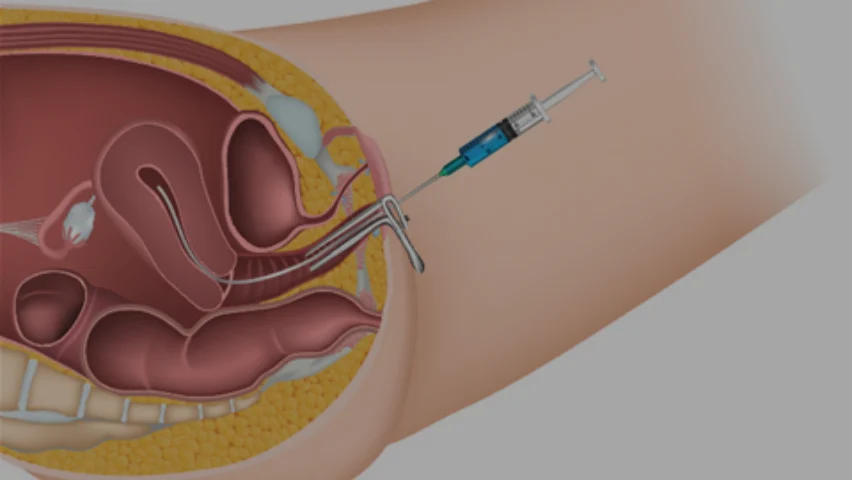
Fertility Preservation for Women with Genetic Conditions: Ensuring Future Options
3. Ovarian Tissue Freezing:
Ovarian tissue freezing is a relatively new method of fertility preservation that involves removing and freezing a piece of ovarian tissue containing eggs. This tissue can then be transplanted back into the woman’s body in the future, allowing her to naturally conceive and carry a pregnancy to term. This option is particularly beneficial for women who cannot undergo egg or embryo freezing due to their condition or treatment.
However, ovarian tissue freezing is a complex and experimental procedure, and its success rates are still being studied. It also requires surgery, which may not be a viable option for some women.
Important Considerations for Women with Genetic Conditions:
When considering fertility preservation options, women with genetic conditions must discuss their options with a fertility specialist and their healthcare team. They should also consider the following factors:
1. Timing:
The timing of fertility preservation is crucial for women with genetic conditions. It is best to undergo preservation before the onset of any treatments or surgeries that may impact fertility.
2. Genetic Counseling:
It is essential for women with genetic conditions to seek genetic counseling before making any decisions about fertility preservation. This can help them understand their condition and the potential risks of passing it on to future children.
3. Cost and Insurance Coverage:
As mentioned earlier, the cost of fertility preservation can be a significant barrier for some women. It is crucial to research and understand the costs involved and whether insurance covers any of the expenses.
4. Emotional Considerations:
Fertility preservation can be an emotionally taxing process, and it is essential for women with genetic conditions to have a strong support system in place. They may also benefit from counseling to help them navigate the emotional challenges of fertility preservation.
In summary, fertility preservation is a crucial consideration for women with genetic conditions who wish to have children in the future. It offers them the opportunity to have biological children without the fear of passing on their condition and can provide peace of mind for their future fertility. However, it is essential for women to discuss their options with a fertility specialist and consider important factors like timing, genetic counseling, cost, and emotional considerations before making any decisions.
In conclusion, fertility preservation is a valuable option for women with genetic conditions, providing them with the opportunity to have children in the future. With advancements in medical technology, women now have more choices and options to ensure their future fertility. By understanding their condition, seeking the advice of healthcare professionals, and considering important factors, women with genetic conditions can make informed decisions about their fertility and have hope for a future with children.