Tag: fertility preservation

  • Sperm Analysis and Semen Analysis: How Do They Help with Male Fertility Preservation?

    Blog Post:

    When it comes to starting a family, many couples face challenges with infertility issues. While there are multiple factors that can contribute to infertility, one important aspect to consider is male fertility. In recent years, there has been an increase in male fertility preservation techniques, and one of the key methods used is sperm analysis and semen analysis. In this blog post, we will explore what these analyses involve and how they can help with male fertility preservation.

    Sperm Analysis:

    Sperm analysis, also known as a sperm count or semen analysis, is a test used to evaluate the quality and quantity of sperm in a man’s semen. The test is typically done to determine a man’s fertility potential and can be performed at a fertility clinic or a laboratory.

    The process of sperm analysis involves collecting a semen sample, either through masturbation or using a collection condom during intercourse. The sample is then examined under a microscope to assess the sperm count, motility (movement), and morphology (shape and size).

    The World Health Organization (WHO) has established guidelines for normal sperm analysis results. According to the WHO, a normal sperm count should be at least 15 million sperm per milliliter of semen, with at least 40% of the sperm showing normal motility and 4% having normal morphology. A man with a sperm count lower than these values may have a decreased chance of fathering a child naturally.

    Semen Analysis:

    Semen analysis is a more comprehensive test that evaluates not only the sperm but also other components in the semen. This test can provide valuable information about the overall health of a man’s reproductive system and identify any underlying issues that may be affecting fertility.

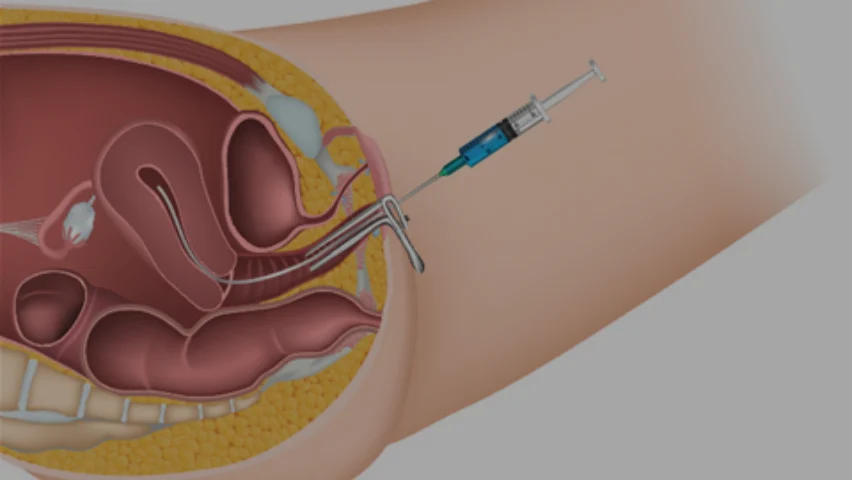
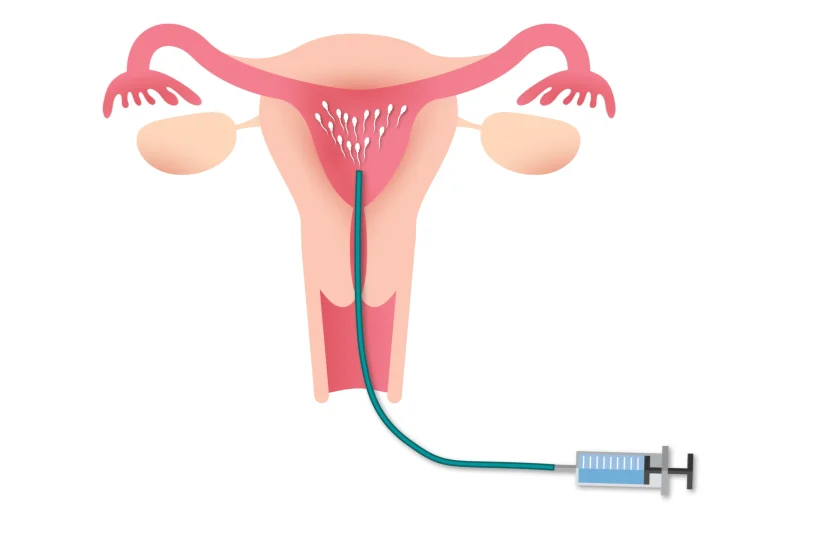
    Illustration of the IUI process, showing a syringe and catheter in the reproductive system.

    Sperm Analysis and Semen Analysis: How Do They Help with Male Fertility Preservation?

    In addition to evaluating sperm count, motility, and morphology, semen analysis also looks at the volume of semen, pH levels, and the presence of any infections or other abnormalities. The test can also detect the presence of white blood cells, which could indicate an infection or inflammation in the reproductive tract.

    How Do These Analyses Help with Male Fertility Preservation?

    Sperm and semen analyses play a crucial role in male fertility preservation. By providing vital information about a man’s sperm quality and reproductive health, these tests can help identify any potential issues that may be affecting fertility. They can also be used to monitor the success of fertility treatments and determine the best course of action for couples struggling with infertility.

    For men who are considering sperm banking or other fertility preservation methods, these analyses are essential. By assessing the quality and quantity of sperm, doctors can determine the best approach for preserving fertility, such as freezing sperm for future use in in vitro fertilization (IVF) or intrauterine insemination (IUI).

    Moreover, for men who have undergone cancer treatment or other medical procedures that can affect fertility, sperm and semen analyses can provide valuable information about the impact of these treatments on sperm quality. This information can help guide the decision-making process for fertility preservation before undergoing potentially harmful treatments.

    In conclusion, sperm analysis and semen analysis are crucial tools in male fertility preservation. These tests provide valuable information about sperm quality and reproductive health, helping couples struggling with infertility to make informed decisions about their fertility journey. They also play a significant role in the success of fertility treatments and can provide peace of mind for men looking to preserve their fertility for future parenthood.

    Summary:

    Sperm analysis and semen analysis are tests used to evaluate the quality and quantity of sperm in a man’s semen. These analyses can provide valuable information about sperm quality and reproductive health, helping couples struggling with infertility to make informed decisions about their fertility journey. They can also play a significant role in the success of fertility treatments and are essential for men looking to preserve their fertility for future parenthood.
  • Fertility Preservation: Options for Both Male and Female Factor Infertility

    Blog Post:

    Fertility preservation is a topic that has gained more attention in recent years as more couples struggle with infertility. Infertility can be caused by various factors, including both male and female factors. In this blog post, we will discuss the different options available for fertility preservation for both men and women.

    Female Factor Infertility:

    For women, the most common cause of infertility is age. As women age, their egg quantity and quality decrease, making it more difficult to conceive. Other factors that can contribute to female factor infertility include hormonal imbalances, polycystic ovary syndrome (PCOS), endometriosis, and pelvic inflammatory disease.

    1. Egg Freezing:

    Egg freezing, also known as oocyte cryopreservation, is a popular option for fertility preservation. It involves retrieving a woman’s eggs, freezing them, and storing them for future use. This allows a woman to preserve her fertility when she is younger and has a better chance of producing healthy eggs.

    The process of egg freezing involves the use of hormone injections to stimulate the ovaries to produce multiple eggs. These eggs are then retrieved through a minor surgical procedure and frozen using a process called vitrification. The frozen eggs can be stored for many years and thawed when the woman is ready to use them.

    2. Embryo Freezing:

    Embryo freezing is another option for fertility preservation for women. This method involves fertilizing a woman’s eggs with sperm in a laboratory to create embryos. The embryos are then frozen and stored for future use.

    Embryo freezing is usually recommended for women who have a male partner or are planning to use donor sperm. It also allows for genetic testing of the embryos before they are frozen, which can help reduce the risk of passing on genetic disorders.

    3. Ovarian Tissue Freezing:

    Ovarian tissue freezing is a newer technique that involves removing a small piece of tissue from the ovary and freezing it for later use. The tissue contains immature eggs, which can be matured and fertilized in the future.

    This method is still considered experimental and is typically only recommended for women who cannot undergo other fertility preservation methods.

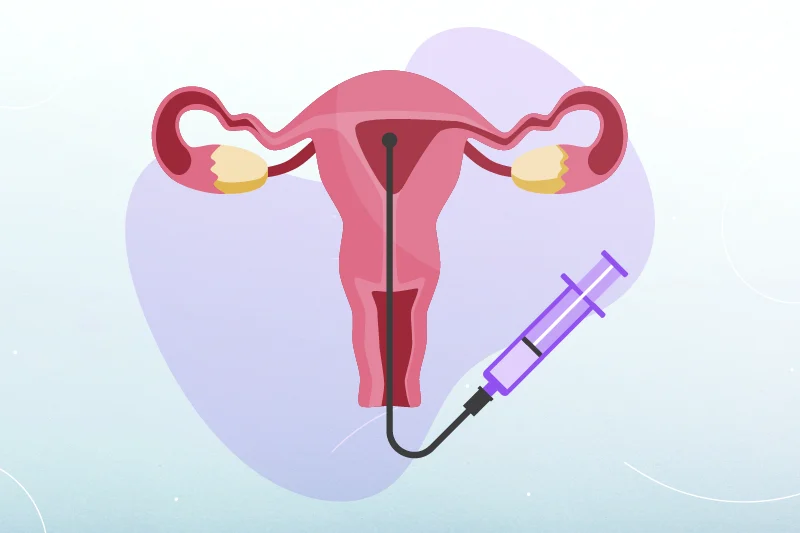
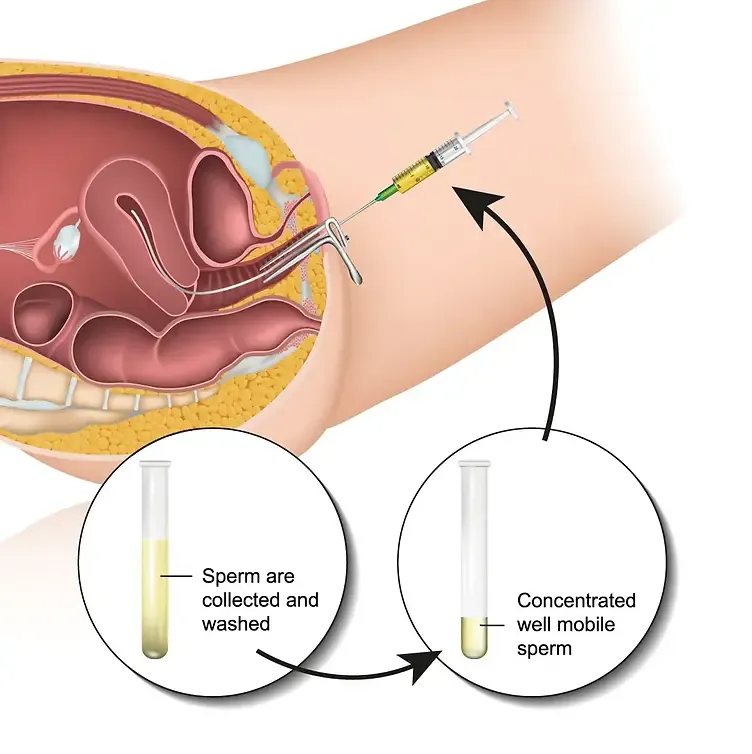
    Illustration of intrauterine insemination process, showing sperm collection and injection into the uterus.

    Fertility Preservation: Options for Both Male and Female Factor Infertility

    Male Factor Infertility:

    Male factor infertility is responsible for about 30% of all infertility cases. It can be caused by various factors, including low sperm count, low sperm motility, and abnormal sperm shape. Here are some options for male fertility preservation:

    1. Sperm Freezing:

    Sperm freezing, also known as sperm cryopreservation, is the most common method of fertility preservation for men. It involves collecting a semen sample and freezing it for later use. The frozen sperm can be stored for many years and used for in vitro fertilization (IVF) or intrauterine insemination (IUI).

    2. Testicular Tissue Freezing:

    Similar to ovarian tissue freezing, testicular tissue freezing involves removing a small piece of tissue from the testicles and freezing it for future use. This tissue contains sperm-producing cells, which can be used for fertilization in the future.

    This method is typically recommended for men who have undergone cancer treatment, which can damage the testicles. It is still considered experimental and may not be available in all fertility clinics.

    3. Testicular Sperm Extraction (TESE):

    TESE is a surgical procedure that involves retrieving sperm directly from the testicles. The sperm can then be used for IVF or IUI. This method is typically recommended for men who have a blockage or other issue that prevents sperm from being ejaculated.

    Conclusion:

    Fertility preservation is a crucial option for couples struggling with infertility. It allows individuals to preserve their fertility when they are younger and have a better chance of producing healthy eggs or sperm. With advancements in technology and medical techniques, there are now various options available for both male and female factor infertility. It is essential to consult with a fertility specialist to determine the best option for individual circumstances.

    Summary:

    Fertility preservation is a crucial topic for couples struggling with infertility. For women, options include egg freezing, embryo freezing, and ovarian tissue freezing. For men, options include sperm freezing, testicular tissue freezing, and testicular sperm extraction. These methods allow individuals to preserve their fertility for future use and should be discussed with a fertility specialist.

  • Frozen Donor Sperm: A Safe and Reliable Option for Fertility Preservation

    Blog Post Title: Frozen Donor Sperm: A Safe and Reliable Option for Fertility Preservation

    Summary:

    Fertility preservation has become an increasingly popular option for individuals who wish to delay starting a family or those facing fertility challenges due to medical reasons. One of the most effective methods of fertility preservation is using frozen donor sperm. Frozen donor sperm is a safe and reliable option that provides individuals with the opportunity to have biological children in the future. In this blog post, we will discuss the benefits of using frozen donor sperm for fertility preservation, the process of acquiring and storing frozen donor sperm, and the success rates of using this method.

    The Benefits of Using Frozen Donor Sperm:

    Using frozen donor sperm for fertility preservation offers several benefits. The first and most significant advantage is that it provides individuals with the option to have biological children in the future. This is especially valuable for individuals who are facing fertility challenges due to medical conditions such as cancer, which may affect their ability to conceive in the future.

    Another benefit of using frozen donor sperm is that it allows individuals to delay starting a family without the worry of declining fertility. With more and more people choosing to pursue higher education, establish their careers, or travel before starting a family, using frozen donor sperm as a fertility preservation method provides them with the option to have children at a later stage in life.

    The Process of Acquiring and Storing Frozen Donor Sperm:

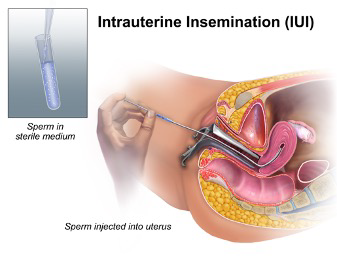
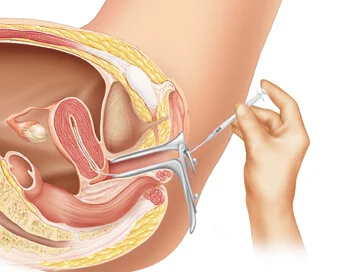
    illustration of intrauterine insemination procedure with a hand holding a speculum and syringe near the uterus

    Frozen Donor Sperm: A Safe and Reliable Option for Fertility Preservation

    The process of acquiring and storing frozen donor sperm is relatively simple. First, individuals need to choose a reputable sperm bank that offers donor sperm. These sperm banks have strict screening procedures for donors, including medical and genetic testing, to ensure the safety and quality of the sperm.

    After choosing a sperm bank, individuals can select a donor based on their preferences, such as physical characteristics, education, and occupation. Some sperm banks also offer the option to view photos and listen to audio recordings of the donor.

    Once a donor is selected, the sperm bank will ship the frozen donor sperm to a fertility clinic or storage facility of the individual’s choice. The sperm is then stored in liquid nitrogen tanks, where it can remain viable for decades.

    Success Rates of Using Frozen Donor Sperm:

    The success rates of using frozen donor sperm for fertility preservation are comparable to those of using fresh sperm. According to the American Society for Reproductive Medicine, the success rate of using frozen donor sperm in assisted reproductive technology (ART) procedures is around 50%, which is similar to the success rate of using fresh sperm.

    Additionally, using frozen donor sperm also offers the advantage of being able to use the sperm in multiple ART cycles, increasing the chances of successful conception. This is especially helpful for individuals who may not have access to fresh sperm or are unable to produce viable sperm due to certain medical conditions.

    Conclusion:

    Frozen donor sperm is a safe and reliable option for fertility preservation that offers individuals the opportunity to have biological children in the future. It provides numerous benefits, such as the ability to delay starting a family and the option to choose a donor based on personal preferences. The process of acquiring and storing frozen donor sperm is straightforward, and the success rates are comparable to using fresh sperm. With the advancements in technology and the increasing acceptance of alternative family-building methods, frozen donor sperm has become a viable option for individuals looking to preserve their fertility.

  • Fertility Medications vs Surgery: The Impact on Fertility Preservation

    Fertility Medications vs Surgery: The Impact on Fertility Preservation

    Fertility is a fundamental aspect of human life, and the ability to conceive and have children is often considered a natural process. However, for many individuals and couples, fertility can be a challenging journey, and the use of fertility medications and surgery has become increasingly common in the quest to preserve fertility. In this blog post, we will explore the impact of these two treatment options on fertility preservation and discuss their benefits and drawbacks.

    Fertility Medications: What are they and how do they work?

    Fertility medications are drugs that are used to stimulate ovulation or increase the number of eggs produced by the ovaries. They are primarily used in the treatment of infertility and can either be taken orally or injected. The most commonly prescribed fertility medications include clomiphene citrate, letrozole, and gonadotropins.

    These medications work by regulating the hormones that control the menstrual cycle, thus stimulating the ovaries to produce and release eggs. They are often used in the treatment of conditions such as polycystic ovary syndrome (PCOS) and unexplained infertility. Fertility medications can also be used in assisted reproductive techniques such as in-vitro fertilization (IVF) to increase the chances of successful fertilization.

    The Impact of Fertility Medications on Fertility Preservation

    Fertility medications have been a game-changer for many couples struggling with infertility. They offer a less invasive and more affordable option for those looking to preserve their fertility. However, there are some important considerations to keep in mind when it comes to the impact of these medications on fertility preservation.

    One of the main concerns with fertility medications is the risk of multiple pregnancies. As these medications stimulate the ovaries to produce more eggs, there is a higher chance of multiple eggs being fertilized, resulting in twins, triplets, or even more. While some couples may view this as a bonus, multiple pregnancies carry a higher risk of complications for both the mother and the babies.

    Another significant factor to consider is the potential side effects of fertility medications. These can include nausea, bloating, headaches, and mood swings, among others. These side effects can not only be uncomfortable but can also impact a person’s daily life and overall well-being. It is essential to discuss these potential side effects with a doctor before starting fertility medication treatment.

    Additionally, fertility medications may not work for everyone. They are not a one-size-fits-all solution, and success rates can vary greatly depending on factors such as age and the underlying cause of infertility. This can lead to frustration and disappointment for those relying on fertility medications as their primary method of fertility preservation.

    Surgery: A Different Approach to Fertility Preservation

    Illustration of intrauterine insemination (IUI) procedure with syringe and catheter in the uterus.

    Fertility Medications vs Surgery: The Impact on Fertility Preservation

    Surgery, on the other hand, offers a more permanent solution for fertility preservation. It involves procedures such as egg freezing, ovarian tissue freezing, and tubal ligation reversal. These surgeries can be done for various reasons, including medical conditions that affect fertility, elective fertility preservation, or gender transition.

    For those looking to preserve fertility for medical reasons, surgery can provide a more certain outcome compared to fertility medications. For example, egg freezing can preserve a woman’s eggs before undergoing cancer treatment, which may damage her eggs or ovaries. This allows the individual to still have the option of conceiving using their own eggs in the future.

    Surgery can also be a more reliable option for those who have decided to delay childbearing for personal or career reasons. Egg freezing, in particular, has become increasingly popular among single women in their 30s and 40s who want to preserve their fertility for future use.

    However, like any medical procedure, surgery carries its own risks and potential side effects. There is also the financial burden to consider, as fertility preservation surgeries can be costly and may not be covered by insurance. It is crucial to consult with a doctor and fully understand the potential risks and benefits before deciding on surgery as a fertility preservation method.

    The Importance of Individualized Treatment

    When it comes to fertility preservation, there is no one-size-fits-all approach. Each person’s fertility journey is unique, and what may work for one individual may not work for another. It is essential to consult with a fertility specialist to determine the best course of action for each person’s specific situation.

    In some cases, a combination of both fertility medications and surgery may be recommended to achieve the best possible outcome. For example, fertility medications can be used to stimulate the ovaries before egg retrieval for egg freezing. This personalized approach ensures that each person receives the most effective treatment for their individual needs.

    Conclusion

    In conclusion, fertility medications and surgery both have an impact on fertility preservation. While fertility medications offer a non-invasive and more affordable option, they come with potential side effects and may not work for everyone. On the other hand, surgery can provide a more permanent solution, but it also carries risks and can be costly.

    Individualized treatment, considering factors such as age, medical history, and personal preferences, is crucial in determining the best approach for fertility preservation. It is essential to consult with a fertility specialist to fully understand the potential risks and benefits of each treatment option and make an informed decision.

    Summary: Fertility medications and surgery are two common treatment options for fertility preservation. Fertility medications work by stimulating ovulation, while surgery offers a more permanent solution. Both have their benefits and drawbacks, and it is essential to consult with a fertility specialist to determine the best approach for individual needs. Factors such as age, medical history, and personal preferences should be considered when deciding between fertility medications and surgery for fertility preservation.

  • Fertility Preservation for Women with Career Demands: Finding a Work-Life Balance

    Fertility Preservation for Women with Career Demands: Finding a Work-Life Balance

    In today’s society, many women are facing the challenge of balancing their career demands with their desire to start a family. This is especially true for women who are in their prime reproductive years and are focused on building their careers. The pressure to succeed professionally often makes it difficult for women to prioritize their fertility and plan for starting a family. However, with advancements in modern medicine, fertility preservation has become a viable option for women who want to postpone pregnancy while focusing on their career goals.

    Fertility preservation refers to the process of freezing and storing eggs, embryos, or ovarian tissue for future use. This technique allows women to preserve their fertility at a young age when their eggs are at their healthiest and use them when they are ready to start a family. It has become increasingly popular among career-oriented women, as it provides them with the flexibility to plan their pregnancies without compromising their career aspirations.

    Many factors contribute to the increasing trend of fertility preservation among women with career demands. One of the main reasons is the societal pressure on women to delay starting a family while they establish their careers. According to a survey by the Pew Research Center, the number of women in the workforce has increased significantly in the past few decades. As more women are pursuing higher education and advancing in their careers, the average age of first-time mothers has also risen. This trend is particularly evident in developed countries, where women are focusing on their careers and delaying marriage and childbirth.

    Another factor that has led to the rise of fertility preservation is the improvement in success rates of procedures such as egg freezing and in vitro fertilization (IVF). In the past, the success rates for these procedures were relatively low, making it a risky and expensive option. However, with advancements in technology and techniques, the success rates have increased significantly, giving women more confidence in choosing fertility preservation as an option.

    Illustration of the uterus with a syringe, depicting the intrauterine insemination procedure.

    Fertility Preservation for Women with Career Demands: Finding a Work-Life Balance

    Furthermore, the rise of the gig economy and flexible work arrangements has made it easier for women to balance their careers and family planning. With the option to work remotely or have a flexible schedule, women have more control over their time and can prioritize their fertility without sacrificing their professional goals. This has also led to a shift in societal attitudes towards women taking a break or slowing down their careers to start a family.

    Despite the growing popularity of fertility preservation, there are still some challenges and obstacles that women face. One of the main challenges is the cost associated with the procedures. Fertility preservation can be expensive, and insurance coverage for these procedures is limited. This makes it difficult for many women, especially those from lower-income backgrounds, to access this option. Additionally, there is also a lack of awareness and education about fertility preservation, with many women not knowing about it until it’s too late.

    To address these challenges, it is important to have open and honest conversations about fertility and family planning. Employers can play a significant role in supporting their female employees by providing education and resources about fertility preservation and offering benefits that cover the cost of these procedures. It is also essential for women to prioritize their fertility and plan for it as they would plan for their careers. Fertility should be viewed as an equally important aspect of a woman’s life, and it is crucial to find a balance between career goals and family planning.

    In conclusion, fertility preservation has become a vital option for women with career demands who want to start a family in the future. With the flexibility and control it provides, women can now prioritize their fertility without compromising their career aspirations. However, there are still challenges that need to be addressed, and it is crucial for society to change its attitudes towards women’s fertility and provide support and resources to make the option of fertility preservation accessible to all women.

    Summary:

    The pressure to succeed professionally often makes it difficult for women to prioritize their fertility and plan for starting a family. However, fertility preservation has become a viable option for women who want to postpone pregnancy while focusing on their career goals. This technique allows women to freeze and store eggs, embryos, or ovarian tissue for future use, giving them the flexibility to plan their pregnancies without compromising their career aspirations. Factors such as societal pressure, improved success rates, and flexible work arrangements have contributed to the rise of fertility preservation. However, there are still challenges such as cost and lack of awareness that need to be addressed. It is essential for employers and society to support and prioritize women’s fertility to find a balance between career goals and family planning.

  • Fertility Preservation and IVF: Understanding the Connection

    Blog Post: Fertility Preservation and IVF: Understanding the Connection

    Fertility preservation and in vitro fertilization (IVF) are two terms that are often used interchangeably, but they are actually two distinct concepts that are connected in many ways. In this blog post, we will explore the connection between fertility preservation and IVF and how they work together to help individuals and couples achieve their dream of having a child.

    What is Fertility Preservation?
    Fertility preservation is the process of preserving the reproductive potential of individuals who are facing fertility-threatening conditions or treatments. These conditions or treatments can include cancer, autoimmune diseases, or medical procedures that may affect fertility. Fertility preservation techniques are used to protect and preserve eggs, sperm, or embryos for future use.

    There are several different methods of fertility preservation, including egg freezing, sperm freezing, and embryo freezing. These techniques allow individuals to preserve their reproductive cells while they undergo treatments that may affect their fertility. This gives them the option of having biological children in the future when they are ready.

    What is IVF?
    IVF, on the other hand, is a type of assisted reproductive technology (ART) that involves fertilizing an egg with sperm outside of the body. It is often used by individuals or couples who are struggling with infertility to achieve pregnancy. During IVF, the woman’s eggs are retrieved and fertilized in a laboratory. The resulting embryos are then transferred into the woman’s uterus for implantation.

    The Connection between Fertility Preservation and IVF
    The connection between fertility preservation and IVF lies in the fact that both techniques involve the preservation and manipulation of reproductive cells. In IVF, the eggs are retrieved and fertilized in a controlled environment, while in fertility preservation, the eggs are preserved for future use.

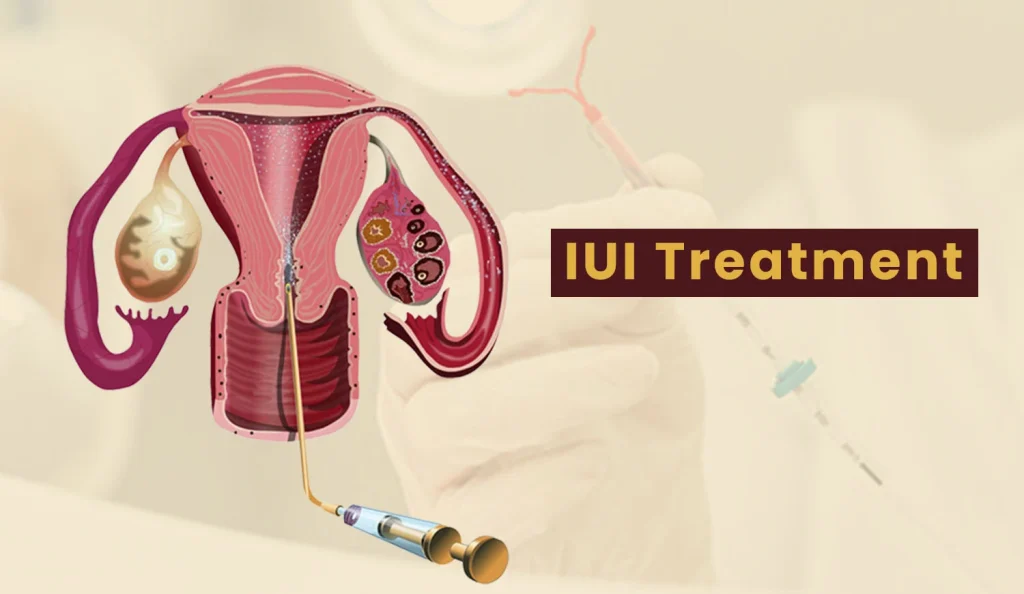
    illustration of the uterus and ovaries with a syringe, labeled "IUI Treatment" in the background

    Fertility Preservation and IVF: Understanding the Connection

    In some cases, fertility preservation and IVF can be used together to increase the chances of a successful pregnancy. For example, women who have undergone fertility preservation may use their preserved eggs or embryos during IVF treatment to achieve pregnancy. This is common for women who have undergone cancer treatments that may have affected their fertility.

    Additionally, IVF can also be used as a means of fertility preservation. In cases where individuals are facing medical treatments that may affect their fertility, they may choose to undergo IVF to retrieve and freeze their eggs or embryos for future use.

    Benefits of Fertility Preservation and IVF
    There are several benefits to combining fertility preservation and IVF. One of the biggest benefits is the ability to preserve and protect reproductive potential for individuals who may be facing fertility-threatening conditions or treatments. This gives them the option of having biological children in the future, even if they are unable to conceive naturally.

    Another benefit is the increased success rates of IVF when using preserved eggs or embryos. By using frozen eggs or embryos, individuals and couples can avoid the stress and cost of multiple IVF cycles, as the success rates are typically higher when using preserved reproductive cells.

    Furthermore, fertility preservation and IVF can also provide individuals and couples with peace of mind. Knowing that they have the option of using preserved reproductive cells in the future can alleviate some of the stress and anxiety that comes with fertility issues.

    In conclusion, fertility preservation and IVF are two interconnected concepts that work together to help individuals and couples achieve their dream of having a child. Whether used separately or in combination, these techniques offer hope and options for those facing fertility challenges. By understanding the connection between fertility preservation and IVF, individuals and couples can make informed decisions and take control of their reproductive health.

    Summary:
    Fertility preservation and in vitro fertilization (IVF) are two distinct concepts that are connected in many ways. Fertility preservation involves preserving reproductive cells for future use, while IVF is a technique used to achieve pregnancy. The connection between these two lies in the preservation and manipulation of reproductive cells. Using fertility preservation and IVF together can increase the chances of a successful pregnancy and provide individuals and couples with peace of mind. These techniques offer hope and options for those facing fertility challenges and understanding their connection can help individuals make informed decisions about their reproductive health.

  • Fertility Preservation for Men with Chronic Health Conditions: Ensuring Future Options

    Fertility Preservation for Men with Chronic Health Conditions: Ensuring Future Options

    Fertility is a fundamental part of human existence, and for many men, the ability to have children is a crucial aspect of their lives. However, for men living with chronic health conditions, the possibility of infertility can be a significant concern. Chronic health conditions can affect a man’s reproductive health in various ways, including causing hormonal imbalances, impairing sperm production, and affecting sexual function. These conditions can also have a significant impact on a man’s mental and emotional well-being, as the fear of losing their ability to have children can be overwhelming. In such cases, fertility preservation can provide a glimmer of hope by offering options for men to have biological children in the future. In this blog post, we will explore the concept of fertility preservation for men with chronic health conditions and how it can help ensure future options for fatherhood.

    Understanding Fertility Preservation

    Fertility preservation is the process of saving reproductive cells, such as sperm or eggs, or reproductive tissue, such as testicular or ovarian tissue, for later use. It is a way to protect fertility in individuals who are at risk of losing their ability to have children due to medical treatments, genetic conditions, or other reasons. Fertility preservation has been primarily associated with women, but it is equally important for men, especially those with chronic health conditions that may affect their fertility.

    Types of Chronic Health Conditions That Can Affect Male Fertility

    There are various chronic health conditions that can affect male fertility. These conditions can be present at birth, developed during childhood, or acquired later in life. Some of the most common chronic health conditions that can impact male fertility include:

    1. Diabetes: Diabetes is a chronic health condition that affects the body’s ability to produce or use insulin, which regulates blood sugar levels. High blood sugar levels can damage blood vessels and nerves, leading to erectile dysfunction and reduced sperm quality.

    2. Hypertension: High blood pressure is another common chronic health condition that can affect male fertility. It can cause damage to blood vessels, leading to reduced blood flow to the reproductive organs and impairing sperm production.

    3. Cancer: Certain types of cancer, such as testicular cancer, can directly affect the reproductive organs and impair sperm production. Additionally, cancer treatments like chemotherapy and radiation can also damage sperm cells and impact fertility.

    4. Autoimmune disorders: Autoimmune disorders, such as lupus and rheumatoid arthritis, can cause inflammation and damage to the reproductive organs, leading to infertility.

    5. Kidney disease: Chronic kidney disease can affect reproductive hormones, leading to hormonal imbalances that can impair sperm production and cause erectile dysfunction.

    Fertility Preservation Options for Men with Chronic Health Conditions

    Illustration of intrauterine insemination (IUI) procedure, showing sperm injection into the uterus.

    Fertility Preservation for Men with Chronic Health Conditions: Ensuring Future Options

    For men with chronic health conditions who are concerned about their fertility, there are several options for preserving their reproductive cells or tissue. These include:

    1. Sperm cryopreservation: Sperm cryopreservation, also known as sperm freezing, is the most common and widely available method of fertility preservation for men. It involves collecting and freezing a man’s sperm, which can then be used for assisted reproductive techniques in the future.

    2. Testicular sperm extraction (TESE): TESE is a surgical procedure in which a small tissue sample is taken from the testicles and examined for the presence of viable sperm. If sperm is found, it can be used for in vitro fertilization (IVF) or intracytoplasmic sperm injection (ICSI).

    3. Testicular tissue cryopreservation: This method involves removing and freezing a small piece of testicular tissue, which contains sperm-producing cells. This tissue can be used in the future for sperm extraction or transplanted back into the body.

    4. Hormone therapy: In some cases, hormone therapy may be used to stimulate sperm production in men with hormonal imbalances caused by chronic health conditions.

    Benefits of Fertility Preservation for Men with Chronic Health Conditions

    The primary benefit of fertility preservation for men with chronic health conditions is the opportunity to have biological children in the future. For many men, the thought of losing their ability to have children can be devastating, and fertility preservation provides a sense of control and hope for the future. It also allows men to focus on their health without worrying about their fertility being affected by their treatments or conditions. Additionally, fertility preservation can prevent the need for donor sperm or adoption, which may not be feasible or desirable for some men.

    Challenges and Considerations

    Despite its numerous benefits, fertility preservation for men with chronic health conditions also poses some challenges and considerations. One of the main challenges is the cost, as fertility preservation procedures can be expensive and may not be covered by insurance. Additionally, some procedures, such as TESE, may require invasive surgeries, which can pose a risk for individuals with certain health conditions. It is essential to discuss all potential risks and costs with a healthcare provider and a fertility specialist before making a decision about fertility preservation.

    Final Thoughts

    Fertility preservation is a crucial option for men with chronic health conditions who wish to have children in the future. It is a way to safeguard their reproductive potential and provide hope for fatherhood. However, it is essential to understand that fertility preservation is not a guarantee of future fertility, and success rates may vary depending on the individual’s health and other factors. Therefore, it is crucial to have open and honest discussions with healthcare providers and fertility specialists to determine the best course of action for each individual.

    In conclusion, for men with chronic health conditions, fertility preservation offers a ray of hope for their future family planning. By understanding the options available and considering all factors, men can make informed decisions about their fertility and ensure future options for fatherhood.

  • Fertility Preservation for Women with Family History of Early Menopause: Taking Control

    Blog Post:

    Fertility preservation is a topic that is not often discussed, but it is an important one for women who have a family history of early menopause. Early menopause can occur for a variety of reasons, including genetics, medical conditions, or environmental factors. Regardless of the cause, the result is the same – a woman’s fertility declines earlier than expected, making it difficult or even impossible to conceive naturally.

    For women with a family history of early menopause, the fear of losing their fertility at a young age can be overwhelming. This fear is not unfounded, as studies have shown that genetics play a significant role in the age at which a woman enters menopause. In fact, a woman with a mother or sister who experienced early menopause is three times more likely to also go through early menopause.

    But there is hope for women who want to take control of their fertility and preserve their ability to have children in the future. Fertility preservation techniques have advanced significantly in recent years, making it possible for women to freeze their eggs, embryos, or ovarian tissue to use at a later time. In this blog post, we will explore the options available for women with a family history of early menopause and how they can take control of their fertility.

    Egg Freezing

    Egg freezing, also known as oocyte cryopreservation, involves retrieving a woman’s eggs and freezing them for later use. This process is similar to in vitro fertilization (IVF) but instead of fertilizing the eggs with sperm, they are frozen for future use. Egg freezing has become a popular option for women who want to delay motherhood for various reasons, including career advancement, medical reasons, or personal choice.

    For women with a family history of early menopause, egg freezing can be a proactive way to preserve their fertility. By freezing their eggs at a younger age, women can increase their chances of having a healthy pregnancy in the future. This option is especially beneficial for women who have not yet found a partner or are not ready to start a family but want to ensure they have the option to do so in the future.

    Embryo Freezing

    Embryo freezing is similar to egg freezing, but instead of freezing the eggs, they are fertilized with sperm to create embryos. The resulting embryos are then frozen and stored for future use. This option is often recommended for women who are in a committed relationship and want to preserve their fertility together with their partner. It is also a preferred option for women who have a medical condition that may affect their fertility, such as cancer.

    diagram of a uterus with a syringe for intrauterine insemination procedure

    Fertility Preservation for Women with Family History of Early Menopause: Taking Control

    For women with a family history of early menopause, embryo freezing can be a way to increase their chances of having a successful pregnancy. By preserving embryos at a younger age, women can bypass the age-related decline in egg quality that occurs as they get older. This option also allows for genetic testing of the embryos, which can help identify any potential genetic disorders that may be present in the family.

    Ovarian Tissue Freezing

    Ovarian tissue freezing is a relatively new technique that involves removing a small piece of ovarian tissue and freezing it for future use. The tissue is then transplanted back into the woman’s body when she is ready to start a family. This option is still considered experimental, but it has shown promising results in preserving fertility for women with a family history of early menopause.

    Ovarian tissue freezing is often recommended for women who cannot undergo egg or embryo freezing due to medical reasons, such as cancer treatment. It is also an option for women who have a family history of inherited genetic disorders that may affect their fertility.

    Taking Control of Your Fertility

    For women with a family history of early menopause, taking control of their fertility means being proactive and exploring their options. Fertility preservation techniques provide a way for women to preserve their ability to have children in the future, giving them peace of mind and control over their reproductive health.

    It is essential for women to educate themselves about their options and seek guidance from a fertility specialist. A thorough evaluation of their medical history and family history can help determine the best course of action for each individual. It is also important for women to consider the emotional and financial aspects of fertility preservation and make informed decisions.

    In conclusion, for women with a family history of early menopause, fertility preservation is a way to take control of their fertility and have a better chance of having a family in the future. With advancements in technology, there are now various options available, such as egg freezing, embryo freezing, and ovarian tissue freezing. By being proactive and exploring these options, women can increase their chances of having a healthy pregnancy and take control of their reproductive health.

    Summary:

    For women with a family history of early menopause, the fear of losing their fertility at a young age can be overwhelming. However, fertility preservation techniques such as egg freezing, embryo freezing, and ovarian tissue freezing provide a way for women to take control of their fertility and preserve their ability to have children in the future. By educating themselves, seeking guidance from a fertility specialist, and considering the emotional and financial aspects, women can make informed decisions about their reproductive health.

  • The Emotional Toll of Infertility: How Fertility Preservation Can Help

    Infertility is a deeply personal and often heartbreaking struggle that affects millions of people worldwide. It is defined as the inability to conceive a child after one year of trying, or six months if the woman is over the age of 35. For those who dream of starting a family, facing infertility can be a devastating blow. Not only does it bring physical challenges, but it also takes a significant emotional toll on individuals and couples. In this blog post, we will discuss the emotional impact of infertility and how fertility preservation can provide hope and support during this difficult journey.

    The Emotional Toll of Infertility
    Infertility can cause a wide range of emotions, from sadness and anger to guilt and shame. It is a complex and often misunderstood issue that can take a toll on one’s mental health and well-being. The inability to conceive can lead to feelings of inadequacy, failure, and even grief. Many individuals and couples struggling with infertility experience a sense of loss, as they watch their friends and family members start their own families effortlessly.

    Moreover, the pressure and expectations from society and cultural norms can add to the emotional burden. Women, in particular, may feel a sense of shame or guilt for not being able to fulfill their “natural” role as a mother. As a result, they may isolate themselves and avoid social situations that involve children or pregnancy, further deepening their feelings of loneliness and isolation.

    The emotional impact of infertility can also strain relationships. The stress and disappointment of failed attempts to conceive can cause tension and disagreements between partners. This can lead to feelings of resentment and blame, which can ultimately damage the relationship. In addition, the constant focus on fertility and trying to conceive can take a toll on intimacy and add pressure to the already stressful situation.

    How Fertility Preservation Can Help
    Fertility preservation is the process of freezing and storing reproductive cells, such as sperm, eggs, or embryos, for future use. It is commonly used by individuals and couples who want to preserve their fertility for medical or personal reasons. However, it can also be a valuable tool for those facing infertility.

    One of the main benefits of fertility preservation is the preservation of hope. The journey of fertility can be unpredictable and full of disappointments. Knowing that there is a backup plan, such as frozen eggs or embryos, can provide a sense of security and hope for the future. This can alleviate some of the emotional stress and anxiety associated with infertility.

    Fertility preservation can also give individuals and couples more control over their family planning. It allows them to take a break from the constant pressure of trying to conceive and focus on other aspects of their lives. This can help reduce the feelings of guilt and shame often associated with infertility and give individuals a sense of empowerment.

    illustration of a uterus with a syringe, representing intrauterine insemination procedure

    The Emotional Toll of Infertility: How Fertility Preservation Can Help

    In addition, fertility preservation can also improve the success rates of fertility treatments. As individuals age, their reproductive cells also age, making it more challenging to conceive. By preserving their eggs or sperm at a younger age, individuals can increase their chances of success when they are ready to start a family. This can significantly reduce the emotional toll of multiple failed attempts at conception.

    Fertility preservation can also have a positive impact on relationships. It can help alleviate the pressure and strain of trying to conceive, allowing couples to focus on strengthening their bond and supporting each other through the emotional journey. Moreover, it can also provide a sense of unity and shared responsibility, as both partners are actively involved in the process.

    The Importance of Reproductive Health
    While fertility preservation can be a valuable tool for those facing infertility, it is also essential to prioritize reproductive health early on. Many individuals and couples do not consider their fertility until they are ready to have children. However, seeking advice from a fertility specialist and taking proactive steps to maintain reproductive health can greatly reduce the risk of infertility.

    A healthy lifestyle, including a balanced diet and regular exercise, can play a significant role in maintaining reproductive health. Avoiding harmful substances such as tobacco and excessive alcohol consumption can also help preserve fertility. It is also crucial to address any underlying medical conditions that can affect fertility, such as polycystic ovary syndrome (PCOS) or endometriosis.

    Seeking counseling or therapy can also be beneficial for individuals and couples struggling with infertility. It can provide a safe space to process emotions, improve communication, and develop coping strategies. Many fertility clinics also offer support groups and counseling services specifically for those facing infertility.

    In conclusion, the emotional toll of infertility is a complex and challenging experience that can deeply impact individuals and couples. Fertility preservation can provide hope and support during this difficult journey by giving individuals more control over their family planning, preserving hope, and improving success rates. However, it is crucial to prioritize reproductive health early on and seek support when needed. With advancements in technology and a better understanding of the emotional impact of infertility, there is hope for those facing this struggle to one day fulfill their dream of starting a family.

    SEO metadata:

  • Fertility Preservation for Women with Medical Conditions: A Comprehensive Guide

    Blog Post Title: Fertility Preservation for Women with Medical Conditions: A Comprehensive Guide

    Introduction:

    Fertility preservation is a topic that is often overlooked but is crucial for women who are facing medical conditions that may impact their ability to conceive in the future. Many medical treatments, such as chemotherapy and radiation, can cause infertility in women. It is essential for women to have access to information and options for preserving their fertility before undergoing such treatments. In this guide, we will discuss the different fertility preservation methods available for women with medical conditions, the importance of early planning, and the emotional aspect of fertility preservation.

    Understanding Fertility Preservation:

    Fertility preservation refers to the various techniques and procedures used to preserve a person’s fertility for the future. For women with medical conditions, this can include preserving eggs, embryos, or ovarian tissue. These methods are also available for women who may want to delay childbearing for personal reasons, such as career or educational pursuits.

    Egg Freezing:

    Egg freezing, also known as oocyte cryopreservation, is the most common method of fertility preservation for women. It involves retrieving a woman’s eggs, freezing them, and storing them for later use. This process is similar to the first step of in vitro fertilization (IVF), where the ovaries are stimulated to produce multiple eggs. The eggs are then retrieved and frozen using a process called vitrification, which prevents ice crystals from forming and damaging the eggs. Egg freezing is a viable option for women who are not ready to start a family but want to preserve their fertility for the future.

    Embryo Freezing:

    Embryo freezing, also known as embryo cryopreservation, is another method of fertility preservation. Unlike egg freezing, it involves fertilizing the eggs with sperm from a partner or a donor to create embryos. The embryos are then frozen and stored for later use. This method is often used by couples undergoing IVF who may have extra embryos that they want to preserve for future pregnancies. It can also be an option for single women who have access to donor sperm.

    Illustration of the uterus with a syringe, depicting the intrauterine insemination procedure.

    Fertility Preservation for Women with Medical Conditions: A Comprehensive Guide

    Ovarian Tissue Freezing:

    Ovarian tissue freezing is a newer method of fertility preservation that involves removing a part of the ovary and freezing it for later use. The tissue can then be transplanted back into the woman’s body in the future, allowing her to potentially conceive naturally. This method is still considered experimental, and the success rates are relatively low. It is often used for women who are unable to undergo egg or embryo freezing, such as those with certain cancers or autoimmune diseases.

    Importance of Early Planning:

    One of the most critical factors in successful fertility preservation is early planning. It is essential for women with medical conditions to discuss their fertility options with their doctors before starting any treatments. Some medical treatments, such as chemotherapy, can have a significant impact on a woman’s fertility and may need to be adjusted or delayed to allow time for fertility preservation. It is crucial for women to advocate for themselves and ask their doctors about fertility preservation options.

    Emotional Aspect of Fertility Preservation:

    Fertility preservation can be an emotionally challenging process for women with medical conditions. Dealing with a medical diagnosis and the potential loss of fertility can be overwhelming. It is essential for women to seek support from their loved ones, healthcare providers, or a therapist. Additionally, joining support groups or talking to other women who have gone through fertility preservation can provide a sense of comfort and understanding.

    Conclusion:

    Fertility preservation is a crucial consideration for women with medical conditions. It allows them to have the option of starting a family in the future, even after undergoing treatments that may impact their fertility. Egg freezing, embryo freezing, and ovarian tissue freezing are all viable options for women, and early planning is crucial for success. It is essential for women to have access to information and support to make informed decisions about their fertility.

    In summary, fertility preservation is a crucial aspect of healthcare for women with medical conditions. It involves various methods such as egg freezing, embryo freezing, and ovarian tissue freezing, which allow women to preserve their fertility for the future. Early planning and emotional support are essential factors in successful fertility preservation. It is crucial for women to have open and honest conversations with their healthcare providers and loved ones about their options.