Fertility Preservation for Women with Autoimmune Disorders: A New Frontier
Fertility is a natural and important aspect of many women’s lives. However, for women with autoimmune disorders, the ability to conceive and carry a pregnancy to term can be challenging. Autoimmune disorders, which occur when the body’s immune system mistakenly attacks its own cells, can affect various organs and systems within the body, including the reproductive system. As a result, women with autoimmune disorders may experience fertility issues, making it difficult to start a family. Fortunately, advancements in medical technology have opened up a new frontier in fertility preservation for these women.
Autoimmune disorders and their impact on fertility:
Autoimmune disorders are a group of more than 80 chronic and often debilitating conditions that affect approximately 5% of the population, with women being more commonly affected than men. These disorders can affect various organs and systems in the body, including the reproductive system. For women, this can lead to issues with ovulation, egg quality, and implantation, making it difficult to conceive and carry a pregnancy to term. In severe cases, autoimmune disorders can even cause damage to the uterus, making it impossible for a woman to carry a pregnancy at all.
One of the most common autoimmune disorders affecting women’s fertility is systemic lupus erythematosus (SLE). SLE is a chronic autoimmune disorder that can affect multiple organs, including the reproductive system. Women with SLE often have difficulties with ovulation and may experience recurrent miscarriages. Other autoimmune disorders that can impact fertility include rheumatoid arthritis, multiple sclerosis, and Hashimoto’s thyroiditis.
The impact of fertility issues on women with autoimmune disorders can be emotionally and mentally challenging. Many women with these conditions may feel like their bodies are failing them, and the inability to conceive can cause feelings of grief, frustration, and even guilt. This is why fertility preservation has become a crucial topic for women with autoimmune disorders.
Fertility preservation options:
Fertility preservation involves the freezing and storing of reproductive cells, such as eggs or embryos, for future use. This technology has been available for many years, but recent advancements have made it more effective and accessible for women with autoimmune disorders.
For women who have not yet started treatment for their autoimmune disorder, the most common fertility preservation option is egg freezing. This involves stimulating the ovaries to produce multiple eggs, which are then retrieved and frozen for future use. This option is ideal for women who do not have a male partner or do not wish to use donor sperm. Egg freezing can also be used for women who are not yet ready to start a family but want to preserve their fertility for the future.
For women who have already begun treatment for their autoimmune disorder, embryo freezing may be a better option. This involves fertilizing the eggs with sperm and freezing the resulting embryos for future use. Embryo freezing is a more effective option as the embryos have a higher chance of survival and success when thawed for implantation. However, it requires a male partner or the use of donor sperm.
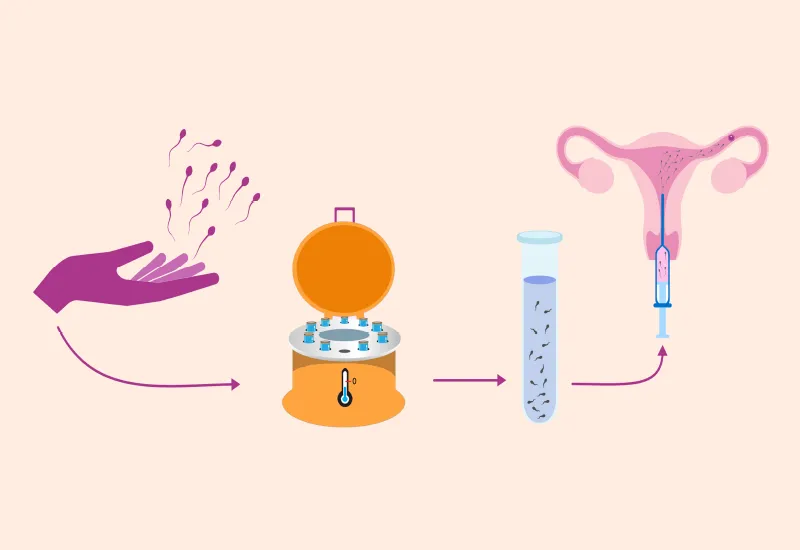
Fertility Preservation for Women with Autoimmune Disorders: A New Frontier
Another option for fertility preservation is ovarian tissue freezing, which involves removing a small piece of the ovary and freezing it for future use. This is a newer technology that is still being researched, but it has shown promising results for women with autoimmune disorders. However, this option may not be suitable for all women, as it requires surgery and carries the risk of damaging the remaining ovary.
The importance of early intervention:
One of the key factors for successful fertility preservation for women with autoimmune disorders is early intervention. It is essential for women to discuss their fertility options with their doctors as soon as possible, even before starting treatment for their autoimmune disorder. This allows for a better understanding of the potential impact of the disorder on fertility and more time to explore and initiate fertility preservation options.
It is also crucial for women to work closely with a team of specialists, including a reproductive endocrinologist and a rheumatologist, to develop a treatment plan that takes into account both their autoimmune disorder and their fertility goals. This interdisciplinary approach can help maximize the chances of successful fertility preservation and future pregnancy.
The cost and accessibility of fertility preservation:
While fertility preservation offers hope for women with autoimmune disorders, it is not without its challenges. One of the major barriers is the cost, as these procedures can be expensive and may not be covered by insurance. The cost of fertility preservation can range from $5,000 to $15,000, and some women may require multiple cycles to retrieve enough eggs or embryos for preservation.
The accessibility of fertility preservation also varies depending on geographical location and the availability of trained specialists. Women living in rural areas or countries with limited resources may not have access to these procedures, making it challenging for them to preserve their fertility.
Conclusion:
Fertility preservation is a new frontier for women with autoimmune disorders, offering them the opportunity to preserve their fertility and hope for starting a family in the future. With advancements in technology and early intervention, women with these conditions can now have more control over their reproductive choices. However, there are still barriers and challenges that need to be addressed to make fertility preservation more accessible and affordable for all women.
In conclusion, fertility preservation is an essential aspect of care for women with autoimmune disorders. It not only offers them the chance to have a biological child but also provides a sense of control and empowerment over their bodies. As research and technology continue to advance, we can hope for even more options and improvements in fertility preservation for these women.