Title: Fertility Preservation and Egg Freezing: What You Need to Know
In recent years, there has been a significant increase in the number of women choosing to delay having children. Whether it’s due to career advancements, financial stability, or simply not finding the right partner, more and more women are waiting until their 30s or even 40s to start a family. However, as women age, their fertility declines, making it more difficult to conceive naturally. This is where fertility preservation and egg freezing come into play.
Fertility preservation is the process of preserving a woman’s eggs, sperm, or embryos for future use. It allows women to freeze their eggs at a younger age when they are most fertile, giving them the option to use them later in life when they are ready to start a family. Egg freezing, also known as oocyte cryopreservation, is a specific type of fertility preservation where a woman’s eggs are retrieved, frozen, and stored for later use.
Why Consider Fertility Preservation and Egg Freezing?
There are various reasons why women may consider fertility preservation and egg freezing. As mentioned earlier, one of the main reasons is to delay childbearing. With the advancement of technology and medical procedures, women now have the option to preserve their fertility and have children later in life. This can be particularly beneficial for women who are focusing on their careers or have not yet found the right partner.
Another reason to consider fertility preservation and egg freezing is for medical purposes. Women who are undergoing treatments such as chemotherapy or radiation for cancer may choose to freeze their eggs beforehand to preserve their fertility. These treatments can damage the reproductive organs and affect a woman’s ability to conceive naturally.
The Process of Egg Freezing
The process of egg freezing involves several steps and can take several weeks to complete. First, a woman will undergo hormonal stimulation to produce multiple eggs. This involves daily injections of fertility drugs for about 10-12 days. During this time, the woman’s hormone levels will be closely monitored through blood tests and ultrasounds.
Once the eggs have reached maturity, they are retrieved through a minor surgical procedure called egg retrieval. This is done under sedation, and a needle is inserted into the ovaries to collect the eggs. The retrieved eggs are then frozen through a process called vitrification, which involves rapidly freezing the eggs to prevent ice crystals from forming and damaging them.
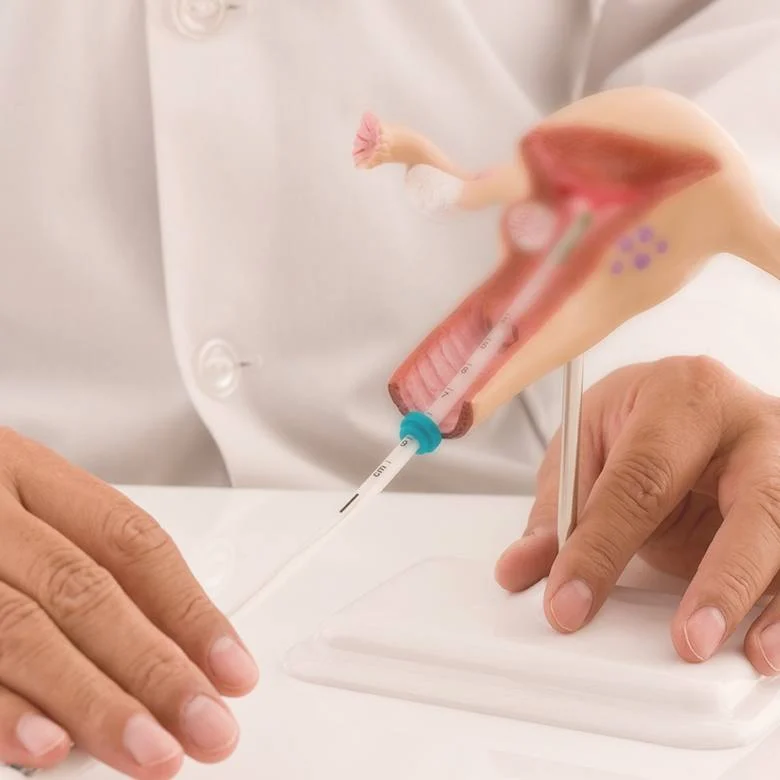
Fertility Preservation and Egg Freezing: What You Need to Know
Storing and Using Frozen Eggs
The frozen eggs are then stored in a specialized facility, also known as a cryopreservation bank, until the woman is ready to use them. The eggs can be stored for many years, and there is no limit to how long they can be kept frozen. When a woman is ready to use her frozen eggs, they are thawed and fertilized with sperm in a laboratory. The resulting embryos are then transferred to the woman’s uterus, where they will hopefully implant and result in a pregnancy.
Risks and Success Rates
Like any medical procedure, there are risks associated with fertility preservation and egg freezing. The hormonal stimulation used to produce multiple eggs can cause side effects such as bloating, mood swings, and ovarian hyperstimulation syndrome (OHSS). However, these side effects are usually temporary and can be managed with medication.
The success rates of egg freezing vary depending on several factors such as the woman’s age and the number and quality of the frozen eggs. Generally, the younger a woman is when she freezes her eggs, the higher the success rate. According to the American Society for Reproductive Medicine, the pregnancy rate from egg freezing ranges from 30-60% for women under 35 years old and decreases with age.
Cost of Fertility Preservation and Egg Freezing
The cost of fertility preservation and egg freezing can vary depending on a variety of factors such as location, clinic, and individual circumstances. The average cost of egg freezing in the United States is around $10,000-$12,000, but this does not include the cost of medications, storage, and future procedures to use the frozen eggs.
It’s important to note that some insurance companies may cover the cost of fertility preservation for medical reasons, such as cancer treatment. However, coverage for elective fertility preservation, such as delaying childbearing, is not as common. It’s essential to check with your insurance provider to understand what is covered and what is not.
In conclusion, fertility preservation and egg freezing can be a viable option for women who want to delay childbearing or preserve their fertility for medical reasons. It’s essential to understand the process, risks, and success rates before making a decision. It’s also crucial to consider the cost and whether it is a feasible option for your individual circumstances. Consult with a fertility specialist to discuss your options and to determine if fertility preservation and egg freezing are right for you.