Blog Post:
As society becomes more understanding and accepting of the transgender community, there has been a growing need for fertility preservation options for transgender individuals. Fertility preservation, also known as cryopreservation, is the process of freezing and storing reproductive cells or tissue for future use. For transgender individuals who wish to transition, this can be a crucial step in maintaining their ability to have biological children in the future. However, there are still many barriers that exist when it comes to fertility preservation for transgender individuals. In this blog post, we will discuss the importance of fertility preservation for transgender individuals and the barriers that need to be broken in order to provide equal access to this essential service.
The Importance of Fertility Preservation for Transgender Individuals:
For many transgender individuals, the process of transitioning involves taking hormone therapy, which can have a significant impact on their fertility. Hormone therapy can cause a decrease in sperm production or the cessation of ovulation, making it difficult or even impossible to conceive naturally in the future. This can be a major source of distress for transgender individuals who wish to have biological children.
Furthermore, for transgender individuals who undergo gender-affirming surgeries, such as a hysterectomy or orchiectomy, their reproductive organs are permanently removed, eliminating any chance of conceiving naturally. For these reasons, fertility preservation is crucial for transgender individuals who wish to have biological children in the future.
Breaking Barriers:
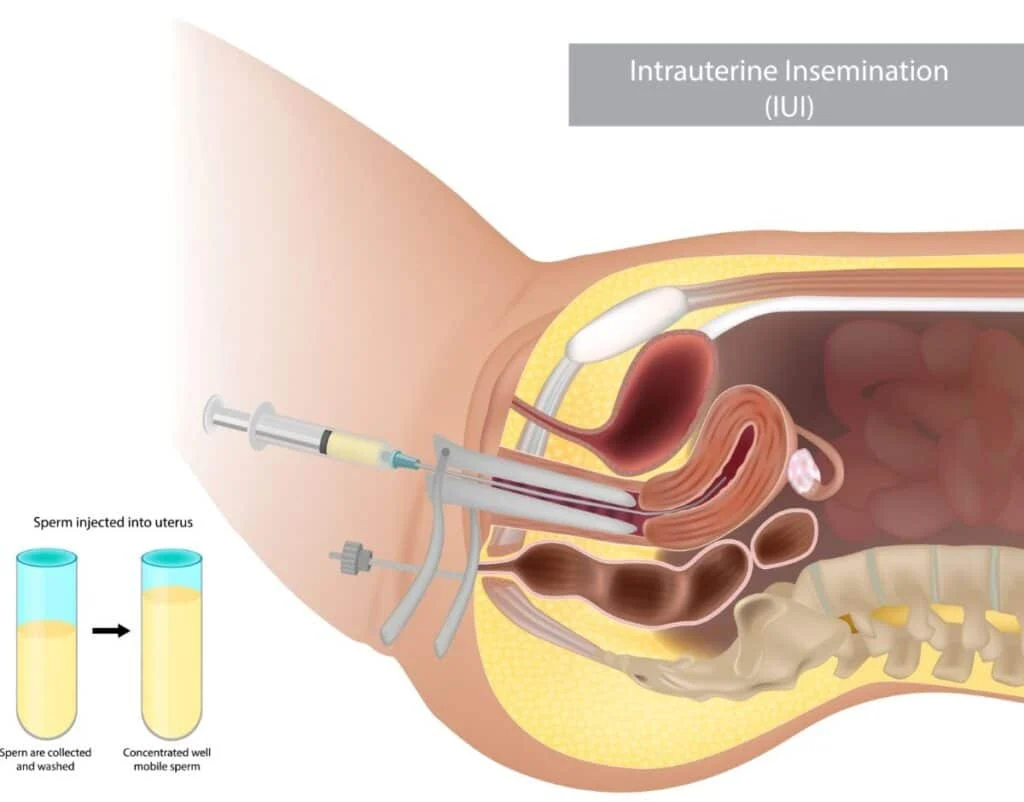
Fertility Preservation for Transgender Individuals: Breaking Barriers
Despite the importance of fertility preservation for transgender individuals, there are still many barriers that exist, preventing them from accessing this service. One of the main barriers is the lack of awareness and understanding among healthcare providers. Many doctors and fertility specialists are not knowledgeable about the specific needs of transgender individuals when it comes to fertility preservation. This can lead to misgendering, discrimination, and denial of services, making it difficult for transgender individuals to access the care they need.
Moreover, there is a lack of standardized protocols and guidelines for fertility preservation for transgender individuals. Each case is unique, and there is no one-size-fits-all approach when it comes to fertility preservation for this community. This lack of standardization can lead to confusion and delays in accessing the necessary services.
Another significant barrier is the cost associated with fertility preservation. The process can be expensive, and many insurance companies do not cover it, making it unaffordable for many transgender individuals. This financial burden can be especially challenging for those who may already be facing discrimination and limited job opportunities due to their gender identity.
Breaking the barriers that exist in fertility preservation for transgender individuals requires a multidisciplinary approach. Healthcare providers must be educated and trained in the specific needs of this community. There also needs to be the development of standardized protocols and guidelines to ensure equal access to fertility preservation services. Additionally, insurance companies need to recognize the importance of fertility preservation for transgender individuals and provide coverage for this essential service.
Conclusion:
Fertility preservation is a vital aspect of healthcare for transgender individuals. It allows them to maintain the possibility of having biological children in the future, which can be a significant source of comfort and hope. However, there are still many barriers that exist, making it challenging for transgender individuals to access this service. It is crucial for healthcare providers, policymakers, and insurance companies to work together to break these barriers and ensure equal access to fertility preservation for transgender individuals.
In conclusion, fertility preservation for transgender individuals is an essential service that needs to be accessible and affordable for all. By breaking the barriers that exist, we can provide hope and support for the transgender community and their desire to have biological children in the future.