Tag: fertility specialist

  • Intrauterine Insemination vs Intracervical Insemination: Which is Right for You?

    Intrauterine Insemination vs Intracervical Insemination: Which is Right for You?

    Intrauterine insemination (IUI) and intracervical insemination (ICI) are two common fertility treatments that involve the introduction of sperm into the female reproductive system. These procedures are often recommended for individuals or couples who are struggling to conceive naturally. While both IUI and ICI have the same goal, there are some key differences between the two that can influence which one is the right choice for you.

    In this blog post, we will explore the similarities and differences between IUI and ICI, as well as the factors to consider when deciding which one is the best option for you.

    What is Intrauterine Insemination (IUI)?

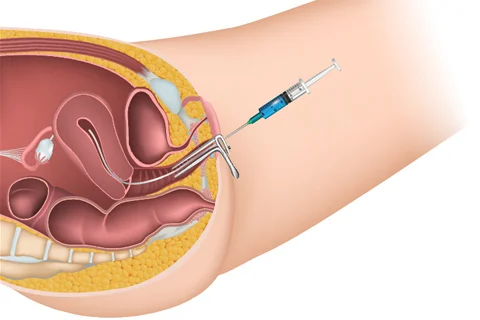
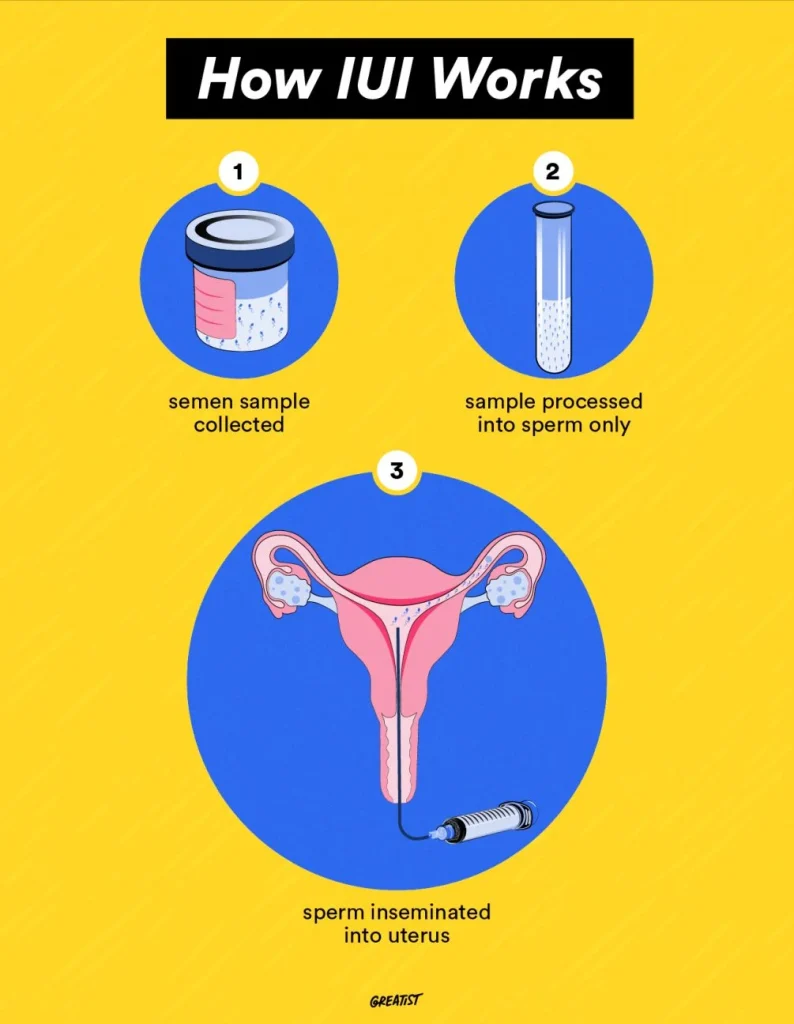
    Intrauterine insemination, also known as artificial insemination, is a relatively simple and minimally invasive procedure that involves placing washed and concentrated sperm directly into the uterus. This is typically done around the time of ovulation, when the chances of fertilization are highest.

    IUI is often recommended for couples with unexplained infertility, mild male factor infertility, or for single women or same-sex couples using donor sperm. It can also be used in conjunction with fertility drugs to increase the chances of success.

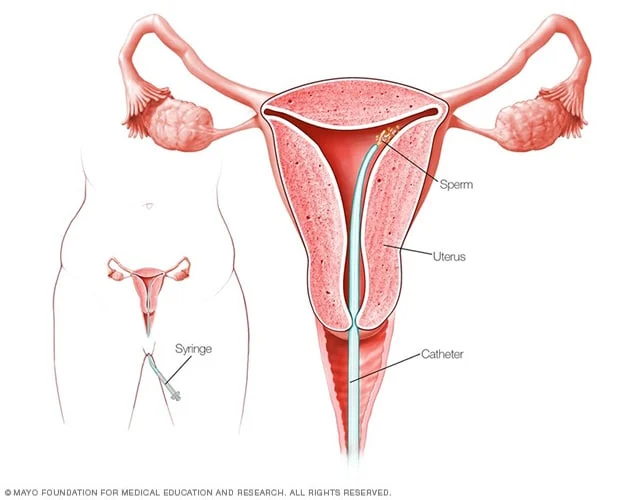
    The IUI process begins with the collection and washing of sperm. The sperm is then inserted into the uterus using a thin catheter, which is usually painless and only takes a few minutes. After the procedure, the woman is advised to rest for a short time before resuming normal activities.

    What is Intracervical Insemination (ICI)?

    Intracervical insemination, also known as cervical insemination, is a fertility treatment that involves placing washed and concentrated sperm into the cervix. Unlike IUI, which deposits the sperm directly into the uterus, ICI places the sperm at the entrance of the cervix, allowing it to swim through the cervical mucus and reach the uterus on its own.

    ICI is often recommended for couples with mild male factor infertility, or for single women or same-sex couples using donor sperm. It is also a more affordable option compared to IUI, as it does not require specialized equipment or a medical professional to perform the procedure.

    The ICI process is similar to IUI, with the main difference being the placement of the sperm. The sperm is collected and washed, and then inserted into the cervix using a needleless syringe. This can be done at home or in a clinical setting and does not usually require any anesthesia.
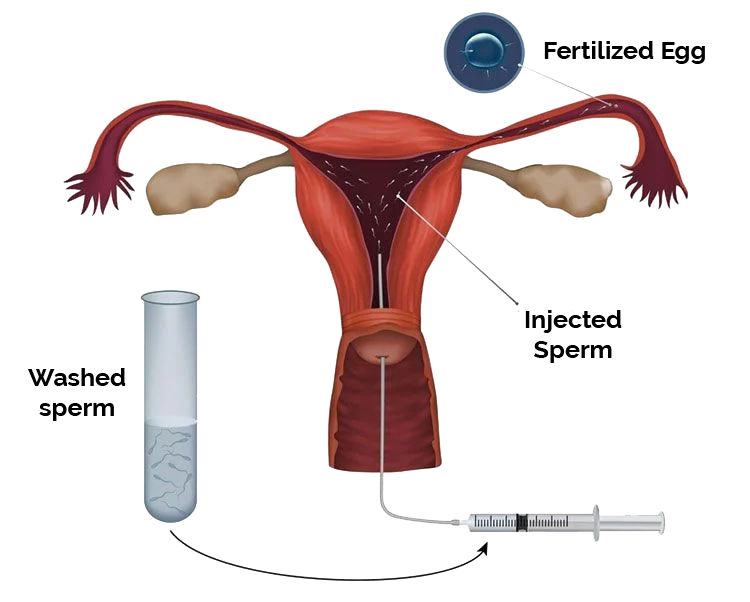
    diagram of the female reproductive system with an IUI syringe and test tube for artificial insemination

    Intrauterine Insemination vs Intracervical Insemination: Which is Right for You?

    Comparing IUI and ICI: Similarities and Differences

    Both IUI and ICI involve the introduction of washed and concentrated sperm into the female reproductive system, but there are some key differences between the two procedures.

    – Method of sperm placement: As mentioned, the main difference between IUI and ICI is the method of sperm placement. While IUI places the sperm directly into the uterus, ICI places it into the cervix. This slight difference can affect the efficiency of the procedure, as the sperm has a shorter distance to swim in IUI compared to ICI.

    – Timing of procedure: IUI is typically done around the time of ovulation, while ICI can be done at any time during the woman’s menstrual cycle. This is because the sperm is placed closer to the egg in IUI, increasing the chances of fertilization.

    – Cost: ICI is generally a more affordable option compared to IUI, as it does not require specialized equipment or a medical professional to perform the procedure. This can be a deciding factor for individuals or couples who are on a budget.

    – Success rates: Both IUI and ICI have similar success rates, with an average success rate of 10-20% per cycle. However, the success rates can vary depending on factors such as the age of the woman, the quality of the sperm, and the timing of the procedure.

    Which One is Right for You?

    When deciding between IUI and ICI, it is important to consult with a fertility specialist who can evaluate your individual situation and recommend the best course of treatment. However, there are some factors that you can consider when making this decision.

    – Underlying fertility issues: If you or your partner have underlying fertility issues, such as blocked fallopian tubes or severe male factor infertility, IUI may be a more suitable option as it places the sperm directly into the uterus.

    – Cost: If cost is a major factor for you, ICI may be a more affordable option. However, it is important to note that IUI may have a higher success rate, which can ultimately save you money in the long run.

    – Personal preference: Some individuals or couples may feel more comfortable with one procedure over the other. For example, some may prefer the convenience and privacy of doing ICI at home, while others may prefer the medical setting of IUI.

    In summary, IUI and ICI are both effective fertility treatment options that can increase the chances of conception for individuals or couples struggling to conceive. While they have some similarities, they also have key differences that can influence which one is the right choice for you. It is important to consult with a fertility specialist and consider factors such as cost, underlying fertility issues, and personal preference when deciding between IUI and ICI.
  • Understanding the Process: Intrauterine Insemination vs Intracervical Insemination

    Understanding the Process: Intrauterine Insemination vs Intracervical Insemination

    For couples struggling with infertility, there are various options available to help them conceive. Intrauterine insemination (IUI) and intracervical insemination (ICI) are two commonly used procedures that can increase the chances of pregnancy. While these two methods may sound similar, there are important differences between them that couples should understand before making a decision. In this blog post, we will dive into the process of IUI and ICI, including how they work, their success rates, and which one may be the best option for you and your partner.

    What is Intrauterine Insemination (IUI)?

    Intrauterine insemination, also known as artificial insemination, is a fertility treatment that involves placing sperm directly into a woman’s uterus during ovulation. This procedure is usually recommended for couples who have been trying to conceive for at least a year with no success, or for those with certain fertility issues such as low sperm count or cervical mucus abnormalities.

    The IUI process begins with a fertility specialist monitoring the woman’s menstrual cycle to determine the best time for insemination. This is usually around the time of ovulation when the woman’s body releases an egg. The male partner will then provide a semen sample, which is washed and prepared in a laboratory to separate the healthiest and most active sperm from the rest. The prepared sperm is then inserted into the woman’s uterus using a thin catheter.

    What is Intracervical Insemination (ICI)?

    Intracervical insemination is another form of artificial insemination that involves placing sperm inside the cervix, rather than directly into the uterus. This procedure is typically used when the male partner has difficulties producing a semen sample, or when there are no male partners involved and donor sperm is being used.

    Similar to IUI, ICI also requires the woman to be monitored for ovulation. The sperm is collected and prepared in the same way as in IUI, but instead of being inserted into the uterus, it is placed in the cervix using a syringe or a cervical cap. This allows the sperm to swim up into the uterus and potentially fertilize an egg.

    Key Differences Between IUI and ICI

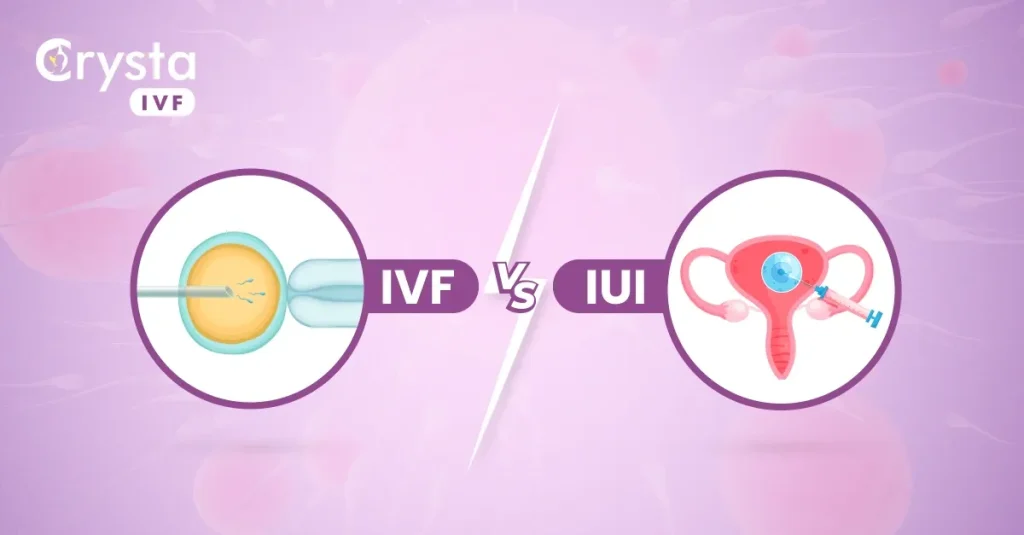
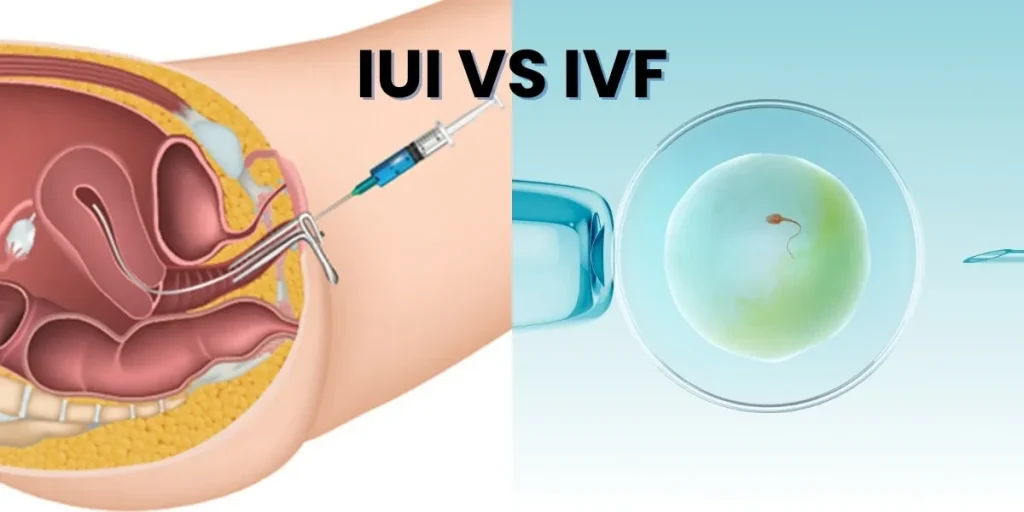
    comparison of IUI and IVF fertility treatments with illustrations of procedures and a petri dish with an egg and sperm

    Understanding the Process: Intrauterine Insemination vs Intracervical Insemination

    There are a few key differences between IUI and ICI that couples should be aware of when considering these procedures. One major difference is the location of the sperm placement. In IUI, the sperm is inserted directly into the uterus, while in ICI, it is placed in the cervix. This can affect the success rates of each procedure, as sperm has a shorter distance to travel in IUI, increasing the chances of fertilization.

    Another difference is the preparation of the sperm. In IUI, the sperm is washed and prepared in a laboratory, which removes any dead or slow-moving sperm and increases the concentration of healthy sperm. In ICI, the sperm is not washed, which can lead to a higher concentration of slower sperm and a lower success rate.

    Success Rates of IUI and ICI

    The success rates of IUI and ICI vary and can depend on various factors such as age, fertility issues, and sperm quality. According to a study published in the Journal of Obstetrics and Gynaecology Canada, the success rate of IUI is around 10-20% per cycle, while the success rate of ICI is approximately 10% per cycle. These success rates can increase with multiple cycles of treatment.

    Which One is Right for You?

    Deciding between IUI and ICI can be a difficult decision for couples struggling with infertility. It is important to consult with a fertility specialist who can evaluate your specific situation and recommend the best course of treatment. Factors such as age, fertility issues, and personal preferences should all be taken into consideration when choosing between IUI and ICI.

    In general, IUI is recommended for couples with mild fertility issues, while ICI may be a better option for couples with more severe fertility problems. It is also important to note that IUI is usually more expensive than ICI, as it involves more steps and procedures.

    In conclusion, both IUI and ICI are effective methods of artificial insemination that can help couples struggling with infertility to conceive. While there are similarities between the two procedures, understanding the key differences can help couples make an informed decision about which one is the best option for them.

    Summary:

    Intrauterine insemination (IUI) and intracervical insemination (ICI) are two common procedures used to increase the chances of pregnancy for couples struggling with infertility. IUI involves placing sperm directly into the uterus, while ICI involves placing sperm in the cervix. Success rates for both procedures vary, and it is important to consult with a fertility specialist to determine the best option based on individual circumstances. Factors such as age, fertility issues, and personal preferences should all be taken into consideration when choosing between IUI and ICI.

  • In Vitro Fertilization vs Natural Conception: Weighing the Options for Male and Female Factor Infertility

    In Vitro Fertilization (IVF) and natural conception are two methods of achieving pregnancy, but they differ in their approach and success rates. While natural conception is the traditional way of conceiving a child, IVF has become a popular option for couples facing male and female factor infertility. In this blog post, we will explore the differences between IVF and natural conception, and weigh the options for couples struggling with infertility.

    Firstly, let’s understand what IVF and natural conception are. Natural conception is the process of fertilization that occurs when sperm from a man fertilizes an egg from a woman, inside her body. This typically happens during sexual intercourse. On the other hand, IVF involves fertilizing an egg with sperm in a laboratory setting, and then transferring the resulting embryo into the woman’s uterus for implantation.

    For couples struggling with male and female factor infertility, IVF offers a higher chance of success compared to natural conception. In cases of male infertility, such as low sperm count or poor sperm quality, IVF allows for the selection of the healthiest sperm for fertilization. This increases the chances of a successful pregnancy. Similarly, in cases of female infertility, IVF can bypass any issues with the woman’s reproductive organs, allowing for fertilization to occur outside the body.

    Another advantage of IVF is the ability to use donated sperm or eggs, which can be helpful for same-sex couples or individuals with fertility issues. This option also provides the opportunity for a surrogate to carry the pregnancy if the woman is unable to do so.

    However, IVF also comes with its own set of challenges and considerations. The process can be physically and emotionally demanding for the woman, as it involves taking fertility medications and undergoing invasive procedures. Additionally, IVF can be costly, with the average cost of one cycle ranging from $10,000 to $15,000. This can be a significant barrier for couples who are unable to afford multiple cycles.

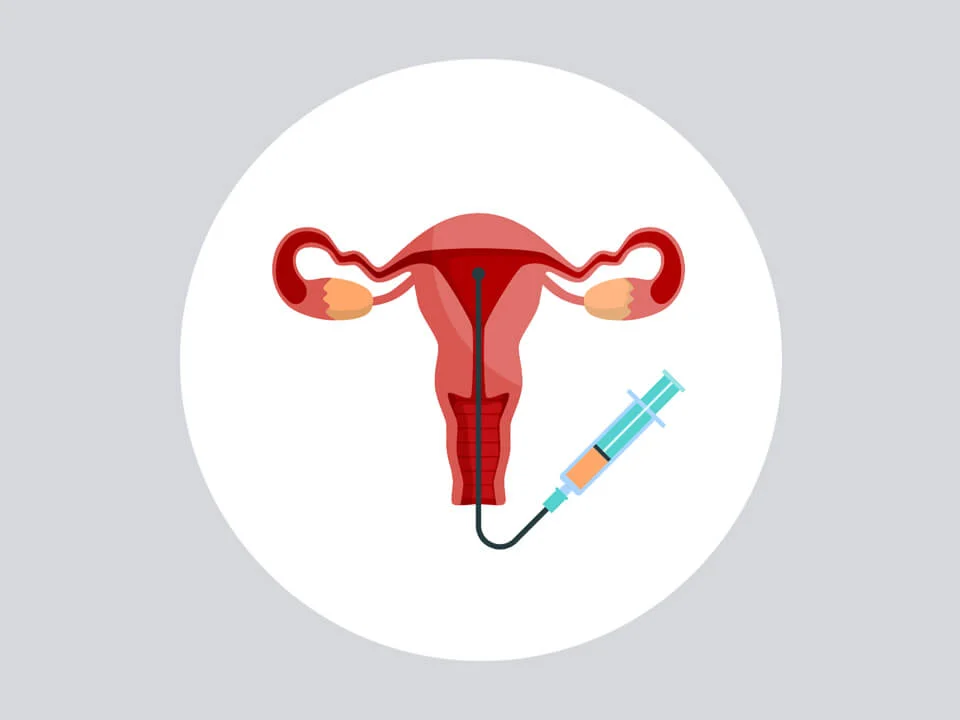
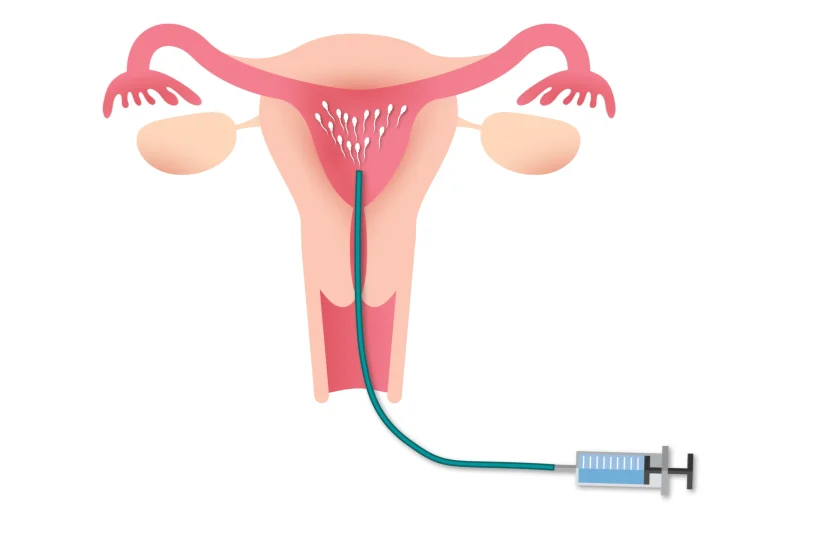
    diagram of a uterus with a syringe for intrauterine insemination procedure

    In Vitro Fertilization vs Natural Conception: Weighing the Options for Male and Female Factor Infertility

    Natural conception, on the other hand, is a more affordable option and does not require any medical interventions. It also allows for a more natural and intimate experience for the couple. However, the success rate of natural conception decreases with age, as women’s fertility declines after the age of 35. This can be a significant factor for couples who are trying to conceive later in life.

    Moreover, natural conception may not be an option for couples with certain medical conditions or fertility issues. In such cases, IVF may be the only way for them to have a biological child.

    It is essential for couples to carefully weigh their options and consult with a fertility specialist to determine the best course of action for their specific situation. Factors such as age, overall health, and the cause of infertility should be taken into consideration when deciding between IVF and natural conception.

    In conclusion, IVF and natural conception are two viable options for couples facing male and female factor infertility. IVF offers a higher success rate, the ability to use donated sperm or eggs, and can bypass certain fertility issues. Natural conception, on the other hand, is a more affordable and natural option, but may not be suitable for certain couples or individuals. Ultimately, the decision should be made after careful consideration and guidance from a fertility specialist.

    In summary, IVF and natural conception are two methods of achieving pregnancy that differ in their approach and success rates. IVF offers a higher chance of success for couples facing male and female factor infertility, but it comes with its own challenges and considerations. Natural conception, while more affordable and natural, may not be an option for certain couples or individuals. Careful consideration and guidance from a fertility specialist is crucial in making the best decision for each individual situation.

  • Finding the Right Specialist: Choosing a Doctor for Male and Female Factor Infertility Treatments

    Summary:

    illustration of intrauterine insemination procedure with a syringe and catheter in the uterus.

    Finding the Right Specialist: Choosing a Doctor for Male and Female Factor Infertility Treatments

    Infertility is a common issue faced by many couples, and it can be caused by both male and female factors. When seeking treatment for infertility, it is crucial to find the right specialist who can address both partners’ needs effectively. In this blog post, we will discuss how to choose a doctor for male and female factor infertility treatments. We will cover the importance of seeking a specialist, the types of specialists available, and the factors to consider when making a decision. By following these tips, you can find a doctor who can help you and your partner on your journey to parenthood.

  • Fertility Facts: Debunking Myths About Male and Female Factor Treatments

    Blog Post: Fertility Facts: Debunking Myths About Male and Female Factor Treatments

    Fertility is a topic that is often shrouded in myths and misconceptions, especially when it comes to male and female factor treatments. Many couples struggling to conceive may feel overwhelmed and confused by the conflicting information out there. In this blog post, we will explore some of the most common fertility myths and debunk them with facts about male and female factor treatments.

    Myth #1: Fertility Issues are Only a Woman’s Problem

    One of the most common misconceptions about fertility is that it is solely the woman’s responsibility to conceive. While it is true that women play a significant role in the process, fertility issues can also arise from male factors. In fact, 1 in 3 cases of infertility is due to male factors alone, and in another 1 in 3 cases, both male and female factors contribute to the problem.

    Male fertility issues can include low sperm count, poor sperm motility, and abnormal sperm morphology. These issues can be caused by various factors such as hormonal imbalances, genetic conditions, and lifestyle choices. It is essential for both partners to undergo fertility testing to determine the root cause of their infertility and receive appropriate treatment.

    Myth #2: Fertility Problems are Rare

    Another misconception about fertility is that it is a rare problem. However, the reality is that infertility affects around 1 in 8 couples worldwide. It is a common issue that can be caused by various factors, including age, health conditions, and lifestyle choices. It is crucial for couples to seek help if they have been trying to conceive for over a year without success.

    Myth #3: Infertility is Always a Woman’s Fault

    Infertility is not a woman’s fault, and it is not something that can be controlled. Many factors contribute to fertility problems, including age, health conditions, and genetics. While women are often blamed for infertility, the truth is that it is a shared responsibility between both partners. It is essential to approach fertility as a team and support each other throughout the process.

    Myth #4: Fertility Treatment is Only for Women

    Another myth surrounding fertility is that treatment is only available for women. However, advancements in technology have made it possible for men to receive treatments for their fertility issues. Male factor treatments include lifestyle changes, medication, surgery, and assisted reproductive techniques such as intrauterine insemination (IUI) and in vitro fertilization (IVF). It is crucial for men to seek professional help if they are experiencing fertility problems.

    Myth #5: IVF is the Only Option for Infertility

    Comparison of IVF and IUI procedures with illustrations of each method.

    Fertility Facts: Debunking Myths About Male and Female Factor Treatments

    In vitro fertilization (IVF) is a well-known fertility treatment that involves fertilizing an egg with sperm in a lab and then transferring the embryo into the woman’s uterus. While IVF has a high success rate, it is not the only option for couples struggling with infertility. Depending on the cause of infertility, other treatments such as medication, surgery, and intrauterine insemination (IUI) may be recommended by a fertility specialist. It is essential to consult with a specialist to determine the best course of treatment for each individual case.

    Myth #6: Fertility Treatment is Always Expensive

    The cost of fertility treatment varies depending on the type of treatment, location, and individual circumstances. While some treatments can be costly, there are also affordable options available, such as medication and lifestyle changes. Many fertility clinics also offer financing options and discounts to make treatment more accessible to couples.

    Myth #7: Fertility Treatment Always Results in Multiple Births

    One of the most common fears about fertility treatment is the risk of multiple births. While it is true that some treatments, such as IVF, can increase the chances of multiple births, it is not always the case. With advancements in technology and medical protocols, fertility specialists can now control and monitor the number of embryos transferred to reduce the risk of multiple births.

    Myth #8: Age Does Not Affect Male Fertility

    While women are often warned about the impact of age on their fertility, men are often left out of the conversation. The truth is that age does play a role in male fertility. As men age, their sperm quality and quantity decrease, making it more challenging to conceive. It is crucial for couples to be aware of this and seek help if they have been trying to conceive for over a year.

    Myth #9: Lifestyle Choices Do Not Affect Fertility

    Many lifestyle choices can have a significant impact on fertility for both men and women. These choices include smoking, excessive alcohol consumption, drug use, and a poor diet. These habits can affect hormone levels, sperm quality, and overall reproductive health. It is essential for couples to make healthy lifestyle choices to improve their chances of conceiving.

    Myth #10: Fertility Treatment is Guaranteed to Work

    While fertility treatment has a high success rate, it is not a guarantee. The success of treatment depends on various factors, including the cause of infertility, age, and overall health. It is essential for couples to have realistic expectations and be prepared for multiple treatment cycles if needed.

    In conclusion, there are many myths surrounding male and female factor treatments for fertility. It is essential for couples to educate themselves and seek help from a fertility specialist to receive accurate information and appropriate treatment. Remember, fertility is a shared responsibility, and it is crucial to support each other through the journey.

  • Navigating Male Factor Infertility: A Guide to Treatment Options

    Navigating Male Factor Infertility: A Guide to Treatment Options

    When it comes to infertility, the focus is often on the female partner and her potential fertility issues. However, male factor infertility is just as common and can be a major contributing factor to difficulties conceiving. In fact, it is estimated that male factor infertility is the sole cause or a contributing factor in up to 40% of couples struggling to conceive.

    Male factor infertility refers to any issue that affects a man’s ability to impregnate a woman. This can include low sperm count, poor sperm motility, or abnormal sperm morphology. It can also be caused by medical conditions such as hormonal imbalances, genetic disorders, or structural issues with the reproductive organs. In this blog post, we will explore the various treatment options available for male factor infertility and how to navigate them.

    1. Diagnosis

    The first step in addressing male factor infertility is to undergo a thorough diagnosis. This typically involves a physical examination, semen analysis, and blood tests to check for any underlying medical conditions. It is important to consult with a fertility specialist who can accurately diagnose and determine the cause of male factor infertility. Once a diagnosis is made, the appropriate treatment plan can be developed.

    2. Lifestyle Changes

    In some cases, male factor infertility can be improved by making simple lifestyle changes. This can include quitting smoking, reducing alcohol consumption, and maintaining a healthy weight. Studies have shown that smoking and excessive alcohol intake can negatively impact sperm quality and quantity. Additionally, obesity has been linked to hormonal imbalances and can affect sperm production. Making these lifestyle changes can improve overall health and increase chances of conception.

    3. Medications

    If a hormonal imbalance is the cause of male factor infertility, medications may be prescribed to help regulate hormone levels and improve sperm production. These medications can include clomiphene citrate, human chorionic gonadotropin (hCG), or gonadotropin-releasing hormone (GnRH). However, it is important to note that these medications may have side effects and should only be taken under the guidance of a fertility specialist.

    Illustration of a uterus with a syringe, representing intrauterine insemination (IUI) procedure.

    Navigating Male Factor Infertility: A Guide to Treatment Options

    4. Assisted Reproductive Technologies (ART)

    In cases where male factor infertility cannot be treated with lifestyle changes or medications, assisted reproductive technologies (ART) may be recommended. These procedures can help increase the chances of pregnancy by bypassing any fertility issues. The most common ART procedures for male factor infertility include intrauterine insemination (IUI) and in vitro fertilization (IVF).

    IUI involves placing washed sperm directly into the woman’s uterus during ovulation, while IVF involves retrieving eggs from the female partner and fertilizing them with sperm in a laboratory before transferring the embryos into the uterus. Both procedures have high success rates and can be tailored to meet the specific needs of each couple.

    5. Surgical Interventions

    In some cases, male factor infertility can be treated through surgical interventions. This can include procedures such as varicocele repair, vasectomy reversal, or sperm retrieval. Varicocele repair involves repairing enlarged veins in the scrotum that can affect sperm production. Vasectomy reversal is a procedure to reconnect the male reproductive tract after a previous vasectomy. Sperm retrieval involves obtaining sperm directly from the testicles or epididymis for use in ART procedures.

    6. Donor Sperm

    In cases where there is a total absence of sperm or extremely low sperm count, donor sperm may be an option. This involves using sperm from a donor to fertilize the female partner’s eggs through IUI or IVF. The use of donor sperm is a highly successful option for couples struggling with male factor infertility.

    Navigating male factor infertility can be a challenging and emotional journey for couples. It is important to seek support and guidance from a fertility specialist who can provide accurate diagnosis and personalized treatment options. With the advancements in medical technology, there are many treatment options available to help couples achieve their dream of starting a family.

    In summary, male factor infertility is a common issue that can affect a couple’s ability to conceive. It can be caused by various factors and can be treated through lifestyle changes, medications, ART procedures, surgical interventions, or the use of donor sperm. Seeking the help of a fertility specialist is crucial in navigating the treatment options and increasing the chances of a successful pregnancy.

  • Exploring the Possibilities: Using Frozen Donor Sperm for Future Pregnancy Attempts

    Blog Post:

    When it comes to starting a family, there are many different paths that people take. Some may choose to conceive naturally, while others may need the assistance of fertility treatments. In recent years, frozen donor sperm has become a popular option for those who are struggling with infertility or for same-sex couples looking to start a family. However, frozen donor sperm can also be used for future pregnancy attempts, providing even more possibilities for building a family.

    In this blog post, we will explore the potential of using frozen donor sperm for future pregnancy attempts. We will discuss the process of using frozen donor sperm, the benefits and challenges, and the important considerations to keep in mind.

    The Process of Using Frozen Donor Sperm:

    The use of donor sperm for fertility treatments has been around for decades, but advancements in technology have made it even more accessible and effective. Frozen donor sperm is collected and stored in a sperm bank, where it is carefully screened and tested for any potential health issues. This ensures that the sperm is of high quality and free from any genetic diseases or infections.

    When a person or couple decides to use frozen donor sperm for future pregnancy attempts, they will first need to select a sperm donor. This can be done through a sperm bank or a fertility clinic, where they can browse through profiles of donors and choose one that meets their criteria. The screening process for sperm donors is thorough, and donors are usually required to undergo a physical exam, provide a detailed medical history, and undergo genetic testing.

    Once a donor is selected, the frozen sperm will be shipped to the fertility clinic or stored at the sperm bank until it is needed. When the recipient is ready to use the sperm, it will be thawed and prepared for insemination or in vitro fertilization (IVF) procedures.

    Benefits and Challenges of Using Frozen Donor Sperm for Future Pregnancy Attempts:

    Comparison of IUI and IVF, illustrating procedures and definitions for each fertility treatment.

    Exploring the Possibilities: Using Frozen Donor Sperm for Future Pregnancy Attempts

    One of the biggest benefits of using frozen donor sperm for future pregnancy attempts is the convenience and flexibility it offers. Unlike fresh donor sperm, which must be used immediately after collection, frozen donor sperm can be stored for years, giving individuals or couples the option to plan their family on their own timeline. This can be especially helpful for those who may not be ready to start a family at the moment but want to ensure that they have access to quality sperm in the future.

    Additionally, frozen donor sperm is readily available and can be shipped to any fertility clinic or sperm bank, making it accessible to individuals or couples who may live in areas without a large selection of sperm donors. This also allows for a wider range of donor options, giving recipients the opportunity to find a donor that closely matches their desired characteristics.

    However, using frozen donor sperm for future pregnancy attempts also comes with its own set of challenges. One major challenge is the cost, as storing and using frozen donor sperm can be expensive. There are fees for selecting a donor, storing the sperm, and using it for fertility treatments, which can add up over time.

    Another challenge is the possibility of limited sperm availability. While sperm banks and fertility clinics do their best to ensure that there is enough frozen donor sperm for future use, there is always a chance that a particular donor may run out of stock or be unavailable for other reasons. This can be frustrating for those who have already selected a donor and are hoping to use their sperm for future pregnancies.

    Important Considerations:

    Before deciding to use frozen donor sperm for future pregnancy attempts, there are a few important considerations to keep in mind. First and foremost, it is essential to research and choose a reputable sperm bank or fertility clinic that follows strict screening and testing protocols. This will ensure that the sperm is of high quality and free from any potential health risks.

    It is also important to discuss the use of frozen donor sperm with a fertility specialist to understand the success rates and potential risks involved. Every individual or couple’s situation is unique, and a fertility specialist can provide personalized guidance and recommendations.

    Another consideration is the legal aspect of using frozen donor sperm for future pregnancy attempts. It is crucial to ensure that all legal documents and agreements are in place before proceeding with any fertility treatments. This will protect all parties involved and ensure that the rights and responsibilities of each person are clearly defined.

    In summary, the use of frozen donor sperm for future pregnancy attempts provides individuals and couples with more possibilities for building a family. It offers convenience, flexibility, and a wider range of donor options, but also comes with its own set of challenges and considerations. With proper research, guidance from a fertility specialist, and legal agreements in place, using frozen donor sperm can be a viable option for those looking to start a family.

  • Understanding the Process: At-Home vs Clinic Intrauterine Insemination

    Understanding the Process: At-Home vs Clinic Intrauterine Insemination

    Intrauterine insemination (IUI) is a form of assisted reproductive technology that involves placing sperm directly into the uterus to increase the chances of pregnancy. It is a commonly used fertility treatment option for couples struggling with infertility. However, there are two main options for undergoing IUI – at-home and in-clinic. In this blog post, we will delve into the differences between these two options and help you understand the process of at-home vs clinic intrauterine insemination.

    At-Home Intrauterine Insemination

    At-home intrauterine insemination is a self-administered procedure that can be done in the comfort of your own home. It involves using a specially designed insemination kit that includes a syringe, a catheter, and sperm collection cups. The process starts with the male partner providing a semen sample, which is then collected in the sperm collection cup. The sperm is then transferred into the syringe and inserted into the female partner’s vagina. Using the catheter, the sperm is then inserted into the uterus. This process is repeated during the woman’s ovulation period to increase the chances of fertilization.

    One of the main advantages of at-home intrauterine insemination is the convenience and privacy it offers. Couples can perform the procedure in the comfort of their own home without the need for frequent visits to a fertility clinic. It also allows for a more intimate and personal experience, as the couple can be together during the process. Additionally, at-home insemination can be a more affordable option compared to in-clinic procedures.

    However, there are some limitations to at-home intrauterine insemination. First and foremost, the success rates are comparatively lower than in-clinic procedures, as there is no medical supervision or guidance during the process. There is also a higher risk of contamination and improper handling of the sperm sample, which can significantly decrease the chances of pregnancy. It is also not recommended for couples with certain fertility issues, such as severe male factor infertility or blocked fallopian tubes.

    In-Clinic Intrauterine Insemination

    diagram illustrating intrauterine insemination (IUI) procedure with uterus, sperm, and catheter labeled

    Understanding the Process: At-Home vs Clinic Intrauterine Insemination

    In-clinic intrauterine insemination involves performing the procedure at a fertility clinic under the supervision of a medical professional. The process is similar to at-home insemination, but the sperm sample is prepared and washed in the laboratory before being inserted into the uterus. This process helps to increase the concentration and motility of the sperm, which can improve the chances of fertilization.

    One of the main advantages of in-clinic intrauterine insemination is the guidance and expertise of a fertility specialist. The medical professionals can monitor the woman’s ovulation and determine the best time for the procedure. They can also provide additional treatments, such as fertility drugs, to increase the chances of success. In-clinic insemination also offers a sterile and controlled environment, reducing the risk of contamination and increasing the chances of pregnancy.

    However, in-clinic insemination can be a more expensive option compared to at-home procedures. It also requires multiple visits to the fertility clinic, which can be time-consuming and inconvenient for some couples. Additionally, the process can be emotionally taxing, as it involves medical intervention and may not always result in a successful pregnancy.

    Which Option is Right for You?

    The decision between at-home and in-clinic intrauterine insemination ultimately depends on your individual needs and preferences. Couples with mild fertility issues and a desire for privacy and convenience may opt for at-home insemination. On the other hand, those with more complex fertility issues may benefit from the guidance and expertise of a fertility specialist in a clinical setting.

    It is crucial to consult with a fertility specialist to determine the best option for you. They can assess your medical history, perform fertility tests, and provide personalized recommendations for your treatment. Whichever option you choose, it is essential to follow the instructions carefully and maintain a positive mindset throughout the process.

    Summary:

    Intrauterine insemination (IUI) is a form of assisted reproductive technology that involves placing sperm directly into the uterus to increase the chances of pregnancy. There are two main options for undergoing IUI – at-home and in-clinic. At-home intrauterine insemination is a self-administered procedure that can be done in the comfort of your own home, while in-clinic insemination is performed at a fertility clinic under the supervision of a medical professional. At-home insemination offers convenience and privacy, whereas in-clinic insemination provides the guidance and expertise of a fertility specialist. The decision between the two options depends on individual needs and preferences, and it is crucial to consult with a fertility specialist before making a decision.

  • The Role of Fertility Medications in At-Home Intrauterine Insemination

    Blog Post Title: The Role of Fertility Medications in At-Home Intrauterine Insemination

    Intrauterine insemination (IUI) is a popular fertility treatment method that involves placing sperm directly into a woman’s uterus to increase the chances of fertilization. While it is typically performed in a clinical setting, many couples are now turning to at-home IUI as a more affordable and convenient option. However, there are certain factors that can affect the success rate of at-home IUI, including the use of fertility medications. In this blog post, we will explore the role of fertility medications in at-home intrauterine insemination and how they can impact the chances of achieving a successful pregnancy.

    What are Fertility Medications?

    Fertility medications are drugs that are used to stimulate ovulation or regulate the menstrual cycle in women who are struggling with fertility issues. These medications work by balancing the levels of hormones in the body, which can help improve the chances of conception. There are various types of fertility medications available, and they can be administered in different forms such as pills, injections, or nasal sprays.

    The Role of Fertility Medications in At-Home IUI

    In at-home IUI, the use of fertility medications can play a crucial role in increasing the chances of success. As mentioned earlier, these medications work by stimulating ovulation, which is the release of an egg from the ovary. For women who have irregular or infrequent ovulation, fertility medications can help regulate their menstrual cycle and improve the timing of IUI to coincide with ovulation. This ensures that the sperm is inserted into the uterus at the most optimal time for fertilization to occur.

    Additionally, fertility medications can also help increase the number and quality of eggs produced during ovulation. This is especially beneficial for women who have a low ovarian reserve or poor egg quality, as it can improve their chances of producing a viable egg for fertilization. The more eggs that are available, the higher the chances of success for at-home IUI.

    Types of Fertility Medications Used in At-Home IUI

    There are two main types of fertility medications used in at-home IUI: oral medications and injectable medications.

    illustration explaining the steps of intrauterine insemination (IUI) process on a bright yellow background

    The Role of Fertility Medications in At-Home Intrauterine Insemination

    Oral medications, such as Clomiphene Citrate, work by stimulating the release of follicle-stimulating hormone (FSH) and luteinizing hormone (LH), which are responsible for triggering ovulation. These medications are taken in pill form and are generally well-tolerated by most women. They are also more affordable compared to injectable medications.

    Injectable medications, on the other hand, are more potent and can produce a higher number of eggs. These medications, such as Follicle Stimulating Hormone (FSH) and Human Chorionic Gonadotropin (HCG), are administered through injections and require close monitoring by a fertility specialist. They are typically recommended for women who have not had success with oral medications or have a low response to them.

    The Importance of Monitoring and Dosage in At-Home IUI

    One of the key factors that determine the success of at-home IUI is the proper monitoring and dosage of fertility medications. It is essential to closely monitor the ovulation cycle and adjust the dosage of medications accordingly. This ensures that the eggs are maturing correctly and that ovulation occurs at the right time for IUI to be performed. Without proper monitoring and dosage, there is a risk of ovulating too early or too late, which can significantly decrease the chances of success.

    Risks and Side Effects of Fertility Medications

    Like any medication, fertility medications come with potential risks and side effects. The most common side effects of oral fertility medications include hot flashes, mood swings, and bloating. Injectable medications, on the other hand, can cause more severe side effects such as ovarian hyperstimulation syndrome (OHSS), which can lead to abdominal pain, nausea, and vomiting.

    It is crucial to discuss the potential risks and side effects of fertility medications with a fertility specialist before starting any treatment. They can also provide guidance on how to manage side effects and ensure the safety and effectiveness of the medications.

    In Conclusion

    Fertility medications can play a significant role in increasing the success rate of at-home IUI. They help regulate the menstrual cycle, stimulate ovulation, and improve the quality and quantity of eggs produced. However, it is crucial to seek guidance from a fertility specialist and closely monitor the ovulation cycle to ensure the proper dosage and timing of medications. With the right combination of fertility medications and proper monitoring, at-home IUI can be a successful option for couples seeking to start a family.

    In summary, fertility medications are a vital aspect of at-home IUI and can greatly impact its success rate. They help regulate the menstrual cycle, stimulate ovulation, and improve the quality and quantity of eggs, increasing the chances of pregnancy. Proper monitoring and dosage are crucial for the effectiveness of these medications. It is important to discuss the potential risks and side effects with a fertility specialist to ensure a safe and successful at-home IUI experience.

  • Maximizing Results: Combining At-Home and Clinic Intrauterine Insemination

    Title: Maximizing Results: Combining At-Home and Clinic Intrauterine Insemination

    Intrauterine insemination (IUI) is a common fertility treatment option for couples struggling with infertility. It involves the placement of washed and prepared sperm directly into the uterus during the woman’s ovulation period. While traditionally done in a medical clinic, there is an increasing interest in performing IUI at home.

    At-home IUI involves the same process as clinic IUI, but it allows couples to have more control over the timing and comfort of the procedure. However, there are also potential risks and challenges associated with at-home IUI. In this blog post, we will discuss how combining at-home and clinic IUI can maximize results for couples trying to conceive.

    Benefits of At-Home IUI
    There are several reasons why couples may choose to do at-home IUI. Firstly, it offers a more relaxed and intimate environment for the procedure. For some couples, the clinical setting of a fertility clinic can be overwhelming and cause anxiety. By doing the procedure at home, couples can create a comfortable and familiar atmosphere, which can positively impact their chances of success.

    Secondly, at-home IUI allows for more flexibility in terms of timing. In a clinical setting, couples have to adhere to the clinic’s schedule, which may not align with the woman’s ovulation cycle. By doing the procedure at home, couples can time it more accurately, increasing the chances of successful conception.

    Challenges of At-Home IUI
    While at-home IUI offers many benefits, there are also potential challenges that couples need to consider. Firstly, there is a risk of contamination and infection if the procedure is not done correctly. The sperm must be handled and inserted in a sterile environment to avoid introducing bacteria into the uterus.

    illustration of a uterus with a syringe, representing intrauterine insemination procedure

    Maximizing Results: Combining At-Home and Clinic Intrauterine Insemination

    Additionally, at-home IUI may not be suitable for couples with certain fertility issues, such as low sperm count or motility. In these cases, a clinical setting may be more beneficial as it allows for closer monitoring and potential medical interventions.

    Combining At-Home and Clinic IUI
    To maximize the success of IUI, many fertility experts recommend a combination of at-home and clinic IUI. This approach takes advantage of the benefits of both methods while minimizing the risks and challenges.

    The first step in combining at-home and clinic IUI is to seek guidance from a fertility specialist. They can assess the couple’s individual situation and determine if at-home IUI is a suitable option. They can also provide instructions and support for the at-home procedure, ensuring it is done correctly and safely.

    Next, the couple can use ovulation predictor kits to determine the timing of the procedure accurately. This method involves tracking the woman’s hormone levels to determine when she is most fertile. By using these kits, couples can time the at-home IUI procedure more accurately, increasing the chances of success.

    Finally, after the at-home IUI procedure, the couple can go to the clinic for a follow-up visit. This visit allows the fertility specialist to monitor the woman’s hormone levels and uterine lining, as well as confirm if the procedure was successful. If needed, they can also provide additional medical interventions to increase the chances of conception.

    In conclusion, combining at-home and clinic IUI can maximize results for couples struggling with infertility. It offers the comfort and flexibility of at-home IUI while also allowing for close monitoring and potential medical interventions of clinic IUI. However, it is essential to seek guidance from a fertility specialist and follow instructions carefully to ensure the safety and success of the procedure.