Understanding the Process: Intrauterine Insemination vs Intracervical Insemination
For couples struggling with infertility, there are various options available to help them conceive. Intrauterine insemination (IUI) and intracervical insemination (ICI) are two commonly used procedures that can increase the chances of pregnancy. While these two methods may sound similar, there are important differences between them that couples should understand before making a decision. In this blog post, we will dive into the process of IUI and ICI, including how they work, their success rates, and which one may be the best option for you and your partner.
What is Intrauterine Insemination (IUI)?
Intrauterine insemination, also known as artificial insemination, is a fertility treatment that involves placing sperm directly into a woman’s uterus during ovulation. This procedure is usually recommended for couples who have been trying to conceive for at least a year with no success, or for those with certain fertility issues such as low sperm count or cervical mucus abnormalities.
The IUI process begins with a fertility specialist monitoring the woman’s menstrual cycle to determine the best time for insemination. This is usually around the time of ovulation when the woman’s body releases an egg. The male partner will then provide a semen sample, which is washed and prepared in a laboratory to separate the healthiest and most active sperm from the rest. The prepared sperm is then inserted into the woman’s uterus using a thin catheter.
What is Intracervical Insemination (ICI)?
Intracervical insemination is another form of artificial insemination that involves placing sperm inside the cervix, rather than directly into the uterus. This procedure is typically used when the male partner has difficulties producing a semen sample, or when there are no male partners involved and donor sperm is being used.
Similar to IUI, ICI also requires the woman to be monitored for ovulation. The sperm is collected and prepared in the same way as in IUI, but instead of being inserted into the uterus, it is placed in the cervix using a syringe or a cervical cap. This allows the sperm to swim up into the uterus and potentially fertilize an egg.
Key Differences Between IUI and ICI
Understanding the Process: Intrauterine Insemination vs Intracervical Insemination
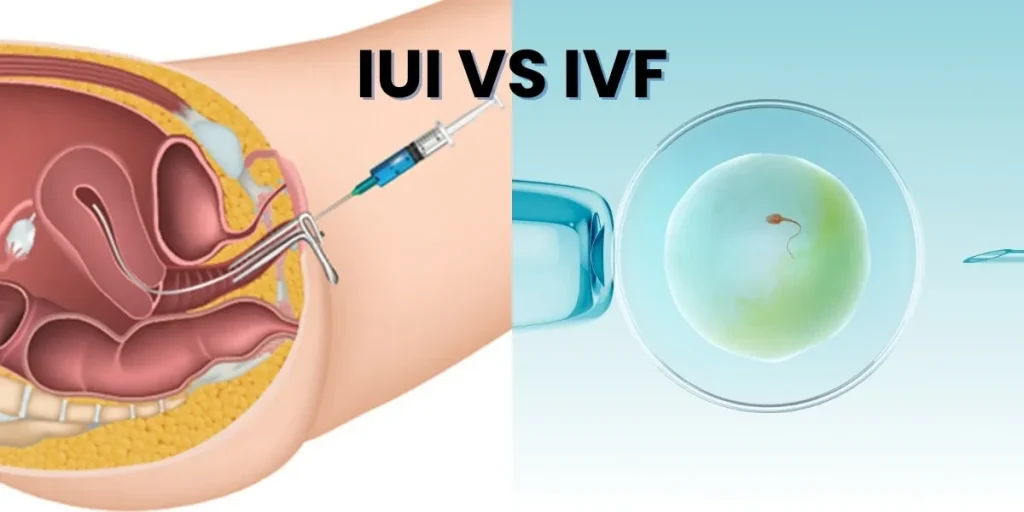
There are a few key differences between IUI and ICI that couples should be aware of when considering these procedures. One major difference is the location of the sperm placement. In IUI, the sperm is inserted directly into the uterus, while in ICI, it is placed in the cervix. This can affect the success rates of each procedure, as sperm has a shorter distance to travel in IUI, increasing the chances of fertilization.
Another difference is the preparation of the sperm. In IUI, the sperm is washed and prepared in a laboratory, which removes any dead or slow-moving sperm and increases the concentration of healthy sperm. In ICI, the sperm is not washed, which can lead to a higher concentration of slower sperm and a lower success rate.
Success Rates of IUI and ICI
The success rates of IUI and ICI vary and can depend on various factors such as age, fertility issues, and sperm quality. According to a study published in the Journal of Obstetrics and Gynaecology Canada, the success rate of IUI is around 10-20% per cycle, while the success rate of ICI is approximately 10% per cycle. These success rates can increase with multiple cycles of treatment.
Which One is Right for You?
Deciding between IUI and ICI can be a difficult decision for couples struggling with infertility. It is important to consult with a fertility specialist who can evaluate your specific situation and recommend the best course of treatment. Factors such as age, fertility issues, and personal preferences should all be taken into consideration when choosing between IUI and ICI.
In general, IUI is recommended for couples with mild fertility issues, while ICI may be a better option for couples with more severe fertility problems. It is also important to note that IUI is usually more expensive than ICI, as it involves more steps and procedures.
In conclusion, both IUI and ICI are effective methods of artificial insemination that can help couples struggling with infertility to conceive. While there are similarities between the two procedures, understanding the key differences can help couples make an informed decision about which one is the best option for them.
Summary:
Intrauterine insemination (IUI) and intracervical insemination (ICI) are two common procedures used to increase the chances of pregnancy for couples struggling with infertility. IUI involves placing sperm directly into the uterus, while ICI involves placing sperm in the cervix. Success rates for both procedures vary, and it is important to consult with a fertility specialist to determine the best option based on individual circumstances. Factors such as age, fertility issues, and personal preferences should all be taken into consideration when choosing between IUI and ICI.