In Vitro Fertilization (IVF) and natural conception are two methods of achieving pregnancy, but they differ in their approach and success rates. While natural conception is the traditional way of conceiving a child, IVF has become a popular option for couples facing male and female factor infertility. In this blog post, we will explore the differences between IVF and natural conception, and weigh the options for couples struggling with infertility.
Firstly, let’s understand what IVF and natural conception are. Natural conception is the process of fertilization that occurs when sperm from a man fertilizes an egg from a woman, inside her body. This typically happens during sexual intercourse. On the other hand, IVF involves fertilizing an egg with sperm in a laboratory setting, and then transferring the resulting embryo into the woman’s uterus for implantation.
For couples struggling with male and female factor infertility, IVF offers a higher chance of success compared to natural conception. In cases of male infertility, such as low sperm count or poor sperm quality, IVF allows for the selection of the healthiest sperm for fertilization. This increases the chances of a successful pregnancy. Similarly, in cases of female infertility, IVF can bypass any issues with the woman’s reproductive organs, allowing for fertilization to occur outside the body.
Another advantage of IVF is the ability to use donated sperm or eggs, which can be helpful for same-sex couples or individuals with fertility issues. This option also provides the opportunity for a surrogate to carry the pregnancy if the woman is unable to do so.
However, IVF also comes with its own set of challenges and considerations. The process can be physically and emotionally demanding for the woman, as it involves taking fertility medications and undergoing invasive procedures. Additionally, IVF can be costly, with the average cost of one cycle ranging from $10,000 to $15,000. This can be a significant barrier for couples who are unable to afford multiple cycles.
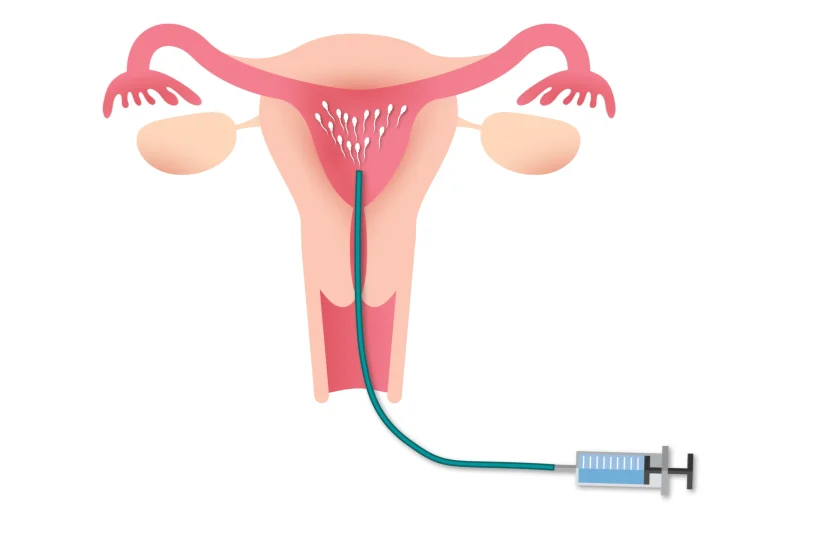
Natural conception, on the other hand, is a more affordable option and does not require any medical interventions. It also allows for a more natural and intimate experience for the couple. However, the success rate of natural conception decreases with age, as women’s fertility declines after the age of 35. This can be a significant factor for couples who are trying to conceive later in life.
Moreover, natural conception may not be an option for couples with certain medical conditions or fertility issues. In such cases, IVF may be the only way for them to have a biological child.
It is essential for couples to carefully weigh their options and consult with a fertility specialist to determine the best course of action for their specific situation. Factors such as age, overall health, and the cause of infertility should be taken into consideration when deciding between IVF and natural conception.
In conclusion, IVF and natural conception are two viable options for couples facing male and female factor infertility. IVF offers a higher success rate, the ability to use donated sperm or eggs, and can bypass certain fertility issues. Natural conception, on the other hand, is a more affordable and natural option, but may not be suitable for certain couples or individuals. Ultimately, the decision should be made after careful consideration and guidance from a fertility specialist.
In summary, IVF and natural conception are two methods of achieving pregnancy that differ in their approach and success rates. IVF offers a higher chance of success for couples facing male and female factor infertility, but it comes with its own challenges and considerations. Natural conception, while more affordable and natural, may not be an option for certain couples or individuals. Careful consideration and guidance from a fertility specialist is crucial in making the best decision for each individual situation.