Intrauterine Insemination vs Intracervical Insemination: Which is Right for You?
Intrauterine insemination (IUI) and intracervical insemination (ICI) are two common fertility treatments that involve the introduction of sperm into the female reproductive system. These procedures are often recommended for individuals or couples who are struggling to conceive naturally. While both IUI and ICI have the same goal, there are some key differences between the two that can influence which one is the right choice for you.
In this blog post, we will explore the similarities and differences between IUI and ICI, as well as the factors to consider when deciding which one is the best option for you.
What is Intrauterine Insemination (IUI)?
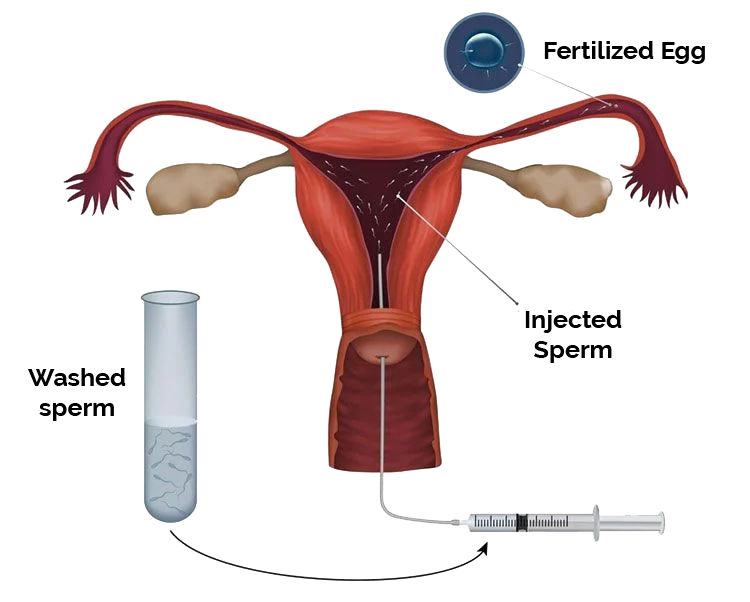
Intrauterine insemination, also known as artificial insemination, is a relatively simple and minimally invasive procedure that involves placing washed and concentrated sperm directly into the uterus. This is typically done around the time of ovulation, when the chances of fertilization are highest.
IUI is often recommended for couples with unexplained infertility, mild male factor infertility, or for single women or same-sex couples using donor sperm. It can also be used in conjunction with fertility drugs to increase the chances of success.
The IUI process begins with the collection and washing of sperm. The sperm is then inserted into the uterus using a thin catheter, which is usually painless and only takes a few minutes. After the procedure, the woman is advised to rest for a short time before resuming normal activities.
What is Intracervical Insemination (ICI)?
Intracervical insemination, also known as cervical insemination, is a fertility treatment that involves placing washed and concentrated sperm into the cervix. Unlike IUI, which deposits the sperm directly into the uterus, ICI places the sperm at the entrance of the cervix, allowing it to swim through the cervical mucus and reach the uterus on its own.
ICI is often recommended for couples with mild male factor infertility, or for single women or same-sex couples using donor sperm. It is also a more affordable option compared to IUI, as it does not require specialized equipment or a medical professional to perform the procedure.
The ICI process is similar to IUI, with the main difference being the placement of the sperm. The sperm is collected and washed, and then inserted into the cervix using a needleless syringe. This can be done at home or in a clinical setting and does not usually require any anesthesia.
Intrauterine Insemination vs Intracervical Insemination: Which is Right for You?
Comparing IUI and ICI: Similarities and Differences
Both IUI and ICI involve the introduction of washed and concentrated sperm into the female reproductive system, but there are some key differences between the two procedures.
– Method of sperm placement: As mentioned, the main difference between IUI and ICI is the method of sperm placement. While IUI places the sperm directly into the uterus, ICI places it into the cervix. This slight difference can affect the efficiency of the procedure, as the sperm has a shorter distance to swim in IUI compared to ICI.
– Timing of procedure: IUI is typically done around the time of ovulation, while ICI can be done at any time during the woman’s menstrual cycle. This is because the sperm is placed closer to the egg in IUI, increasing the chances of fertilization.
– Cost: ICI is generally a more affordable option compared to IUI, as it does not require specialized equipment or a medical professional to perform the procedure. This can be a deciding factor for individuals or couples who are on a budget.
– Success rates: Both IUI and ICI have similar success rates, with an average success rate of 10-20% per cycle. However, the success rates can vary depending on factors such as the age of the woman, the quality of the sperm, and the timing of the procedure.
Which One is Right for You?
When deciding between IUI and ICI, it is important to consult with a fertility specialist who can evaluate your individual situation and recommend the best course of treatment. However, there are some factors that you can consider when making this decision.
– Underlying fertility issues: If you or your partner have underlying fertility issues, such as blocked fallopian tubes or severe male factor infertility, IUI may be a more suitable option as it places the sperm directly into the uterus.
– Cost: If cost is a major factor for you, ICI may be a more affordable option. However, it is important to note that IUI may have a higher success rate, which can ultimately save you money in the long run.
– Personal preference: Some individuals or couples may feel more comfortable with one procedure over the other. For example, some may prefer the convenience and privacy of doing ICI at home, while others may prefer the medical setting of IUI.
In summary, IUI and ICI are both effective fertility treatment options that can increase the chances of conception for individuals or couples struggling to conceive. While they have some similarities, they also have key differences that can influence which one is the right choice for you. It is important to consult with a fertility specialist and consider factors such as cost, underlying fertility issues, and personal preference when deciding between IUI and ICI.