Navigating Male Factor Infertility: A Guide to Treatment Options
When it comes to infertility, the focus is often on the female partner and her potential fertility issues. However, male factor infertility is just as common and can be a major contributing factor to difficulties conceiving. In fact, it is estimated that male factor infertility is the sole cause or a contributing factor in up to 40% of couples struggling to conceive.
Male factor infertility refers to any issue that affects a man’s ability to impregnate a woman. This can include low sperm count, poor sperm motility, or abnormal sperm morphology. It can also be caused by medical conditions such as hormonal imbalances, genetic disorders, or structural issues with the reproductive organs. In this blog post, we will explore the various treatment options available for male factor infertility and how to navigate them.
1. Diagnosis
The first step in addressing male factor infertility is to undergo a thorough diagnosis. This typically involves a physical examination, semen analysis, and blood tests to check for any underlying medical conditions. It is important to consult with a fertility specialist who can accurately diagnose and determine the cause of male factor infertility. Once a diagnosis is made, the appropriate treatment plan can be developed.
2. Lifestyle Changes
In some cases, male factor infertility can be improved by making simple lifestyle changes. This can include quitting smoking, reducing alcohol consumption, and maintaining a healthy weight. Studies have shown that smoking and excessive alcohol intake can negatively impact sperm quality and quantity. Additionally, obesity has been linked to hormonal imbalances and can affect sperm production. Making these lifestyle changes can improve overall health and increase chances of conception.
3. Medications
If a hormonal imbalance is the cause of male factor infertility, medications may be prescribed to help regulate hormone levels and improve sperm production. These medications can include clomiphene citrate, human chorionic gonadotropin (hCG), or gonadotropin-releasing hormone (GnRH). However, it is important to note that these medications may have side effects and should only be taken under the guidance of a fertility specialist.
Navigating Male Factor Infertility: A Guide to Treatment Options
4. Assisted Reproductive Technologies (ART)
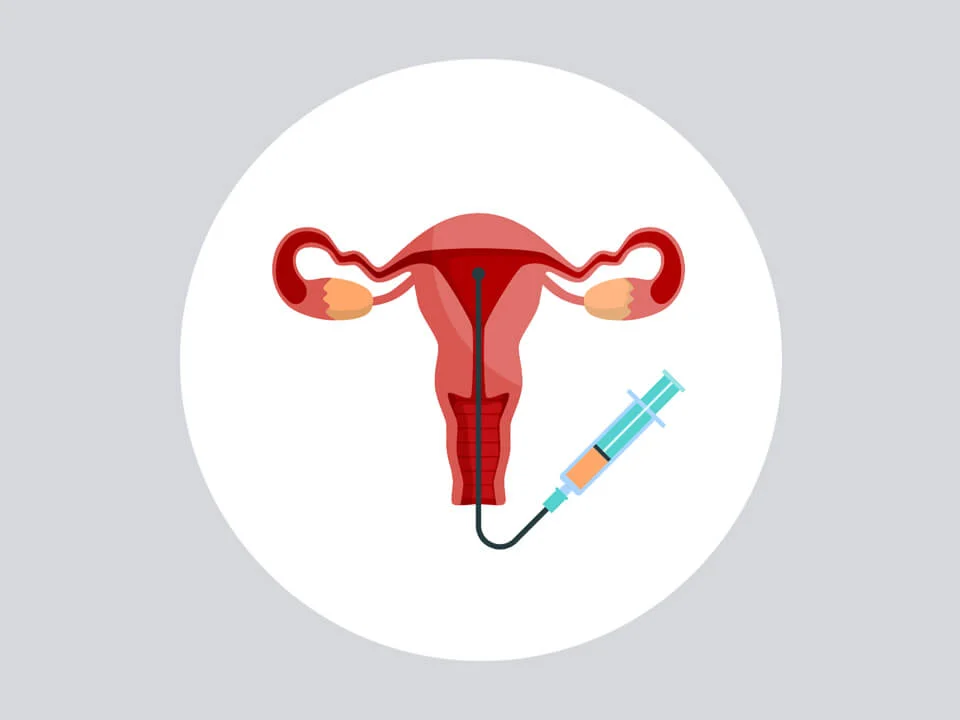
In cases where male factor infertility cannot be treated with lifestyle changes or medications, assisted reproductive technologies (ART) may be recommended. These procedures can help increase the chances of pregnancy by bypassing any fertility issues. The most common ART procedures for male factor infertility include intrauterine insemination (IUI) and in vitro fertilization (IVF).
IUI involves placing washed sperm directly into the woman’s uterus during ovulation, while IVF involves retrieving eggs from the female partner and fertilizing them with sperm in a laboratory before transferring the embryos into the uterus. Both procedures have high success rates and can be tailored to meet the specific needs of each couple.
5. Surgical Interventions
In some cases, male factor infertility can be treated through surgical interventions. This can include procedures such as varicocele repair, vasectomy reversal, or sperm retrieval. Varicocele repair involves repairing enlarged veins in the scrotum that can affect sperm production. Vasectomy reversal is a procedure to reconnect the male reproductive tract after a previous vasectomy. Sperm retrieval involves obtaining sperm directly from the testicles or epididymis for use in ART procedures.
6. Donor Sperm
In cases where there is a total absence of sperm or extremely low sperm count, donor sperm may be an option. This involves using sperm from a donor to fertilize the female partner’s eggs through IUI or IVF. The use of donor sperm is a highly successful option for couples struggling with male factor infertility.
Navigating male factor infertility can be a challenging and emotional journey for couples. It is important to seek support and guidance from a fertility specialist who can provide accurate diagnosis and personalized treatment options. With the advancements in medical technology, there are many treatment options available to help couples achieve their dream of starting a family.
In summary, male factor infertility is a common issue that can affect a couple’s ability to conceive. It can be caused by various factors and can be treated through lifestyle changes, medications, ART procedures, surgical interventions, or the use of donor sperm. Seeking the help of a fertility specialist is crucial in navigating the treatment options and increasing the chances of a successful pregnancy.