Blog Post: Fertility Facts: Debunking Myths About Male and Female Factor Treatments
Fertility is a topic that is often shrouded in myths and misconceptions, especially when it comes to male and female factor treatments. Many couples struggling to conceive may feel overwhelmed and confused by the conflicting information out there. In this blog post, we will explore some of the most common fertility myths and debunk them with facts about male and female factor treatments.
Myth #1: Fertility Issues are Only a Woman’s Problem
One of the most common misconceptions about fertility is that it is solely the woman’s responsibility to conceive. While it is true that women play a significant role in the process, fertility issues can also arise from male factors. In fact, 1 in 3 cases of infertility is due to male factors alone, and in another 1 in 3 cases, both male and female factors contribute to the problem.
Male fertility issues can include low sperm count, poor sperm motility, and abnormal sperm morphology. These issues can be caused by various factors such as hormonal imbalances, genetic conditions, and lifestyle choices. It is essential for both partners to undergo fertility testing to determine the root cause of their infertility and receive appropriate treatment.
Myth #2: Fertility Problems are Rare
Another misconception about fertility is that it is a rare problem. However, the reality is that infertility affects around 1 in 8 couples worldwide. It is a common issue that can be caused by various factors, including age, health conditions, and lifestyle choices. It is crucial for couples to seek help if they have been trying to conceive for over a year without success.
Myth #3: Infertility is Always a Woman’s Fault
Infertility is not a woman’s fault, and it is not something that can be controlled. Many factors contribute to fertility problems, including age, health conditions, and genetics. While women are often blamed for infertility, the truth is that it is a shared responsibility between both partners. It is essential to approach fertility as a team and support each other throughout the process.
Myth #4: Fertility Treatment is Only for Women
Another myth surrounding fertility is that treatment is only available for women. However, advancements in technology have made it possible for men to receive treatments for their fertility issues. Male factor treatments include lifestyle changes, medication, surgery, and assisted reproductive techniques such as intrauterine insemination (IUI) and in vitro fertilization (IVF). It is crucial for men to seek professional help if they are experiencing fertility problems.
Myth #5: IVF is the Only Option for Infertility
Fertility Facts: Debunking Myths About Male and Female Factor Treatments
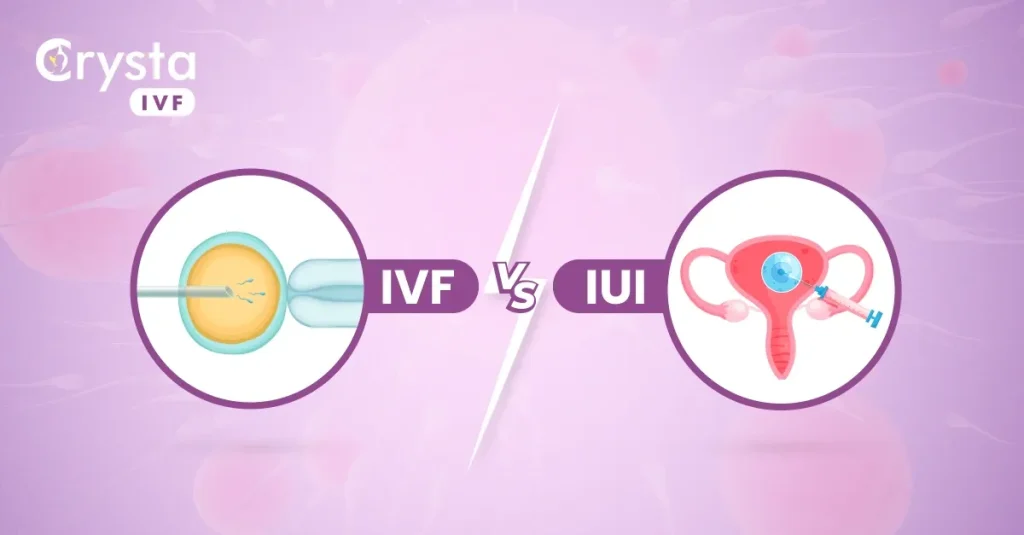
In vitro fertilization (IVF) is a well-known fertility treatment that involves fertilizing an egg with sperm in a lab and then transferring the embryo into the woman’s uterus. While IVF has a high success rate, it is not the only option for couples struggling with infertility. Depending on the cause of infertility, other treatments such as medication, surgery, and intrauterine insemination (IUI) may be recommended by a fertility specialist. It is essential to consult with a specialist to determine the best course of treatment for each individual case.
Myth #6: Fertility Treatment is Always Expensive
The cost of fertility treatment varies depending on the type of treatment, location, and individual circumstances. While some treatments can be costly, there are also affordable options available, such as medication and lifestyle changes. Many fertility clinics also offer financing options and discounts to make treatment more accessible to couples.
Myth #7: Fertility Treatment Always Results in Multiple Births
One of the most common fears about fertility treatment is the risk of multiple births. While it is true that some treatments, such as IVF, can increase the chances of multiple births, it is not always the case. With advancements in technology and medical protocols, fertility specialists can now control and monitor the number of embryos transferred to reduce the risk of multiple births.
Myth #8: Age Does Not Affect Male Fertility
While women are often warned about the impact of age on their fertility, men are often left out of the conversation. The truth is that age does play a role in male fertility. As men age, their sperm quality and quantity decrease, making it more challenging to conceive. It is crucial for couples to be aware of this and seek help if they have been trying to conceive for over a year.
Myth #9: Lifestyle Choices Do Not Affect Fertility
Many lifestyle choices can have a significant impact on fertility for both men and women. These choices include smoking, excessive alcohol consumption, drug use, and a poor diet. These habits can affect hormone levels, sperm quality, and overall reproductive health. It is essential for couples to make healthy lifestyle choices to improve their chances of conceiving.
Myth #10: Fertility Treatment is Guaranteed to Work
While fertility treatment has a high success rate, it is not a guarantee. The success of treatment depends on various factors, including the cause of infertility, age, and overall health. It is essential for couples to have realistic expectations and be prepared for multiple treatment cycles if needed.
In conclusion, there are many myths surrounding male and female factor treatments for fertility. It is essential for couples to educate themselves and seek help from a fertility specialist to receive accurate information and appropriate treatment. Remember, fertility is a shared responsibility, and it is crucial to support each other through the journey.