Blog Post:
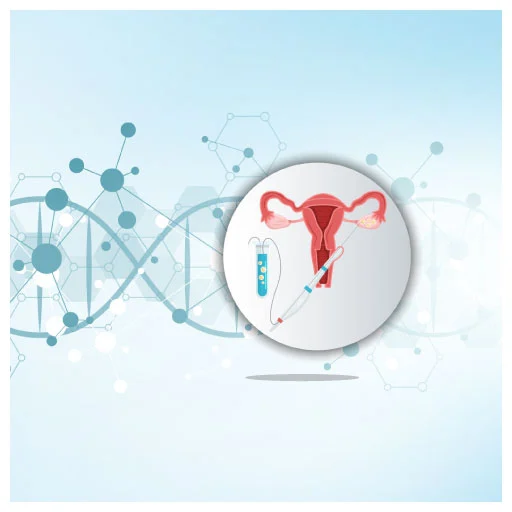
Medical insemination, also known as artificial insemination, is a technique used to help couples or individuals conceive a child. It involves the placement of sperm into a woman’s reproductive tract, bypassing the natural process of sexual intercourse. While this method can be a successful alternative for those struggling to conceive, it comes with its own set of mental and physical challenges. In this blog post, we will explore the various aspects of medical insemination, including the process, success rates, and the mental and physical challenges that individuals may face.
The Process of Medical Insemination:
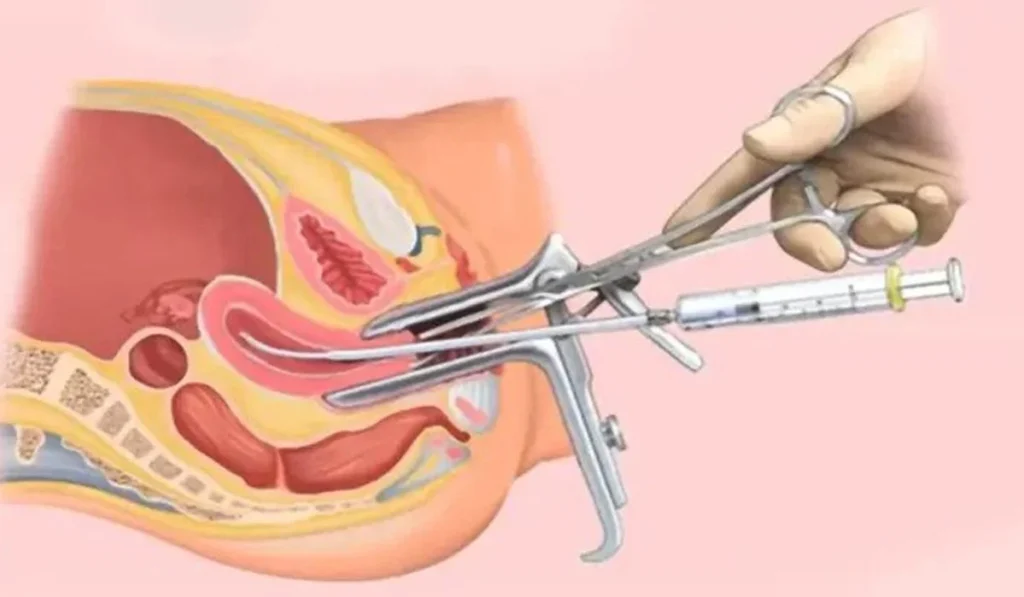
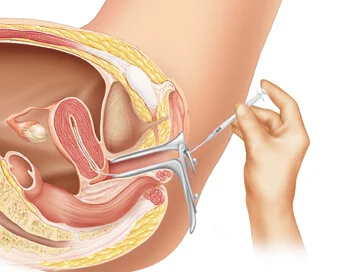
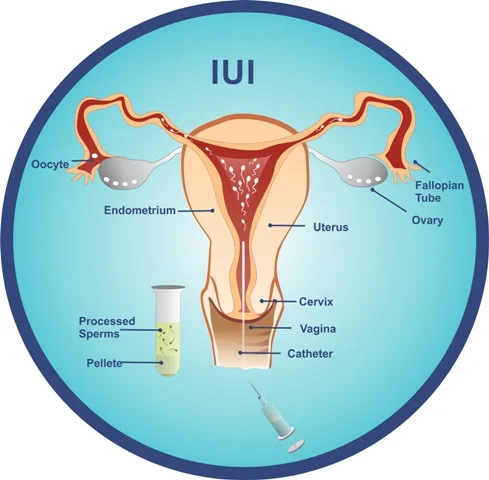
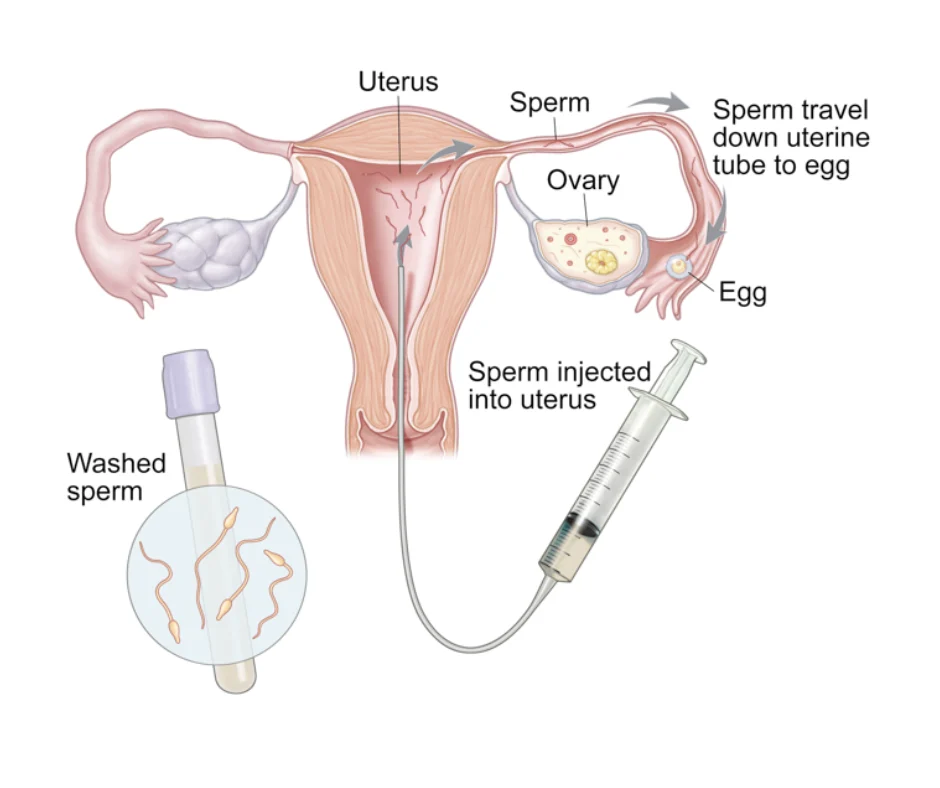
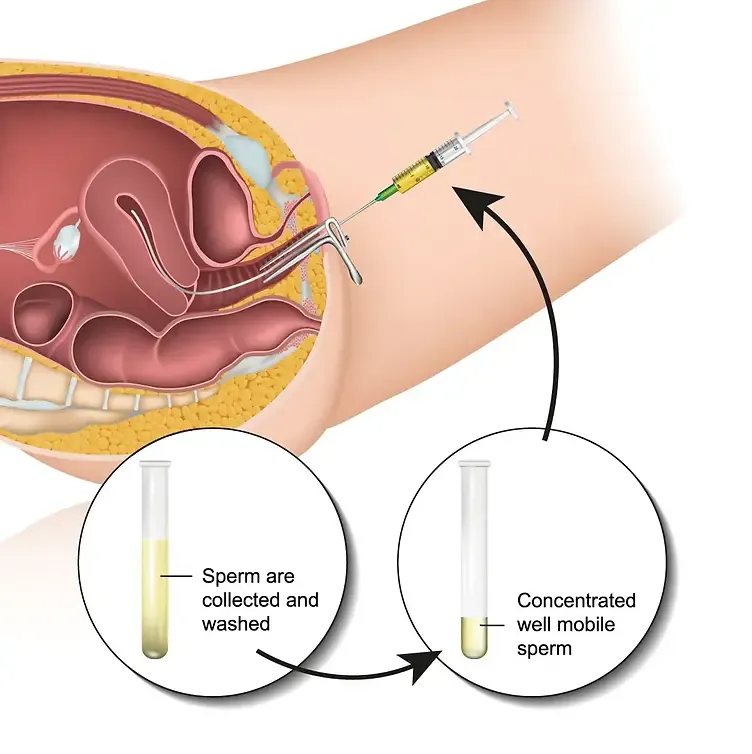
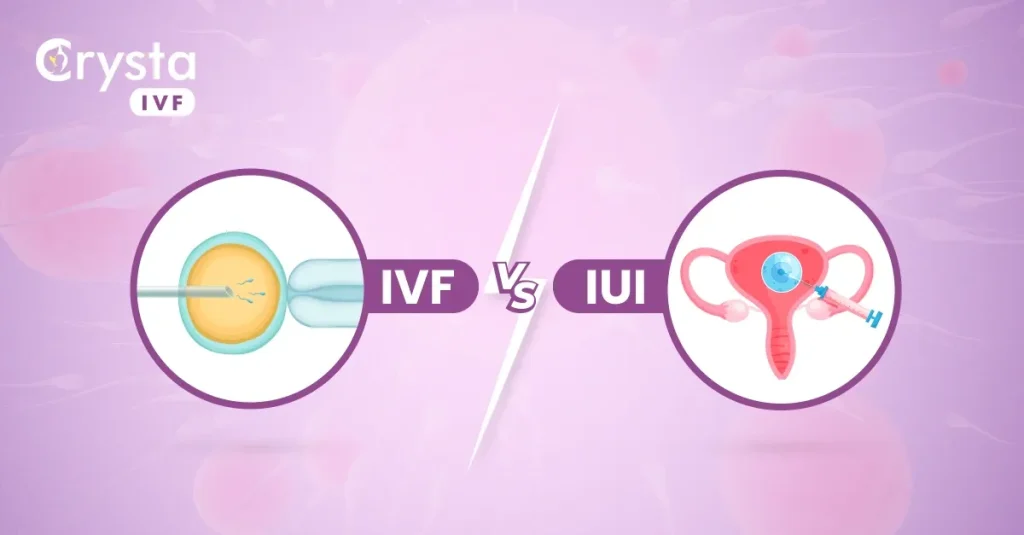
The process of medical insemination begins with a thorough evaluation of the individual or couple’s medical history. This includes assessing any underlying conditions that may affect fertility, such as hormonal imbalances or structural issues with the reproductive organs. Once the evaluation is complete, the doctor will determine the best method of insemination, which can be either intrauterine insemination (IUI) or intracervical insemination (ICI).
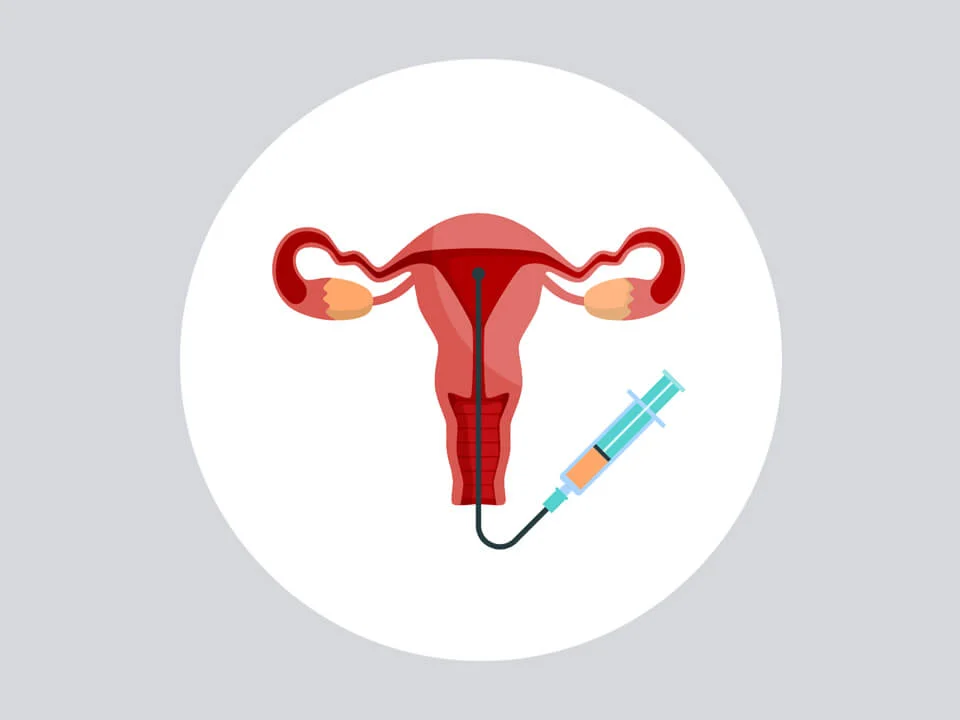
In IUI, the sperm is directly inserted into the woman’s uterus, while in ICI, it is placed in the cervix. Both methods involve washing and prepping the sperm to increase the chances of fertilization. The timing of insemination is crucial and is usually done around the time of ovulation. The woman may be given fertility drugs to stimulate the production of eggs and improve the chances of conception.
Success Rates of Medical Insemination:
The success rates of medical insemination vary depending on various factors such as age, fertility history, and the method used. On average, the success rate for IUI is around 10-20%, while ICI has a lower success rate of 5-10%. However, these rates can increase significantly when combined with fertility drugs and multiple insemination cycles. It is essential to note that medical insemination does not guarantee a successful pregnancy, and it may take several attempts before conception occurs.
Mental Challenges of Medical Insemination:
The process of medical insemination can be emotionally taxing for individuals and couples. Infertility is already a sensitive and challenging issue, and undergoing medical procedures to conceive can add to the stress and emotional burden. It is common for individuals to experience feelings of frustration, disappointment, and even guilt during the process. The constant monitoring, injections, and the uncertainty of the outcome can take a toll on one’s mental well-being.
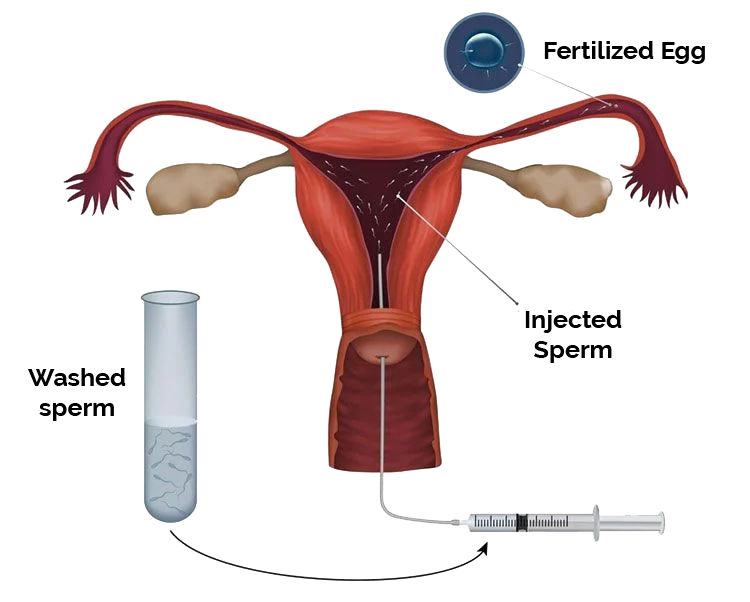
The Mental and Physical Challenges of Medical Insemination
Another significant mental challenge is the fear of failure. As mentioned earlier, medical insemination does not guarantee a successful pregnancy, and this can be a constant source of worry for individuals. The pressure to conceive can also strain relationships, leading to conflicts and tension between partners.
Physical Challenges of Medical Insemination:
The physical challenges of medical insemination can vary from person to person. Some individuals may experience mild discomfort during the procedure, while others may have more severe side effects. The most common physical challenges include cramping, spotting, and bloating. These symptoms usually subside within a few days. In rare cases, individuals may experience more severe complications, such as infections or allergic reactions to the fertility drugs.
In addition to the physical challenges, the process of medical insemination can also be physically demanding. It requires frequent visits to the doctor’s office for monitoring and multiple insemination cycles. The injections and fertility drugs can also have side effects such as mood swings, headaches, and weight gain, adding to the physical strain.
Coping with the Challenges:
Dealing with the mental and physical challenges of medical insemination can be overwhelming, but there are ways to cope with them. Seeking support from loved ones, joining support groups, and talking to a therapist can help individuals and couples navigate their emotions during this process. It is also crucial to have open and honest communication with your partner and to manage expectations. Taking care of one’s physical health by exercising, eating well, and getting enough rest can also help individuals cope with the physical demands of medical insemination.
Conclusion:
In conclusion, medical insemination can be a challenging journey, both mentally and physically. It requires patience, resilience, and support from loved ones to navigate the ups and downs of the process. While it may not be the right choice for everyone, it can be a viable option for those struggling with infertility. It is essential to understand the process, success rates, and potential challenges before embarking on this journey. With the right support and mindset, individuals and couples can overcome the challenges of medical insemination and achieve their dream of starting a family.
Summary:
Medical insemination is a technique used to help individuals and couples conceive a child. The process involves placing sperm into a woman’s reproductive tract, bypassing the natural process of sexual intercourse. While it can be a successful alternative for those struggling with infertility, it comes with its own set of mental and physical challenges. These challenges include the fear of failure, emotional stress, and physical discomfort. Coping with these challenges requires patience, resilience, and support from loved ones. With the right mindset and support, individuals and couples can navigate the challenges of medical insemination and achieve their dream of starting a family.