Blog Post: At-Home Insemination: A Holistic Approach to Conception
Conception and fertility are topics that have been surrounded by various myths and misconceptions for centuries. With the advancement of technology, there are now several options available for couples who are struggling to conceive. One such option is at-home insemination, which has gained popularity in recent years due to its convenience and affordability. But what exactly is at-home insemination and how does it differ from traditional methods? In this blog post, we will explore the concept of at-home insemination and how it can be a holistic approach to conception.
What is At-Home Insemination?
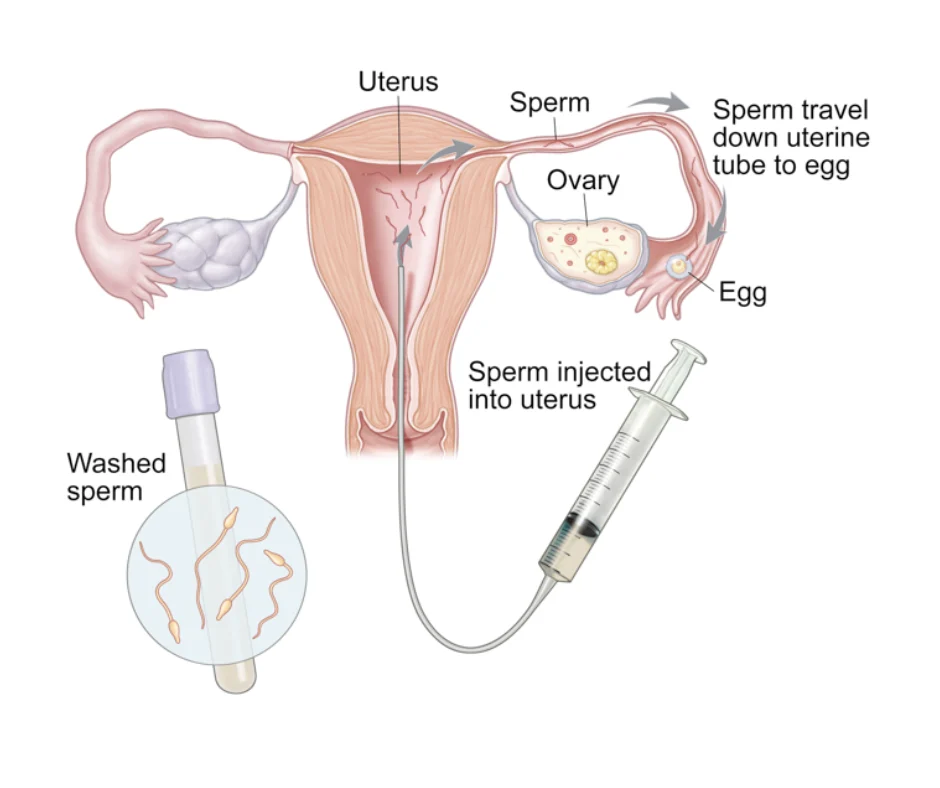
At-home insemination, also known as artificial insemination, is the process of inserting sperm into the cervix or uterus to facilitate pregnancy. This can be done using a variety of methods, including using a syringe or a softcatheter, and can be performed at home without the assistance of a medical professional. At-home insemination is often used by same-sex couples, single women, or couples who are struggling with infertility.
How is it Different from Traditional Insemination?
The main difference between at-home insemination and traditional insemination is the location where the procedure takes place. Traditional insemination is typically performed in a medical setting, such as a fertility clinic or a doctor’s office, and is usually done by a medical professional. At-home insemination, on the other hand, is done in the comfort of one’s own home and can be self-administered.
Another difference is the cost. Traditional insemination can be expensive, with the average cost ranging from $300 to $1000 per cycle. At-home insemination, on the other hand, is relatively inexpensive, with the cost of supplies ranging from $20 to $50 per cycle.
Why Choose At-Home Insemination?
There are several reasons why couples may choose at-home insemination over traditional methods. One of the main reasons is the convenience and privacy it offers. Many couples may feel more comfortable and relaxed in their own home, rather than in a clinical setting. At-home insemination also gives couples more control over the process, as they can choose the timing and frequency of insemination.
Another reason for choosing at-home insemination is the cost. As mentioned earlier, traditional insemination can be expensive, and for some couples, it may not be a viable option. At-home insemination is a more affordable alternative, making it accessible to a wider range of couples.
At-Home Insemination: A Holistic Approach to Conception
A Holistic Approach to Conception
At-home insemination can be seen as a more holistic approach to conception, as it focuses on the natural process of pregnancy. Unlike traditional methods, which often involve fertility drugs or invasive procedures, at-home insemination relies solely on the natural process of fertilization.
Additionally, at-home insemination allows couples to use natural methods to track ovulation and determine the best time for insemination. This includes using ovulation predictor kits, tracking basal body temperature, and monitoring cervical mucus. By using these methods, couples can increase their chances of successful insemination.
Holistic methods also play a role in preparing for at-home insemination. This includes maintaining a healthy diet and lifestyle, reducing stress, and using natural supplements to improve fertility. By focusing on overall health and well-being, couples can increase their chances of conception and have a more positive experience with at-home insemination.
Things to Consider
While at-home insemination can be a viable option for many couples, there are some important things to consider before deciding to try it. First, it is essential to understand that at-home insemination does not guarantee pregnancy, and it may take several cycles before success is achieved. It is also important to follow proper hygiene and safety measures when performing the procedure at home to reduce the risk of infection.
Moreover, it is crucial to have a support system in place, whether it is a partner, friend, or support group. Trying to conceive can be emotionally taxing, and having someone to talk to and share the experience with can be beneficial.
In Conclusion
At-home insemination is a holistic approach to conception that offers couples more control, convenience, and affordability. By focusing on the natural process of pregnancy, it can be a less invasive option for couples who are struggling to conceive. However, it is essential to weigh the pros and cons and consider all factors before deciding to try at-home insemination.
Summary:
At-home insemination, also known as artificial insemination, is the process of inserting sperm into the cervix or uterus to facilitate pregnancy and can be done at home without the assistance of a medical professional. It differs from traditional insemination in terms of location and cost, making it a more convenient and affordable option for many couples. At-home insemination is a holistic approach to conception, as it focuses on the natural process of pregnancy and allows couples to use natural methods to track ovulation. However, it is important to consider all factors and have a support system in place before deciding to try at-home insemination.