Blog Post Title: The Cost Comparison: DIY vs Medical Insemination
Introduction:
The journey to starting a family can be a difficult and emotional process, especially for couples struggling with infertility. One option for conceiving is through artificial insemination, which can be done either at a medical facility or at home through DIY methods. However, before making a decision, it is important to consider the cost comparison between these two options. In this blog post, we will explore the expenses involved in both DIY and medical insemination and provide a comprehensive analysis to help you make an informed decision.
DIY Insemination:
DIY insemination, also known as home insemination, involves using a syringe or a device called a “turkey baster” to insert semen into the vagina. This method can be done at home without the supervision of a medical professional, making it a more affordable option for those on a budget. The cost of DIY insemination can range from $50 to $500, depending on the materials used and whether or not the sperm is purchased from a sperm bank or obtained from a known donor. However, it is important to note that there may be additional costs involved, such as fertility drugs or ovulation kits, which can increase the overall cost.
Medical Insemination:
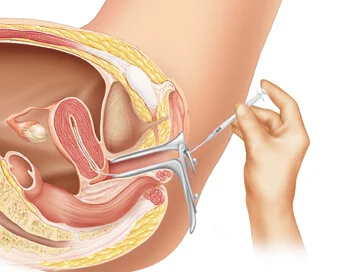
Medical insemination, also known as intrauterine insemination (IUI), is a procedure performed by a healthcare professional at a medical facility. It involves washing and preparing the sperm before inserting it directly into the uterus, increasing the chances of conception. The cost of medical insemination can range from $300 to $1000 per cycle, depending on the clinic and location. This cost includes the procedure, sperm washing, and monitoring, but does not include fertility drugs or additional testing, which can significantly increase the overall cost.
Additional Costs:
Aside from the direct costs of insemination, there are other expenses that should be considered when comparing DIY and medical insemination. Fertility drugs, which are often used to stimulate ovulation, can range from $50 to $1000 per cycle. These drugs may be necessary for both DIY and medical insemination, depending on the individual’s fertility. Additionally, both options may also require the use of ovulation kits, which can cost around $20 to $50 per cycle.
The Cost Comparison: DIY vs Medical Insemination
Success Rates:
When considering the cost of insemination, it is important to also factor in the success rates of each method. The success rates of DIY insemination are generally lower compared to medical insemination, with a success rate of around 5-15%. On the other hand, medical insemination has a success rate of 15-20% per cycle, increasing to 60% after six cycles. This means that while DIY insemination may seem like a more affordable option upfront, it may end up costing more in the long run due to the need for multiple cycles.
Insurance Coverage:
Another important aspect to consider is whether or not your insurance covers the cost of insemination. Some insurance plans may cover a portion of medical insemination, while DIY insemination is usually not covered. It is important to check with your insurance provider to understand what is covered and what is not, as this can significantly impact the overall cost of insemination.
Emotional and Physical Costs:
Aside from the financial costs, it is also important to consider the emotional and physical toll that both DIY and medical insemination can take. DIY insemination may be more emotionally taxing as the individual or couple is responsible for the entire process, while medical insemination may provide more emotional support and guidance from healthcare professionals. Additionally, medical insemination requires multiple visits to the clinic and can be physically uncomfortable for some individuals.
Conclusion:
When it comes to the cost comparison between DIY and medical insemination, there are several factors to consider. While DIY insemination may seem like a more affordable option upfront, the success rates and need for multiple cycles can end up making it more expensive in the long run. Medical insemination, on the other hand, may have a higher upfront cost, but with higher success rates and the potential for insurance coverage, it may be a more cost-effective option. It is important to also consider the emotional and physical costs involved in both methods before making a decision.
In the end, the decision between DIY and medical insemination will vary for each individual or couple and their unique situation. It is important to carefully weigh the costs and benefits of each option and consult with a healthcare professional to make an informed decision.
Summary:
In this blog post, we explored the cost comparison between DIY and medical insemination. DIY insemination, while initially more affordable, may end up costing more in the long run due to lower success rates and the need for multiple cycles. Medical insemination, although more expensive upfront, may be a more cost-effective option with higher success rates and the potential for insurance coverage. It is important to also consider the emotional and physical costs involved in both methods before making a decision. Ultimately, the decision between DIY and medical insemination will depend on each individual or couple’s unique situation.