Blog Post:
At-Home Insemination and the Importance of Tracking Ovulation
In recent years, there has been a growing trend towards at-home insemination as an alternative method for conceiving a child. This process involves using a donor sperm to fertilize an egg, either through artificial insemination or self-insemination. While at-home insemination may seem like a straightforward and simple process, there are important factors to consider, such as tracking ovulation. In this blog post, we will delve into the world of at-home insemination and discuss why tracking ovulation is crucial for success.
What is At-Home Insemination?
At-home insemination, also known as home insemination, is the process of using a donor sperm to fertilize an egg outside of a traditional clinical setting. This method is becoming increasingly popular for couples who are struggling to conceive or are in same-sex relationships. It involves purchasing donor sperm from a sperm bank or using sperm from a known donor and then using it to inseminate the partner at home.
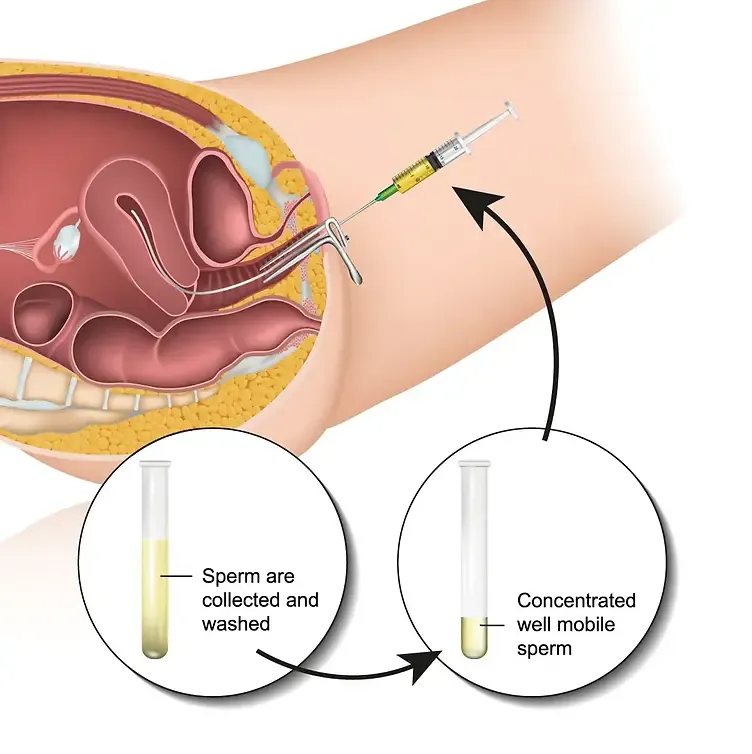
At-home insemination can be done through artificial insemination, where a syringe is used to inject the sperm directly into the cervix, or through self-insemination, where the sperm is inserted into the vagina using a soft cup or a menstrual cup. Both methods have a high success rate and are less invasive and costly than other fertility treatments.
Why is Tracking Ovulation Important?
One of the key factors in successfully conceiving through at-home insemination is timing. Ovulation, the release of an egg from the ovary, only occurs once per menstrual cycle and lasts for 12-24 hours. Sperm can survive in the female reproductive tract for up to five days, so in order for fertilization to occur, the sperm needs to be present before or during ovulation.
Tracking ovulation is essential for at-home insemination because it allows you to determine the best time to inseminate. This means that you have a higher chance of the sperm reaching the egg and fertilizing it, leading to a successful pregnancy. Without tracking ovulation, you may miss the window of opportunity and have to wait until the next cycle to try again.
How to Track Ovulation
There are several methods for tracking ovulation, and it is important to find the one that works best for you. Here are some options to consider:
At-Home Insemination and the Importance of Tracking Ovulation
1. Tracking Basal Body Temperature (BBT) – BBT is the lowest body temperature during rest, and it rises slightly after ovulation. By tracking your BBT every morning, you can detect the slight temperature increase, indicating that ovulation has occurred.
2. Using Ovulation Predictor Kits (OPKs) – These kits detect the surge of luteinizing hormone (LH) in your urine, which happens 24-36 hours before ovulation. You can use OPKs to predict when ovulation will occur, giving you a better idea of when to inseminate.
3. Monitoring Cervical Mucus – Cervical mucus changes throughout the menstrual cycle, becoming thin and stretchy around ovulation. By observing the changes in your cervical mucus, you can determine when you are most fertile.
4. Tracking Menstrual Cycle – If your menstrual cycle is regular, you can use a period tracking app or calendar to estimate when ovulation will occur. However, this method is not as accurate as the others and may not work for those with irregular cycles.
Benefits of Tracking Ovulation for At-Home Insemination
1. Increases Chances of Success – As mentioned earlier, tracking ovulation helps you determine the best time to inseminate, increasing your chances of success.
2. Saves Time and Money – By tracking ovulation, you can avoid unnecessary inseminations and save time and money in the long run.
3. Reduces Stress and Anxiety – Trying to conceive can be an emotional rollercoaster, and tracking ovulation can help reduce the stress and anxiety that comes with it. Knowing that you are inseminating at the right time can give you peace of mind and make the process less daunting.
4. Helps Identify Underlying Issues – If you have been trying to conceive for a while without success, tracking ovulation can help identify any underlying issues, such as irregular ovulation or hormonal imbalances, that may be hindering your chances of getting pregnant.
In conclusion, at-home insemination can be a successful method for conceiving a child, but it is crucial to track ovulation to increase your chances of success. With various methods available, it is essential to find the one that works best for you. Remember to also consult with a healthcare professional for guidance and advice on the best approach for your unique situation.
Summary:
At-home insemination is a growing trend for couples struggling to conceive or in same-sex relationships. This process involves using a donor sperm to fertilize an egg, either through artificial insemination or self-insemination. To increase the chances of success, it is important to track ovulation, which is the release of an egg from the ovary. This can be done through methods such as tracking basal body temperature, using ovulation predictor kits, monitoring cervical mucus, or tracking the menstrual cycle. Tracking ovulation has various benefits, including increasing chances of success, saving time and money, reducing stress and anxiety, and identifying underlying issues. It is crucial to consult with a healthcare professional for guidance on the best approach for your unique situation.