The Impact of Medications on At-Home and Clinical Insemination: A Comprehensive Guide
Medications play a crucial role in the success of both at-home and clinical insemination. Insemination, also known as artificial insemination, is a form of assisted reproductive technology that involves placing sperm into a woman’s reproductive tract to facilitate fertilization. It is commonly used by couples struggling with fertility issues, as well as by same-sex couples and single individuals who want to start a family.
While insemination can be done at home using a donor sperm kit, it can also be performed in a clinical setting with the help of a fertility specialist. In both cases, medications are often prescribed to increase the chances of successful fertilization. In this blog post, we will delve into the impact of medications on at-home and clinical insemination and discuss their importance in the process.
The Role of Medications in At-Home Insemination
At-home insemination involves using a donor sperm kit that contains all the necessary tools for the procedure. This method is often preferred by those who want to conceive in the comfort of their own home and at a lower cost compared to clinical insemination. However, the success rate of at-home insemination is significantly lower than that of clinical insemination, and this is where medications come into play.
The most commonly used medication in at-home insemination is Clomiphene citrate, also known as Clomid. It is an oral medication that is used to induce ovulation in women who have trouble ovulating on their own. Ovulation is the process of releasing an egg from the ovary, and it is essential for pregnancy to occur. By taking Clomid, women can increase their chances of ovulating and thus, increase their chances of successful insemination.
Another medication that is sometimes prescribed for at-home insemination is human chorionic gonadotropin (hCG). This hormone is naturally produced by the body after ovulation and is responsible for maintaining the uterine lining. In at-home insemination, hCG is used to trigger ovulation, which helps to time the insemination perfectly. This medication is usually administered as an injection, and it is crucial to follow the doctor’s instructions carefully to ensure its effectiveness.
The Impact of Medications on Clinical Insemination
Clinical insemination, also known as intrauterine insemination (IUI), involves placing washed sperm directly into the uterus using a catheter. This method is more invasive and requires the assistance of a fertility specialist. The success rate of clinical insemination is significantly higher than at-home insemination, but medications are still an essential part of the process.
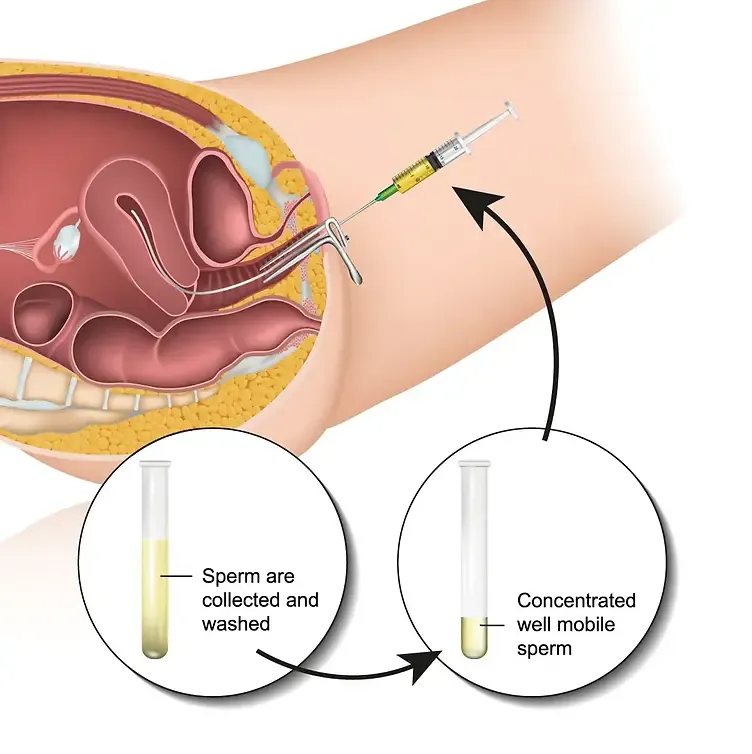
The Impact of Medications on At-Home and Clinical Insemination
In clinical insemination, the medications used are similar to those in at-home insemination, but the dosage and administration may differ. In addition to Clomid and hCG, gonadotropins are another type of medication that may be prescribed for clinical insemination. These are injectable hormones that stimulate the ovaries to produce multiple eggs, increasing the chances of successful fertilization.
Progesterone is another medication that is commonly used in clinical insemination. It is a hormone that is naturally produced by the body after ovulation and is essential in preparing the uterus for pregnancy. Progesterone supplements may be prescribed to help thicken the uterine lining and make it more receptive to embryo implantation.
The Importance of Monitoring and Timing
In both at-home and clinical insemination, medications are not the only crucial factor in achieving pregnancy. Proper monitoring and timing are also essential for success. In at-home insemination, women are advised to track their ovulation using ovulation predictor kits or by monitoring their basal body temperature. This helps to determine the best time to perform the insemination.
In clinical insemination, monitoring is done through blood tests and ultrasounds to track the development of follicles (structures that contain eggs) in the ovaries. This allows the fertility specialist to determine the best time to trigger ovulation and perform the insemination. Timing is crucial in both methods, as insemination should be done as close to ovulation as possible for the best chances of success.
Potential Side Effects of Medications
As with any medication, there are potential side effects that come with using medications for insemination. The most common side effects of Clomid and gonadotropins include hot flashes, mood swings, and abdominal discomfort. Some women may also experience ovarian hyperstimulation syndrome (OHSS), a condition where the ovaries become swollen and painful.
Progesterone supplements may cause side effects such as bloating, breast tenderness, and mood swings. It is essential to discuss potential side effects with a doctor and to report any unusual symptoms. In rare cases, severe side effects such as allergic reactions or blood clots may occur, and immediate medical attention should be sought.
In conclusion, medications play a crucial role in the success of both at-home and clinical insemination. They can help regulate ovulation, increase the chances of successful fertilization, and prepare the uterus for pregnancy. However, proper monitoring and timing are also crucial for the best chances of success. It is important to consult with a fertility specialist and follow their instructions carefully to ensure the safe and effective use of medications in insemination.
SEO Metadata: